
Best Composite Toe Boots for Concrete in 2026: Which Type Is Right for You?
Disclosure: We may earn a commission when you buy through links on this page, at no extra cost to you. As an Amazon Associate I earn from qualifying purchases. Learn more

Composite toe boots for concrete: how wedge sole, athletic and lug sole types differ, and how arch support and cushioning ease long shifts.
Standing and walking on concrete all shift is hard on your feet, knees, and lower back because the surface gives almost nothing back with each step. Add a safety toe requirement and the choice gets more confusing, since boot types differ a lot in weight, cushioning, and grip. The best composite toe boots for concrete for you depend on how you work, and the comparison table below sums up the main types side by side.
This guide compares boot types rather than naming individual products. You will learn how wedge sole, lightweight athletic style, and traditional lug sole boots each handle flat hard floors, and how fit and arch support change comfort over a long shift.
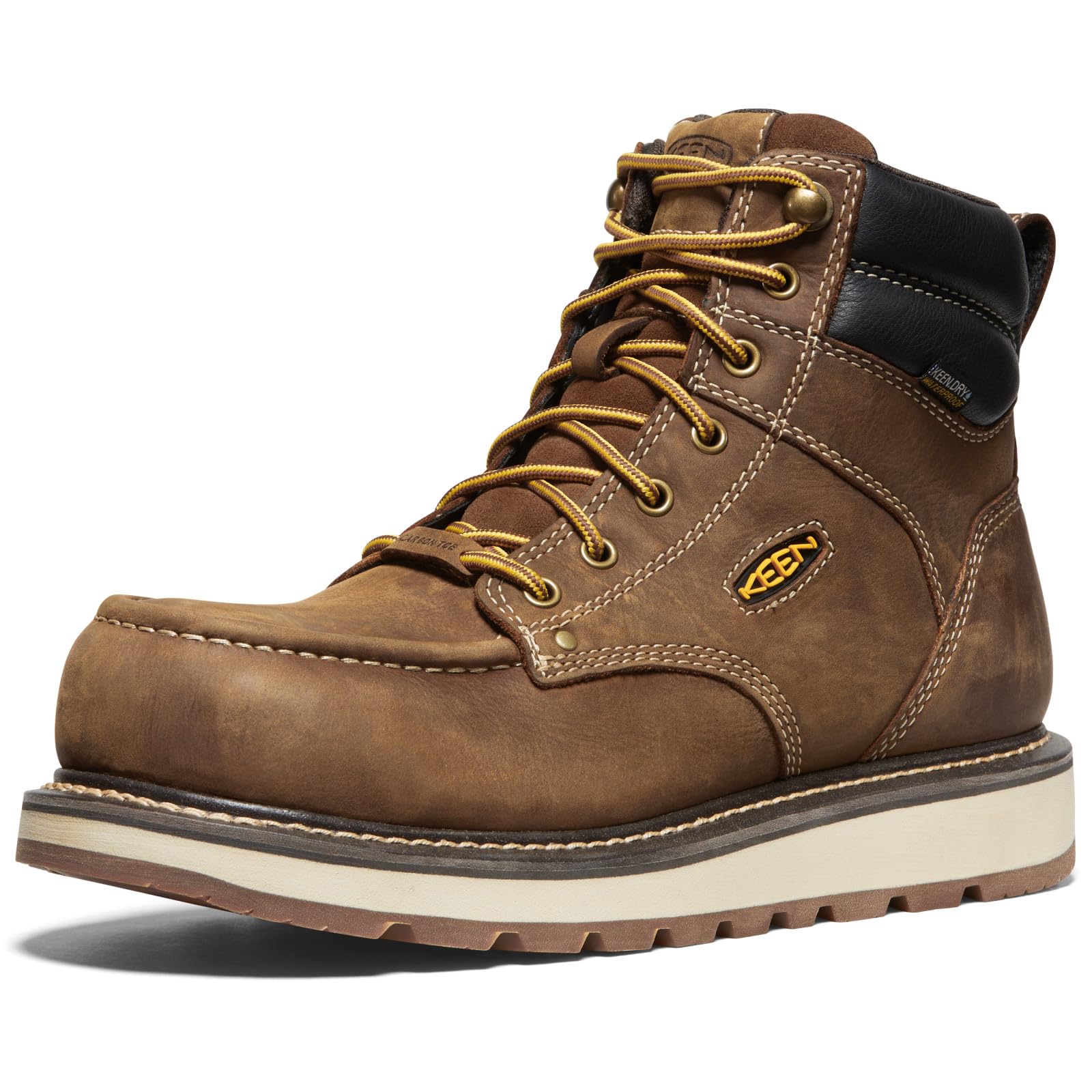


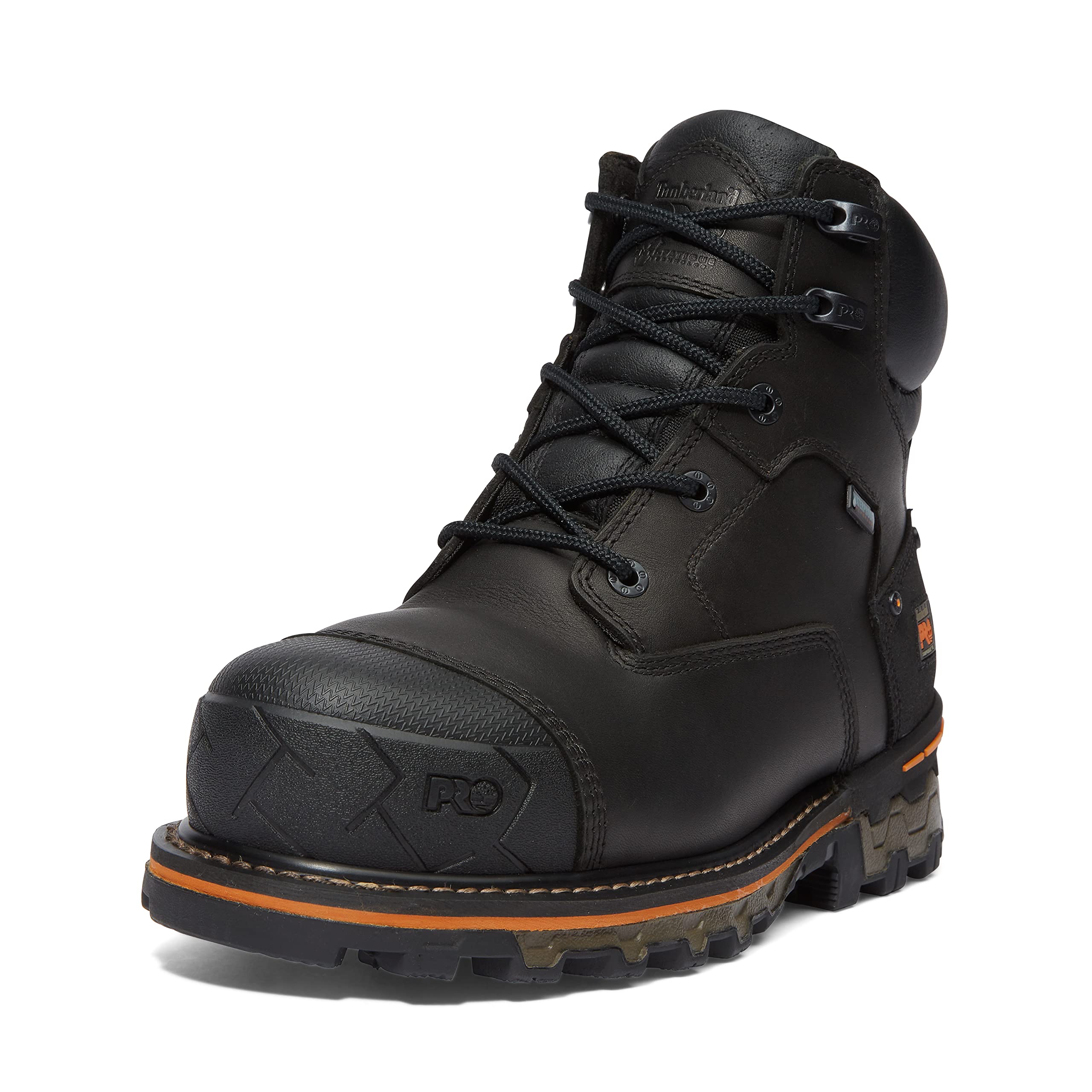


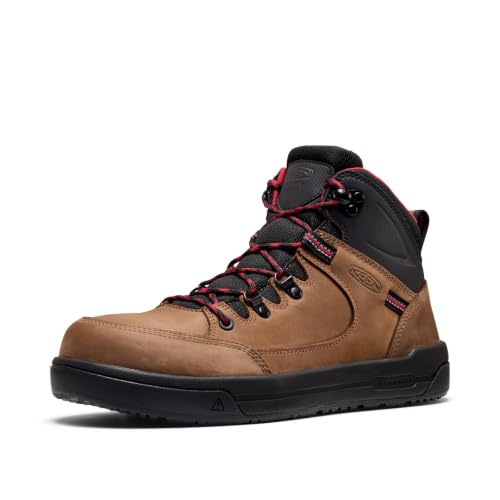
Types of Composite Toe Boots for Concrete Compared
Composite toe caps use materials such as carbon fiber, fiberglass, and strong plastics instead of metal. They weigh less than steel, they do not conduct cold or heat as readily, and they do not set off metal detectors. If you want the broader picture first, see our guide to the best composite toe boots for how the cap itself compares across boot styles.
Wedge Sole Boots for Flat Floors and Long Standing
A wedge sole is flat from heel to toe, so the whole outsole touches the ground instead of only the heel and forefoot. That full contact spreads pressure across your foot and gives you a stable base for standing in one spot. Wedge soles also track less mud and debris indoors, and the flat profile tends to feel less tippy on ladders and lifts than a raised heel.
The trade off is grip and wear. A flat sole has fewer deep edges to bite on loose gravel, wet slopes, or uneven ground outside, so it suits mostly indoor or paved work. Soft wedge rubber also wears faster on rough concrete. Choose this type if you stand more than you climb and your floors stay mostly dry and clean.
Lightweight Athletic Style Boots for Constant Walking
These boots borrow their shape from athletic shoes, with flexible midsoles, breathable mesh panels, and lower collars that move easily at the ankle. They feel light on your feet, which adds up when you walk miles of concrete aisles in a shift. Many weigh noticeably less than traditional work boots, so leg fatigue at the end of the day is often lower.
The limits are support and durability. Flexible uppers give less ankle stability on ladders and uneven loading docks, and thin mesh tears sooner around sharp edges, pallets, and rebar. Cushioning also packs down faster under daily use. Choose this type if walking dominates your shift, your site is dry and tidy, and you value light weight over maximum toughness.
Lug Sole and Waterproof Boots for Mixed Surfaces
Traditional lug sole boots have a raised heel and deep tread blocks that grip soil, gravel, and wet ground. That makes them the practical pick when your day moves between concrete slabs and outdoor work. Taller leather uppers and waterproof membranes such as Gore Tex help in rain and puddles, and a defined heel helps your foot catch on ladder rungs.
On smooth indoor concrete, though, deep lugs contact the floor on smaller patches, so standing comfort can feel less even than a wedge sole. These boots also run heavier. If your work crosses surfaces often, you may also want to see our guide to the best composite toe hiking boots, since hiking style soles handle rough ground in a similar way.
Wedge Sole vs Lightweight Athletic Style: Which Should You Choose?
Start with your main task. For mostly standing, inspection, and short walks on clean indoor slabs, the wedge sole usually wins because its flat contact area spreads load and feels steady for hours. For mostly walking, the athletic style usually wins because low weight and flexible cushioning reduce the effort of thousands of steps. Compare the types in the product table above against your shift pattern rather than choosing on looks alone.
Then weigh grip, support, and lifespan. Wedge soles grip well on flat dry concrete but less well outdoors, while athletic uppers breathe better in warm buildings yet wear sooner. Toe material is separate from sole type, so if weight and cold matter to you, it helps to see our guide to the best steel toe boots for concrete and note how much heavier a metal cap feels over a full shift. Pick the type that matches your floor and movement first, then refine by fit.
How to Choose the Best Composite Toe Boots for Concrete
Type is only the first filter. The sections below cover the fit and support details that decide whether a boot still feels good in hour ten, and they apply to every type above.
Arch Support and Foot Type
Concrete does not flex, so your arch absorbs more of each step than it would on soil or wood. If you have flat feet or your ankles roll inward, look for firm arch support and a stable heel cup that keeps your foot from flattening further as you tire. If you have high arches, you usually need more cushioning under the heel and forefoot. Removable insoles help because you can swap in a supportive aftermarket insole without changing boot size. If you have ongoing foot pain, numbness, swelling that does not fade overnight, or a condition such as diabetes that affects your feet, talk with your clinician about footwear needs before relying on any general guide.
Cushioning, Support, and Heel to Toe Drop
Cushioning on concrete needs to absorb impact without feeling unstable. A midsole that is too soft can let your foot wobble and tire your ankles, while one that is too firm passes shock straight to your knees. Most concrete workers do well with a moderate stack of foam or a foam and rubber combination. Heel to toe drop also matters: wedge soles have almost no drop, which suits standing, while a small drop can ease calf strain if you walk a lot. Stability comes from the whole design, so judge the boot by how steady your heel feels, not by softness alone.
Features That Matter Most on Concrete Floors
Look first at the outsole compound and pattern, since concrete dust, water, and oil all reduce grip. Rubber outsoles with fine tread texture usually hold better on smooth sealed floors than hard plastic soles, and markings for slip and oil resistance are worth checking. An electrical hazard rating matters on many sites, and the wider family covered in our guide to the best safety toe boots for concrete explains how ratings differ. Breathable linings help in warm buildings, while padded collars reduce ankle rubbing. For a wider shortlist of job ready features, see our guide to the best composite toe work boots as well.
Fit, Sizing, and Toe Box Room
Try boots late in the day, when your feet have swollen from standing, and wear your normal work socks. Your toes should not press against the composite cap, and you should be able to wiggle them inside a roomy toe box, since caps do not stretch even when leather uppers do. Leave about a thumbnail of space in front of your longest toe, and make sure your heel lifts only slightly as you walk. Many workers on concrete go up half a size to fit a thicker insole, but the heel must still lock in place.
Break In, Setup, and Care Tips for Composite Toe Boots
Good care keeps cushioning and grip working longer on abrasive concrete. A few simple habits make a real difference over months of daily wear.
- Rotate two pairs if you can, giving each pair a full day to dry and let the midsole recover its shape.
- Air dry wet boots at room temperature away from direct heat, since heat cracks leather and weakens glue bonds.
- Brush concrete dust out of the tread and seams each week, because packed dust cuts grip and grinds at stitching.
- Replace worn insoles before the boots themselves, since a fresh insole restores much of the underfoot cushioning cheaply.
- Clean and condition leather uppers on a regular schedule so the leather stays flexible and resists cracking.
- Check the outsole often and retire the pair once the tread wears smooth in the heel or forefoot area.
Also inspect the toe area after any heavy drop or impact. A composite cap can crack inside the boot without obvious damage to the upper, and a cracked cap no longer protects as rated.
Frequently Asked Questions
What features matter most in composite toe boots for concrete work?
The features that matter most are a grippy rubber outsole, firm but forgiving cushioning, and solid arch support. Beyond those three, check that your employer accepts a composite cap for your tasks, since a few specialized sites still specify metal caps or extra ratings such as puncture resistance. A boot that meets the written site rules matters as much as comfort, so confirm the rating labels before you buy.
How often should you replace composite toe boots worn on concrete?
Most composite toe boots worn daily on concrete need replacing after about six to twelve months of full time use. Replace them sooner if the tread has worn smooth, the midsole feels flat and hard, or the upper has split near the flex point. One rule overrides the calendar: after a heavy object drops on the toe cap, replace the pair even if it looks fine, because hidden cap damage cannot be checked from outside.
Can you wear composite toe boots for a full shift on concrete?
Yes, you can wear composite toe boots for a full shift on concrete if the fit and cushioning suit your feet. Comfort over ten or twelve hours depends less on the cap and more on insole support, sock quality, and how broken in the boots are. A practical trick is to change into dry socks at mid shift, since damp socks increase friction and make tired feet feel far worse by the final hours.
How should composite toe boots fit when you work on concrete?
Composite toe boots should fit snug at the heel and midfoot with clear space around the toes. Your foot should not slide forward when you walk downhill or stop suddenly, and the cap edge should never press on the top of your toes when you kneel or crouch. If you plan to add your own insoles, bring them to the fitting, because a thicker insole changes the volume inside the boot.
How long is the break in period for composite toe boots?
The break in period for composite toe boots is usually a few days to about two weeks of regular wear. Leather and lug sole styles sit at the longer end, while athletic styles often feel comfortable almost at once. Avoid making your longest shift the first wear: start with shorter days and build up, so stiff areas soften gradually and you can spot rubbing points early.
Are expensive composite toe boots worth the cost for concrete work?
Expensive composite toe boots can be worth the cost if the extra money buys better cushioning materials and a more durable outsole. On concrete, those two parts wear out first, so a pair that lasts twice as long often costs less per month of wear than a cheap pair replaced twice. Some higher priced boots can also be resoled, which extends their life further. If your shifts are short or occasional, a modest pair at around $150 may serve you just as well.
Final Thoughts
No single type suits every concrete job. Wedge soles favor standing, athletic styles favor walking, and lug soles favor mixed ground, so match the type to your floor and your movement first, then check arch support, cushioning, and toe box room in that order. Use the product table above to compare types against those priorities. When you settle on the best composite toe boots for concrete for your shift pattern, you will feel the difference most in the last hours of the day, when the right support keeps your legs far less tired.


