
Best Composite Toe Work Boots in 2026: Which Type Is Right for You?
Disclosure: We may earn a commission when you buy through links on this page, at no extra cost to you. As an Amazon Associate I earn from qualifying purchases. Learn more

Compare composite toe work boot types side by side: standard, lightweight, insulated and waterproof, with fit, traction, lifespan and price guidance.
A composite toe cap protects the front of the foot with materials such as carbon fiber, fiberglass, or engineered plastics instead of a steel plate. Beyond that shared idea, the range splits into types built for very different jobs, and picking the wrong type is the most common way buyers waste money. The best composite toe work boots for a warehouse picker on concrete are a poor match for a linesman working a winter yard. This guide compares the types side by side so you can match the boot to your site, your surfaces, and your shift.
The comparison table below lists current pairs with their types and prices in one place. Under it, each type gets its own section with strengths, weaknesses, and the workers it suits, followed by the fit, durability, and traction checks that apply whichever type you choose.


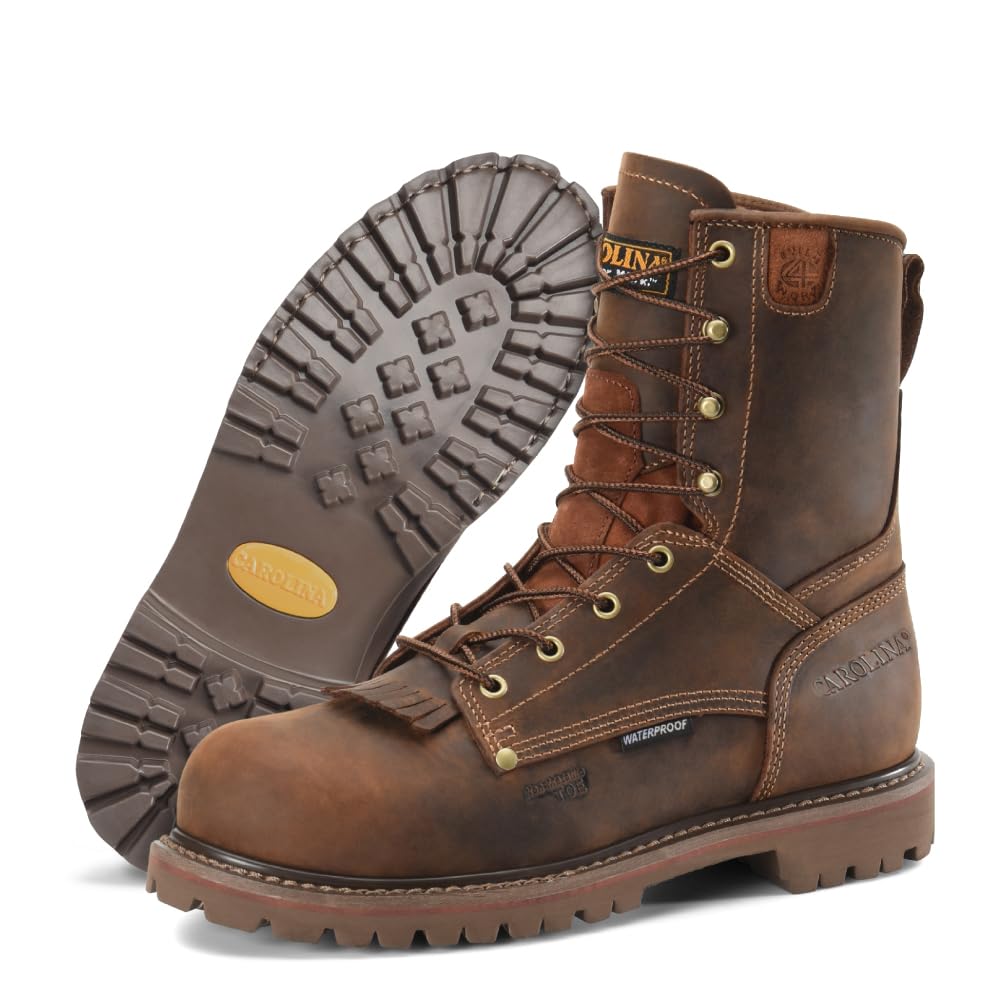


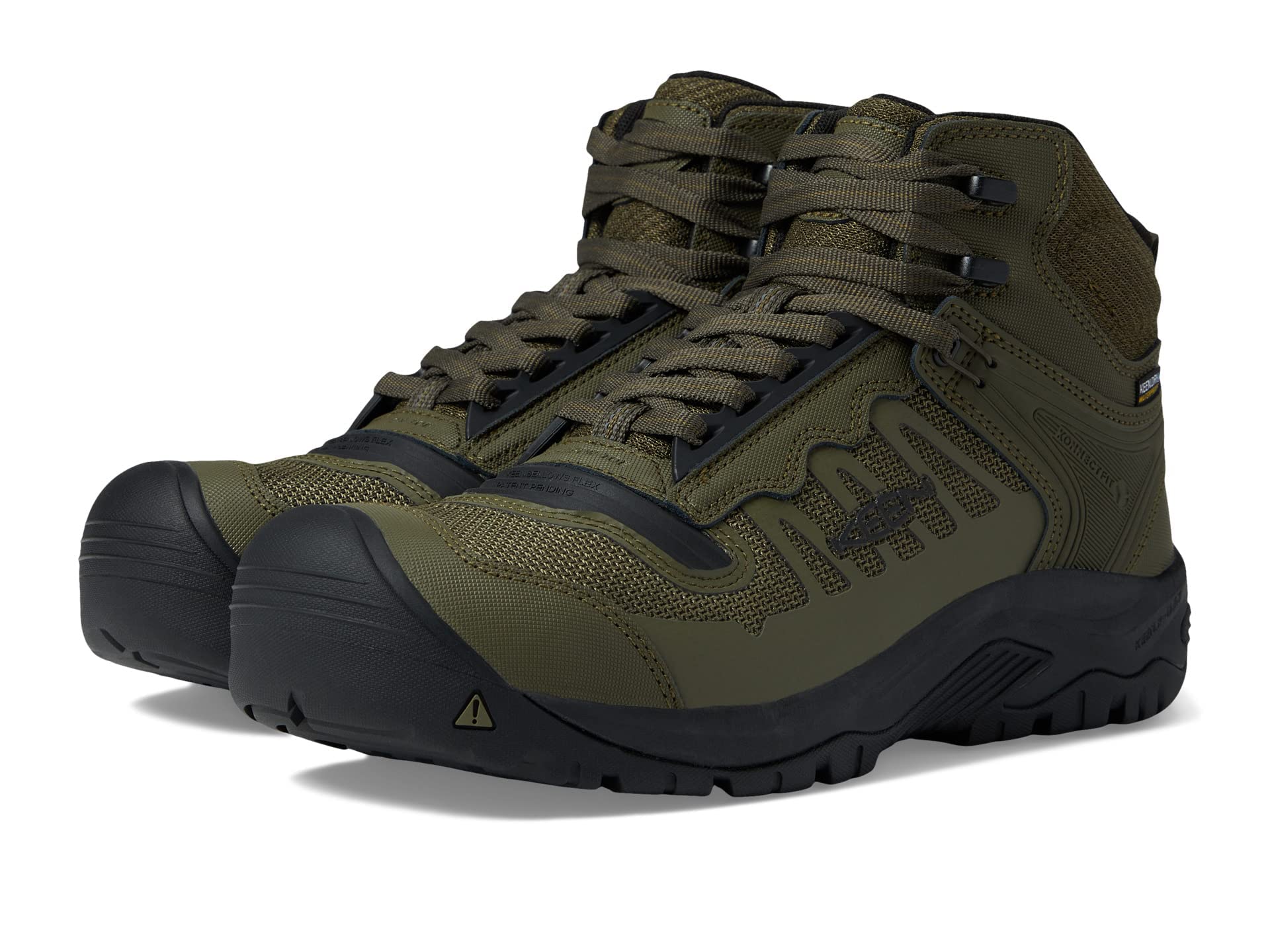

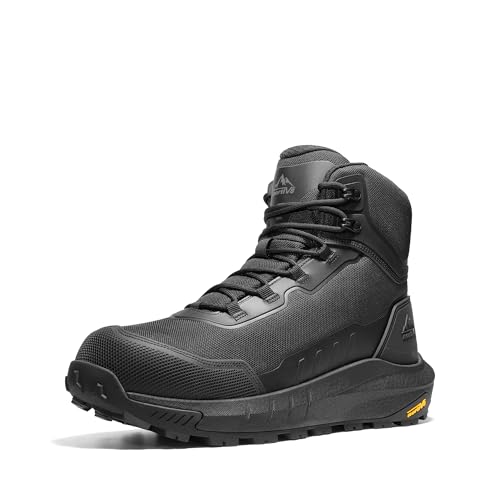
Types of Composite Toe Work Boots Compared
All four types below share the same basic idea: a rated protective cap in a non metal material. What changes is the upper, the insulation, and the sealing, and those choices decide comfort long before the toe cap is ever tested. Use the table for a fast overview, then read the type that sounds like your job.
| Type | Best For | Pros | Cons | Typical Price |
|---|---|---|---|---|
| Standard | General site and trade work | Tough leather uppers, balanced price | Heavier than lightweight pairs | About $80 to $130 |
| Lightweight | Long shifts on hard floors | Easier on legs, metal free build | Uppers scuff sooner | About $90 to $160 |
| Insulated | Cold stores and winter yards | Warmth without a metal cap chilling the toes | Too warm for summer work | About $110 to $200 |
| Waterproof | Wet ground and outdoor trades | Dry feet through a wet shift | Less breathable, slower to dry | About $100 to $180 |
Standard Composite Toe Boots: The All Round Workhorse
The standard type pairs a leather or heavy synthetic upper with a composite cap and a cushioned midsole, and it suits the widest range of site, trade, and maintenance work. Leather shrugs off scuffs and sparks better than light meshes, and a stitched or well bonded sole unit usually outlasts the cheaper builds. The cost is weight: a standard pair asks more of your legs over a long shift than the lightweight type below. Choose the standard type when your work mixes surfaces and you want one pair that copes with all of it.
Lightweight Composite Toe Boots for Long Days on Concrete
Lightweight pairs swap leather for engineered mesh and synthetic uppers and trim the sole unit, which can take a noticeable share of weight off each foot. That saving compounds across ten thousand steps on warehouse concrete or hospital corridors. The trade off is toughness: thin uppers scuff and tear sooner around welds, rebar, and pallet edges. Our separate comparison of best lightweight composite toe work boots walks through the build choices that matter when low weight is the priority.
Insulated Composite Toe Boots for Cold Stores and Winter Yards
Insulated types add a layer of thermal lining rated by weight, and they pair it with the one advantage composite has over steel in the cold: the cap does not conduct heat away from your toes, so the front of the foot stays closer to the temperature of the rest. That makes this type the default for cold stores, winter yards, and outdoor winter trades. See the range of best insulated composite toe work boots if cold is your main working condition. Remember that insulation is a one way choice: a boot warm enough for January is a sweaty burden in July.
Waterproof Composite Toe Boots for Wet Ground
Waterproof types seal the upper with a membrane and taped seams so puddles, wet grass, and wash down spray stay outside. They suit groundworkers, utility crews, farmers, and anyone whose shift crosses wet ground daily. The membrane also slows drying once water gets in over the top, and it makes the boot warmer in summer.
The current crop of best waterproof composite toe work boots shows how much sealing you get at each price. Whatever the label says, treat waterproof as water resistant over a long soaked shift.
Standard Leather Boots vs Lightweight Boots: Which Should You Choose?
These two types answer to different enemies. Standard leather fears nothing on a rough site: it takes knocks, shrugs off abrasion, and can be cleaned and fed back to life for years. Lightweight builds fear the clock instead: they protect your knees, hips, and energy across long distances on flat hard floors, where abrasion is low and step count is everything.
Choose standard leather if your day involves demolition, fabrication, landscaping, or any work where things fall, drag, and scrape. Choose lightweight if you walk miles indoors, climb in and out of a cab, or pass through security screening where a metal free build also speeds your day. Mixed work is the honest hard case: many workers keep the standard pair for site days and let the lightweight pair handle warehouse weeks.
How to Choose the Right Composite Toe Work Boot
Start with the rulebook, not the catalogue. Many employers and sites name the rating class your footwear must meet, and composite caps are tested to the same impact and compression classes as steel caps, so a compliant composite boot satisfies the same line in the policy. Treat any rating as a tested class rather than a promise: a cap spreads and absorbs a blow, it does not make a foot injury proof.
Two composite bonuses are worth knowing at this stage. The cap contains no metal, so it passes walk through detectors at secure sites, and many ranges are built fully metal free for the same reason.
Fit, Sizing, and Toe Box
Try boots on late in the day, in your work socks, when your feet are at their largest. Your toes should clear the cap entirely: the cap does not stretch or break in, so a toe that touches it today will ache every shift. Width matters as much as length, because a composite cap is often a little roomier than a steel one and narrow feet can swim in some lasts.
Sizing runs are not shared between the sexes, and lasts differ: ranges of best men's composite toe work boots are typically built broader, while best women's composite toe work boots use a narrower heel and a shorter cap position. Buy the range shaped for your foot rather than sizing up or down across ranges. Finally, the health line: pain or numbness that persists or worsens across shifts is a reason to see a clinician, not to buy a softer insole and carry on.
Durability and Expected Lifespan
Forget the mileage figures borrowed from running shoes. A work boot worn daily on concrete or site ground typically gives about twelve to twenty four months of service before the midsole feels dead, the tread smooths out, or the upper splits at the flex point. Rotating two pairs, covered in the tips below, stretches that life because the cushioning gets a day to recover. Judge a boot by the state of its sole and midsole, not by how tidy the leather still looks.
Upper Materials and Breathability
Full grain leather is the durable default: it resists scuffs, sheds light rain, and softens to your foot. Suede and nubuck look smarter but mark faster and need more care. Engineered mesh and knit uppers are the lightest and coolest, a real mercy in hot warehouses, but they offer the least resistance to abrasion and spills.
In hot work, breathability is a safety matter as much as a comfort one, because feet that stay wet soften and blister. Match the upper to the worst your shift throws at it, not the average.
Outsole Traction and Terrain
Look for deep lugs on site and yard boots, where mud and gravel need channels to clear, and a flatter, siped pattern for warehouses and workshops, where grip on smooth or oily floors matters more than bite. Oil and slip resistant compounds are rated classes worth matching to your floor: kitchen, garage, and plant room surfaces each defeat the wrong tread. A defined heel breast helps on ladders and uneven ground. Whatever the terrain, a worn smooth outsole is a fall waiting for a wet morning, so tread depth belongs on your replacement checklist.
Tips to Get the Most From Your Composite Toe Work Boots
Rotate two pairs if you work full weeks: a rest day lets the midsole rebound and the lining dry, and both pairs last longer than either would alone. Air dry wet boots at room temperature away from radiators and site heaters, which crack leather and weaken glues, and pull the insoles out to speed it up. Brush mud off before it dries into the stitching, feed leather uppers with conditioner when they start to look thirsty, and replace tired insoles before you blame the boot. Small habits like these are the difference between a pair that fades in a season and one that earns its price.
Composite Toe Work Boots: Your Questions Answered
How long is the break in period for composite toe work boots?
Most pairs settle within one to two weeks of regular shifts. The leather or mesh upper relaxes and the insole moulds to your foot during that time. One part never breaks in: the composite cap itself. If your toes touch the cap on day one, they will touch it on day one hundred, so treat cap contact as a sizing problem and exchange the pair rather than waiting it out.
Do composite toe work boots set off metal detectors?
The cap itself will not, because it contains no metal. The rest of the boot might: eyelets, hooks, and shanks are metal in some builds, and those small parts can trigger a sensitive gate. If you pass through screening every shift, check the product details for a fully metal free build, cap to sole, before you buy, or choose from the ranges made for secure sites.
How should composite toe work boots fit?
Snug at the heel and midfoot, with clear space in front of the toes and no contact with the cap. Do your fitting at the end of a shift or after a walk, when your feet are slightly swollen, and take your usual work socks and any insoles you use daily. A boot that fits in the morning shop test can feel a full size smaller by the last hour of a shift if you skip that step.
How often should composite toe work boots be replaced?
Replace them when the tread smooths, the midsole stops cushioning, or the upper splits, which for daily wear usually lands between one and two years. There is one faster trigger: any heavy impact or crush on the toe cap. A composite cap can be damaged inside without dramatic marks outside, so after a serious knock the safe move is a new pair, not a hopeful inspection.
Are expensive composite toe work boots worth it?
Sometimes. Higher prices buy lighter cap materials, better cushioned midsoles, tougher leather, and longer warranties, and those gains are real for full time wear. They do not buy a higher safety class: a compliant budget pair meets the same rating as a premium one. If you visit sites occasionally, a standard pair at a fair price is the sensible spend, and the savings cover your second pair for rotation.
Final Thoughts
Match the type to your ground first: standard for mixed rough work, lightweight for long indoor miles, insulated for the cold, waterproof for the wet. Then let fit, tread, and your employer rating rules close the decision. The product table above pulls the current options together, and the best composite toe work boots for you will be the type that fits your site so well you stop thinking about your feet by mid morning. Prices and availability can change, so check the product page before ordering.


