
Best Composite Work Boots in 2026: A Buyer Checklist
Disclosure: We may earn a commission when you buy through links on this page, at no extra cost to you. As an Amazon Associate I earn from qualifying purchases. Learn more

Run this buyer checklist before you buy the best composite work boots: safety ratings, site rules, fit, weight, traction, and what each price band gets you.
Composite toe work boots use a safety cap made from carbon fiber, fiberglass, or strong plastics instead of steel. Buyers choose them for lower weight and for workplaces where metal creates problems. This guide treats best composite work boots as a checklist decision: rating first, site rules second, then fit and daily comfort. The comparison table below lines up the boot classes this checklist covers.
A lighter cap is not automatically a better boot. The right pair passes your site inspection, matches your foot shape, and holds up on the surfaces you stand on. Work through the checks below in order and the field narrows quickly.
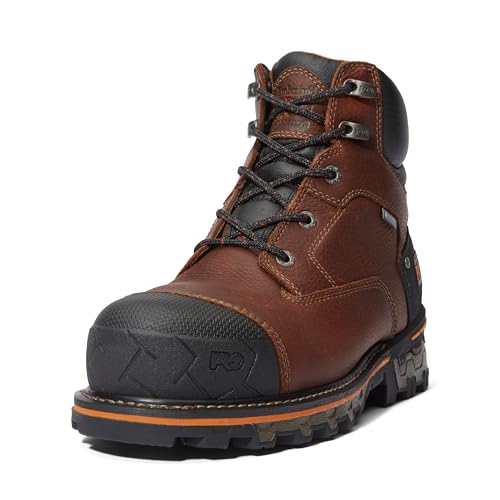


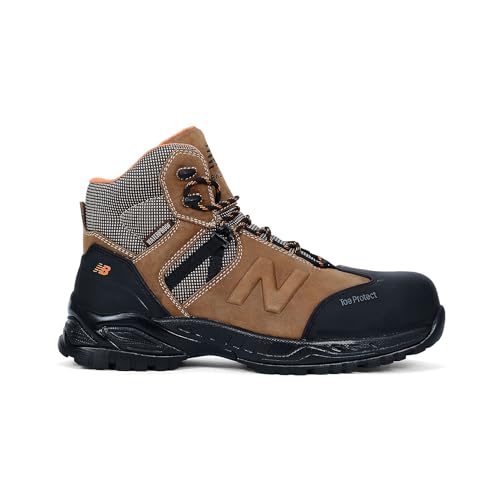
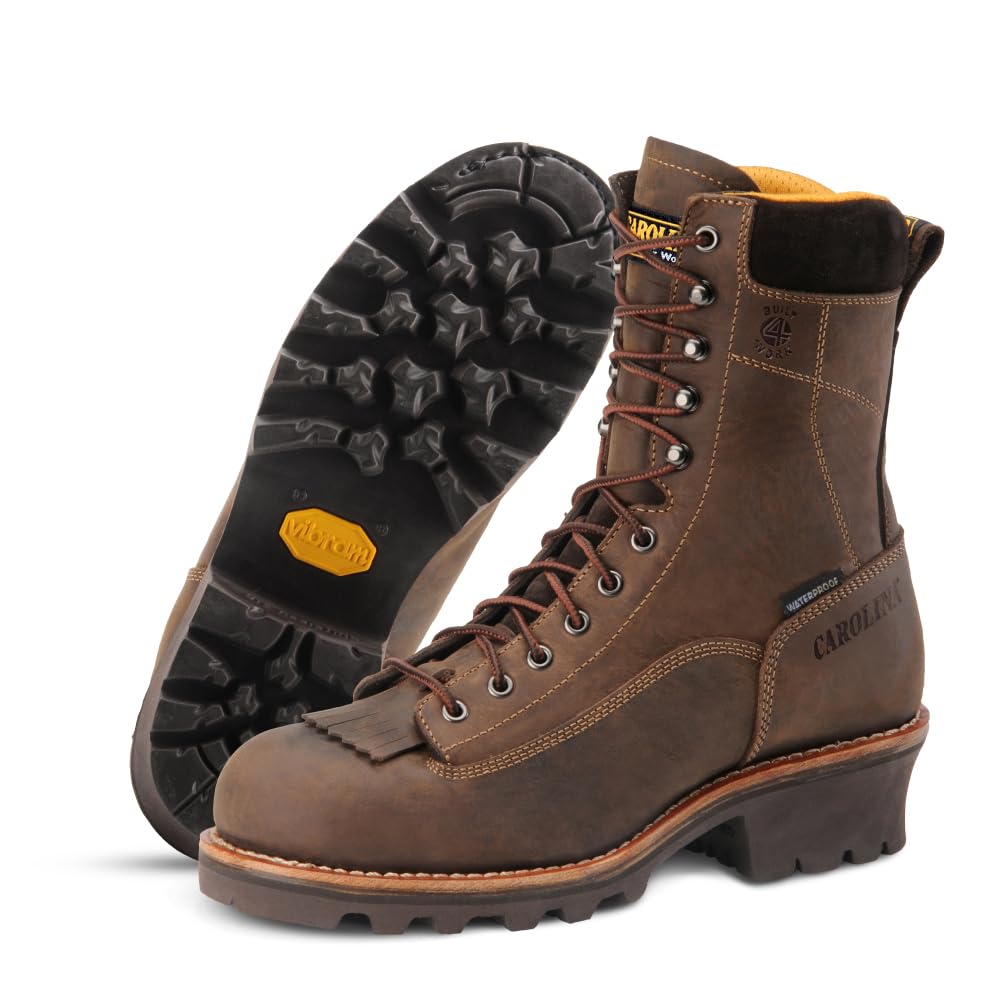
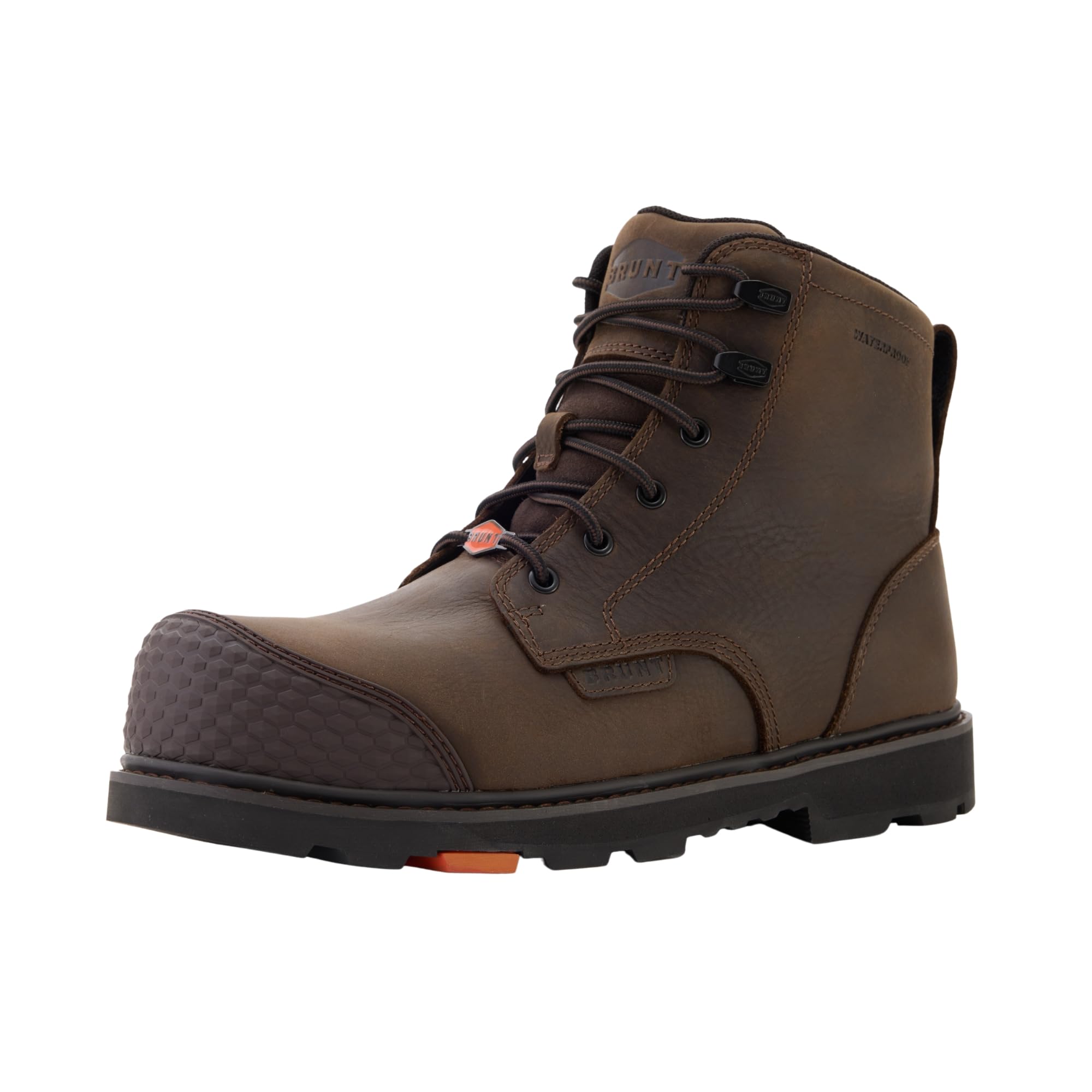

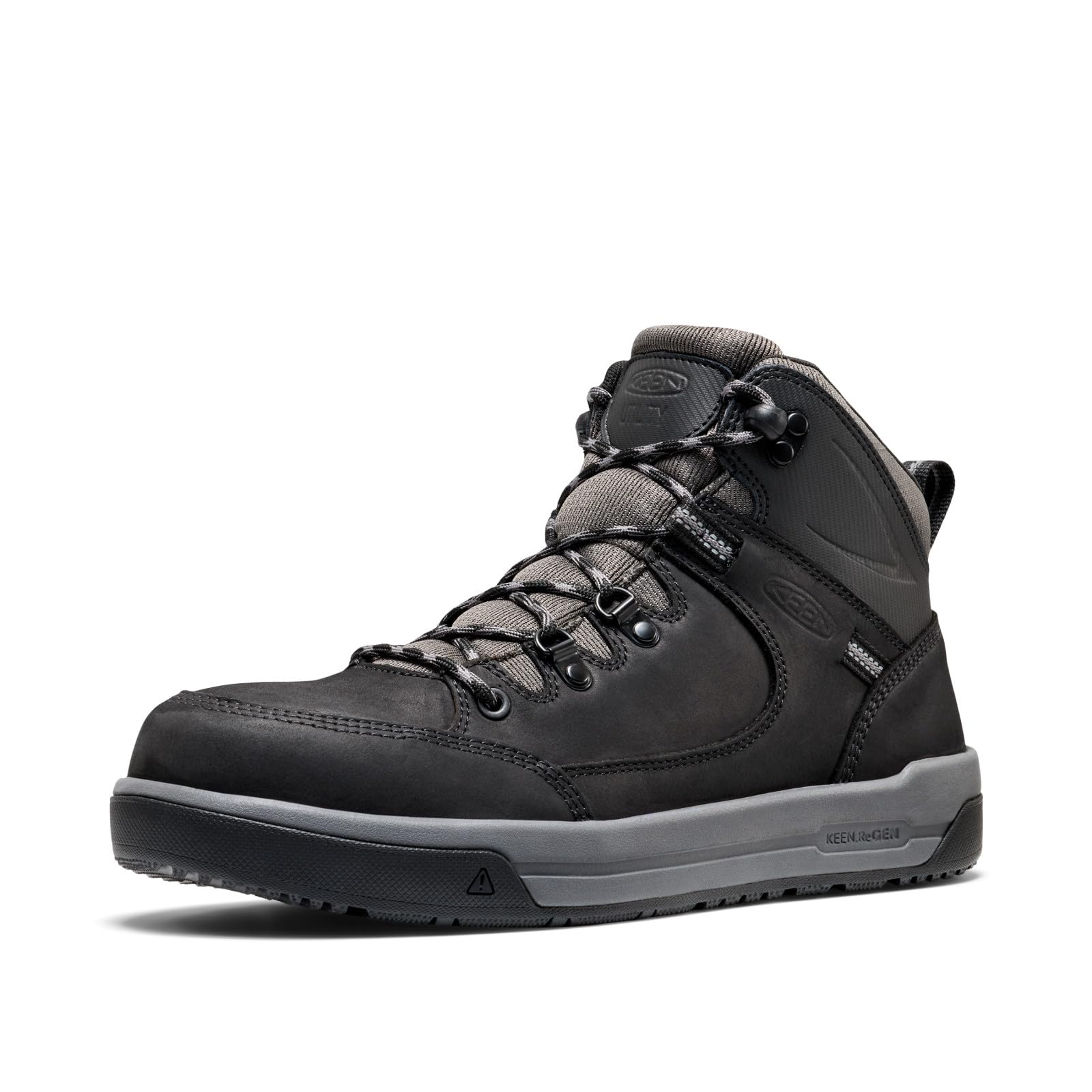
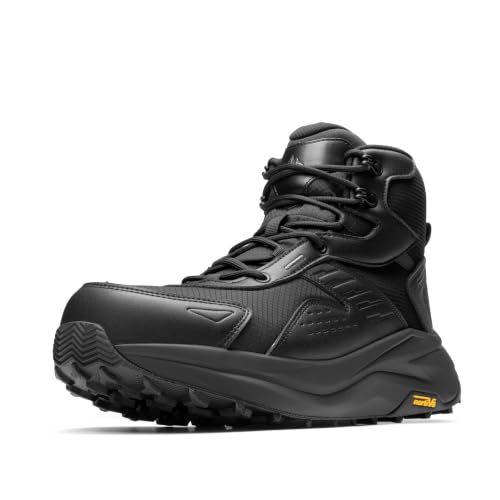
The Checklist: What to Check Before You Buy
Safety Rating First, Site Rules Second
The word composite names the toe cap material, not the level of protection. Protection comes from the safety rating, which certifies the cap passed set impact and compression tests under a recognized standard. Read that rating plainly: it covers an impact class and a compression class, and it never promises an uninjured foot, because no test can cover every load, angle, or dropped object a real site produces.
Your site rules come next, because the site rule class decides which toe class you may wear at all. Some employers require a specific rating, some restrict metal caps around sensitive equipment, and some accept any certified cap. If your work involves electrical hazards, check the electrical hazard rating line, as grouped in our guide to best composite toe work boots.
Fit, Sizing, and Toe Box
Measure your feet late in the day, at their largest, and try boots on with the socks you wear at work. A composite cap does not stretch or mold to your toes, so the space you feel on day one is the space you keep. Aim for a thumb width of room in front of your longest toe, a heel that stays seated, and no pressure over the toes when you crouch.
Width matters as much as length, since a squeezed forefoot aches long before the shift ends. Fit runs differ between lines, so shoppers comparing best men's composite toe work boots should try the exact width before ordering.
Weight and Flexibility
Weight is where the composite class earns its keep. At the same safety rating, a composite cap is lighter than a steel cap, and that saving repeats across thousands of steps a week. Check the weight of the pair, not a single boot: warehouse and delivery work rewards the lightest build, while heavy construction trades some weight for a stiffer shank and thicker sole.
Flex should follow your tasks. A boot that bends easily at the ball of the foot suits drivers and floor workers, while a rigid platform suits climbing and shovel work. If low weight is the priority, the guide to best lightweight composite toe work boots covers the lightest classes.
Break In Period and Comfort
Most composite work boots need a short break in period, but it should never be painful. Synthetic uppers settle within a few shifts, while full leather uppers can take a week or two to feel natural around the ankle. Cushioning should feel right from the first wear: a thick removable insole and a collar that does not dig in. Wear a new pair for shorter shifts first, and treat hot spots as a sizing warning.
Outsole Traction and Terrain
Traction comes from the rubber compound and lug pattern working together, matched to your ground. Deep lugs shed mud and grip gravel and soil, while flatter, finer tread grips smooth concrete, tile, and sealed warehouse floors. If you work around oil or chemicals, check the outsole is rated resistant to them, since the wrong compound softens and loses grip. A slip resistance rating on the label is worth more than tread photos, so match the pattern to your most common surface.
Arch Support and Foot Type
Stock insoles are usually flat and generic, which leaves arch support to chance. Flat feet roll inward and benefit from a firmer insole with a defined arch, while high arches need cushioning that fills the midfoot gap. If your feet ache by midday, plan on a work rated insert for your foot type, and confirm the boot has room for one. Persistent foot, knee, or back pain is a reason to see a clinician, not a reason to keep swapping boots.
Upper Materials and Breathability
Leather uppers resist abrasion and hold their shape, but they weigh more and dry slowly. Synthetic mesh panels cut weight and breathe well in hot indoor work, though they scuff faster. Many boots blend the two, with leather at the toe and heel and mesh at the sides.
A waterproof membrane keeps rain and puddles out, yet it slows drying when water gets in over the collar, so it suits wet outdoor sites more than dry ones. For cold storage yards and winter shifts, best insulated composite toe work boots add insulation classes worth comparing separately.
Durability and Expected Lifespan
Judge durability by construction: stitched or cemented sole attachment, a reinforced toe and heel, and deep outsole rubber. Most work boots give about one to two years of daily service before the cushioning packs out. Retire a pair if the toe cap is exposed, the sole separates, or the tread is worn flat.
What Each Price Band Buys You
Price bands here are wide, and they sit inside the broader market covered by our guide to best work boots. Here is what the money usually changes in composite models.
Budget Band: Certified Basics
At about $80 to $130, expect a certified composite cap, a synthetic or split leather upper, and basic cushioning. These boots pass the same rating tests as pricier pairs, but they run heavier, breathe less, and wear out sooner. They suit new hires, occasional site visits, and buyers who replace boots often.
Midrange Band: The Working Middle
At about $130 to $200, you gain lighter caps, better midsoles, more full grain leather, and stronger outsoles with clearer slip ratings. Fit ranges widen too, with more true wide sizes. For most full time wearers, this band balances comfort, weight, and service life best per dollar.
Premium Band: Built for Long Service
At about $200 to $300, the gains are lighter weight, better waterproofing, stronger sole bonding, and longer warranties. This band pays off for workers on their feet ten or more hours a day.
Quick Buyer Checklist
- Does the printed rating match the class your site requires?
- Do your site rules allow composite caps, or name a required toe class?
- Did you try the boots late in the day, wearing your work socks?
- Is there a thumb width of space in front of your longest toe?
- Does the outsole pattern match your main surface?
- Can the insole come out to fit a support insert?
- Does the return window cover a real trial at work?
Red Flags to Watch For
- No safety standard named on the product page or the boot itself.
- Vague wording like protective toe or steel like strength, with no test class behind it.
- A price far below the budget band with premium claims.
- No warranty information and no stated return period.
- Reviews that praise fashion looks but never mention site use or ratings.
Tips to Get the Most From Your Composite Work Boots
Rotate two pairs if you wear boots daily, so each pair gets a full day to dry and recover. Air dry wet boots away from direct heat, since heat cracks leather and weakens sole bonds. Brush mud from the lugs, condition leather when it looks dry, and replace worn insoles before blaming the boot for foot fatigue. Keep your size and width written down, so reordering is easy.
Composite Work Boots: Your Questions Answered
How should composite work boots fit?
Composite work boots should fit snug at the heel and midfoot, with clear space in front of the toes. One detail buyers miss is that cap shape changes fit: a composite cap is often rounder and taller than a steel cap of the same size, so a size that felt right in steel can feel different here. If your toes touch the cap downhill or when you crouch, go up a half size or a width instead of expecting the boot to stretch.
How long is the break in period for composite work boots?
Most composite work boots break in within about one to two weeks of regular wear. Synthetic uppers settle fastest, often within a few shifts, while stiff leather takes longer around the ankle. Wear the new pair for half shifts during the first week and keep your old pair as backup. Sharp pain, numb toes, or returning blisters are fit problems, not break in stages, so exchange the pair while the return window is open.
How often should I replace composite work boots?
Replace composite work boots when the cushioning feels dead, the tread is worn smooth, or the upper cracks through, often every one to two years of daily wear. There is one faster trigger: after any heavy impact on the toe, retire the pair even if it looks undamaged. Composite can crack inside the cap without visible signs, and a cap that has absorbed one major hit should not be trusted with a second.
Are expensive composite work boots worth it?
Expensive composite work boots are worth it when you wear them all week, because the premium band buys lighter weight and cushioning that lasts longer. Judge by cost per month: a pair at about $240 worn for eighteen months costs less per month than a pair at about $110 replaced after eight. If you visit sites only a few days a month, the lower bands give the same certified protection for less.
Can I wear composite work boots all day?
Yes, composite work boots are built for full shifts, and their lower weight helps over long days on concrete. All day comfort comes from correct fit, an insole matched to your arch, and socks cushioned at the heel and ball of the foot. Rotating pairs helps too, since alternating boots lets each midsole recover instead of packing flat within months.
The Bottom Line
Start with the rating and your site rules, since no comfort feature matters if the boot is not allowed on your floor. Then fit the pair with your work socks, match the outsole to your surface, and pick the band that fits your hours. Judged that way, best composite work boots are the pairs that pass every check without a trade you feel by midday. Compare your shortlist against the product table above before you order.


