
Best Composite Work Shoes 2026: Light Safety Footwear Guide
Disclosure: We may earn a commission when you buy through links on this page, at no extra cost to you. As an Amazon Associate I earn from qualifying purchases. Learn more

Stay protected without heavy steel with this guide to composite work shoes, covering toe caps, comfort, grip, and workplace standards for safety.
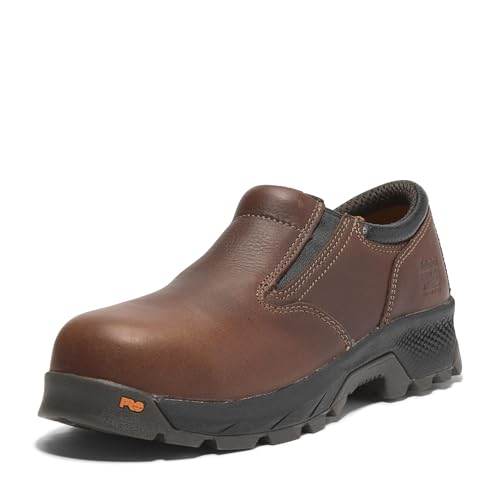
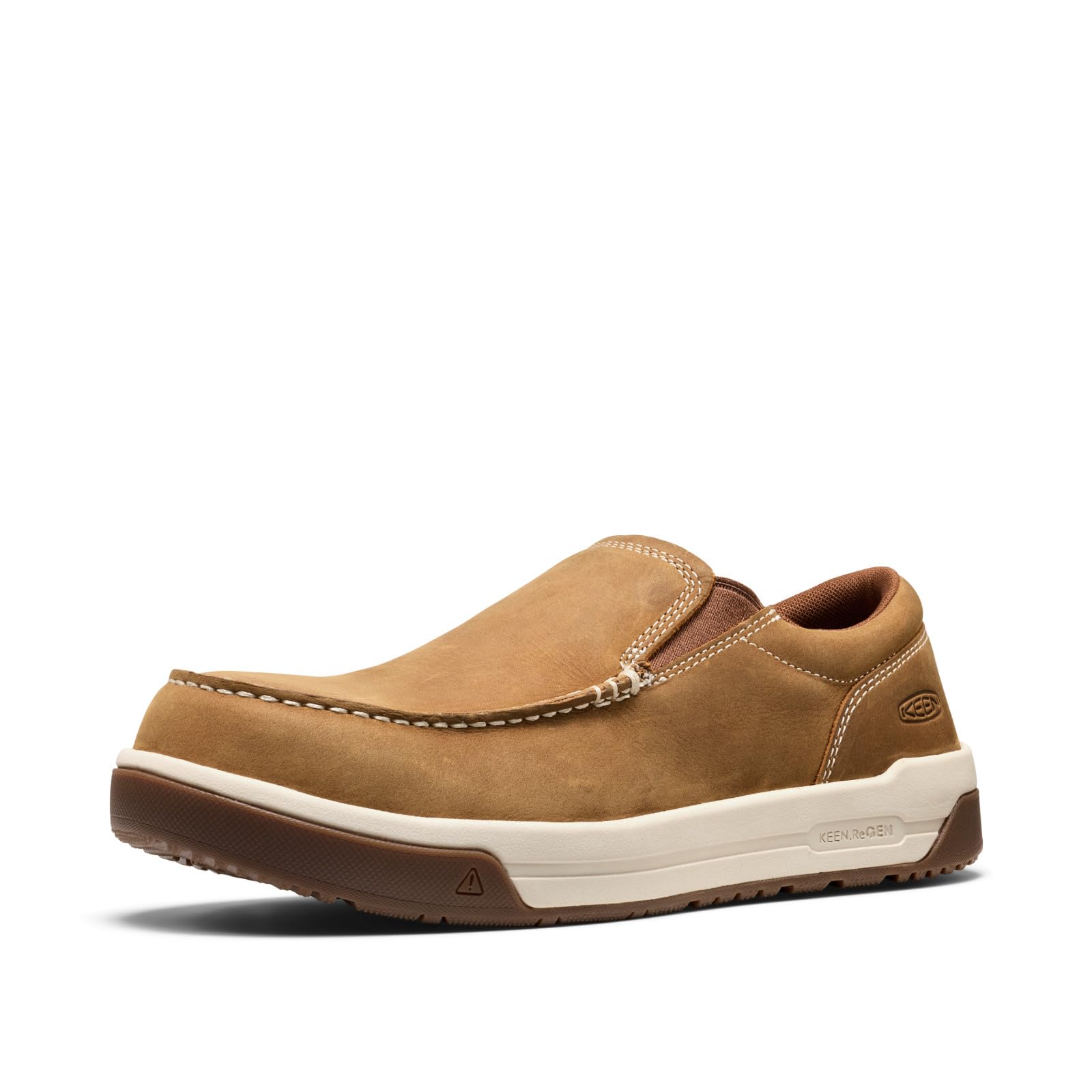
Steel toe shoes protect feet but weigh them down, and the best composite work shoes use non metal toe caps to give protection with less weight and no metal detector problems. The comparison table below compares toe cap types, comfort features, and sole designs. A good composite shoe meets your workplace safety standard, stays comfortable through a full shift, and grips the floors you actually work on.
Composite toe caps use fibres, plastics, and resins layered for impact and compression resistance. They insulate better than steel in cold and heat, and they do not conduct electricity. This guide explains safety standards, fit, and comfort trade offs, so you can choose protection that you will actually wear all day.




Who Should Buy Composite Work Shoes
Composite work shoes suit warehouse staff, builders, electricians, airport workers, and anyone who passes through metal detectors. They also help workers who need toe protection without the cold feel of steel in winter. Jobs with extreme crush risks still need the specific standard your site requires, so check the rating first. If comfort and detector friendly design matter, composite is worth comparing.
Key Features Worth Comparing
Toe Cap Protection and Standards
Toe caps must meet the safety standard your workplace specifies, usually shown as an impact and compression rating. Check the label inside the shoe and match it to your site requirements, not just to a general safety claim. Composite caps protect well but can be bulkier than steel in the toe box. Never assume a shoe is compliant without checking the stated standard.
Weight and All Day Comfort
Composite caps weigh less than steel, which reduces leg fatigue over a long shift. Cushioning, arch support, and breathability still decide comfort, so compare the whole shoe, not just the cap material. A contoured footbed and a padded collar help on long days. Try both feet on after a shift, when feet are slightly swollen, for a realistic fit.
Grip for Your Work Floors
Soles must grip the surfaces you actually walk on, whether concrete, tile, gravel, or wet metal. Deep tread suits outdoor and dirty floors, while flatter slip resistant soles suit indoor smooth floors. Check oil and chemical resistance if your site involves spills. Replace shoes when tread wears smooth, since worn grip fails quietly.
Electrical and Temperature Behaviour
Composite caps do not conduct electricity, which helps electricians and workers near live equipment, though the whole shoe rating still matters. Composite also insulates better than steel against cold and heat transfer. Check whether the shoe carries an electrical hazard rating if your job needs it. Do not rely on cap material alone for electrical safety.
Fit Checks for Safety Shoes
Safety shoes must fit well to protect properly, since a loose shoe shifts the toe cap out of position. The toes should have room without pressing the cap, and the heel should stay seated when walking. Wear your work socks for fitting, and walk, crouch, and climb during a trial. If the cap presses any toe, try a wider fit or a different last shape.
Care and Replacement Schedule
Clean safety shoes regularly and inspect toe caps, soles, and stitching for damage. Replace shoes after a significant impact, even if damage is not visible, since protection may be reduced. Check soles monthly for wear and separation. Keep a spare pair if your job depends on compliant footwear every shift.
Living With Your Choice
Composite safety shoes work best when they fit well and stay in good repair. Rotate pairs when possible to let foam recover and moisture dry. Use supportive insoles if the factory footbed feels flat, and check fit again after a few weeks. If foot pain, numbness, or blistering appears, review fit and talk with a clinician or podiatrist, since ongoing pressure can cause lasting problems.
Inspect the toe cap area for cracks or deformation after any dropped object incident, and retire the pair if damage is suspected. Safety ratings assume an undamaged cap.
Related Guides Worth Reading
Toe cap specifics appear in best composite toe work shoes. Lightweight options are in best lightweight composite toe work shoes. Women specific fits are in best women's composite toe work shoes, men in best men's composite toe work shoes, and general work shoes in best work shoes.
A Final Check Before You Order
Before ordering, check the safety standard label your workplace requires and match it exactly, not just a general safety claim. Compare full shoe weight, since heavy soles can erase the composite weight advantage. Try shoes with your actual work socks and walk, crouch, and climb during a trial. Check toe box room, since composite caps can feel bulkier than steel.
Confirm grip suitability for your floors, whether concrete, tile, gravel, or wet metal. Check oil and chemical resistance if spills occur at your site. Ask whether the shoe carries an electrical hazard rating when your job needs it. A shoe that meets the wrong standard, however comfortable, does not protect you properly.
Seasonal Notes and Long Term Use
For winter outdoor work, pair composite shoes with insulated, moisture wicking socks and check water resistance regularly. Composite caps feel less cold than steel, but wet feet still lose heat fast through soaked uppers. Dry shoes fully between shifts and rotate pairs when possible. Cold comfort depends on the whole shoe system, not the cap material alone.
For warehouse work with concrete floors, add a supportive insole if the factory footbed feels flat after a few weeks. Concrete punishes feet and knees over long shifts, so cushioning and arch support matter as much as toe protection. Stretch calves and feet during breaks. Persistent pain deserves a fit review and clinician advice rather than tougher insoles alone.
For sites with chemical exposure, check sole and upper resistance against the substances used on site. Rinse splashes promptly and inspect stitching and soles for degradation. Replace shoes sooner when chemicals attack materials, even if the shoe looks intact. Safety ratings assume materials in good condition, not chemically weakened ones.
Frequently Asked Questions
Are composite toe caps as safe as steel?
Composite toe caps meet the same impact and compression standards as steel when rated to the same level. They protect well against falling objects and compression in rated tests. Composite caps can be slightly bulkier and may need replacement after a major impact. Always check the stated standard for your workplace rather than assuming any safety shoe qualifies.
Do composite shoes set off metal detectors?
Composite toe caps contain no metal, so they usually pass through metal detectors without triggering an alarm. Other metal parts such as eyelets or shanks can still trigger detectors, so check the full shoe design. Airport and secure site workers should confirm the shoe is fully non metallic when that matters for daily passage.
Are composite work shoes lighter than steel?
Composite work shoes are usually lighter than comparable steel toe shoes, which reduces fatigue over long shifts. The weight saving varies by design and sole type. Compare the full shoe weight, not just the cap material, since heavy soles can erase the advantage. Lighter shoes help most for workers who walk long distances daily.
Can composite shoes handle cold weather?
Composite caps insulate better than steel, so they feel less cold in winter and less hot in summer. The upper and lining still decide overall warmth, so choose insulated styles for outdoor winter work. Water resistance also matters in wet cold conditions. Pair the shoe with warm, moisture wicking socks for the best result.
When should I replace composite work shoes?
Replace composite work shoes after a significant impact, when the sole wears smooth, or when stitching and uppers fail. Even without visible damage, a major impact can reduce cap protection. Inspect shoes monthly and follow your site replacement policy. A worn safety shoe that looks fine may no longer protect as rated.
Final Thoughts
Light, detector friendly protection starts with the right standard, a good fit, and soles that grip your floors. Compare toe cap ratings, weight, comfort, and grip using the product table above. Check the label against your site requirements, try shoes with work socks, and replace them after damage or wear. With the right pair, the best composite work shoes can protect your feet without weighing down your day, and a clinician or podiatrist can help if foot pain persists.


