
Best Comfortable Steel Toe Boots for 2026 Work Days
Disclosure: We may earn a commission when you buy through links on this page, at no extra cost to you. As an Amazon Associate I earn from qualifying purchases. Learn more

Learn how to choose comfortable steel toe boots that fit well for long shifts, what comfort features matter most, and how spending levels change what you get.
Shopping for best comfortable steel toe boots can feel confusing because comfort depends on far more than soft padding. A boot that feels good for ten minutes in a store can still pinch, rub, or tire your feet after a full shift on concrete, gravel, or a warehouse floor. This guide explains how fit, cushioning, weight, and toe room work together, so you can compare options with confidence and use the comparison table below to narrow your short list.
You will learn what each spending level usually delivers, which features are worth paying for, and which extras add little value for everyday work. The goal is a boot that supports your feet, stays stable under load, and still feels reasonable at the end of the day. Keep your job requirements in mind as you read, since employer rules, site rules, and maker guidance should always come first.
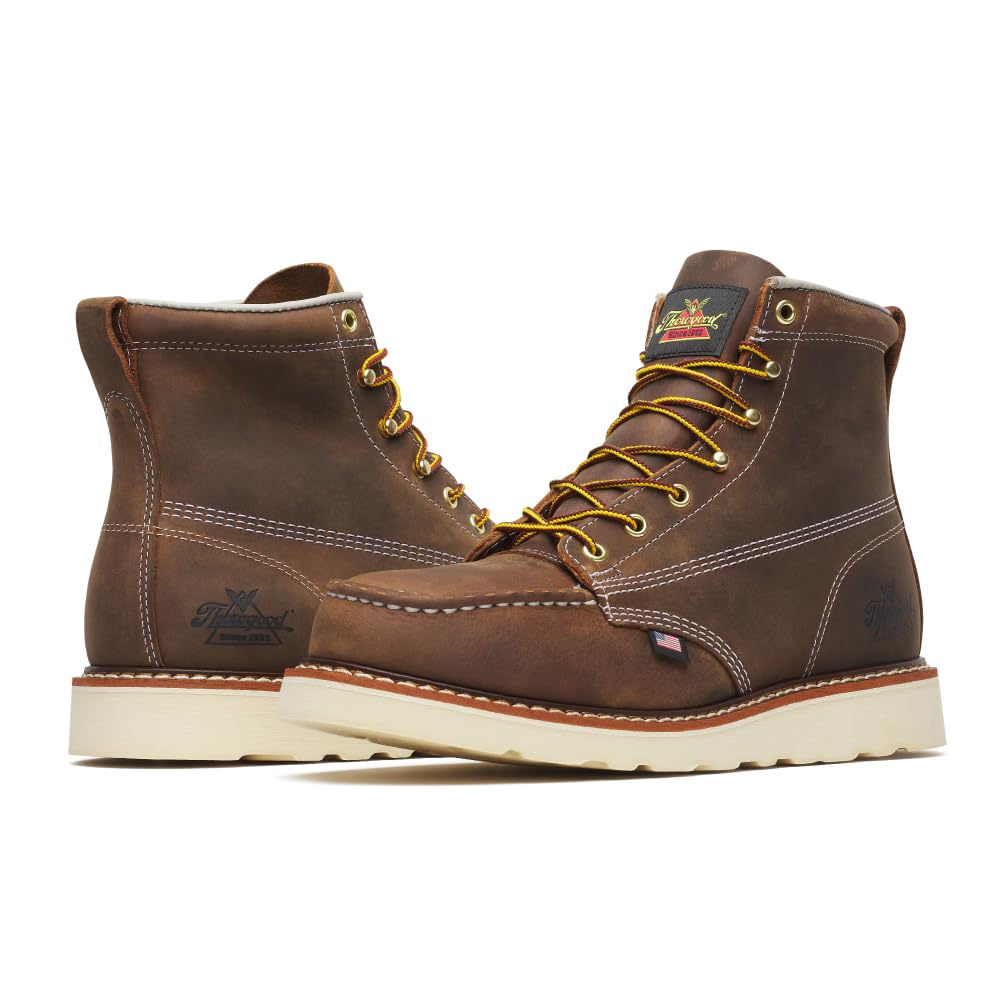


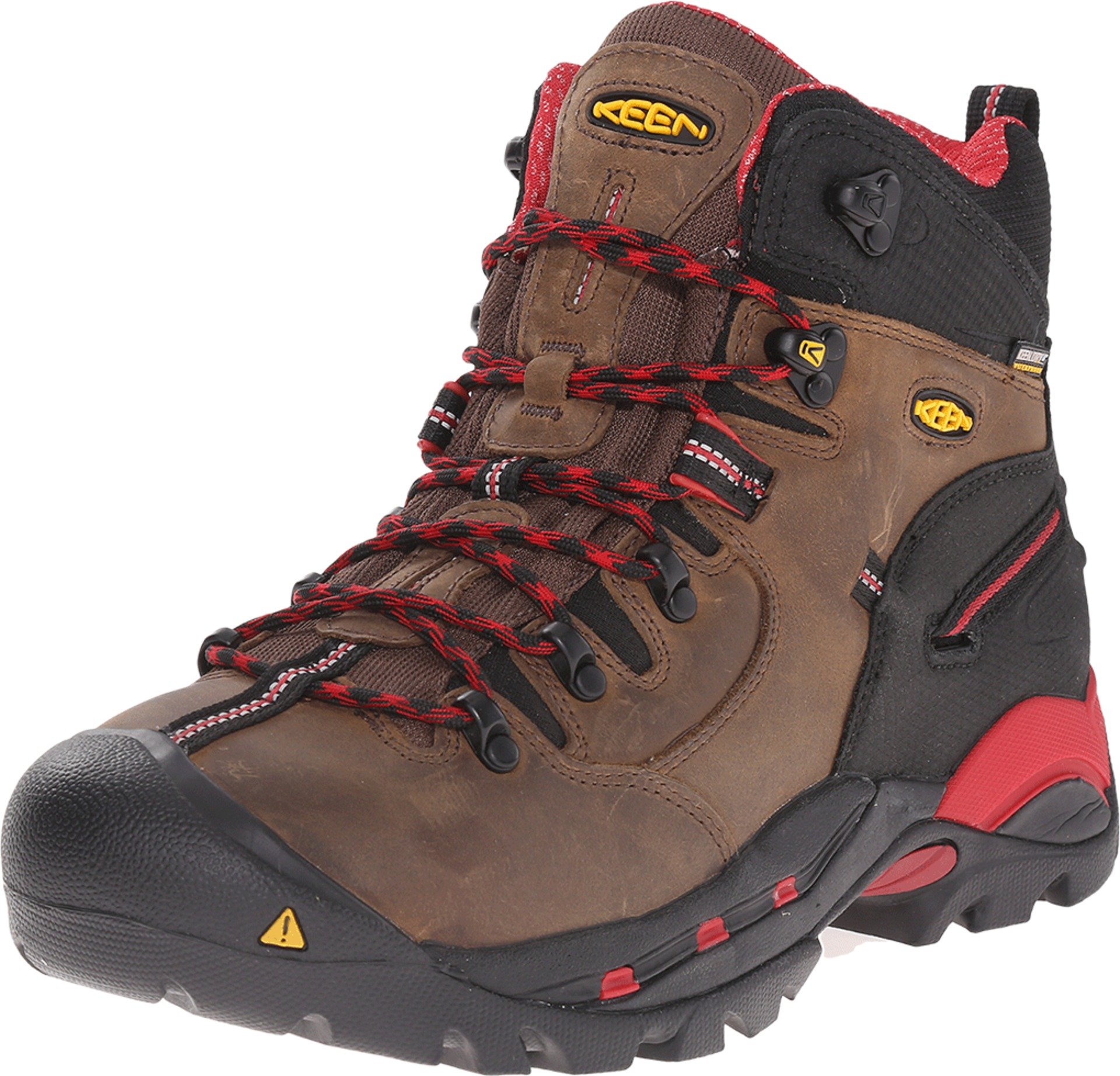

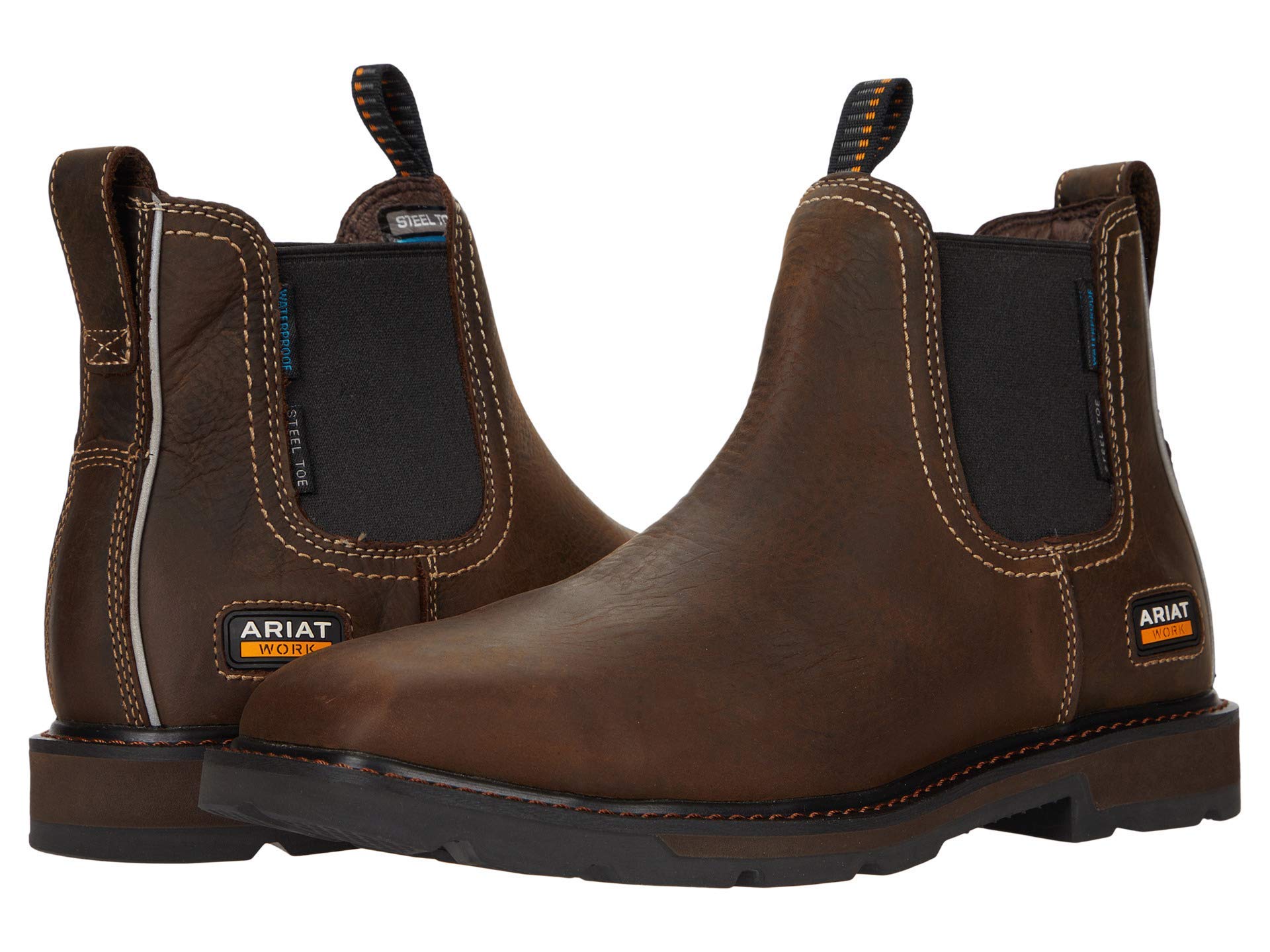

What Comfort Means in a Steel Toe Boot
Comfort in a steel toe boot is not one feature. It is the result of several parts working together: a roomy toe box, a stable midsole, cushioning that does not collapse quickly, and an upper that flexes with your stride. A steel cap protects the toes, but it also adds weight and stiffness, so the rest of the boot must balance that extra mass. When the balance is wrong, the boot can feel heavy, clumsy, or tight across the forefoot.
Fit matters more than any single material claim. Measure both feet in the afternoon, when feet are slightly larger, and try boots with the socks you wear at work. Your toes should have room to spread without touching the cap, and your heel should stay seated when you walk uphill or climb steps. A boot that slips at the heel will cause blisters, while a boot that squeezes the forefoot will cause soreness that builds through the shift.
Spending Levels and What They Change
Price alone does not guarantee comfort, but spending levels tend to change the quality of cushioning, the durability of the upper, and the refinement of the fit. Lower cost boots often use simpler foam and heavier materials. They can still work well for shorter shifts or lighter duties, especially if the fit is right.
Lower Cost Comfort Choices
Lower cost options suit buyers who need basic toe protection for shorter shifts or occasional site visits. Expect a heavier feel, a firmer break in period, and simpler cushioning. Focus on fit first: a roomy toe box, a secure heel, and a sole that grips your usual surface. Check whether the insole can be replaced, since a better insole can improve an otherwise plain boot.
About $90 to $150 is a common range for this level, though prices vary by material and construction.
Middle Cost Comfort Choices
Middle cost options are a sensible starting point for full time workers who spend most of the day on their feet. You often get lighter midsoles, better arch support, and uppers that flex sooner. Water resistance and electrical hazard ratings may also appear at this level, depending on the design. Look for a removable insole, a stable heel counter, and a toe box that matches your foot shape rather than a generic shape.
About $150 to $250 is a common range here.
Higher Cost Comfort Choices
Higher cost options suit workers who need comfort across long shifts, rough ground, or harsh weather. You may get premium leather, advanced cushioning that holds its shape longer, and more width and size choices. Sealed seams, better linings, and stronger stitching can also extend useful life. The extra cost makes most sense when you wear the boots daily and when poor fit has caused pain in the past.
About $250 to $400 is a common range, though some designs cost more.
Features Worth Paying For and Ones to Skip
Some features improve comfort every day, while others sound useful but add little for most workers. Use this section to sort the two groups before you spend. Always check employer and site rules first, since a required toe protection rating, sole type, or height may narrow your choices before comfort features even enter the picture.
Cushioning and Support
Good cushioning absorbs impact without feeling soft and unstable. Look for a midsole that rebounds after each step and an insole that supports the arch without pushing the foot forward into the cap. Thick foam alone is not enough, since foam that collapses quickly can leave the foot unsupported by midday. A stable heel and a firm shank help the foot track straight, which reduces fatigue on long walks and stair climbs.
Arch Support and Foot Type
Flat feet, high arches, and overpronation change what feels comfortable. Flat feet often need a firmer arch area and a stable heel, while high arches often need more cushioning under the midfoot. Overpronation, where the foot rolls inward, calls for a boot that resists that roll rather than a soft boot that lets it happen. A removable insole is valuable here, since it lets you use a custom or aftermarket insole that matches your foot shape.
Fit, Sizing, and Toe Box
Measure both feet in the afternoon and choose the size that fits the larger foot. A wide toe box helps toes spread naturally, which matters even more when a steel cap limits space. Try the boots with work socks, walk on a hard floor, and climb a step or two before deciding. If the cap presses on any toe when you walk downhill, try a wider fit or a different last shape rather than hoping the boot will stretch.
Leather may soften slightly, but a steel cap will not change shape.
Waterproofing and Breathability
Waterproof membranes keep water out, but they also reduce airflow. They make sense for wet sites, mud, and outdoor work in rain or snow. For dry indoor work or hot weather, a breathable upper may feel cooler and reduce sweat. Some designs balance the two with a membrane plus mesh panels or moisture wicking linings.
Decide based on how often your feet actually get wet, not on a worst case day that rarely happens.
Weight and Flexibility
Steel toe boots are heavier than soft toe boots, so every gram saved in the midsole, upper, and sole helps over a long shift. Lighter boots reduce leg fatigue, but very light boots can feel less stable on rough ground. Flexibility matters too: a boot that bends naturally at the forefoot walks more easily than a stiff boot that fights each step. Look for a balance, with enough stiffness for support and enough flex for a natural stride.
Long Term Costs to Factor In
The purchase price is only part of the total cost. Insoles wear out faster than boots, so budget for replacements if you use removable insoles. Laces, waterproofing treatments, and cleaning supplies also add small ongoing costs. A boot with a resoleable design or a replaceable insole can last longer, while a boot with glued on parts may need full replacement sooner.
Check the warranty terms for the upper, sole, and stitching, and keep the receipt in case a defect appears early.
Common Mistakes to Avoid
- Buying the same size as your running shoes without measuring, since work boot sizing and toe caps change the fit.
- Choosing a narrow toe box for a wide foot, which pushes toes against the cap and causes soreness.
- Judging comfort only while standing still, instead of walking, climbing steps, and crouching as you would at work.
- Ignoring employer and site rules, then discovering the boots do not meet the required protection rating.
- Assuming waterproof always means better, even for dry indoor work where breathability matters more.
- Skipping a break in plan, then wearing new boots for a full double shift on the first day.
Care That Keeps Comfort Longer
Clean mud and dust from the upper and outsole after dirty shifts, since buildup can stiffen leather and clog lugs. Let wet boots air dry away from direct heat, which can crack leather and warp insoles. Rotate two pairs if you can, since a rest day lets foam recover and moisture escape. Replace worn insoles promptly, since a flattened insole changes arch support and can push the foot forward into the cap.
Comfort guidance here is general fit and comfort information only, not medical advice, and it does not guarantee protection. If you have reduced feeling, circulation problems, or pain that persists or worsens, talk with a clinician, and check employer, maker, and local rules for your site.
Frequently Asked Questions
Are expensive comfortable steel toe boots worth it?
Expensive comfortable steel toe boots are worth it when you wear them daily and when cheaper boots have caused soreness, blisters, or fatigue. Higher cost designs often add lighter midsoles, better insoles, and more width choices that hold up across long shifts. They are less useful for short or occasional wear, where a well fitting lower cost boot can serve just as well. Focus first on fit, toe room, and your site requirements, then let price follow those needs.
How long is the break in period for comfortable steel toe boots?
The break in period for comfortable steel toe boots is usually a few days to two weeks of gradually longer wear. Leather uppers soften with use, while cushioning settles into your stride. Wear new boots for short periods at first, then build up to a full shift, and stop if sharp pain, numbness, or blistering appears. A boot that presses hard on a toe on day one is unlikely to become comfortable, since the steel cap itself does not stretch.
How should comfortable steel toe boots fit?
Comfortable steel toe boots should fit with room for your toes to spread, a heel that stays seated, and no pressure from the cap when you walk downhill. Measure both feet in the afternoon, try boots with work socks, and walk on a hard surface before deciding. Your longest toe should not touch the cap, and the widest part of your foot should sit in the widest part of the boot. If one foot is larger, fit the larger foot and adjust lacing on the other side.
Can I wear comfortable steel toe boots all day?
You can wear comfortable steel toe boots all day when the fit is right, the weight suits your duties, and the boots meet your site rules. Take short breaks to sit when possible, change socks if they become damp, and replace flattened insoles before they change your gait. If pain, numbness, swelling, or weakness appears or worsens, stop and seek clinician advice rather than pushing through a full shift. A boot that hurts all day is a fit problem, not a toughness test.
How often should I replace my comfortable steel toe boots?
You should replace comfortable steel toe boots when cushioning collapses, lugs wear smooth, seams split, or the cap area shows damage. For daily wear, many workers replace boots every 12 to 18 months, though heavy use on rough ground can shorten that span. Check the sole, stitching, and insole monthly, and retire boots sooner if support fades or protection is in doubt. Keeping a spare pair makes it easier to replace worn boots before they become a problem.
Final Thoughts
The best choice balances three things: a fit that leaves toe room without heel slip, cushioning that stays supportive through the shift, and a design that meets your employer and site rules. Use the product table above to compare spending levels, then check fit with work socks and real walking before you commit. If you need a narrower comparison, see our guide to best steel toe boots for men and our guide to best women's steel toe boots, since last shapes and width options can differ. When you find best comfortable steel toe boots that fit well and meet your protection needs, break them in gradually and replace worn insoles on time, so comfort lasts across many shifts.


