
Best Boots for Concrete: A First Time Buyer's Guide for 2026
Disclosure: We may earn a commission when you buy through links on this page, at no extra cost to you. As an Amazon Associate I earn from qualifying purchases. Learn more

Choosing the best boots for concrete comes down to cushioning, fit, toe room, grip, and support. Here is how to pick a pair for hard floors.
Shopping for the best boots for concrete for the first time can feel harder than it should. Concrete looks simple, but it is hard, dusty, and unforgiving underfoot, and a pair that feels fine for an hour can feel very different after a full shift. This guide walks you from basic terms to a confident choice, with the product table to help you compare the main types side by side.
The goal is not to find one perfect pair for every worker. The goal is to match cushioning, fit, grip, and support to the way you actually spend your day, whether you stand in one place, walk a large slab, climb in and out of a truck, or move between indoor and outdoor pours. Keep comfort, safety rules for your site, and the shape of your feet in mind as you read.
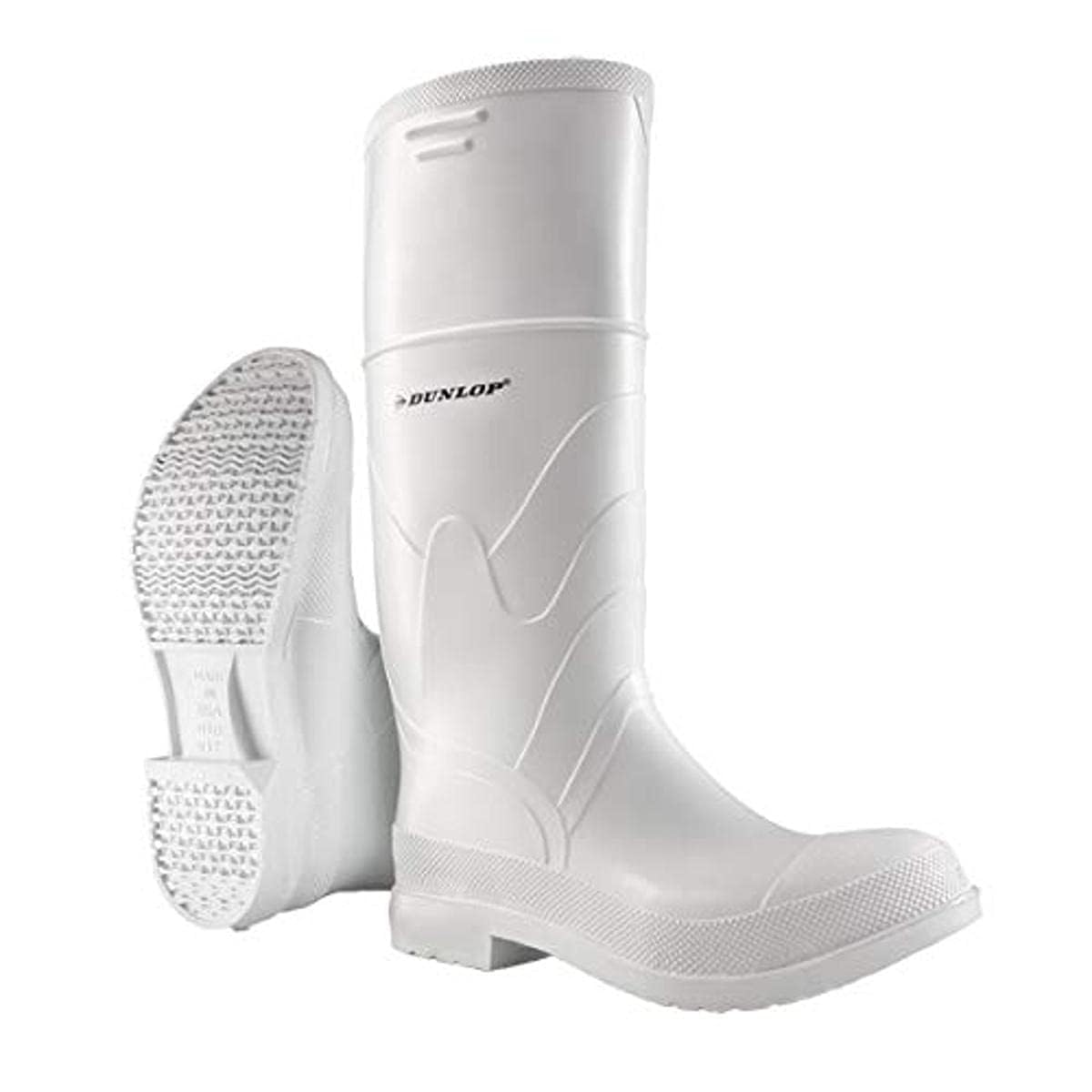


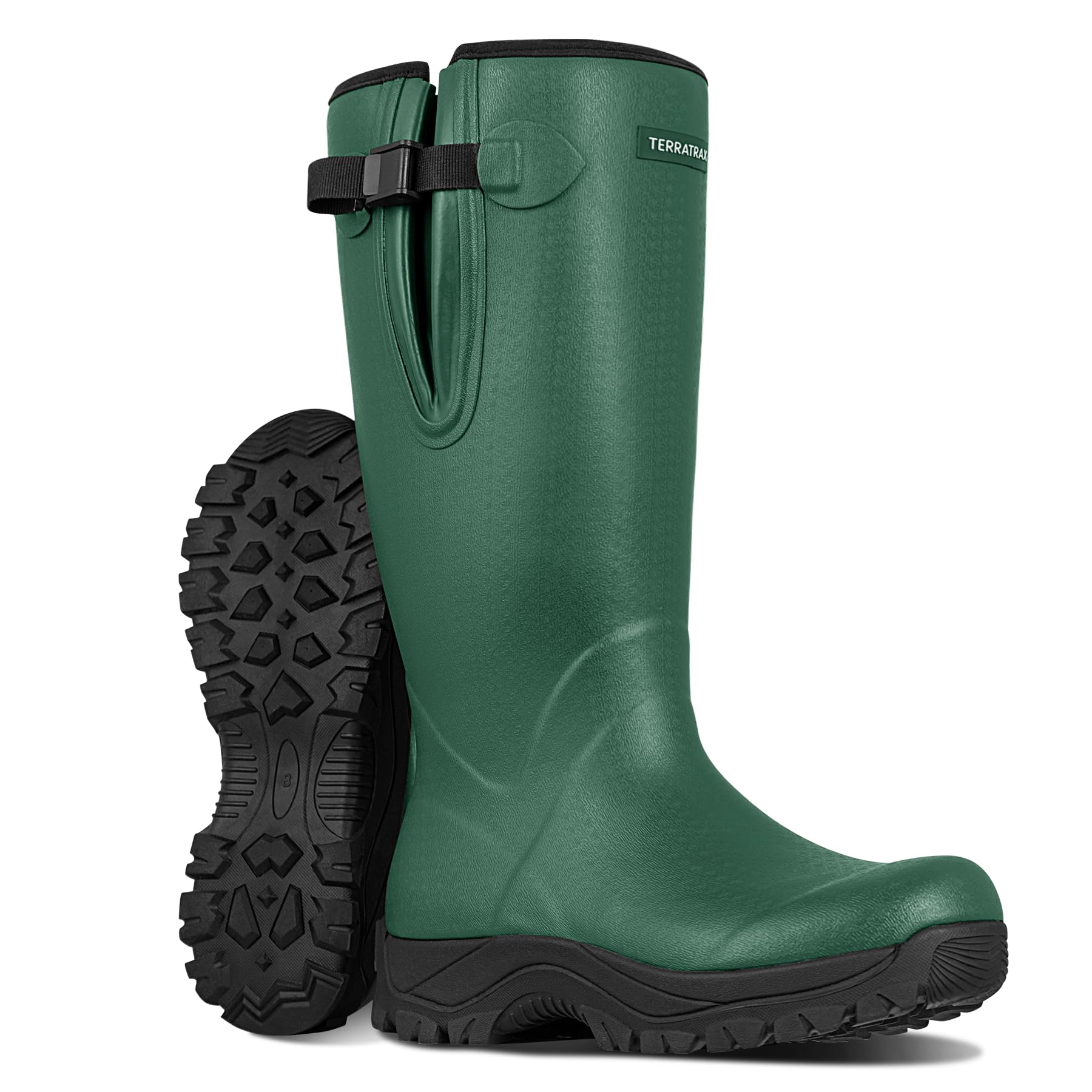

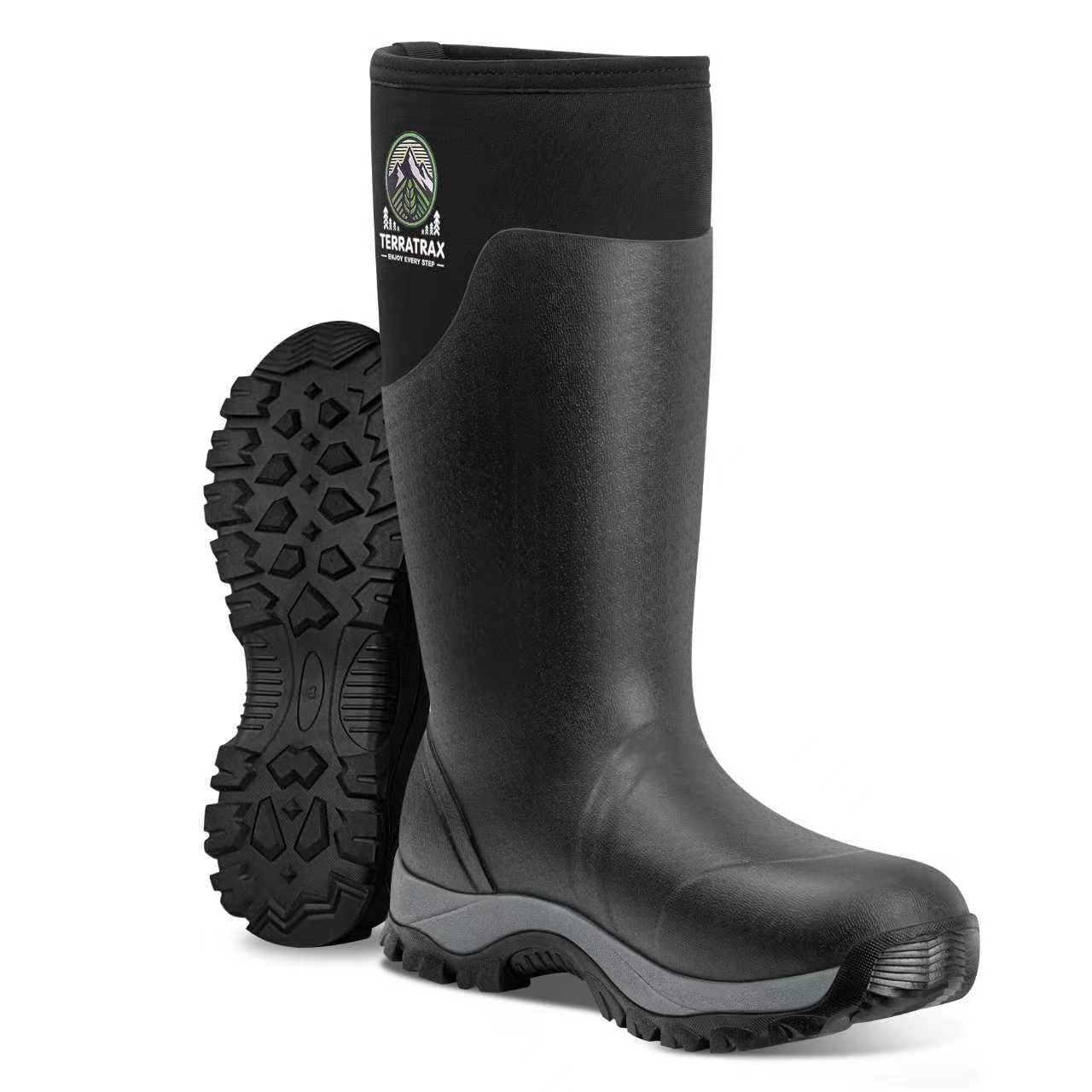


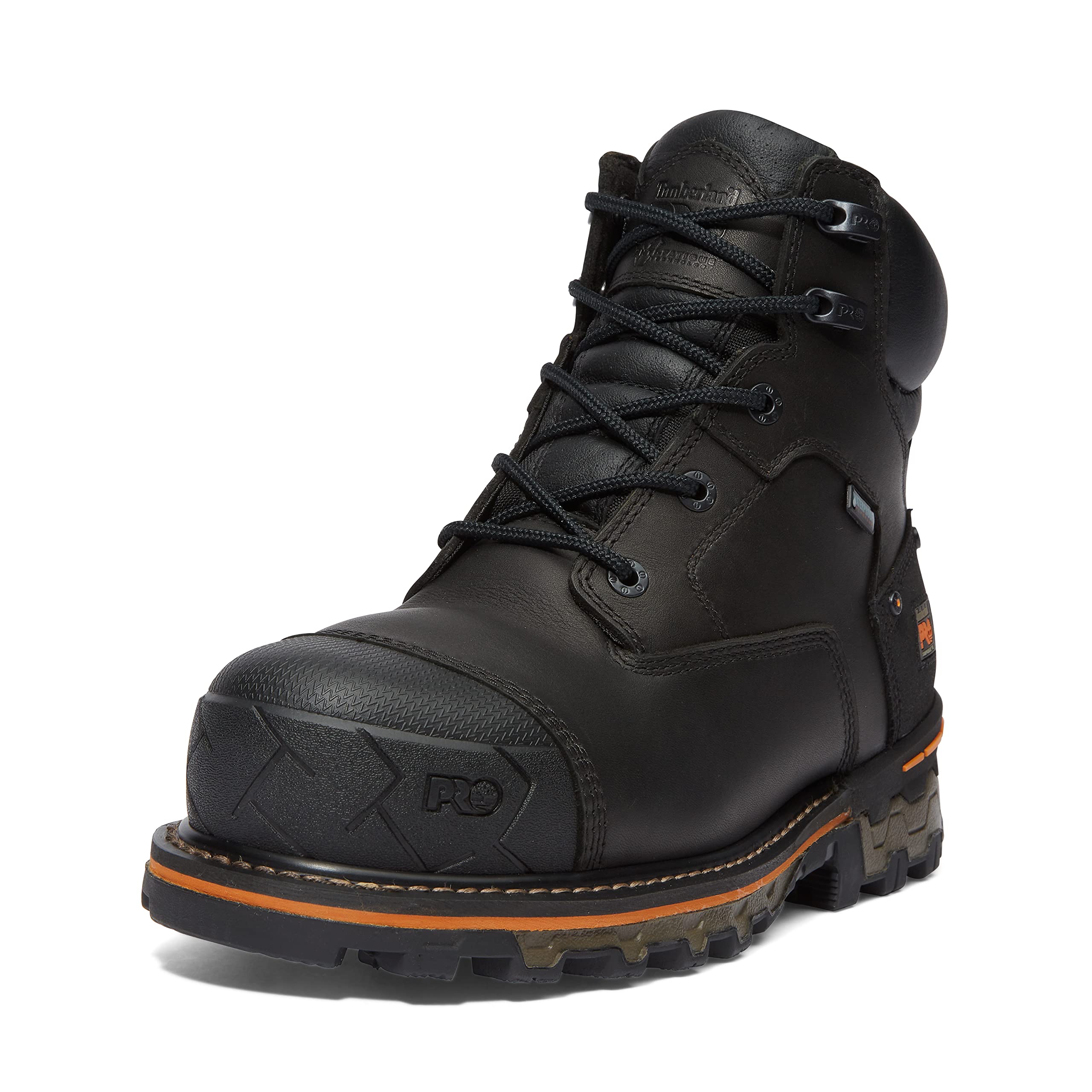


Best Boots for Concrete: The Basics
A work boot is a closed, sturdy shoe built to protect the foot and steady the body during physical work. For concrete work, the most important parts are the outsole, the midsole, the upper, the toe box, and the insole. The outsole is the bottom layer that meets the ground.
The midsole sits above it and absorbs much of the impact from each step. The upper wraps the foot and ankle, while the toe box gives the toes room to spread. The insole is the removable layer inside the boot that adds cushioning and arch support.
Concrete changes how each part matters. A hard floor does not absorb shock, so the boot must do more of that work. Dust can dry the skin and work into seams, so easy cleaning and a snug closure help.
Wet slabs, curing compounds, and sealed areas can be slick, so tread pattern and rubber grip matter more than they would on soft ground. Sealed floors can feel slicker than rough slabs, so grip matters even more there. If you want to understand what changes a slab surface, see our guide to the best concrete sealer.
Key Specs Explained in Plain English
Spec sheets can look technical, but most terms describe simple ideas. Read each one as a question about your day: how much shock will my feet absorb, how much room do my toes need, and how stable will I feel when I bend, lift, or step sideways? The sections below translate the main specs into choices you can try in a store or during a short trial at home.
Features That Matter for Concrete
For the best boots for concrete, start with grip, shock absorption, and protection. Look for a deep, open tread that can shed dust and small grit instead of packing it into the sole. A wider base and a firm heel counter help you stay steady when you shift weight or carry a load. If your site requires toe protection, check the safety standard for your job and your employer rules before you buy, and treat that requirement as fixed rather than optional.
Fit, Sizing, and Toe Box
Measure or try boots in the afternoon, when feet tend to be slightly larger than they are in the morning. Wear the socks you will wear at work, and leave enough room for your toes to wiggle without sliding forward when you walk downhill or stop quickly. A roomy toe box helps on long days because toes can spread naturally instead of pressing together.
If one foot is larger than the other, fit the larger foot and use lacing or an insole to steady the smaller one. For a closer look at daily wear on concrete, see our guide to the best boots working concrete.
Cushioning and Support
Cushioning softens impact, while support controls how the foot moves. A thick, soft midsole can feel kind at first but may feel unstable if it lets the foot roll inward or outward. A firmer midsole with a stable heel shape often suits long standing better.
Heel to toe drop describes the height difference between the heel and the forefoot. A lower drop can feel more level, while a higher drop can feel easier on tight calves. Try both feels if you can, and notice which one leaves your knees and lower back calmer after a long walk.
Break In Period and Comfort Out of the Box
Some boots feel good at once, while others need a short break in period before the leather or fabric softens and shapes to your foot. Plan short wear sessions at home before a full shift, and pay attention to hot spots around the ankle, heel, and little toe. Mild stiffness that eases over a few days is normal for many sturdy boots. Sharp pain, numbness, or blisters that keep returning are signs to check the fit, try a different size or width, or seek advice from a clinician if pain persists or worsens.
Arch Support and Foot Type
Flat feet, high arches, and a tendency for the foot to roll inward each change what support feels best. Flat feet often suit a stable insole that limits excess inward roll. High arches often suit extra cushioning under the midfoot because less of the foot touches the ground.
If you overpronate, which means the foot rolls inward more than usual, look for a firm midsole and a heel counter that holds the heel straight. Replace worn insoles when they flatten, and check the maker guidance for your boot before adding a thick aftermarket insole that could change the fit.
Rookie Mistakes to Avoid
- Buying by price alone, because the cheapest pair can cost more in sore feet and early replacement.
- Choosing a size based on dress shoes, because work boots often fit differently in length and width.
- Ignoring toe protection rules for the site, which can leave you unable to start work on day one.
- Skipping a trial walk, because a quick stand in the store does not reveal how a boot feels after an hour.
- Picking a smooth sole for dusty or wet slabs, where open tread and steady grip matter far more.
Getting Started: Setup and First Use
When a new pair arrives, inspect the stitching, eyelets, laces, and soles before you wear them outside. Lace them snugly from the toe upward, leaving the ankle firm but not tight enough to cut off circulation. Walk around your home for short periods over several days, and note any rubbing early so you can adjust lacing or socks before a full shift.
At the end of a dusty day, brush off concrete dust and let the boots air dry away from direct heat. Direct heat can dry and crack leather and warp some soles, so a cool, ventilated spot works better. Check the soles for embedded grit, and replace laces before they fray through. For the work area and tools after a pour, see our guide to the best concrete cleaners.
Keep a simple note during the first two weeks about where the boots rub, how your feet feel at midday, and whether grip feels steady on wet patches. Those notes make it easier to tell a normal break in period from a fit problem, and they help you decide whether a wider size, a new insole, or a different sole pattern would help. Do not push through sharp pain just to finish breaking in a pair.
Boots: Your Questions Answered
What features matter most in boots for concrete?
Grip, shock absorption, toe room, and steady support matter most on concrete. A deep tread sheds dust and helps on slick patches, while a cushioned but stable midsole softens the impact of a hard floor. A roomy toe box lets toes spread during long standing, and a firm heel counter keeps the foot from rolling. Add site required toe protection to that list, and check employer rules before you compare styles, since safety needs come before comfort preferences.
How should boots for concrete fit?
Boots for concrete should feel snug around the midfoot and heel, with room for toes to wiggle and no pressure on the little toe. Try them in the afternoon with work socks, and walk on a hard floor rather than carpet if you can. Your heel should lift only slightly, and your toes should not hit the front when you stop quickly. If the fit feels tight across the forefoot, try a wider version before going up a full size, since extra length alone can cause heel slip.
Can I wear boots for concrete all day?
Many people wear boots for concrete all day, but comfort depends on fit, cushioning, and how much of the day you spend standing or walking. A well fitted pair with fresh insoles and work socks usually feels better than a loose pair with a flat insole. Take short seated breaks when the job allows, and change socks if they become damp with sweat. If you notice persistent pain, numbness, or swelling, check the fit and talk with a clinician about what may be causing it.
How long is the break in period for boots for concrete?
The break in period for boots for concrete often runs from a few days to about two weeks of regular wear. Softer fabrics and flexible soles usually need less time, while thick leather and stiff shanks need more. Short wear sessions at home help the upper shape to your foot without making a workday painful. If sharp pain continues past the first couple of weeks, the problem is more likely fit or foot shape than break in, so try a different width, insole, or last.
Do I need waterproof boots for concrete?
Waterproof boots for concrete help when you work in rain, wet pours, or standing water, but they are not needed for every dry indoor job. A waterproof membrane can keep feet drier, yet it can also feel warmer during summer work. For dry work, a breathable upper may feel more comfortable and still handle dust well. Choose based on your usual conditions, and remember that waterproofing does not replace grip, toe protection, or proper fit.
The Bottom Line
The best boots for concrete are the ones that fit your feet, meet your site safety rules, and stay comfortable through the kind of day you actually work. Prioritize grip and stable cushioning first, then toe room, then warmth or waterproofing for your conditions. Use the product table above to compare types side by side, and let a short trial at home confirm the fit before you commit to a full shift.
