
Best Carbon Toe Work Boots for 2026: Matching the Right Work Boot to Your Routine
Disclosure: We may earn a commission when you buy through links on this page, at no extra cost to you. As an Amazon Associate I earn from qualifying purchases. Learn more

Choose carbon toe work boots by routine. Learn what safety ratings cover, how carbon caps compare with steel, and how fit, weight, and support change by job.
There is no single boot that suits every job, because a warehouse shift, a cold storage room, and a fabrication floor ask very different things of your feet. This guide matches boot features to real routines, so you can choose the best carbon toe work boots for the work you actually do. The product table lists current boots so you can compare them as you read.
You will find no single product reviews here. Instead, you will learn what the safety ratings cover and what they leave out, how a carbon fiber cap differs from steel, and how fit, weight, and support change across a long shift.


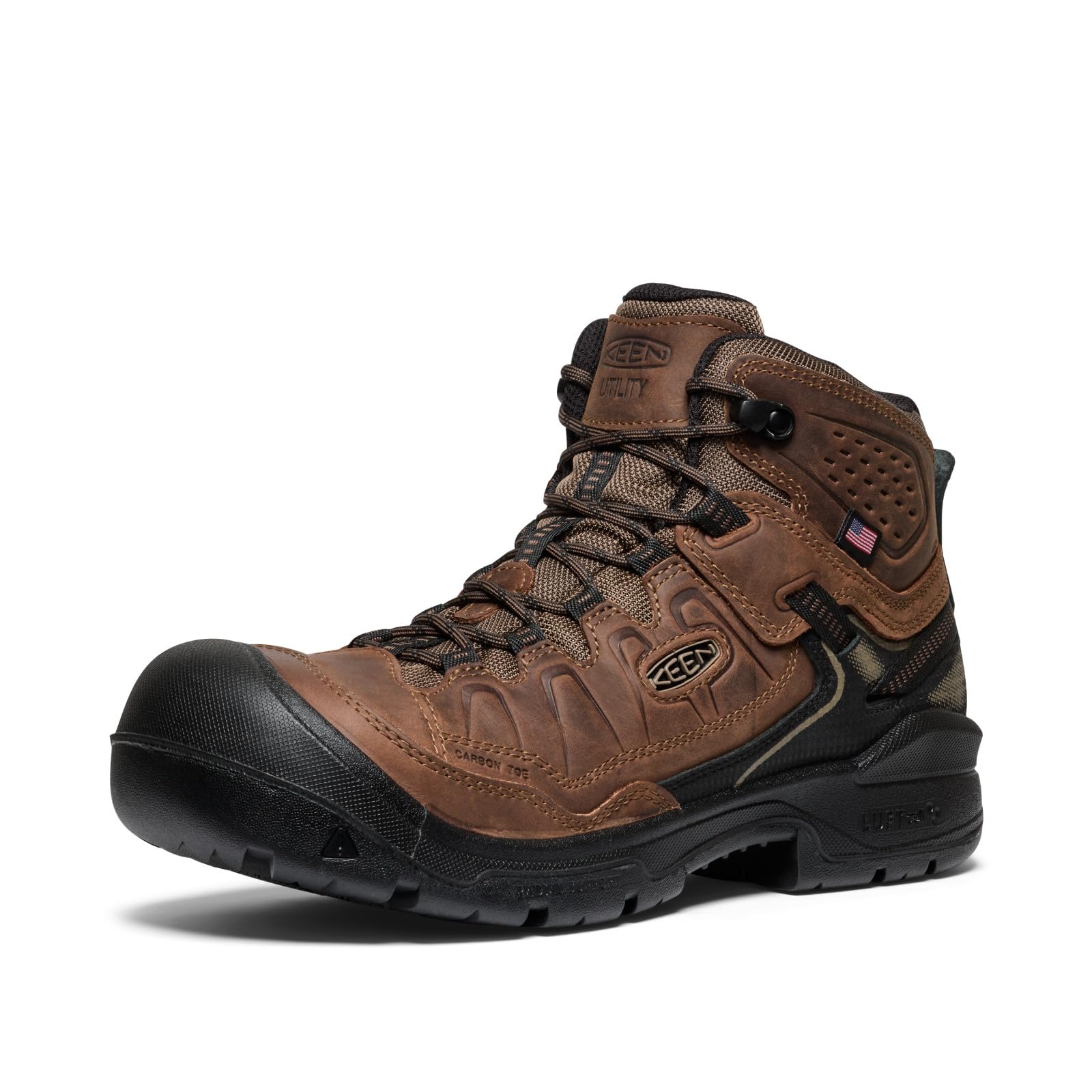

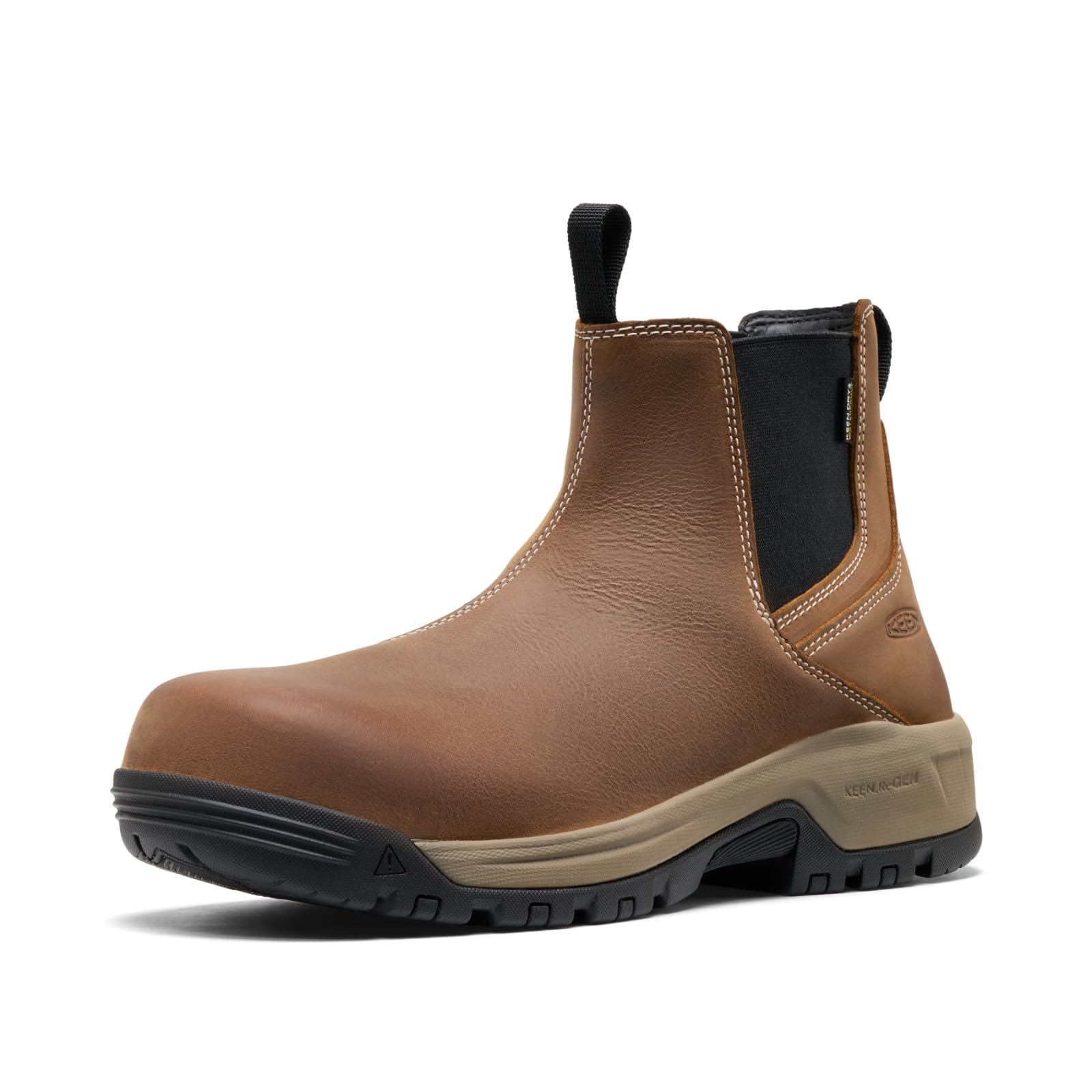
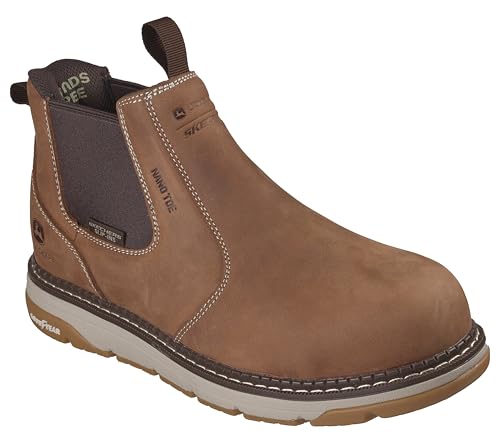
Who Should Buy Which Carbon Toe Work Boots?
For Warehouse and Delivery Routines
If your day is miles of concrete aisle, dock plates, and truck beds, weight and flex matter more than brute toughness. A carbon cap keeps the front of the boot light, and a flexible sole with real cushioning suits constant walking and standing at packing stations. Drivers who climb in and out of a cab all day also benefit from a lower cut and a heel that locks in without rubbing. Expect to pay about $100 to $180 for a solid pair in this class.
For Cold Rooms and Outdoor Winter Routines
Cold changes the toe cap question. A steel cap pulls cold straight through to your toes, while a carbon cap does not conduct temperature the same way, so your feet stay closer to the warmth your socks provide. Pair the cap with insulation rated for your setting and a waterproof membrane if you move between a freezer floor and a wet loading dock. Lugs that stay pliable in the cold matter too, because a hardened sole on ice is a fall waiting to happen.
For Sites With Metal Detectors and Electrical Work
Some routines rule out metal altogether. Airport, security, and utility workers who pass through detectors several times a day save real minutes with a cap that is free of metal. Carbon fiber also does not conduct electricity, which suits work around live panels when the boot carries the right electrical rating for the task. Check your site rules before buying, because a metal shank or eyelets can undo the benefit even when the cap itself is clean.
Key Features to Compare
Safety Ratings and What They Actually Cover
A safety toe rating means the cap passed set impact and compression tests under the ASTM safety toe standard used in the United States. Read that rating honestly: it covers the toe area only, and it rates the boot against a defined hazard class. It does not guard the top of the foot, stop a nail through the sole, or cover electrical risk unless those separate ratings are also listed.
A rating never promises an uninjured foot, so treat the cap as one layer of protection inside a wider safety routine. The wider family of rated caps is covered in our guide to the best safety toe work boots.
Carbon Fibre Caps Compared With Steel and Alloy
Carbon fiber belongs to the composite family, so a carbon cap is a composite cap built from woven fibers set in resin. Against steel, its honest trades are weight and temperature: it is lighter on the foot and it does not carry heat or cold into the toe box the way metal does. Steel still wins on thinness, since a steel cap can be slimmer, and on price.
Our guide to the best steel toe work boots covers that classic option, and our guide to the best composite toe work boots covers the wider composite family that carbon belongs to. One more carbon trait matters: after a severe impact the cap may be damaged inside without clear marks, so a crushed carbon cap means the boot is done.
Fit, Sizing, and Toe Box
A toe cap changes the fit of a boot, because the cap shell takes room that a soft toe would give back. Measure your feet late in the day when they are at their largest, and try boots on with the work socks you actually wear on shift. Your toes should clear the cap at rest and only brush it when you kick or kneel.
Roomier shapes help wide feet, which is why our guide to the best square toe work boots is worth a look. Styling at the toe varies too, and our guide to the best moc toe work boots covers the raised seam style many trades prefer.
Weight and Flexibility
Boot weight is paid for in steps, and a long shift holds thousands of them. A carbon cap saves a few ounces at the very front of each boot, exactly where extra weight feels heaviest at the end of a stride. Flexibility matters alongside weight: a sole that bends with your foot suits walking routes, while a stiffer shank suits ladder rungs and uneven ground. Judge the pair together, since a light boot with a board stiff sole can tire you out just as fast.
Arch Support and Foot Type
Support needs follow your foot, not the cap. Flat feet usually do better with a firmer arch and a stable heel, while high arches often need more cushion under the midfoot. Most work boots accept a replacement insole, so treat the factory insert as a starting point rather than the final answer.
Fit and support are about comfort facts only. If foot pain keeps returning or numbness shows up, see a doctor, because a boot can support comfort but it cannot treat a foot condition.
Common Mistakes to Avoid When Buying Carbon Toe Work Boots
- Buying on price alone and never checking that the rating matches the hazards your job names.
- Sizing from your street shoes without work socks, then blaming the cap for a tight fit.
- Keeping a boot in service after a heavy object has struck the cap, even when the outside looks fine.
- Choosing a slim fashion toe shape when your routine needs room, grip, or a wedge sole.
- Wearing one pair every day with no rest day, so the cushioning never dries or recovers.
How to Make Your Carbon Toe Work Boots Last Longer
Rotate two pairs if you work daily, giving each pair a full day to dry and rebound between shifts. Air dry wet boots at room temperature away from direct heat, since a heater can crack leather and warp the materials around the cap. Brush off dried mud, keep leather conditioned, and check the cap area and outsole each week. A smooth outsole, a cracked upper near the cap, or a cap that has taken a hard hit all mean the boot has finished its protective life.
Frequently Asked Questions
How should carbon toe work boots fit?
Carbon toe work boots should fit with a snug heel, no lift as you walk, and clear space between your toes and the cap at rest. Fit them in the afternoon and in your work socks for the truest read. One check many buyers miss is the kneel test: drop into a deep bend and confirm the cap does not dig into the top of your toes, because you will repeat that motion all shift.
How often should I replace my carbon toe work boots?
Replace carbon toe work boots when the outsole wears smooth, the upper cracks, or the cushioning stays flat after a rest day, which for daily wear often lands somewhere between one and three years of service. One event overrides every timeline: a heavy impact on the cap ends the boot that day, even if the damage hides inside the fibers. Keep the receipt and rating details so the replacement matches the rating your job requires.
Can I wear carbon toe work boots all day?
Yes, carbon toe work boots are built for full shifts, and the light cap helps across long hours of walking and standing. Comfort across a whole day depends more on fit, insole, and sole flex than on the cap alone. One practice that helps is a midweek rotation: giving each pair a rest day keeps the cushioning springy and lets moisture clear, which also slows odor and lining wear.
Do I need waterproof carbon toe work boots?
You need waterproof carbon toe work boots if your routine includes rain, wet floors, mud, or washdown areas, because wet insulation and wet socks wear a foot down fast. One trade worth knowing is warmth: a waterproof membrane also holds heat in, so dry indoor routines often feel better in an unlined, breathable boot. Match the membrane to the wettest hour of your week, not the average hour.
Are expensive carbon toe work boots worth it?
Expensive carbon toe work boots are worth it when the extra money buys lighter materials, a better outsole compound, and a warranty that backs daily use, with many premium pairs running about $200 to $280. The price does not buy a higher safety class, because ratings are pass levels rather than grades. Spend first on fit and the correct rating, then on weight and durability, in that order.
How long is the break in period for carbon toe work boots?
The break in period for carbon toe work boots is usually a few days to two weeks of regular wear, depending on how stiff the leather and sole start out. Short walks before the first full shift ease the process and reveal rub points early. One fact stays fixed through all of it: the cap itself never breaks in. Only the upper and sole soften, so a cap that pinches on day one will still pinch on day thirty.
The Bottom Line
Start with the rating your job requires, then fit the boot with your work socks, then weigh the cap material against your routine. Cold rooms, detector gates, and long walking routes all reward the light, temperature neutral carbon cap, while dry general work gives you the widest choice of all. Matched that way, the best carbon toe work boots are the pair you stop noticing by mid shift, and the product table can help you compare current boots before you buy.


