
Best Composite Toe Work Shoes: A Practical Buying Guide for 2026
Disclosure: We may earn a commission when you buy through links on this page, at no extra cost to you. As an Amazon Associate I earn from qualifying purchases. Learn more

Warehouse, delivery, and workshop staff can check ratings, fit, and grip to choose the best composite toe work shoes for a full shift.
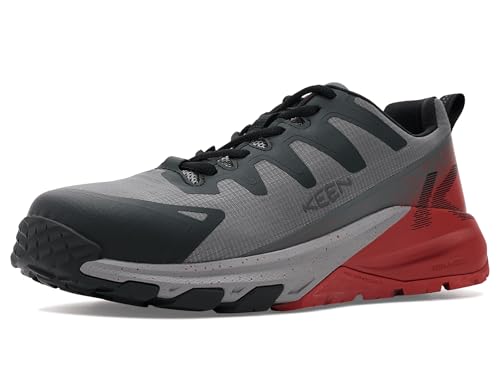
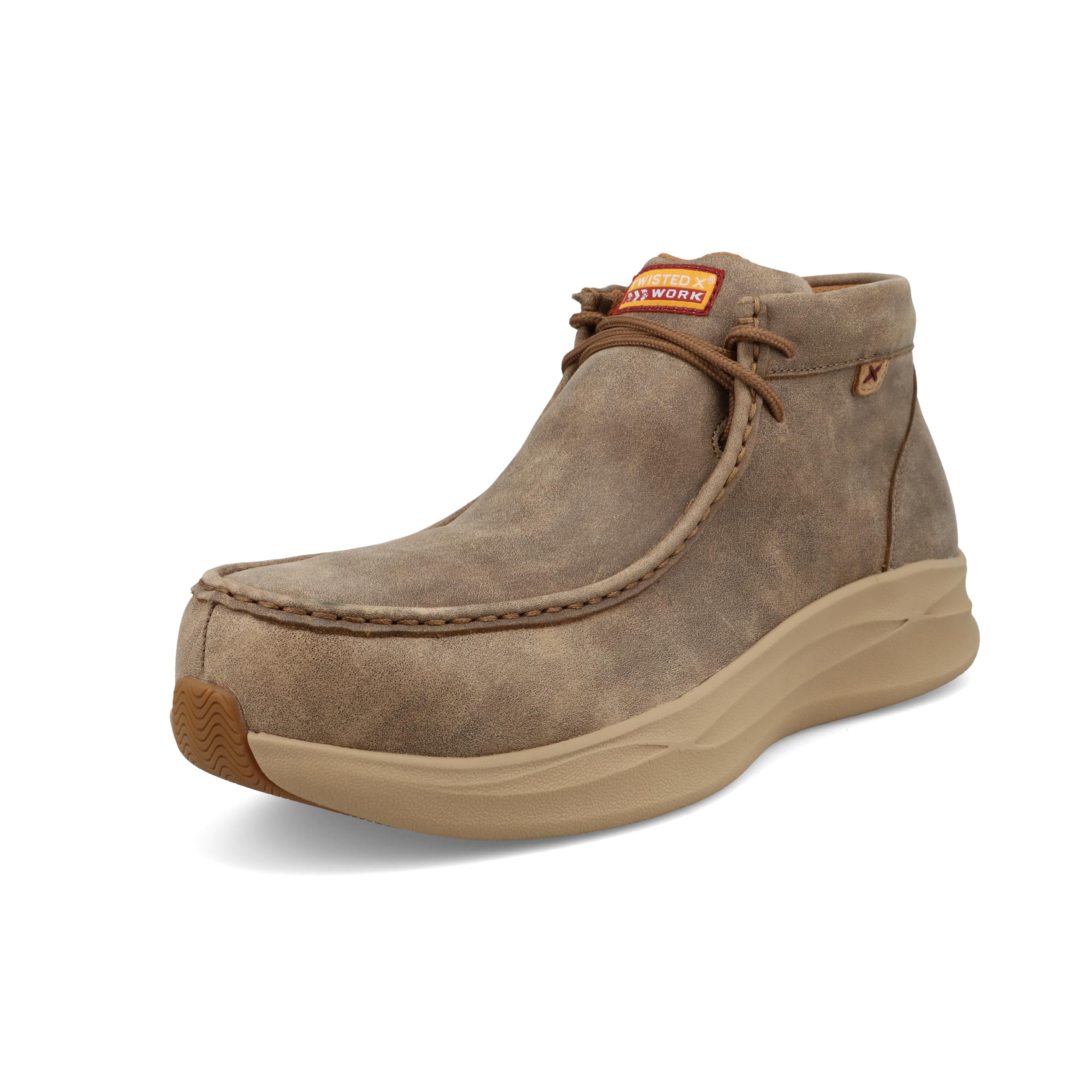
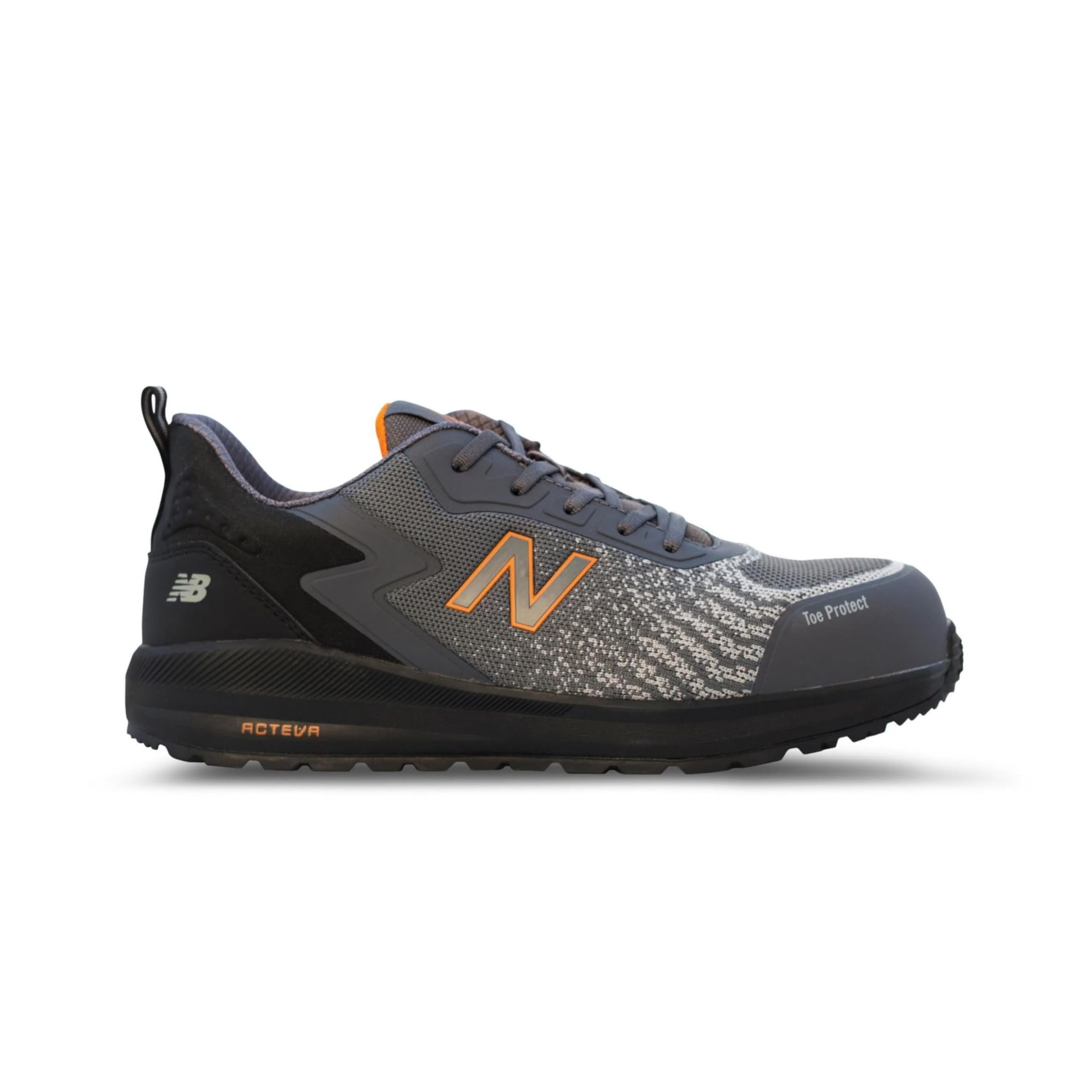
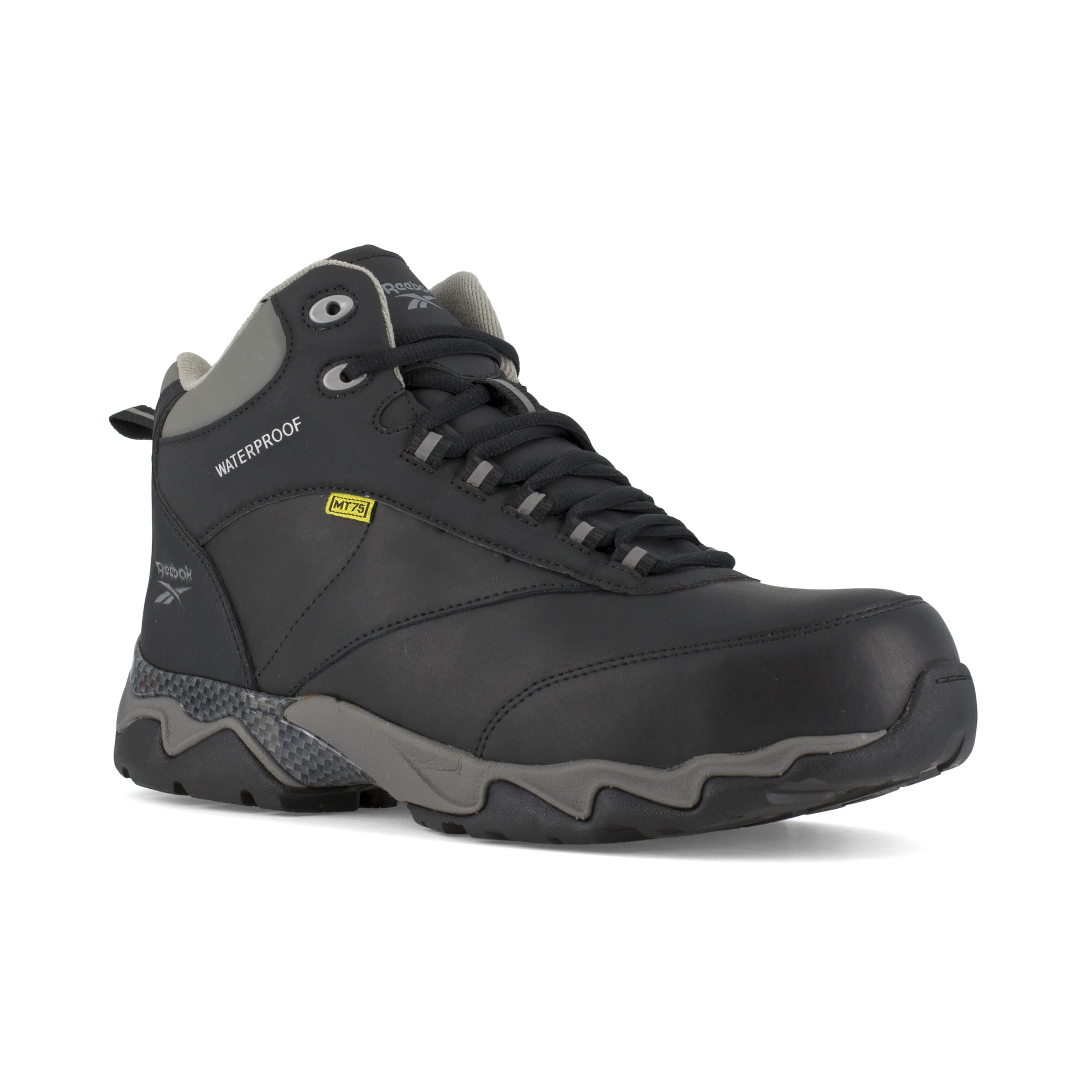
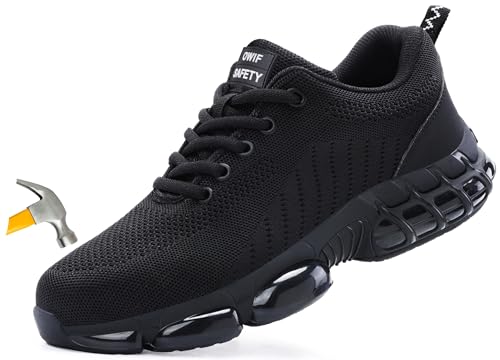
Some jobs need a protective toe but not a full boot: delivery routes, light warehouse work, stockrooms, workshops, kitchens that require safety footwear, and sites where a tall shaft would just get in the way. The best composite toe work shoes give you a rated cap in a low cut, athletic or oxford style that feels closer to a trainer than a boot. The comparison table below shows the main options, and this guide explains how to judge them for your own shift.
It covers what a composite cap does, how work shoes differ from boots, which style suits which job, and the fit and care points that decide whether a pair lasts a season or a year.




What a Composite Toe Does in a Work Shoe
A composite safety toe is a cap built from materials such as fiberglass, carbon fiber, or engineered plastic instead of steel. It is rated for impact and compression, it is lighter than a steel cap, and it holds no metal, so it is friendlier to security scanners. It also does not pull heat or cold from your toes the way metal does, which helps in freezers, winter loading docks, and hot yards.
The rating is the part that counts, not the material. Look for the printed standard inside the shoe or on the product page, and match it to the class your employer names. Some roles also require an electrical hazard rating or a puncture resistant plate, and not every low cut pair includes them.
Work Shoes or Work Boots?
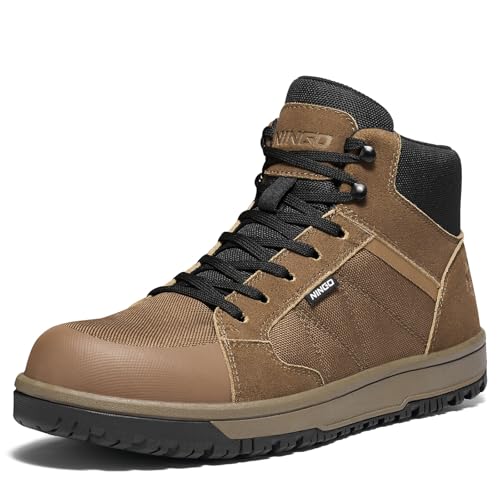
A shoe is lighter and more flexible, which makes it easier on your legs over thousands of steps. It is cooler in warm work and easier to drive in. The trade off is less ankle support, less protection from debris falling into the shoe, and less shield against water. If your work is outdoors on rough ground, a boot is usually the safer choice, and our guide to the best lightweight composite toe work shoes covers the lightest builds, while best insulated composite toe work boots suits cold sites.
Many workers keep both: a shoe for indoor days and a boot for wet or rough days. The shoe should carry the same safety rating as the boot, so you stay compliant either way.
Styles of Composite Toe Work Shoes
Athletic and Sneaker Style
These look like trainers, with mesh or knit panels, cushioned midsoles, and a lightweight feel. They suit warehouses, delivery, retail, and light manufacturing where you walk a lot on flat floors. They breathe well but resist spills, sparks, and sharp scrap less than leather.
Oxford and Casual Style
Oxford styles use leather uppers and a lower profile, and they suit workplaces with a smarter dress code, such as technicians, inspectors, and site visitors. They are easy to wipe clean and tend to last longer than mesh, though they run warmer.
Slip On Style
Slip on pairs save time and suit workers who change footwear often. They have no laces to adjust, so the fit depends on the elastic panels and the heel, and you should check that your heel stays put when you climb stairs.
Women's and Unisex Styles
Many lines are cut on women's lasts with narrower heels, while others sell unisex pairs across a wide size range. If you wear a men's pair in a converted size, check the heel for slip, and see our guides to best women's composite toe work shoes and best men's composite toe work shoes.
Key Features to Compare
Fit and Toe Box Room
A composite cap does not stretch, so measure your feet late in the day and try shoes on with your work socks. You want a thumb width of space in front of your longest toe and no pressure on the top of the toes when you crouch. A narrow toe box shows up as aching toes in the second hour, so choose a wide width instead of sizing up if your forefoot is broad.
Cushioning and Arch Support
Concrete is hard on feet and knees, so check the midsole and the insole. A removable insole lets you add your own support, and a firm heel counter keeps the foot steady. Sneaker style pairs usually feel soft from the first wear, while oxford styles can feel firmer until the leather settles.
Outsole and Slip Resistance
Grip matters most on wet tile, oily concrete, and smooth warehouse floors. Look for a slip resistance rating on the page, and match the tread pattern to your surface. A tread worn smooth is a fall risk, so check the heel and forefoot each month.
Weight and Breathability
Weight adds up over a shift, so compare the weight of the pair and not just the cap. Mesh keeps feet cool but offers less protection from spills, while leather resists abrasion but runs warm. Match the upper to the worst your shift throws at it.
Safety Ratings Beyond the Toe
Electrical hazard protection, static dissipative soles, and puncture resistant plates are separate features. Confirm each one on the product page if your workplace needs it, and remember that a low cut shoe leaves the ankle and upper foot more exposed than a boot does.
Common Mistakes to Avoid
- Choosing by looks and skipping the rating label your employer requires.
- Ordering your trainer size, then finding the cap presses on your toes.
- Wearing sneaker style pairs around sparks, hot metal, or sharp scrap.
- Skipping a break in period and wearing new shoes for a full shift on day one.
- Keeping shoes after a heavy impact to the toe, even if they look fine.
Care and Replacement
Brush off dirt after each shift, wipe leather with a damp cloth, and dry shoes at room temperature, away from heaters. Pull the insoles out overnight so moisture can escape, and rotate two pairs if you work full weeks. Check the sole, the stitching, and the area around the cap every month.
Replace shoes when the tread wears smooth, the cushioning goes flat, the upper splits, or after a heavy impact to the toe. A composite cap can be damaged inside without obvious marks, so a serious knock is a reason for a new pair. Persistent pain, numbness, or swelling is a reason to see a clinician, not to keep wearing the shoes. For a wider look at the category, see best composite toe shoes.
Composite Toe Work Shoes: Your Questions Answered
Are composite toe work shoes as safe as steel toe?
When rated to the same impact and compression class, a composite cap gives the same listed protection as steel with less weight. Read the rating on your exact pair, and follow your employer's rules about the class required.
Do composite toe work shoes set off metal detectors?
The cap will not, because it has no metal. Eyelets, shanks, or other small parts can still trigger a sensitive gate, so check the product details if you go through screening every shift.
Can I wear composite toe work shoes all day?
Yes, if the fit and cushioning suit the surface you stand on. Build up wear time over the first week, and rotate pairs if you work full weeks on concrete.
How long is the break in period?
Most pairs feel natural within a few days to two weeks. Mesh and knit uppers settle fastest, and leather takes a little longer. Pain that continues after two weeks usually means a size or width problem.
How often should I replace them?
For daily use, plan on six to eighteen months depending on the floor and the upper material. Replace sooner after a heavy toe impact or when the tread wears smooth.
The Bottom Line
Pick the style that fits your floor and your dress code, then confirm the rating, the toe room, and the grip. Sneaker pairs suit flat indoor work, oxfords suit smarter workplaces, and boots are better for rough ground. Compare your shortlist against the product table above, and the best composite toe work shoes will be the pair that protects your toes and still feels comfortable at the end of your shift.


