
Best Composite Toe Boots: A First Time Buyer's Guide for 2026
Disclosure: We may earn a commission when you buy through links on this page, at no extra cost to you. As an Amazon Associate I earn from qualifying purchases. Learn more

Learn how composite toe boots work, how they should fit, and which features matter most, so a first time buyer can choose with confidence on long shifts.
Shopping for work footwear can feel confusing when you meet a new safety term for the first time, and this guide starts with the basics in plain language. A best composite toe boots search usually means you want protection at the front of the boot without the weight of steel, plus comfort for long shifts. The comparison table below gives a quick side by side view, while the sections that follow explain fit, materials, traction, and care in detail.
The key idea is simple: the toe cap is only one part of a good work boot. You also need a stable fit, a sole that grips your work surface, an upper that suits your weather, and cushioning that stays supportive through the day. Read the whole guide before you order, because a boot that looks strong on paper can still fail you if the toe box pinches, the sole slips, or the upper traps heat.


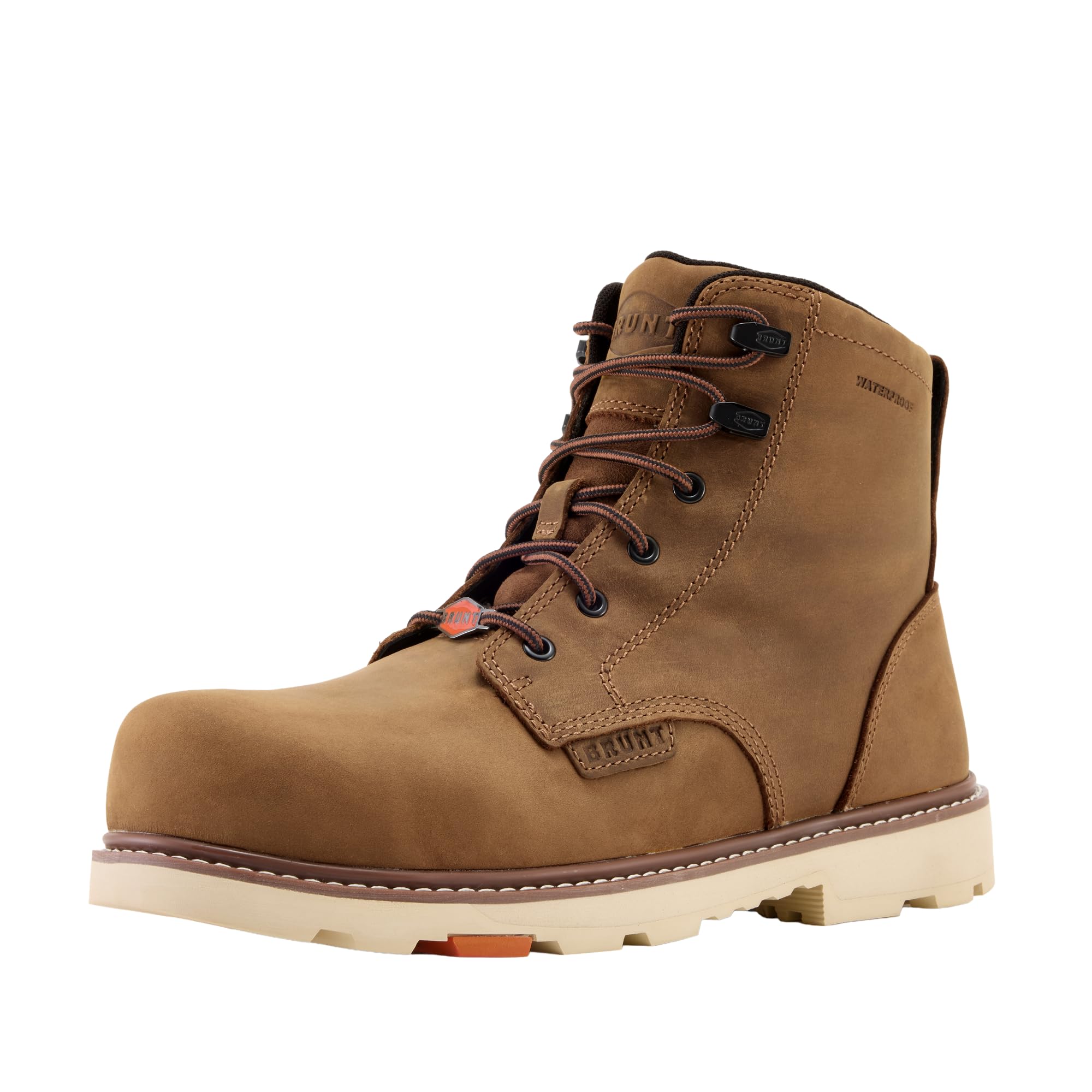
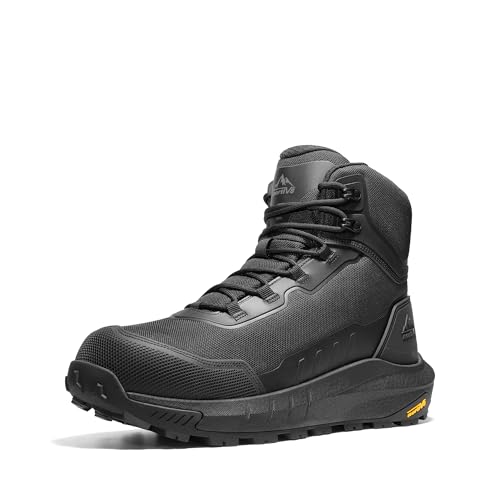


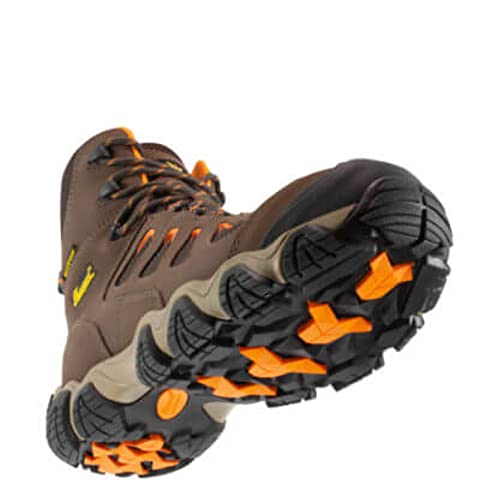
Composite Toe Boots 101: The Basics
A composite toe cap is made from nonmetal materials such as fiberglass, carbon fiber, or strong plastic blends, shaped to protect the toes from falling objects and compression. Unlike a steel cap, it does not conduct cold in the same way, it does not set off every metal detector, and it usually weighs less. That lighter feel matters on long shifts, because extra weight at the foot adds up over thousands of steps.
Protection ratings matter more than marketing words when choosing the best composite toe boots. Check the safety standard named by the maker and confirm that it matches the rules for your job site or employer before you buy. A cap that meets a general impact standard may still be the wrong choice for a site that also requires puncture resistance, electrical hazard protection, or metatarsal coverage, so read the full rating rather than trusting the word safe on its own.
Key Specs Explained in Plain English
The terms below show up on almost every work boot page, and each one affects comfort or safety in a practical way. Use them as a checklist when you compare options, and skip any feature that does not match your actual workday.
Fit, Sizing, and Toe Box
Measure your feet in the afternoon, when they are slightly larger, and wear the socks you plan to use at work. The toe box should give your toes room to spread and wiggle without touching the cap, because a tight cap can cause pressure, blisters, and numbness over a full shift. If one foot is larger than the other, fit the larger foot, and try the boots on a hard floor rather than carpet so you can feel how they really behave.
Outsole Traction and Terrain
Lug depth and lug pattern decide how well a boot grips concrete, gravel, mud, wet floors, and oily surfaces. Deep, widely spaced lugs shed mud better, while shallow, closely spaced lugs can feel steadier on smooth indoor floors. Look for a sole compound described for your surface, and remember that no sole grips every surface equally well, so match the tread to the ground you walk most.
Upper Materials and Breathability
Leather uppers tend to resist scuffs and hold their shape well, while mesh panels and knit sections move air better in warm work. A fully sealed waterproof upper keeps water out but can trap heat, so think about your climate and whether you work indoors, outdoors, or in both. Seams, stitching, and overlays also matter, because a weak seam near the toe or ankle can fail long before the sole wears out.
Cushioning and Support
Cushioning should feel even from heel to forefoot, without a hard edge under the arch or a soft spot that collapses after a few hours. Stability features help when you stand, climb, or carry loads, while a more neutral feel suits even walking on flat ground. Heel height changes how your ankle and knee feel, so a small change in stack height can make a big difference over a long shift, and it is worth trying on stairs as well as flat ground.
Durability and Expected Lifespan
Work boot life depends on hours worn, surfaces walked, loads carried, and exposure to water, chemicals, and heat, so a single mileage number does not tell the whole story. Running shoe mileage figures do not apply to work boots, and you should judge wear by inspection instead. Replace a pair when the toe cap shows cracks, the sole separates, the tread is smooth in the main contact areas, or the upper no longer holds your foot steady.
Rookie Mistakes to Avoid
- Buying the same size as your everyday shoes without trying work socks and checking toe room, which can leave the cap pressing on your toes all day.
- Choosing a boot for looks or price alone while ignoring the safety rating your employer or site actually requires.
- Assuming every waterproof boot breathes well, when a sealed upper can feel hot during summer work.
- Skipping a short break in period and wearing a brand new pair for a full hard shift, which raises the risk of blisters and sore feet.
- Ignoring sole condition and keeping a pair long after the tread has worn smooth, which reduces grip when you need it most.
Getting Started: Setup and First Use
When the boots arrive, try them indoors on a hard floor first, and walk, squat, climb a step, and stand still for several minutes. Check that your toes stay clear of the cap when you bend forward, that your heel does not lift sharply, and that no seam presses into your ankle. If anything pinches in the first few minutes, it will usually feel worse after hours, so exchange the size or width rather than hoping the boot will stretch into shape.
Break new boots in gradually over a few shorter shifts or walks, and air dry wet boots away from direct heat so the upper and adhesives last longer. Keep the laces or closure adjusted evenly, because uneven tension can pull your foot to one side and create hot spots. A quick daily check for loose stitching, sole separation, and debris in the tread helps you catch small problems before they turn into a failed boot on the job.
Work boots and everyday shoes serve different purposes, and the same care routine does not fit both. For work use, focus on toe cap condition, sole grip, and ankle support at every check, rather than only on appearance. If your job involves standing on concrete all day, see our guide to best composite toe work boots for fit points that suit long hours on hard floors.
Composite Toe Boots: Your Questions Answered
How long is the break in period for composite toe boots?
Most composite toe boots feel comfortable after a few shorter wears spread over one to two weeks, rather than after a single long shift. During that time, the upper softens slightly, the insole settles to your foot shape, and you learn whether the lacing needs adjustment. If sharp pressure on the toes or ankle lasts beyond that early period, the size, width, or last shape is probably wrong, and a different fit will help more than extra wear time.
Can I wear composite toe boots all day?
Yes, many people wear composite toe boots for full shifts, provided the fit, cushioning, and weight suit their work and their feet. All day comfort depends less on the toe cap material and more on toe room, arch support, sole flexibility, and breathability. Try the boots for a full day at home or on a light shift first, and pay attention to heel slip, forefoot pressure, and heat buildup before you commit to them for hard work.
Are expensive composite toe boots worth it?
Higher prices often buy better leather, stronger stitching, more refined cushioning, and replaceable insoles, but price alone does not guarantee a good fit for your foot. A mid priced pair that fits well and meets your safety rating will serve you better than a costly pair with a pinching toe box. Compare the full rating, the sole, and the upper first, and treat extra features as a bonus only after the basics are right.
How should composite toe boots fit?
Composite toe boots should fit snugly at the heel and midfoot while leaving clear space for your toes inside the cap. Your toes should not touch the front or sides of the cap when you walk downhill or squat, and your heel should stay seated without heavy lifting. Width matters as much as length, so a wide version can solve pressure that a longer size cannot, especially if your forefoot feels squeezed across the joints.
How often should I replace my composite toe boots?
Replace composite toe boots when inspection shows damage or loss of function, rather than on a fixed calendar alone. Watch for cracked toe caps, separated soles, worn smooth tread, collapsed cushioning, and uppers that no longer support your ankle. Heavy daily use in harsh conditions shortens life, while lighter use with regular cleaning and proper drying extends it, so your own wear pattern matters more than any generic schedule.
Do I need waterproof composite toe boots?
You need waterproof composite toe boots only if you regularly work in rain, standing water, mud, or wet washdown areas. For dry indoor work, a breathable non waterproof pair often feels cooler and dries faster after sweaty shifts. If you choose a waterproof pair, check how the maker seals the seams and tongue, because a water resistant upper without sealed seams can still let water in at the weak points.
Outdoor workers who hike between sites or walk rough ground should weigh tread depth and ankle support alongside the toe cap. See our guide to best composite toe hiking boots for terrain points that matter off pavement. Lighter pairs can reduce fatigue on long days, and our guide to best lightweight composite toe boots explains where weight savings help most and where they can cost durability.
The Bottom Line
Start with the safety rating your job requires, then judge fit, toe room, sole grip, and upper material for your real workday. A best composite toe boots choice should feel steady, protective, and comfortable by the end of a trial day, not merely look tough in photos. Check the product table above once more, compare the options against your checklist, and choose the pair that fits your feet and your workplace rules best.
For cold weather work, see our guide to best winter composite toe boots for insulation and cold grip points. For a classic work style with the same toe protection, see our guide to best composite toe cowboy boots for shaft height and heel shape notes. General fit and comfort guidance only: check your employer and maker rules, and see a doctor for persistent or worsening foot pain.


