
Best Composite Toe Hiking Boots in 2026: A Buyer Checklist
Disclosure: We may earn a commission when you buy through links on this page, at no extra cost to you. As an Amazon Associate I earn from qualifying purchases. Learn more

Use this buyer checklist for the best composite toe hiking boots: safety rating classes, fit, trail weight, grip, and price bands explained before you buy.
A protective toe cap on a hiking boot sounds simple until you read the fine print: ratings, cap shapes, and weight all change what the boot does on a trail. This checklist walks through the checks that matter before you choose the best composite toe hiking boots for your miles, in the order a careful buyer should run them. The comparison table below sums up the classes and price bands the checklist refers to.
Start with the rating, because it defines the product class. A composite toe is a rated hazard class: the cap is tested for impact and compression, the two ways heavy objects hurt feet. That rating never promises an uninjured foot, since a rating covers set test loads and nothing beyond them. Treat the rating as a floor for protection, then judge the boot as a hiking boot.
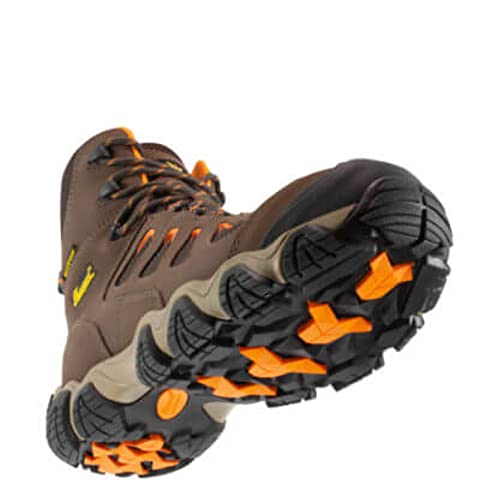
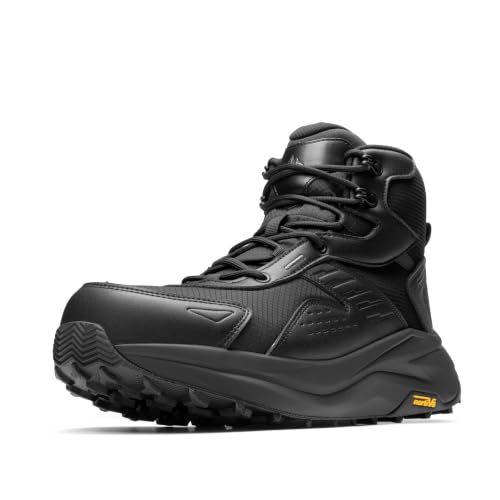
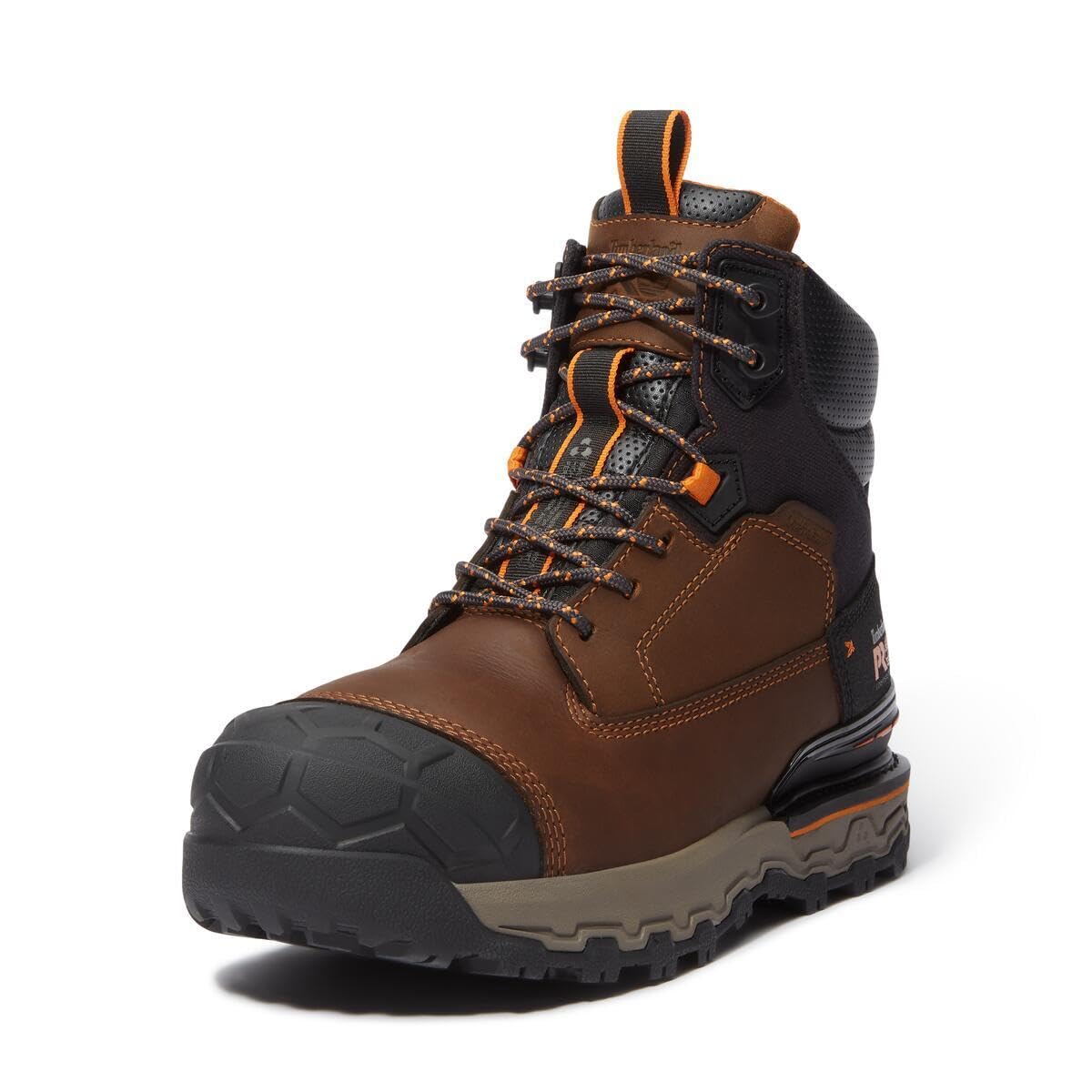


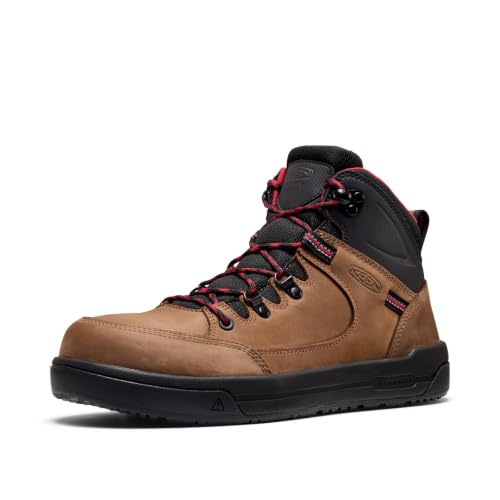


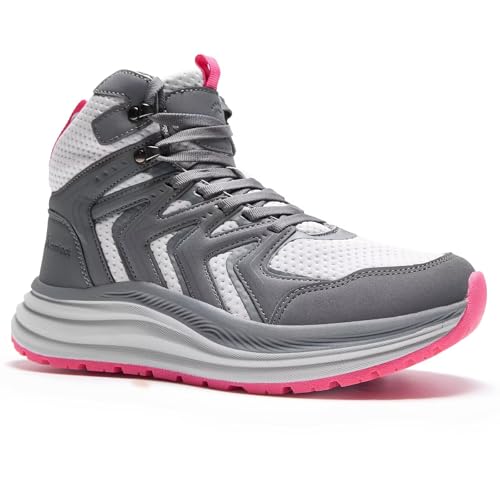
A Buyer Checklist for Composite Toe Hiking Boots
If your days are spent on concrete rather than trails, our guide to the best composite toe work boots covers the same cap class tuned for pavement and long standing. Trail use changes the priorities: weight, grip, and flex matter more out there, and the six checks below follow that order.
Check the Safety Rating and Cap Shape First
Look for a stated impact and compression rating on the listing, not just the word protective. The cap is molded from layered composite materials, which lets makers shape it rounder and roomier than a metal cap of the same rating. Composite also stays neutral in temperature: it does not conduct cold or heat the way a metal cap does, and it will not set off most metal detectors.
The metal alternative is covered in our guide to the best steel toe hiking boots, which trades a slimmer cap profile for more weight. Safety toe is the umbrella term for the whole family, and our guide to the best safety toe hiking boots compares cap materials side by side.
Fit, Sizing, and Toe Box
Try boots late in the day, when your feet are at their largest, and wear the socks you hike in. You want room to wiggle your toes inside the cap and about a thumb of space ahead of your longest toe for descents. A cap that fits in the shop can still rub on a long downhill, so walk a slope or stairs before you commit. Hikers with broad forefeet should also read our guide to the best wide toe hiking boots, since a wide toe box and a protective cap solve different fit problems.
Weight and Flexibility
Weight on your feet costs more energy than the same weight on your back, so a rated toe is an honest trade: you carry extra ounces on every step to guard against a rare impact. Composite caps help here because they weigh less than steel caps of the same rating. Check that the boot still flexes at the ball of the foot, because a stiff protective boot that fights your stride will tire your calves on long climbs. If you do not need a trail boot at all, the wider best composite toe boots category covers everyday protective boots built for shorter distances.
Trail Grip and Outsole Design
Judge the outsole by lug depth and pattern, not by brand words. Deep, spaced lugs shed mud and bite on loose descents, while a defined heel breast helps you brake on steep ground. Softer rubber grips wet rock better and wears faster, so heavy mileage hikers should expect the outsole to be the first part to go smooth. A boot that grips on wet roots and loose gravel is worth more than a small saving at checkout.
Break In and First Miles
Plan a break in period even when the boot feels kind in the shop. Wear the pair around the house, then on short walks, and only then on a full day hike, adding distance as hot spots allow. The cap area will not stretch, so any rubbing over the toes on day one is a sizing problem to solve with a different size, not a break in problem to endure.
Upper Materials and Waterproofing
Leather uppers take longer to break in and last for years, while synthetic uppers feel lighter and dry faster after a soaking. A waterproof membrane keeps trail water out until it rises over the collar, and it also holds heat and sweat in during summer miles. Breathable non waterproof builds suit dry climates and fast hikers who accept wet feet in exchange for quick drying. Match the upper to your usual weather rather than to the worst day you can imagine.
What the Price Bands Buy
Price bands for the best composite toe hiking boots cluster into three groups, and the money mostly buys weight savings, outsole quality, and uppers. The rating itself does not rise with price: a lower priced boot that states its rating meets the same test loads as a costly one.
Entry Band, About $90 to $140
Expect a stated rating, synthetic uppers, and a heavier build overall. Midsoles feel basic on long days, and outsoles use harder rubber that lasts but grips less on wet rock. This band suits occasional trail work, volunteer days, and buyers who need the rating for a few trips a year rather than weekly miles.
Middle Band, About $140 to $200
This is where most hikers should shop. Boots here add lighter cap layups, better shaped toe boxes, waterproof options, and outsoles with real lug patterns for descents. Fit ranges widen too, with more half sizes and wide options. For regular weekend hiking with a rated toe, this band balances protection, weight, and cost per mile better than either neighbor.
Top Band, About $200 to $280
Top band boots spend the extra money on lighter weight, premium uppers, and refined lasts that suit long days. You also tend to find resoleable construction and broader size runs. This band suits hikers who cover serious weekly mileage.
Quick Buyer Checklist
- Does the listing state an impact and compression rating, not just the word protective?
- Can you wiggle your toes inside the cap with your hiking socks on?
- Is there about a thumb of room ahead of your longest toe for descents?
- Does the boot flex at the ball of your foot instead of bending at the cap?
- Do the lugs look deep and spaced enough to shed mud on your usual trails?
- Does the weight feel acceptable for the longest day you plan to hike?
- Does the upper match your climate, waterproof for wet trails or breathable for dry ones?
Red Flags to Watch For
- No rating stated anywhere, or safety claims written only in vague marketing words.
- No weight listed, which usually means the boot is heavier than rivals.
- A cap described as protective with no mention of impact or compression classes.
- Very low prices paired with no warranty terms and no size range beyond whole sizes.
- Listings that copy work boot language onto a trail boot with no mention of grip or flex.
Tips to Get the Most From Your Boots
Air dry wet boots at room temperature, away from direct heat, which cracks leather and weakens glues. Brush off mud before it dries hard, and loosen the laces fully after each hike so the upper keeps its shape. A hard impact on the cap is a reason to retire the pair, because damage inside a composite cap can hide from view. Expect about 500 to 1,000 miles from a pair depending on terrain, and rotate two pairs if you hike on back to back days.
Frequently Asked Questions
How long is the break in period for composite toe hiking boots?
Most pairs settle in over about 20 to 40 miles of walking. Stage the miles: house wear first, then short walks, then a half day hike before any full day. One point worth adding is lacing: a heel lock pattern through the top eyelets holds your foot back during break in and stops the heel slip behind most early blisters. If toe rubbing persists after forty miles, the size is wrong.
How should composite toe hiking boots fit?
Composite toe hiking boots should fit snug at the heel and midfoot, with free room over the toes inside the cap. Fit them with the exact sock system you hike in, because sock thickness changes foot volume more than most buyers expect. Removable insoles are a quiet fit tool: a thinner insole buys cap room on a long day when feet swell, while a thicker one snugs up a boot that feels loose in cool weather.
Can I wear composite toe hiking boots all day?
Yes, a well fitted pair can be worn for a full day of hiking or trail work. The honest limit is weight: the rated cap and sturdier build will tire your legs sooner than a plain hiking boot on the same route. On very long days, a midday sock change is a small trick that restores cushioning feel and reduces friction. If your days mix rated tasks with long unrated miles, weigh whether the protection earns its ounces for the whole day.
How often should I replace my composite toe hiking boots?
Replace them after about 500 to 1,000 miles, matching the lifespan used throughout this guide. The clearest trigger is the outsole: once the lugs under the ball of your foot wear smooth, grip on wet descents falls away fast. Midsole compression is the second sign, felt as a boot that bottoms out on rocky ground it once shrugged off. Any hard strike on the cap ends the discussion, since the pair should be retired then regardless of mileage.
Are expensive composite toe hiking boots worth it?
They are worth it for high mileage hikers, because the extra money buys lighter weight and better outsoles rather than a higher rating. Compare cost per mile instead of sticker price: a pair at about $240 lasting 1,000 miles costs less per mile than a pair at about $120 lasting 400 miles. Light use changes the answer, since a boot worn six times a year will age out by calendar and glue life before its mileage ever justifies the top band.
Final Thoughts
Run the rating check first, then fit, then weight, and let price bands come last. The product table above gathers the classes side by side so you can compare them before you order. Chosen that way, the best composite toe hiking boots protect your toes without punishing your legs, mile after mile.


