
Best Carbon Fiber Mountain Bike Rims: A Buying Guide for 2026
Disclosure: We may earn a commission when you buy through links on this page, at no extra cost to you. As an Amazon Associate I earn from qualifying purchases. Learn more

Use this buying guide to choose the best carbon fiber mountain bike rims by internal width, spoke count, weight limit, and warranty for your trails.
A rim change alters how your tires grip, how your bike accelerates, and how calm it feels over roots and rocks. It is also an easy purchase to get wrong, because width, drilling, and hub standards must all match your current setup. This guide walks you through choosing the best carbon fiber mountain bike rims for your riding, with clear checks you can do before you spend anything.
The comparison table below lists current rim options. Match its specs against the guide sections that follow, especially internal width and rider weight limits, before you treat any price as a bargain.
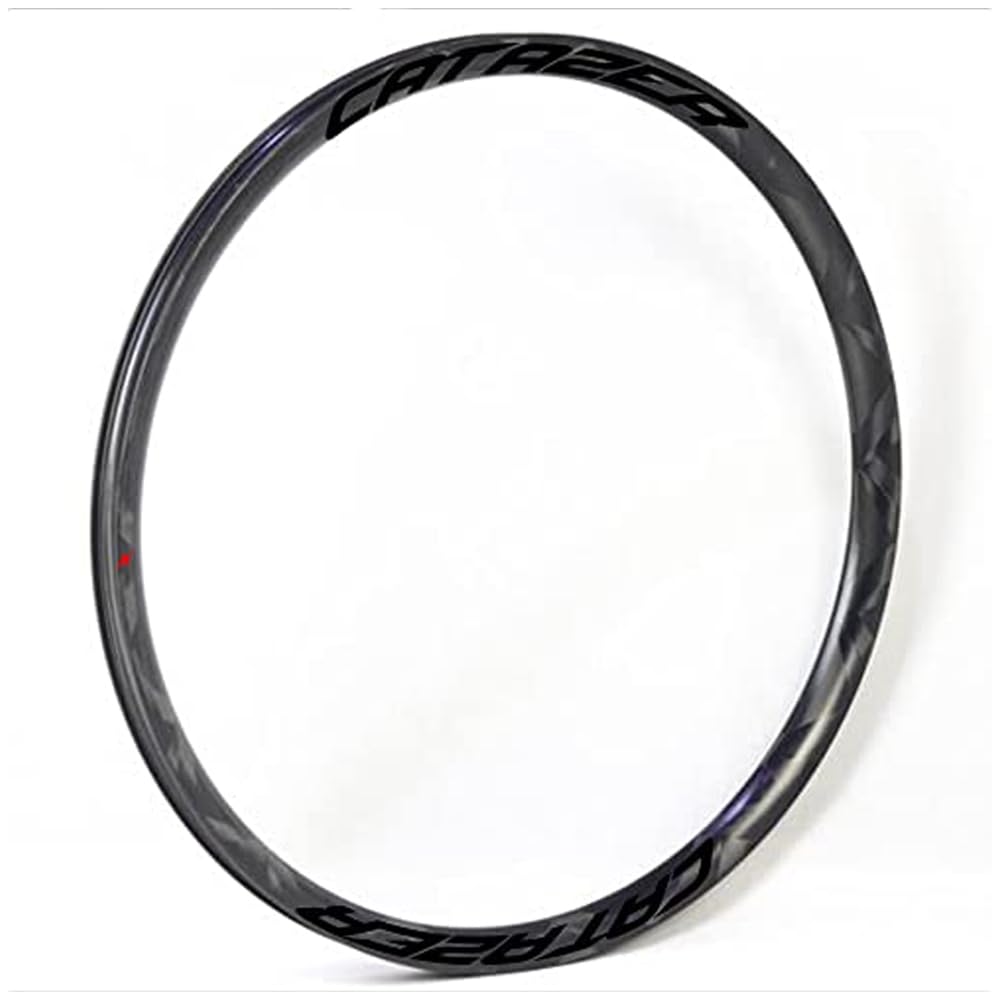

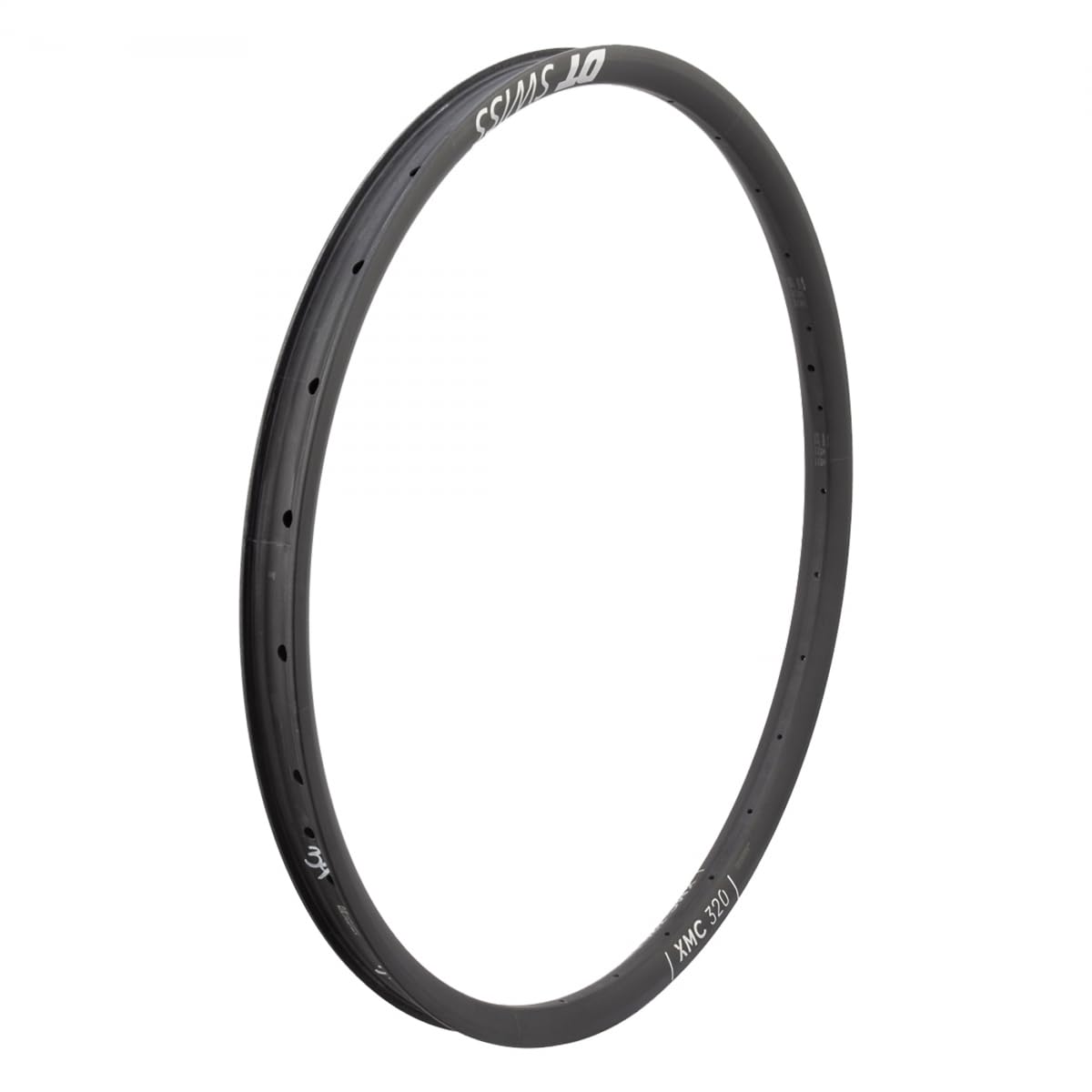
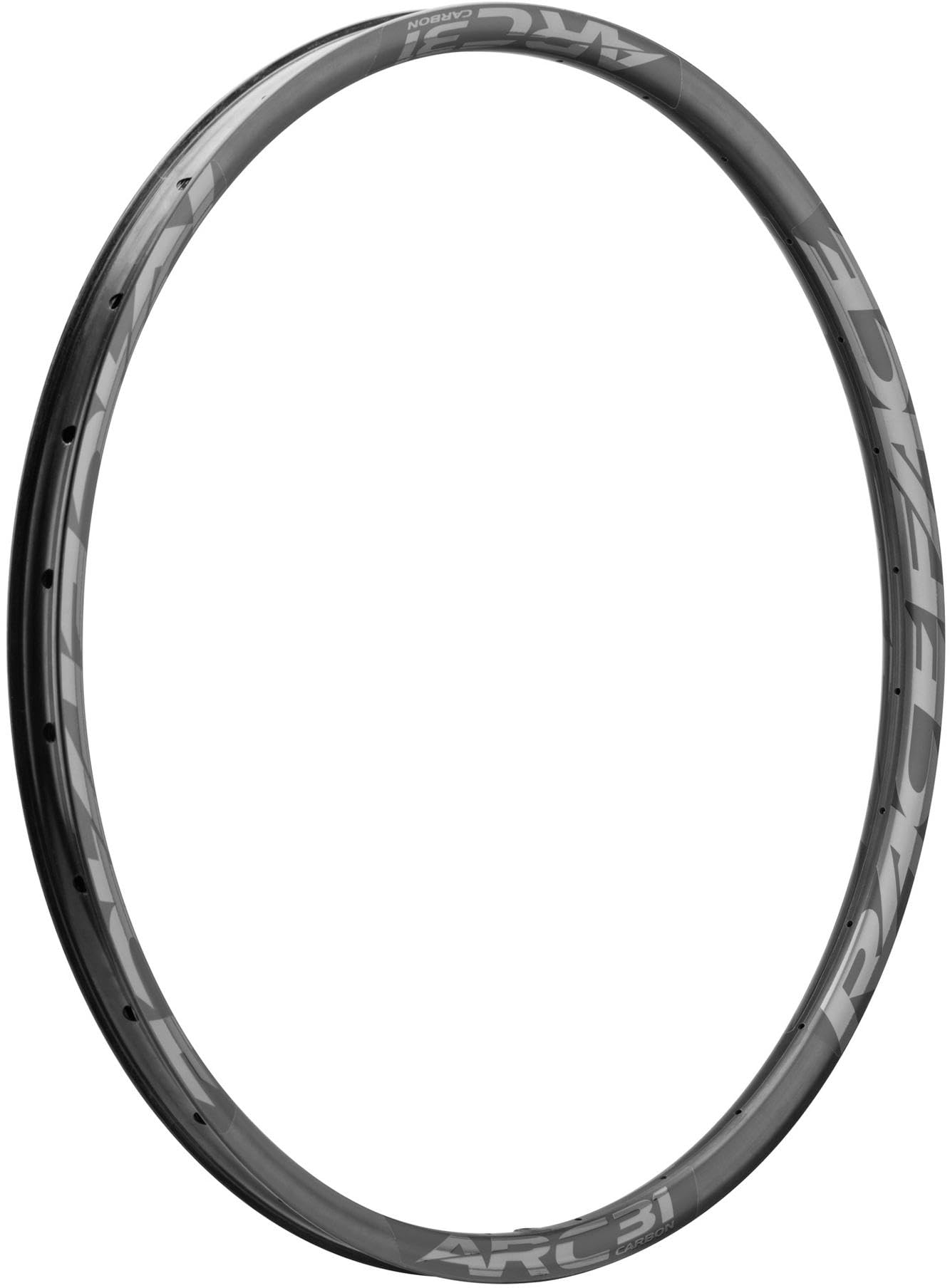
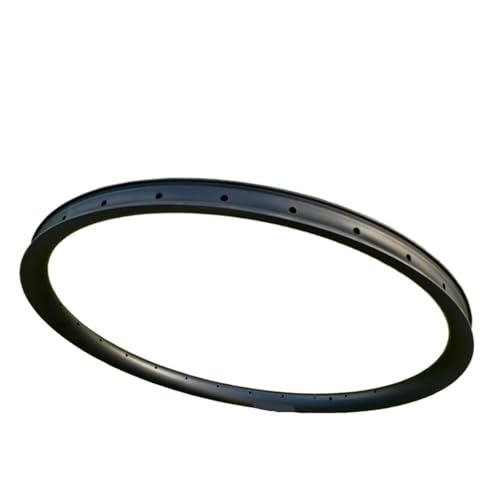
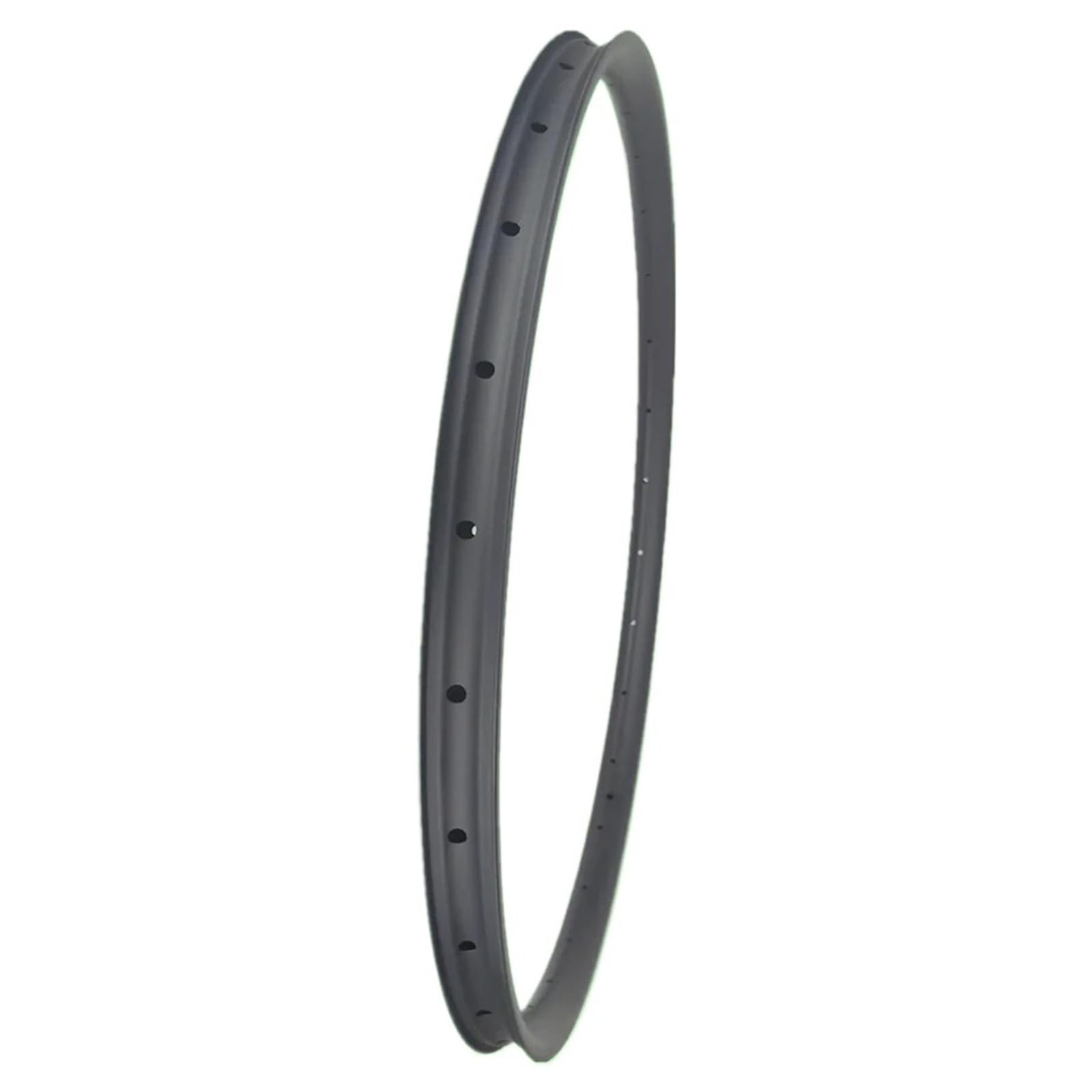
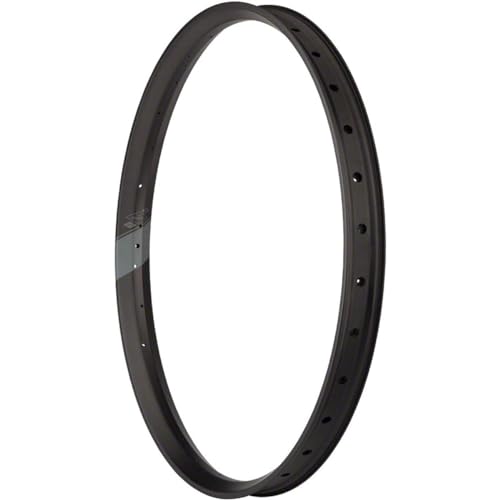
What Each Budget Level Delivers
Instead of ranking named rims, it helps to know what each spending level usually delivers. The same three levels appear across most brands, and the differences are consistent enough to guide a short list. Use these descriptions to set a budget, then compare individual rims inside that level on warranty and fit.
Overall Tier
The overall tier, often around $450 to $700 per rim, balances low weight with a strong warranty and a clear weight limit. Layups are tuned by wheel size, and most models offer several internal widths for cross country through trail use. Spare parts and replacement rims tend to stay available, which matters when you need one rim after a rock strike years later.
This tier suits riders who ride weekly and want one wheel build to last. The extra cost mostly buys support and refined ride feel.
Value Tier
Value rims, often around $250 to $450 each, deliver the core carbon benefits at a lower entry cost. Weight is slightly higher and width choices are fewer, but a well chosen value rim still improves tire support and steering precision over a basic alloy rim. Warranty terms are the main thing to check, since shorter coverage is common here.
This tier suits riders building a second wheelset or trying carbon for the first time. Put the savings toward quality spokes, nipples, and a careful build, because build quality decides how any rim performs. A value rim built well will outlast a premium rim built poorly.
Upgrade Tier
Upgrade tier rims, often around $700 and up per rim, chase the lowest weight or the highest impact strength for racing and bike park use. Some are strikingly light for cross country racing, while others add material for enduro strength. The two goals conflict, so read the intended use carefully instead of assuming expensive means stronger in every way.
This tier suits riders who know exactly which trait they lack now. If you cannot name the problem you are solving, the overall tier will likely serve you better.
How to Choose the Best Carbon Fiber Mountain Bike Rims: Buying Guide
The right rims for you are the ones whose width, drilling, and limits match your tires, hubs, and terrain. Work through the checks below in order, because each one rules out options and makes the next decision smaller. Keep your current tire size and hub standard written down as you read.
Bike Type and Riding Style
Cross country riders usually want lighter rims with internal widths around 25 to 30 mm, paired with tires around 2.2 to 2.4 inches wide. Trail riders do well around 30 to 35 mm internal width with 2.4 to 2.6 inch tires. Enduro and downhill riders may choose wider or stronger layups that tolerate repeated impacts at speed.
Road and gravel bikes use different rim standards and brake interfaces, so do not carry those specs into this purchase. Likewise, a commuter e bike needs rims rated for higher total system weight. The category printed on the rim is a safety limit, not a suggestion, so stay inside it.
Sizing and Fit
Fit here means matching the rim to your wheel size, either 27.5 or 29 inches, and to your hub drilling, commonly 28 or 32 spokes for mountain use. It also means checking total system weight, which is you, your bike, and your gear combined. Many light rims cap that total near 240 to 260 lb, while stronger trail rims allow more.
Frame clearance still matters, because a wider rim makes the same tire sit wider and taller. Our guide to the best carbon fiber mountain bike shows how clearance is listed on complete bikes.
Frame Material and Geometry
Your frame material does not limit rim choice, but geometry and axle standards do. Confirm hub spacing, such as Boost spacing, and confirm your disc brake rotor mount, either center lock or the six bolt pattern. A rim itself is only one part of a wheel, so hub compatibility decides whether your build plan works at all.
Riders sometimes research rims under shortened names in listings. Our guide to the best carbon mountain bike rims uses that shorter naming and covers the same width and drilling checks, which can help when a seller title drops words.
Wheel Size and Tires
Choose tubeless ready rims for modern mountain riding, because tubeless setups let you run lower pressure for grip with fewer pinch flats. Match rim tape width to internal width and use valves that suit the rim depth. A shallow cross country rim and a deep enduro rim need different valve lengths, a small detail that stops many home builds.
Tire shape changes with rim width, and that is the point of upgrading. A tire on a wider rim gains sidewall support, so it squirms less in corners at the same pressure. If you plan a complete wheel purchase later, our guide to the best carbon fiber mountain bike wheels explains when a prebuilt wheel makes more sense than a custom rim build.
Suspension and Travel
Suspension travel hints at impact size, which should guide rim strength. A hardtail or short travel bike around 100 to 120 mm usually pairs with lighter rims, while a 150 to 170 mm bike needs rims that tolerate bigger hits. Full suspension bikes also hold speed over rough ground, so rims see higher loads than the same rider creates on a hardtail.
Do not use rim choice to fix a suspension problem. If your fork dives or your shock feels harsh, service and setup come first.
Drivetrain and Gearing
The drivetrain touches a rim purchase through the rear hub, not the rim itself. If you are lacing rims to new hubs, match the freehub body to your cassette, whether that is a Shimano or SRAM pattern, and confirm your 1x or 2x gearing has no effect on spoke count choices. Keeping the hub decision straight prevents the classic error of a finished wheel that cannot accept your cassette.
Cockpit parts complete the build picture. If you are refreshing the whole front end, our guide to the best carbon fiber mountain bike handlebars covers width and clamp checks, and our guide to the best carbon fiber mountain bike frame covers the clearance questions that wider tires raise.
Types of Carbon Fiber Mountain Bike Rims
Cross Country and Hardtail Bikes
Cross country and hardtail riders want low rotating weight and fast acceleration, so lighter rims around the narrower end of the width range suit them. Because a hardtail sends more impact into the rear wheel, choose a rim with a clear trail rating if your trails are rough.
Full Suspension Mountain Bikes
Full suspension trail and enduro bikes are the core use case for modern carbon mountain rims. Riders gain the most here because speed stays high over rough ground, and tire support and steering precision pay off on every descent. If you own this kind of bike, prioritize impact rating and warranty over the last 50 grams of weight.
Setup and Care Tips
- Check tire pressure before every ride, because carbon rims and tubeless tires both work best inside a fairly narrow pressure range for your weight.
- Clean and lube the chain every 100 to 200 miles, since a gritty drivetrain wears the cassette that your new rear wheel depends on.
- Have a professional tune up yearly, and ask the shop to check spoke tension, because even tension is what keeps a carbon rim true and alive.
- Inspect the bead area after any rock strike, and stop riding on a rim with a crack, deep gouge, or sudden loss of air.
- Store wheels out of direct heat, such as a hot car in summer, because extreme heat is unkind to resins, tape, and sealant.
FAQs
Hardtail or full suspension for beginners?
Either bike can use carbon rims, but a beginner on a hardtail should choose a stronger trail rated rim rather than the lightest race option. Hardtails send more impact into the rear wheel because there is no rear shock to absorb it. That single fact changes rim choice more than skill level does, so rate your first rear rim for durability first and weight second.
How much should I spend on my first rims?
A sensible first carbon rim budget is the value tier, around $250 to $450 per rim, plus build costs if you are lacing them to existing hubs. Remember that spokes, nipples, tape, valves, and labor can add around $150 to $300 per wheel. Comparing rim price alone understates the real cost, so price the whole build before you commit.
What size bike do I need?
For rims, size means wheel diameter and width, not frame size. Match 27.5 or 29 inch rims to your bike, then pick internal width from your tire size: narrower for 2.2 inch cross country tires, wider for 2.5 inch trail tires. If you are also shopping for a bike, use the maker size chart by height and confirm stand over in person.
Are carbon rims too fragile for rough trails?
Good carbon rims are built to handle rocks and roots, but the rating matters. Choose a rim rated for your riding style and weight, run tire pressure that protects the bead, and stop riding on a rim with a crack or deep gouge.
What internal rim width should I choose?
Pick the width from your tire size. Narrower internal widths suit cross country tires, while wider ones suit trail and enduro tires because they support the sidewall and let you run lower pressure. Check the maker's tire width range for each rim.
Final Thoughts
Decide in this order: correct wheel size and drilling, internal width that suits your tires, and a weight and impact rating that suits your terrain. Warranty comes next, and weight comes last. Check the product table above with that order in mind, and the best carbon fiber mountain bike rims for your build will be the ones that fit your hubs, support your tires, and carry support you can trust.


