
Best Carbon Fiber Mountain Bike Wheels Made Simple: A Clear Buying Guide for 2026
Disclosure: We may earn a commission when you buy through links on this page, at no extra cost to you. As an Amazon Associate I earn from qualifying purchases. Learn more

A first time buyer guide to the best carbon fiber mountain bike wheels, explaining wheel size, hubs, internal width, and tubeless setup in plain terms.
Buying wheels for the first time feels like learning a new language, with talk of boost spacing, freehub bodies, and internal widths all at once. The good news is that only a handful of those terms decide whether a wheelset fits your bike and suits your trails. This guide explains the best carbon fiber mountain bike wheels in plain order, from the basics to a simple final checklist.
The comparison table below shows current wheelsets in one place. Do not start there. Start with the fit checks in this guide, note the three or four specs your bike requires, and then use the table to compare only the wheels that pass those checks.



Carbon Fiber Mountain Bike Wheels 101: The Basics
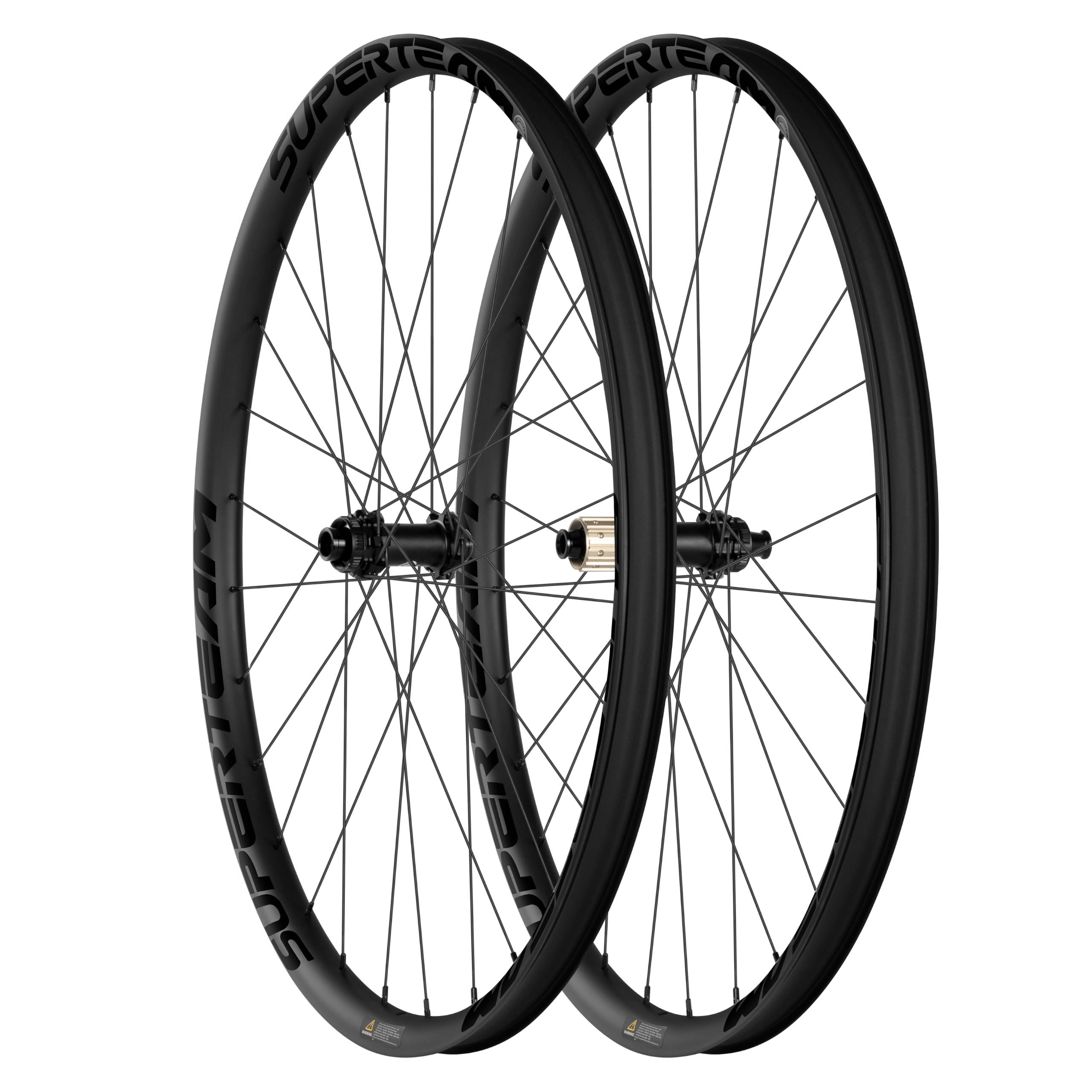
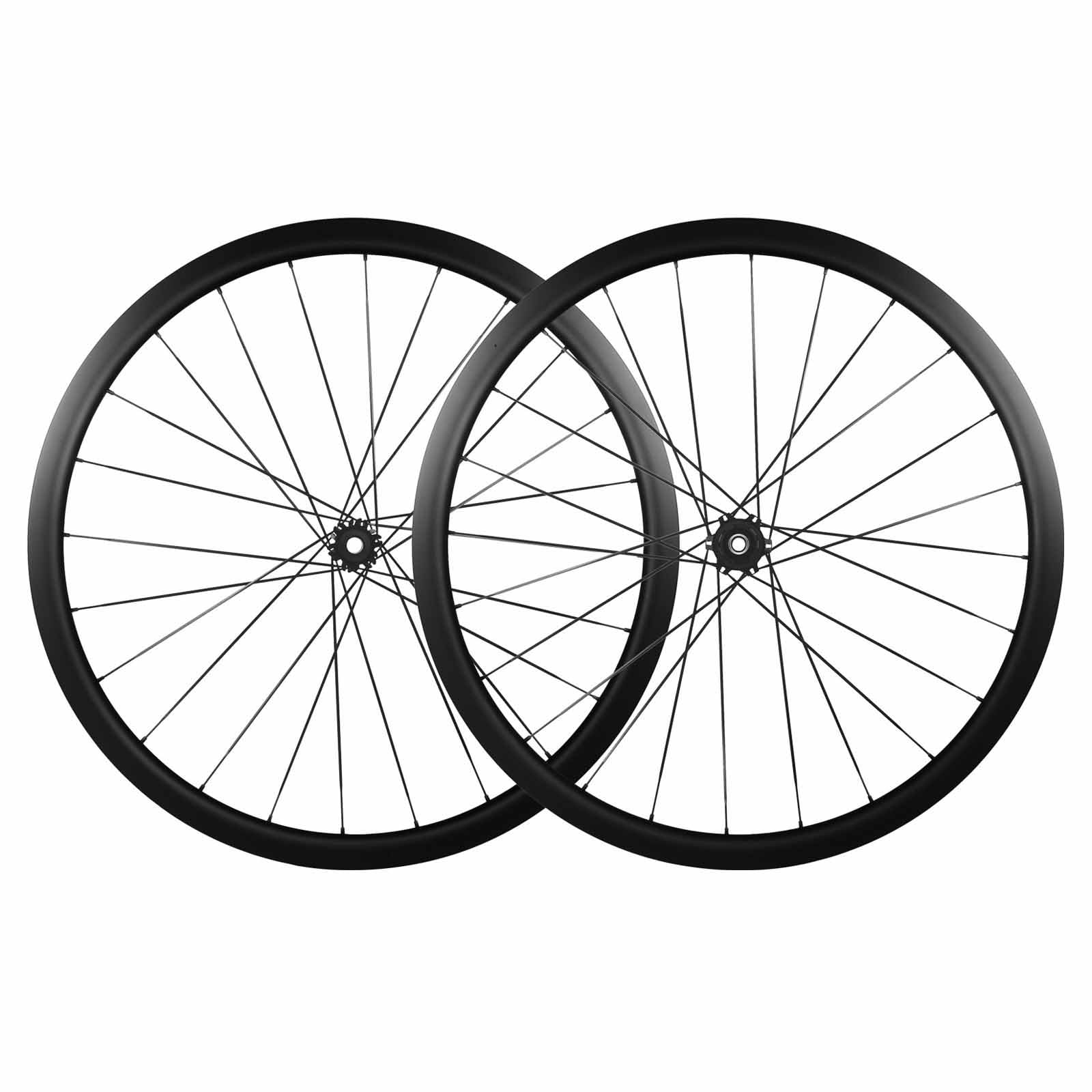
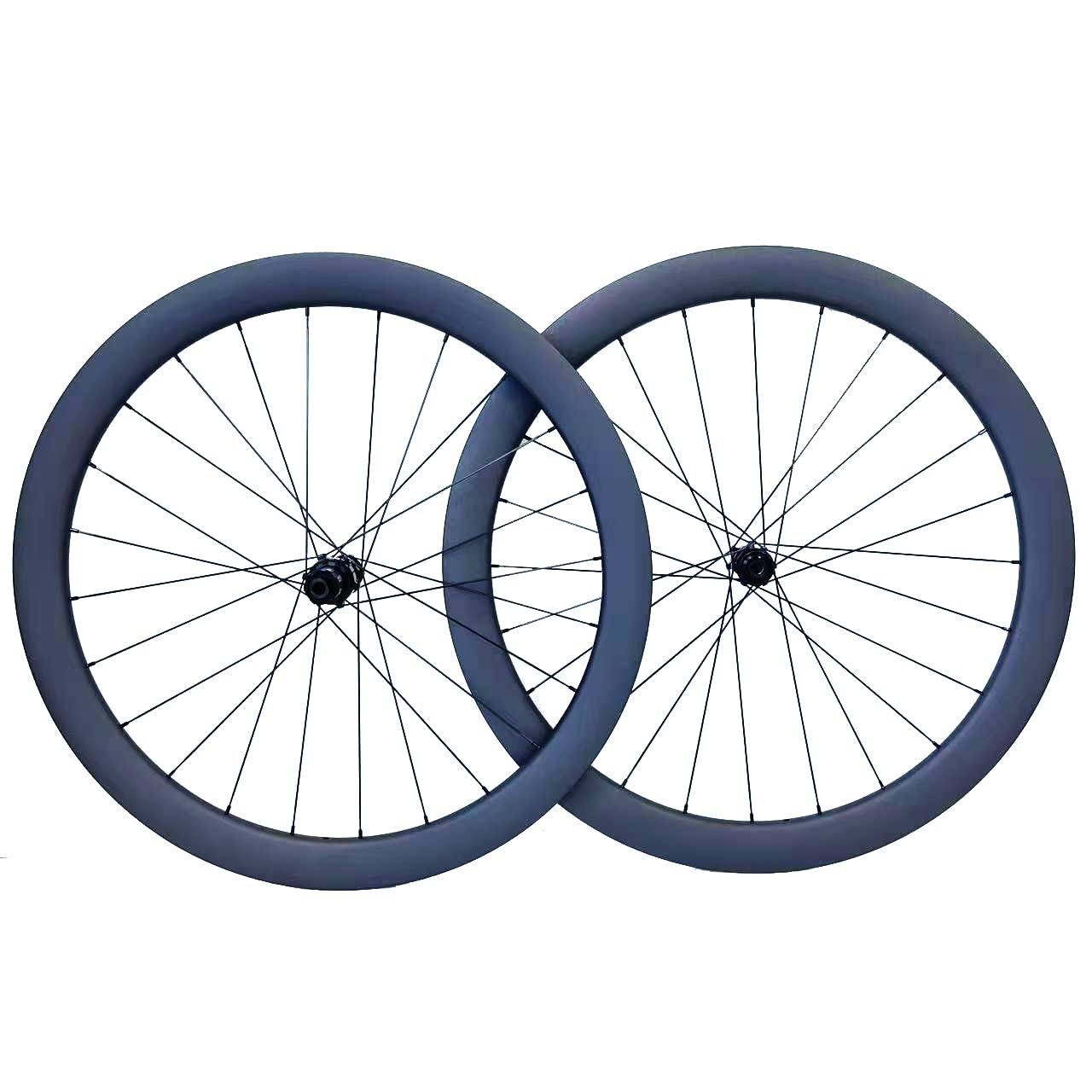
A wheelset is two complete wheels, each built from a rim, spokes, and a hub. Carbon fiber appears in the rim, which is the outer ring that holds the tire. Compared with alloy, a carbon rim is lighter and can be shaped to support the tire more firmly, so the tire feels more stable in corners at the same pressure.
Carbon wheels do not make a bike fast on their own. Their real gifts are quicker acceleration from lower rotating weight, steadier tires in turns, and less vibration through the bars and saddle on rough ground. You feel those gifts most on trails with repeated corners, short climbs, and rocky sections where line choice changes often.
One more basic matters before price: wheels are built for a job. Cross country wheels favor low weight, trail wheels balance weight and strength, and enduro wheels accept more impact. A wheelset used outside its job wears out early or fails, so the category label is the first spec to respect, even before weight.
Key Specs Explained in Plain English
Bike Type and Riding Style
Match the wheelset to the bike you own and the trails you ride most. Cross country and light trail riders, on bikes with about 100 to 130 mm of travel, can choose lighter wheels. Trail and enduro riders on longer travel bikes should choose stronger wheels with higher weight limits, because higher speeds over rough ground load the wheels far more.
Other bike types use different wheels entirely. Road and gravel bikes use narrower rims and different axle standards, and commuter e bike wheels must carry more weight. If you are new to the sport, our guide to the best carbon fiber mountain bike gives a plain overview of the bike categories these wheels belong to.
Brakes: Hydraulic vs Mechanical Disc
Brakes matter to a wheel purchase through the rotor mount on the hub. Most modern mountain hubs use either center lock or a six bolt pattern, and your rotors must match or use an adapter. Hydraulic disc brakes are the common choice on quality bikes because they give strong, even braking with light lever effort and modest upkeep.
Mechanical disc brakes exist on lower cost bikes and work with the same rotor mounts in most cases. The practical check is simple: write down your rotor mount type before you shop. A beautiful wheelset that cannot accept your rotors adds cost and delay, and first time buyers trip on this detail more than any other.
Wheel Size and Tires
Your bike is built for one wheel size, either 29 inch or 27.5 inch, and the wheels must match it. Larger 29 inch wheels roll over obstacles more easily and hold speed well, while 27.5 inch wheels feel quicker to turn and suit smaller frames. Some bikes use a mixed setup with a 29 inch front and a 27.5 inch rear, so check both ends of your bike.
Riders who know they want the larger size can read our dedicated guide to the best carbon mountain bike wheels 29 for size specific advice. For tires, choose tubeless ready wheels and tires so you can run lower pressures for grip. Then match internal rim width to tire width: about 30 mm internal suits most 2.4 to 2.6 inch trail tires well.
Drivetrain and Gearing
The drivetrain connects to the rear wheel at the freehub, the part your cassette slides onto. Shimano and SRAM cassettes use different freehub bodies on many modern systems, so the wheel you buy must carry the body your cassette needs. Most current mountain bikes use a 1x drivetrain with a single front ring, but 1x or 2x gearing does not change wheel choice beyond that freehub check.
Ask one question before you order: will my current cassette fit this hub, or do I need a different freehub body or a new cassette? Getting that answer in writing from the seller prevents the most common first wheel purchase problem. Keep the answer with your receipt in case a return is needed.
Sizing and Fit
Fit for wheels means axle standards as much as diameter. Note your hub spacing, which is Boost spacing on most modern trail bikes, and your axle type, usually thru axles front and rear. Also note the system weight limit of any wheelset you consider, which covers rider, bike, and gear together, and stay inside it with room to spare.
Frame size charts and stand over height belong to buying a bike, not wheels, but one fit link remains: tire clearance. A wider rim makes a tire sit wider, so confirm your frame and fork clear the new tire shape. If you are building a bike around new wheels, our guide to the best carbon fiber mountain bike rims explains rim only purchases, and our notes on the best carbon fiber mountain bike handlebars cover the cockpit fit checks that finish a build.
Rookie Mistakes to Avoid
- Ordering by wheel size alone and missing hub spacing or freehub type, so the wheels cannot be installed at all.
- Choosing the lightest cross country wheels for enduro trails, then blaming carbon when an under rated rim cracks.
- Ignoring the system weight limit, which is easy to exceed once a pack, water, and protective gear are added.
- Forgetting tubeless supplies, so tape, valves, and sealant delay the first ride by a week.
- Comparing only price per wheelset while skipping warranty and crash replacement terms, which decide real ownership cost.
There is also a naming trap for new shoppers. Many listings shorten the product name, so our guide to the best carbon mountain bike wheels can help you confirm that a shorter title still describes the same kind of wheelset you intended to buy.
Getting Started: Setup and First Use
When the box arrives, check both wheels for shipping damage before you mount anything, and save the packaging until after your first rides. Fit tubeless tape if it is not already installed, add valves and sealant, and seat the tires with a pump or compressor as the tire maker directs. Spin each wheel and confirm the rotor runs true between the brake pads.
On the first ride, take it easy and recheck the basics part way through. Check tire pressure before every ride from then on, because tubeless tires lose a little air over time. Clean and lube the chain every 100 to 200 miles, and after the first few rides ask a shop to confirm spoke tension, since new wheels settle slightly as parts bed in.
FAQs
Hardtail or full suspension for beginners?
Both are fine first bikes, and both can use carbon wheels, but the wheel choice differs a little. A hardtail sends more trail impact into the rear wheel, so beginners on hardtails should pick trail rated wheels over the lightest race wheels. On a full suspension bike the shock absorbs some of that load, which gives you a wider range of safe wheel choices.
How much should I spend on my first wheelset?
A realistic first carbon wheelset budget is around $800 to $1,500 for a trail rated pair with a decent warranty. Below that range, check weight limits and support terms with extra care. Above it, you mostly buy lower weight and finer hub engagement. Spend first on correct fit and rating, because an expensive wheelset that does not fit your hubs is worth nothing to you.
What size bike do I need?
For wheels, the size question means wheel diameter, and your bike already answers it: match 29 inch or 27.5 inch wheels to the bike you own. If you are also choosing a bike, use the maker height chart as a start and confirm stand over and reach in person. Wheel size and frame size are linked on complete bikes, which is why getting the bike right comes first.
Are carbon wheels worth it on a mountain bike?
They are worth it if you want quicker acceleration, a stiffer feel and a lighter bike, and you ride often enough to notice. A trail rated carbon wheelset can also take impacts well, but a quality aluminum wheelset costs far less and suits many riders just fine.
How do I know if a wheelset fits my bike?
Match wheel diameter, hub spacing such as Boost, axle type, brake rotor mount and freehub body to your bike and cassette. Write those five items down before you shop and confirm each one in the listing.
Final Thoughts
Keep your first wheel purchase simple: correct diameter and hub spacing, a freehub that fits your cassette, and a rating that matches your trails and weight. Those three checks do more for your riding than any weight figure. Compare the product table above once your short list passes them, and the best carbon fiber mountain bike wheels for your bike will be easy to spot and easy to enjoy from the first ride.


