Best Cell Cameras for Hunting: Everything to Know Before Your First Purchase for 2026
Disclosure: We may earn a commission when you buy through links on this page, at no extra cost to you. As an Amazon Associate I earn from qualifying purchases. Learn more

How cell cameras for hunting work, which specs matter for scouting, and the rookie mistakes to avoid before you hang your first one.
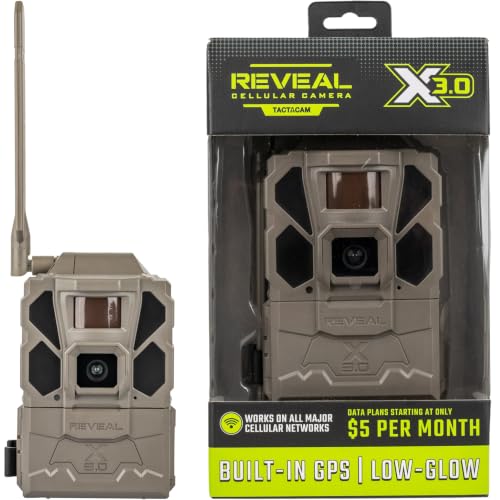
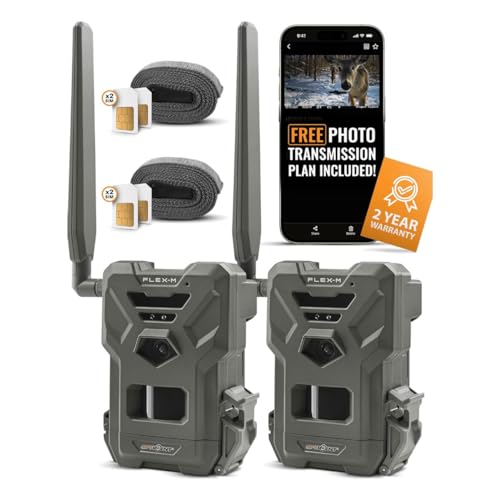
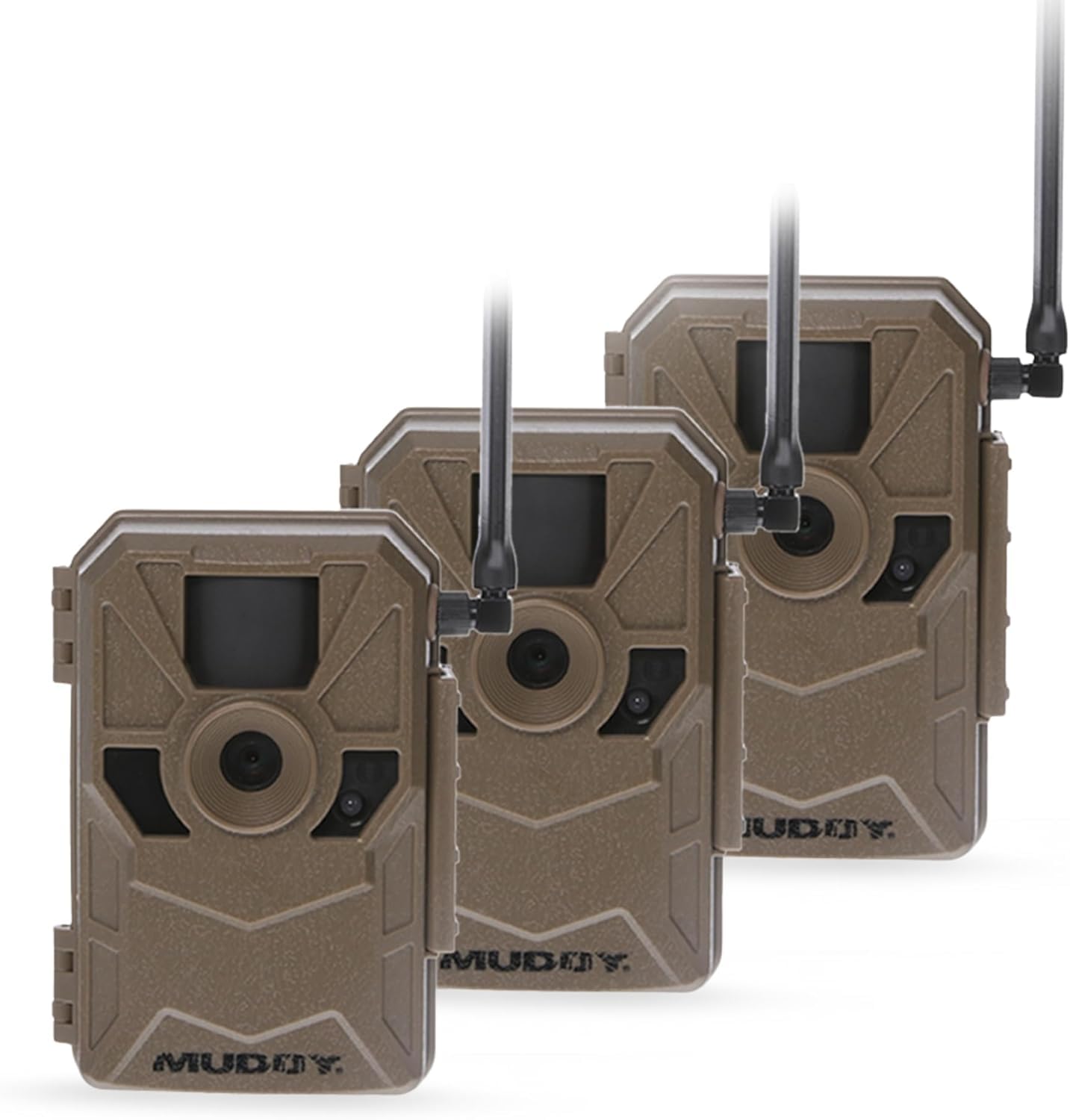
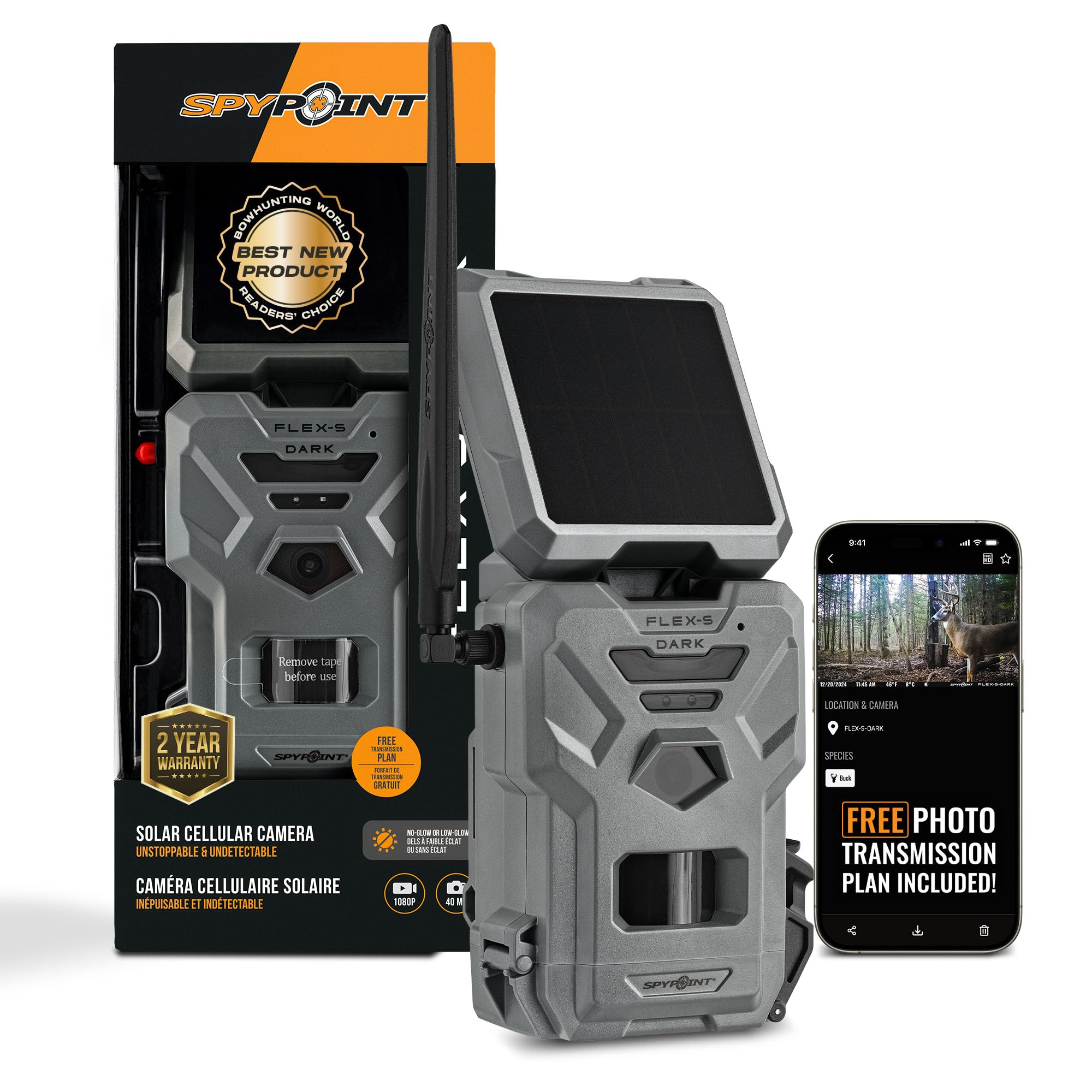
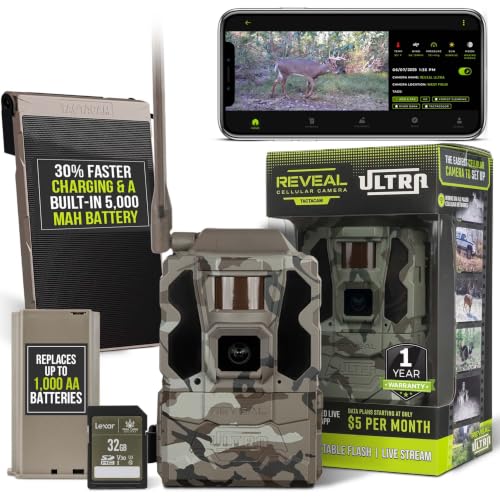
A best cell cameras for hunting guide starts with one simple idea. A cellular trail camera watches a trail, a feeder, or a field edge while you are somewhere else, and it sends photos or short clips to your phone through the mobile network. You do not have to walk in every few days to pull a memory card. The comparison table below lists the main types side by side.
The hard part is not finding a camera. It is sorting honest differences from marketing noise. Trigger speed, detection range, night vision, battery life, and the monthly plan all shape what you actually get in the field. This guide explains each one in plain English, flags the mistakes new buyers make most often, and ends with a short setup routine for your first outing.




Cell Cameras 101: The Basics
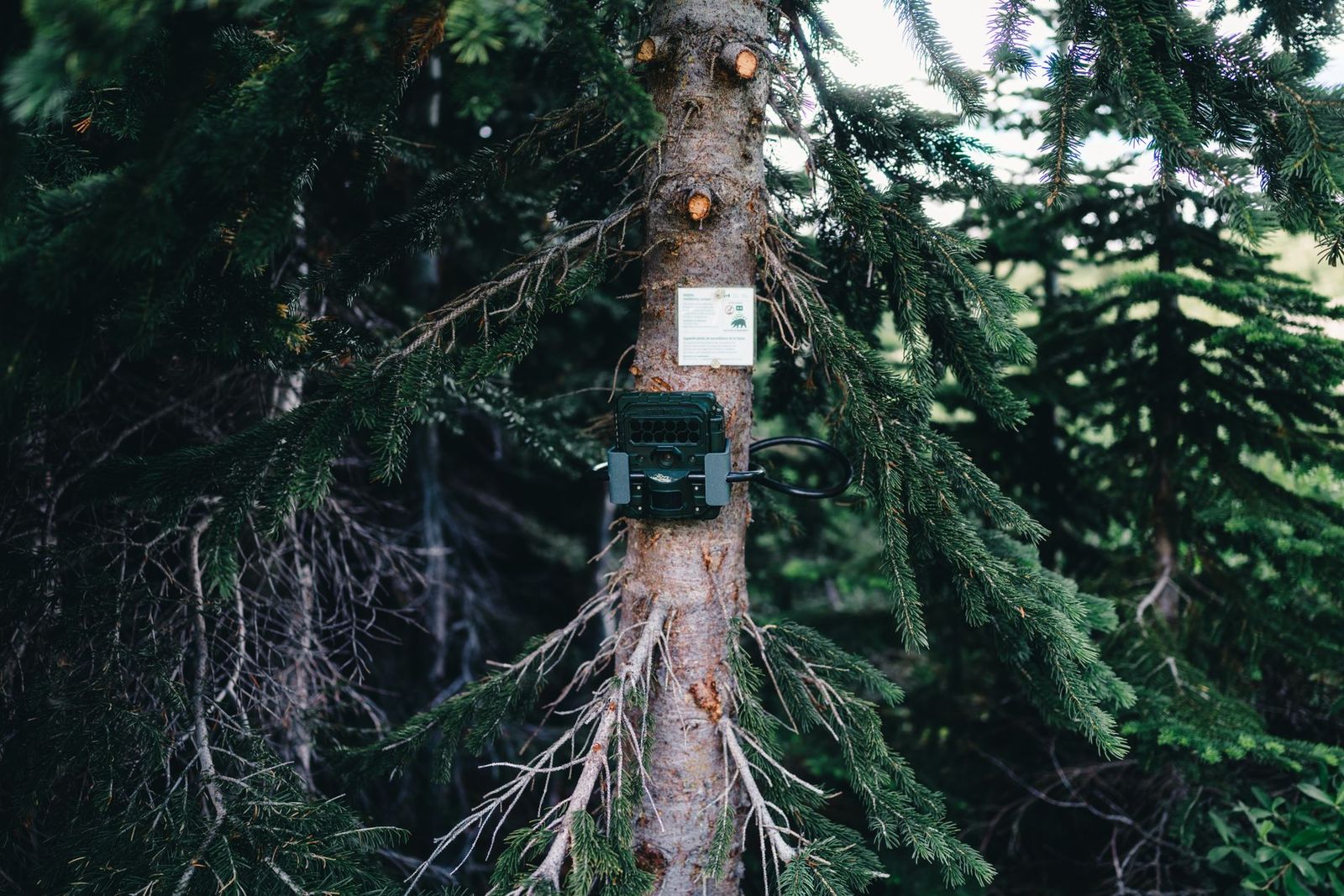
A cellular trail camera is a weather resistant camera that mounts to a tree or a post and waits for movement. When its motion sensor detects heat and movement in its detection zone, it wakes up, takes a photo or a video, and stores that file on a memory card. A cellular model then sends a smaller preview version to an app on your phone using a mobile data connection. The full resolution file usually stays on the card until you collect it, so the preview is for scouting, not for printing or detailed study.
That connection is the main difference between a cellular camera and a standard trail camera. A standard camera only records to the card, so you must visit it to see anything. A cellular camera costs more up front and usually needs a data plan, but it tells you what is happening right now. That matters when you want to know whether animals are using a trail this week or whether a camera has shifted after a storm.
Before you buy, check two practical points. First, confirm that the carrier the camera uses has coverage where you plan to hang it, because a camera with no signal is just an expensive standard camera. Second, read the plan terms, including the monthly photo limit and what happens when you pass it. A cheap camera with a costly plan can cost more over a season than a pricier camera with a fair plan.
Key Specs Explained in Plain English
Spec sheets look technical, but most numbers answer simple questions: how fast does the camera react, how far can it see, how clear is the night image, and how long will the batteries last? The sections below translate each spec into field terms.
Features That Matter for Hunting
Hunting use puts different demands on a camera than backyard watching. You need a camera that wakes fast when an animal crosses at a trot, holds up through rain and cold, and stays quiet in the woods. A slow trigger means empty frames of a trail where an animal just passed. Look for a sturdy latch, a simple mounting system that holds the camera steady, and controls you can operate with cold hands.
Placement matters more than camouflage: a camera hung at the right height and angle, clear of swaying branches, beats a fancier camera hung poorly.
Trigger Speed and Detection Range
Trigger speed is the delay between motion in the detection zone and the photo being taken, usually measured in fractions of a second. Faster is better on trails where animals move quickly, while a slower trigger can still work at a feeder where animals linger. Detection range is how far away the sensor notices movement, and it is not the same as the distance at which a photo stays clear. Match the range to your spot: a narrow trail needs a fast trigger more than a long range, while an open field edge benefits from a wider detection zone.
For a related scouting option, see our guide to best hunting cameras for standard trail camera choices.
Image and Video Quality
Megapixels get the most attention and matter the least on their own. The sensor, the lens, and the processing shape the image far more than the headline number. A modest sensor with good daylight processing gives a clean, identifiable animal photo, while an inflated megapixel count on a small sensor gives a larger file that still looks soft. Short video clips show behavior that a still photo misses, such as direction of travel and group size, but they use more battery and more data.
Many hunters start with photos and switch to short clips only at spots where behavior matters. If you want a non cellular option for comparison, see our guide to best cell trail cameras for how cellular and card only models differ in daily use.
Night Vision and Flash
Night images come from infrared light the camera produces itself, so the animal sees little or nothing while the camera still records. Low glow infrared gives a faint red glow that most animals ignore, while no glow infrared stays invisible but usually reaches a shorter distance. Judge night quality by whether you can identify the animal and count points or group size, not by the advertised range alone. Hang the camera so nearby brush does not reflect the flash back into the lens, which is the most common cause of white, empty night photos.
Battery Life and Power
Battery life depends on how often the camera triggers, how many photos it sends, the temperature, and whether it records video. A camera at a busy feeder in cold weather will drain far faster than the same camera on a quiet trail in mild weather. Alkaline batteries fade quickly in cold, while lithium batteries hold up better in winter and last longer overall. Some cameras accept an external battery pack or a small solar panel, which can stretch service intervals on remote spots.
Carry spare batteries on every visit, because a dead camera during a good week of movement is a wasted week. For a simpler starting point, see our guide to best cell cameras for general cellular camera basics.
Cellular Plans and Coverage
The data plan is part of the purchase, not an afterthought. Compare plans by the number of photos included, the cost of extra photos, whether video previews cost extra, and whether you can pause the plan in the off season. Some plans charge per camera, so running three cameras triples the monthly cost, while others offer a shared pool. Also check the app: you want clear notifications, easy browsing by date and camera, and a simple way to change settings remotely without a trip to the tree.
Rookie Mistakes to Avoid
- Hanging the camera too high or too low. A camera aimed at the sky or at the ground misses the animal entirely, so set it around chest height on a trail and angle it slightly downward for close spots.
- Ignoring moving branches. Swaying grass and branches in the detection zone trigger hundreds of empty photos, drain batteries, and eat up your monthly photo allowance.
- Skipping the signal check. A camera hung in a dead zone sends nothing, so test coverage at the exact tree before you leave, not at the trailhead.
- Choosing video everywhere. Video is useful at key spots, but it drains batteries and data fast, so use photos as the default and reserve video for places where behavior matters.
- Forgetting the card and the date. A full, slow, or missing memory card stops recording, and a wrong date makes it hard to pattern movement, so format the card and check the clock on every visit.
Getting Started: Setup and First Use
Start at home, not in the woods. Insert the memory card and batteries, set the date and time, connect the camera to the app, and take a few test photos in your yard. Confirm that previews arrive on your phone and that the images look sharp at the distances you expect in the field. This short test catches most problems while they are still easy to fix.
At the site, pick a sturdy tree with a clear view of the trail and no brush in the immediate foreground. Mount the camera firmly so wind cannot shift it, then walk the trail yourself and check that the camera triggers as you pass. Use a lens cloth, not your shirt, to clean the lens and the sensor window, because fabric can leave residue that softens images. Carry a spare battery on every visit, and check local wildlife rules and land access rules before you hang a camera on land you do not own.
Follow local placement, recording, and consent rules for cameras on shared or public land, since this guide makes no privacy or security guarantees.
Cell Cameras: Your Questions Answered
What features matter most in cell cameras for hunting?
Trigger speed, detection range, night image quality, battery life, and the data plan matter most, because together they decide whether you get usable photos without constant visits. A fast trigger catches animals crossing a trail, good night vision identifies them after dark, and a fair plan keeps monthly costs predictable. Durability matters too, since a camera that fogs up or fails in rain helps no one. Start with those five factors, then weigh extras such as video mode, external power options, and remote setting changes against their cost in battery life and data.
What specs matter most for beginners?
Beginners should focus on trigger speed, night range, battery type, and plan cost rather than chasing the highest megapixel count. A camera that wakes quickly and records clear night images will teach you more about a spot than a camera with a big headline number and a slow trigger. Lithium batteries and a simple app also make the first season easier, because they reduce cold weather failures and confusing settings. Once you know how often your spots trigger and how many photos you use each month, you can judge whether a fancier camera or a bigger plan is worth it.
How much should I spend on my first one?
Most first time buyers do well with a midrange camera, around $100 to $200 for the camera itself plus the monthly plan cost. Budget cameras under $100 can work well on quiet trails, but they often trigger more slowly and send weaker night images. Spending more usually buys faster triggers, better night quality, and sturdier housings rather than a different kind of camera. Start with one camera, learn your spots and your monthly photo use, and add cameras only after you know the plan cost you are comfortable paying each month.
Do cell cameras for hunting work without a signal?
A cell camera still triggers and saves photos to its memory card without a signal, but it cannot send previews until it reconnects. Check carrier coverage at the exact tree before you commit to a spot, and consider a spot higher on a ridge if the signal is weak. Many hunters keep one standard card only camera for dead zones and use cellular models where coverage is reliable.
Is a smartphone enough instead?
A smartphone works for photos you take yourself, but it cannot watch a trail around the clock for days at a time. A cellular trail camera stays in place through rain and cold, triggers on its own, and sends you updates without you being there. That is the whole point of scouting: learning when animals use a spot while you stay away and keep disturbance low. A phone is still useful in the system, since the app is how you view photos, change settings, and manage plans.
Which is better for low light?
No glow infrared is the quietest choice for low light, because it stays invisible to animals and people, but it usually reaches a shorter distance than low glow infrared. Low glow gives a faint red glow and a longer reach, which suits open spots where distance matters more than stealth. The better choice depends on your spot: a close trail camera benefits from no glow invisibility, while a field edge camera benefits from low glow reach. Either way, clear the foreground of brush, because reflected infrared light causes more bad night photos than the choice of flash type.
Our Verdict
For a first camera, prioritize a fast trigger, clear night images, lithium friendly power, and a plan you can afford all season. Those four points decide whether scouting feels helpful or frustrating, and they matter more than the headline megapixel count. Hang the camera carefully and test it before you leave. The best cell cameras for hunting are the ones that keep sending useful photos with the least fuss, and the product table above is a good place to compare the types side by side before you choose.