Best Cell Link Trail Cameras for 2026: What Your Money Really Gets You at Every Price
Disclosure: We may earn a commission when you buy through links on this page, at no extra cost to you. As an Amazon Associate I earn from qualifying purchases. Learn more

Compare cell link trail cameras by budget and learn what each price tier adds for signal, detection, night flash, battery life and data plan costs.
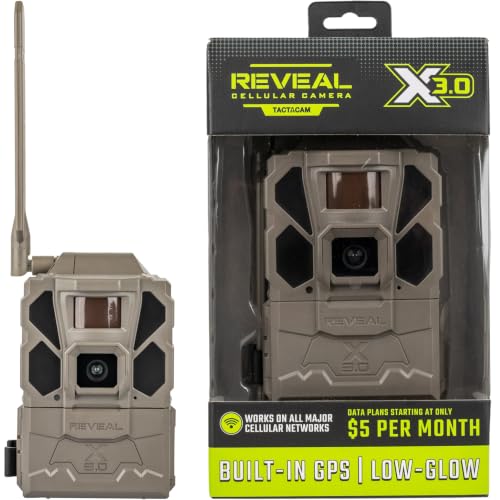
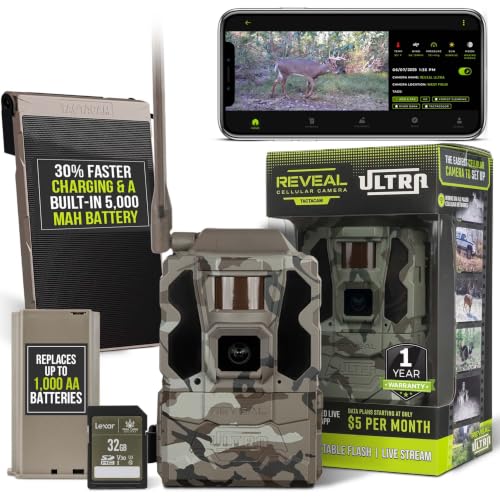
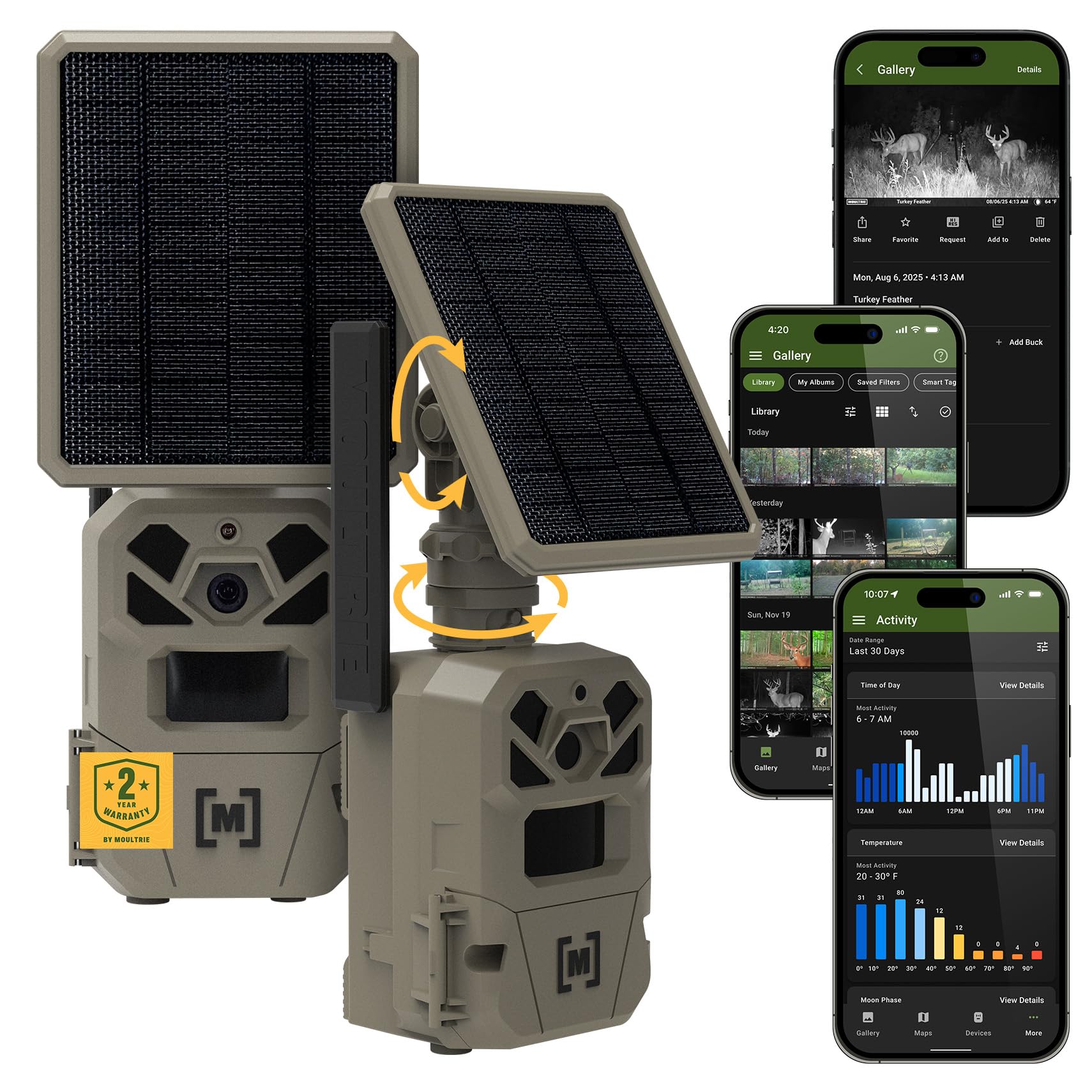
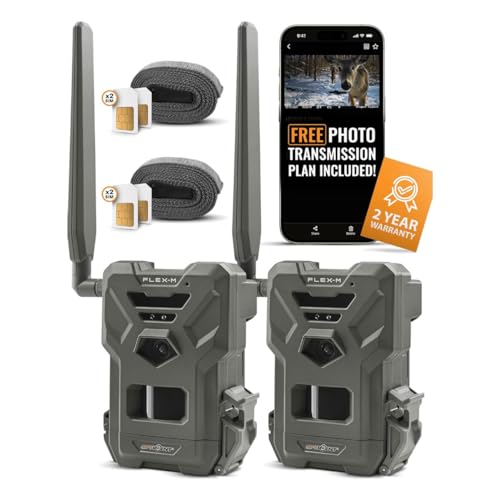
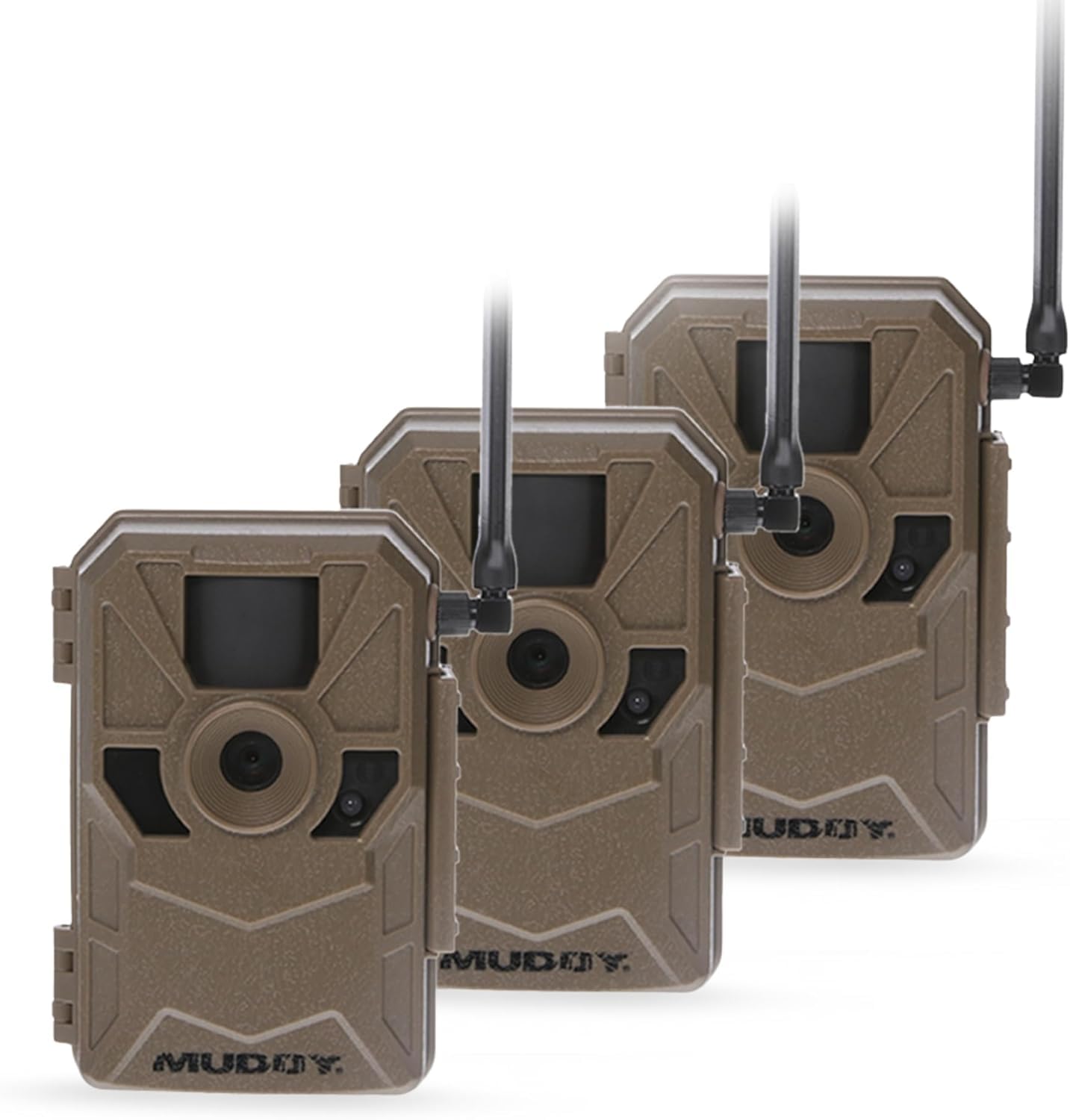
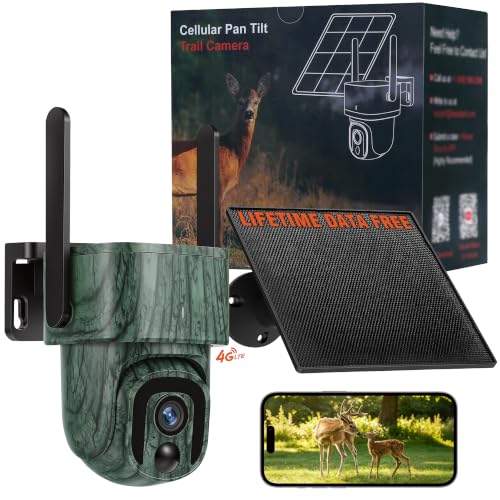
A cellular trail camera only earns its keep if photos reach your phone from a place you cannot visit often. The best cell link trail cameras send each new photo through a mobile network, so a distant lease, a back pasture or a rural cabin can report in without a card pull. Use the comparison table below to see how far your budget goes.
This guide follows the money. You will see what each price tier includes, which features change daily use, and which costs continue after checkout. Signal, detection, flash type and app tools matter more here than headline megapixels.




Who Should Buy a Cell Link Trail Camera?
Choose this format when distance makes a normal card swap a poor plan. If you visit a site every few days anyway, a standard camera costs less to run; for that work see our guide to the best trail cameras.
Hunters Who Pattern Game From Afar
You lease land an hour away and want to know when deer use a trail, without leaving scent on weekly visits. A linked camera sends photos after each trigger, so you can time a hunt from home. Look for a fast trigger, a quiet no glow flash and an app that sorts photos by time of day.
Landowners Watching Gates, Barns and Pastures
You need eyes on a gate, a feed area or a far fence line where people and animals should follow a pattern. A linked camera alerts you soon after motion, so you can spot a loose gate or an unknown visitor in time to act. Choose a strong antenna, a mount that accepts a lock box and a plan with enough photos for busy days.
Cabin Owners and Wildlife Watchers Between Visits
You may leave a cabin empty for weeks, yet still want to know which animals visit and whether a storm dropped a tree across the drive. A wide detection zone and a solar panel option suit long gaps, since battery swaps are the trip to avoid.
What Each Tier Buys When Plans Count Too
When you compare best cell link trail cameras by tier, judge the whole system rather than the camera alone. A low camera price can hide a costly plan, while a higher price may include tools that save trips.
Budget Tier: Remote Photos With the Basics Kept
Cameras at about $70 to $120 send small preview photos, offer one network option and use a basic app with few sorting tools. Detection and flash ranges sit at the shorter end, and video may stay on the card. This tier suits one camera on a site with strong signal and modest photo volume.
Midrange Tier: Clearer Media and Room for More Cameras
Models at about $120 to $220 tend to add a choice of networks or stronger antennas, faster delivery and larger photo files on request. Apps usually handle several cameras and group alerts, which helps when one property has three or four sites. Daily use improves most at this step for most buyers.
Premium Tier: On Demand Views and Finer Control
Cameras at about $220 to $400 may add on demand photos or short clips, location stamps, better night range and tougher housings. Those tools pay off on large land, in weak signal areas or where a missed alert has a real cost. On a small site with strong signal, much of this tier buys convenience rather than more animals found.
Key Features to Compare
Rank these factors first, since a camera that cannot connect or cannot see at night fails at its main job.
Carrier Coverage and Antenna Strength
Check which mobile networks the camera can use and how strong the signal is at the exact tree or post you plan to use. A camera locked to a weak network at your site will deliver late or not at all, while a model that can switch networks gives you a fallback. For the wider cellular category, see our guide to the best cell trail cameras.
Detection Zone and Trigger Speed
A passive infrared sensor wakes the camera when heat moves across its zone, so range and angle shape your results. A zone of about 70 to 90 feet with a trigger of about 0.3 to 0.5 seconds catches animals that cross rather than pose. A zone too wide for a narrow trail invites empty frames from moving brush.
Night Flash Type and Flash Range
Most linked cameras use infrared light that animals barely notice. Low glow flash shows faint red points at the lens and often reaches farther, while no glow flash stays dark and suits wary game or a gate where you want no visible sign. Expect a useful night range of about 60 to 90 feet, with detail falling off before the far edge.
Image Quality and What Actually Reaches Your Phone
The photo saved to the card and the photo sent to your phone are often two different files. Many plans send a small preview first, then let you request a larger file or a short video, sometimes for extra plan credit. Headline megapixels may come from software enlargement, so judge sample detail and night clarity instead. Confirm that full size delivery is part of your plan.
Battery Life and Power Options
Each send draws more power than a card only camera uses, and a busy site sends often. Most run on AA batteries, with lithium cells lasting longest in cold weather, while some accept a rechargeable pack, a solar panel or an external battery box. A site that fires hundreds of times a week can drain a set in weeks rather than months.
App Tools, Alerts and Photo Sorting
The app is where you will live with this camera, so its tools matter as much as the lens. Useful apps send alerts soon after a photo, group cameras by property, filter by time of day and mark favorites for later study. Check whether basic alerts need a paid tier, since that changes the real price.
Monthly Data Plans Add Up Fast
The camera price is only the first payment. Each camera needs its own data plan, commonly about $5 to $15 a month, and busy sites may need a larger allowance. Three cameras on mid level plans can cost more in a year than one camera did at checkout. For phone delivery models, see our guide to the best cell phone trail cameras.
Add batteries or a solar panel, a memory card, a mount and a lock box, plus fuel when a unit needs a service trip. A camera that fails in its second season costs more over time than a pricier one that keeps sending. Price the full first year before you choose a tier.
Common Mistakes to Avoid
Most failures come from site and plan choices, not from the camera itself.
- Buying before you check network coverage at the site leaves you with a camera that records well but sends nothing.
- Aiming the camera at the rising or setting sun fills your plan allowance with washed out frames and false alerts.
- Mounting a camera too high puts animals at the edge of the detection zone, so heads leave the frame.
- Choosing the cheapest plan for a busy feeder site stops delivery partway through the month, when activity peaks.
- Skipping a lock box or cable on open land makes the camera an easy target for theft.
How to Make Your Cell Link Trail Camera Last Longer
Wipe the lens, the sensor window and the solar panel, if one is fitted, with a soft dry cloth at each visit, and clear webs that can reflect the flash at night. Check the door seal for grit and cracks, since a dirty seal lets water in.
Swap or charge batteries before they run flat, because a camera that dies during a send can corrupt a card and lose stored photos. Format the card in the camera after saving what you need, and dry a soaked unit indoors before you open it.
Cell Link Trail Cameras: Your Questions Answered
Do cell link trail cameras work where cell service is weak?
Yes, a cell link trail camera can work with weak service, but delivery slows and retries drain the battery. Photos queue until a send succeeds, so a one bar site may deliver in batches rather than at once. Raise the camera or fit an external antenna where allowed, and test at the mount first.
Is a smartphone enough instead of a cell link trail camera?
No, a smartphone is not enough for this job, since it must stay charged, dry and pointed at one spot for weeks. A trail camera sips power, wakes only on motion and tolerates rain and frost that would end a phone left outdoors.
How much should I spend on a first cell link trail camera?
Plan on about $120 to $220 for a first cell link trail camera, plus the monthly plan. That range buys dependable detection, a usable app and delivery of larger photos on request. Spend less only if your site has strong signal and low traffic, and keep budget back for batteries, a card and a lock box.
Why do cell link trail camera photos arrive as small previews?
Small previews arrive first because they use little data and reach you fast on a weak signal. The camera keeps the full file on its card or in cloud storage, and the app lets you request that larger version when detail matters. This split keeps a busy site within its plan allowance.
Can a cell link trail camera still record without any cell signal?
Yes, a cell link trail camera still records photos and video to its memory card when no signal is available. It cannot send them until it connects again, and some models pause sending to save power after repeated failures. Treat the card as your backup record if alerts go quiet.
Final Thoughts
Start with coverage at your site, then weigh detection, night flash and the cost of the plan. The product table above lets you compare those points tier by tier before you commit.
When the best cell link trail cameras on your short list all connect well at your land, choose the one whose app and plan you will happily use all season.