
Best Carbon Fiber Mountain Bike Frame at Every Price: What Your Money Really Gets You for 2026
Disclosure: We may earn a commission when you buy through links on this page, at no extra cost to you. As an Amazon Associate I earn from qualifying purchases. Learn more

Learn how to choose the best carbon fiber mountain bike frame by budget, geometry, layup quality, and fit, with a clear checklist for every price tier.
Prices for carbon frames stretch from a few hundred dollars to several thousand, and the gap can feel hard to justify. This guide shows you where extra money actually improves ride feel, durability, and fit, and where it mostly buys small weight savings. By the end you will know how to judge the best carbon fiber mountain bike frame for your trails and your budget.
The comparison table below gives you a quick view of current options. Read the sections after it before you decide, because two frames with similar weights can ride very differently once geometry, hardware, and warranty support enter the picture.


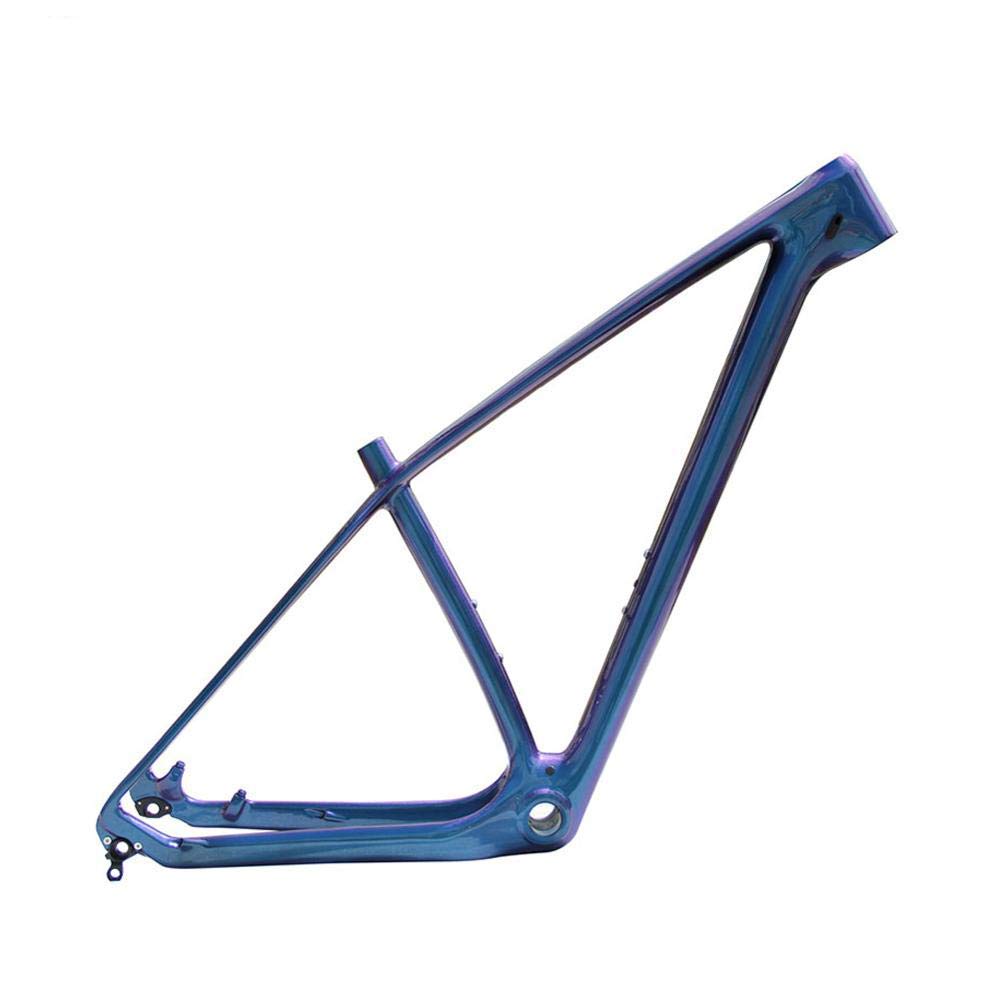

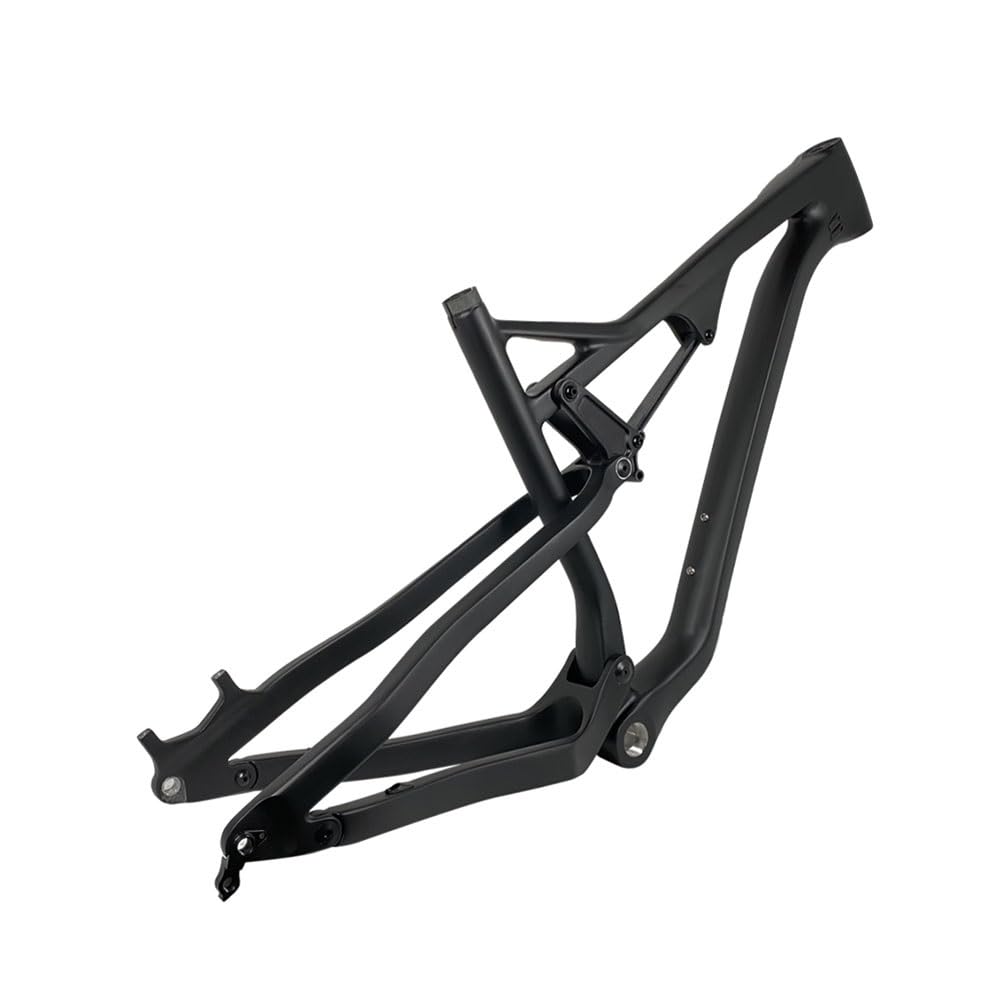


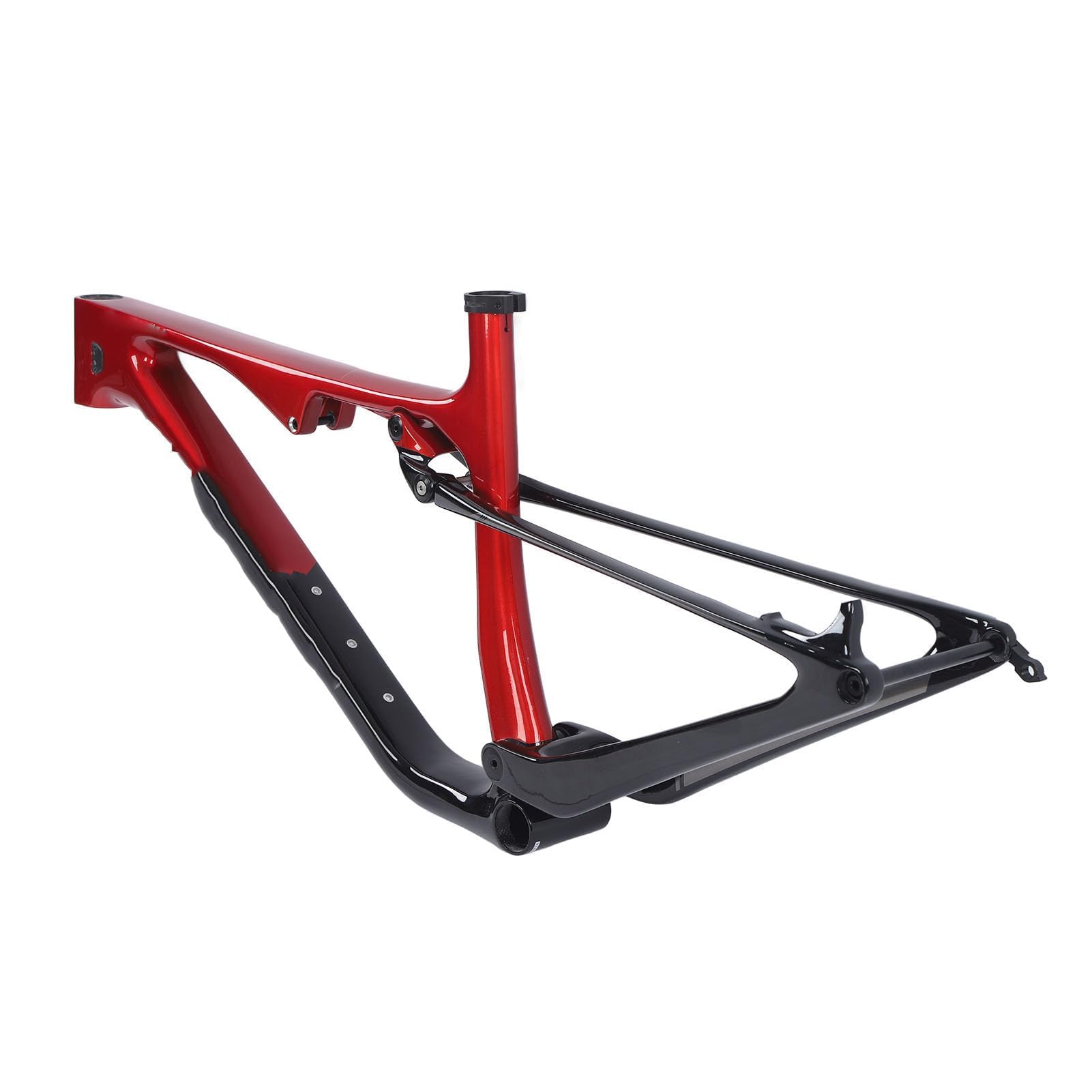
Budget Tiers at a Glance
Think of the market in three broad tiers rather than as a single ladder. Each tier suits a different rider, and moving up only makes sense when the added traits match the way you ride. The notes below replace any need to chase a named model and keep your focus on verifiable traits.
Budget Tier
A budget carbon frame suits a rider building a first custom hardtail or replacing a cracked alloy frame on a tight budget. Expect a simpler carbon layup, a slightly higher weight, and basic hardware such as an alloy seat clamp and simple cable ports. The main gain over alloy at this level is vibration damping on rough climbs, not a dramatic drop in weight.
Check the warranty length and the stated rider weight limit with extra care here. A short warranty or vague crash replacement terms can erase the savings if something goes wrong. Also confirm that the frame uses a common bottom bracket standard so replacement parts stay easy to find.
Midrange Tier
The midrange tier suits most trail riders who want a frame they can keep through several component upgrades. You usually get a better layup that places stiffer fibers around the bottom bracket and more forgiving fibers in the seat stays. Internal routing tends to be cleaner, and most frames in this tier accept both mechanical and electronic drivetrain parts.
Support also improves at this level. Clear geometry charts, published torque values, and responsive warranty help make the build and later service far easier. For many riders this is where the balance of cost, ride quality, and peace of mind is strongest.
Premium Tier
A premium frame suits experienced riders who notice small changes in stiffness and who ride demanding terrain often. The gains are real but narrow: lower weight, highly tuned compliance, and details such as titanium hardware or a second, lighter layup option for smaller sizes. You also tend to get longer warranties and structured crash replacement pricing.
The limit is value. Once you pass this tier, each gram saved costs far more than the gram before it. Buy premium for ride feel and long term support, not because a spec sheet promises a transformation on the trail.
What Your Money Gets You at Each Price Tier
Budget Tier: What to Expect
Budget frames, often around $400 to $900 for a hardtail and around $900 to $1,600 for a full suspension design, deliver the core benefit of carbon: a calmer ride than most alloy frames. Geometry may lag current trends, with steeper head angles and shorter reach figures. That can still work well for cross country riding and smoother trails.
Plan to spend a little of your savings on the build details. A quality headset, a correctly cut steerer, and careful torque on every bolt matter more on carbon than on metal. Budget for a torque wrench if you do not already own one, because guessing bolt tightness is the most common cause of damage on lower cost carbon.
Midrange Tier: The Sweet Spot for Most Buyers
Midrange frames, roughly around $1,000 to $2,200 for a hardtail and around $1,800 to $3,200 for full suspension, bring modern geometry and a noticeably more refined layup. Reach grows, head angles slacken for stability, and seat angles steepen so climbing feels centered. Most accept wide tires and offer mounts that budget frames often skip.
If you are comparing a complete bike instead of a bare frame, our guide to the best carbon fiber mountain bike explains how frame cost trades against parts cost on a finished build. That context helps you see when a midrange frame plus modest parts beats a premium frame paired with parts you will replace within a year.
Premium Tier: When Spending More Pays Off
Premium frames, often around $2,500 and up for a hardtail and around $3,500 and up for full suspension, refine everything rather than change the category. Layups vary by frame size so a small frame does not ride like a cut down large. Bearing quality, linkage hardware, and paint finish all improve, and spare parts usually stay available for years.
This tier pays off if you ride several days a week, race, or plan to keep the frame for five years or more. It pays off less if your local trails are smooth or if your budget would force weak brakes or wheels. A frame is only one part of how a bike feels at speed.
Features Worth Paying For and Ones to Skip
Suspension and Travel
On a hardtail, the frame itself is the suspension story, so stay compliance and tire volume do the work. On a full suspension frame, match travel to terrain: about 100 to 120 mm suits cross country riding, 130 to 150 mm suits general trail use, and 160 mm or more suits enduro riding. More travel than your trails need only adds weight and softens climbing.
Also check shock fit before you buy. Eyelet size, trunnion mounts, and clearance for a piggyback reservoir differ between frames. A shock you already own may not fit, and that hidden cost can move a frame into the next price tier.
Wheel Size and Tires
Most modern frames accept 29 inch wheels, while some smaller sizes and playful designs use 27.5 inch wheels or a mixed setup. Confirm tire clearance in honest numbers, not just a maximum claim. A frame rated for 2.6 inch tires gives you room for mud, while a 2.3 inch limit suits drier cross country use.
Wheel choice changes frame feel more than many riders expect. If you plan a later upgrade, our guide to the best carbon fiber mountain bike wheels covers rim width and hub standards that must match your frame spacing. Likewise, our notes on the best carbon fiber mountain bike rims explain why internal rim width should match the tire sizes your frame can clear.
Bike Type and Riding Style
Start from your real riding, not your aspirational riding. A cross country frame rewards smooth climbs and long days, a trail frame balances climbing and descending, and an enduro frame favors steep, rough descents. Road and gravel bikes use different geometry entirely, so do not expect a mountain frame to cover those roles well.
Be honest about frequency too. A rider who rides twice a month gains little from a premium layup, while a rider training four days a week feels the difference on every climb. If you are still deciding between similar naming styles, our comparison of the best carbon frame mountain bike options explains how wording differences map to the same frame categories.
Some riders also look at direct import frames to save money. Our guide to the best chinese carbon mountain bike frame explains the extra checks that route requires, including warranty handling and shipping damage claims. The savings can be real, but so is the extra homework.
Long Term Costs to Factor In
The frame price is only the start of ownership cost. A build needs a headset, bottom bracket, seat post, and often a new derailleur hanger standard, and those parts can add around $150 to $400. Full suspension frames add shock service about once a year and bearing replacement every few seasons, depending on mud and washing habits.
Protect the frame itself as well. Clear protective film on the down tube and chain stay costs little and prevents the stone chips and chain slap that age carbon fastest. Finally, keep your proof of purchase and serial number photos in a safe place, because warranty claims move much faster when you can supply both at once.
FAQs
How much should I spend on my first bike frame?
Spend enough to reach the midrange tier if you can, roughly around $1,000 to $2,200 for a hardtail frame. That level buys modern geometry and a warranty you can rely on. Going cheaper can still work for light trail use, but leave money aside for a torque wrench, protective film, and a professional safety check after your first few rides.
What size bike frame do I need?
Choose size by reach and stack first, then confirm stand over height. Most brands publish a height based chart, and riders between sizes usually do better on the smaller frame for technical trails and the larger one for long climbs. If possible, sit on a similar geometry bike at a shop, because arm and torso length change fit as much as height does.
Hardtail or full suspension for beginners?
A hardtail is the simpler first choice for smooth trails and tighter budgets. It teaches clean line choice, costs less to maintain, and leaves more money for good tires and brakes. Choose full suspension if your local trails are rocky or root filled, or if back comfort limits your rides, because rear suspension reduces fatigue on long, rough days.
How do I check a carbon frame for damage?
Clean the frame, then look along every tube for cracks, paint lines that look wrong and soft spots. Tap gently with a coin and listen for a dull sound compared with the rest of the tube. After a crash or a hard impact, have a shop inspect it before you ride again.
Will a carbon mountain bike frame last as long as aluminum?
With careful assembly and regular inspection, a good carbon frame can last many years. Carbon does not fatigue like some metals, but it can be damaged by impacts and over tightened bolts, so use a torque wrench and check the warranty terms for crash replacement.
Wrapping Up
Judge any frame on three things: geometry that fits your body and trails, a layup and warranty that suit how hard and how long you ride, and hardware standards that keep parts easy to find. Price tiers simply change how much of each you get. When you are ready, compare the product table above with those three checks in mind, and the best carbon fiber mountain bike frame for your budget should stand out clearly.


