
Best Aluminum Mountain Bike Rims 2026
Disclosure: We may earn a commission when you buy through links on this page, at no extra cost to you. As an Amazon Associate I earn from qualifying purchases. Learn more

A guide to the best aluminum mountain bike rims: diameter, internal width, tubeless readiness, spoke count and hub match for your riding style.
Rims look like simple metal hoops, yet they decide how your tires sit, how your bike accelerates, and how well your wheels survive rock strikes. If this is your first wheel upgrade or your first build, this guide explains each rim term in plain language before you spend anything. When you shop for best aluminum mountain bike rims, the comparison table below helps you line up sizes, widths, and price tiers at a glance.
You will learn how to match rim diameter and width to your bike, what tubeless ready really means, and which details, like spoke count and hub standards, stop a rim from working with your current setup at all.


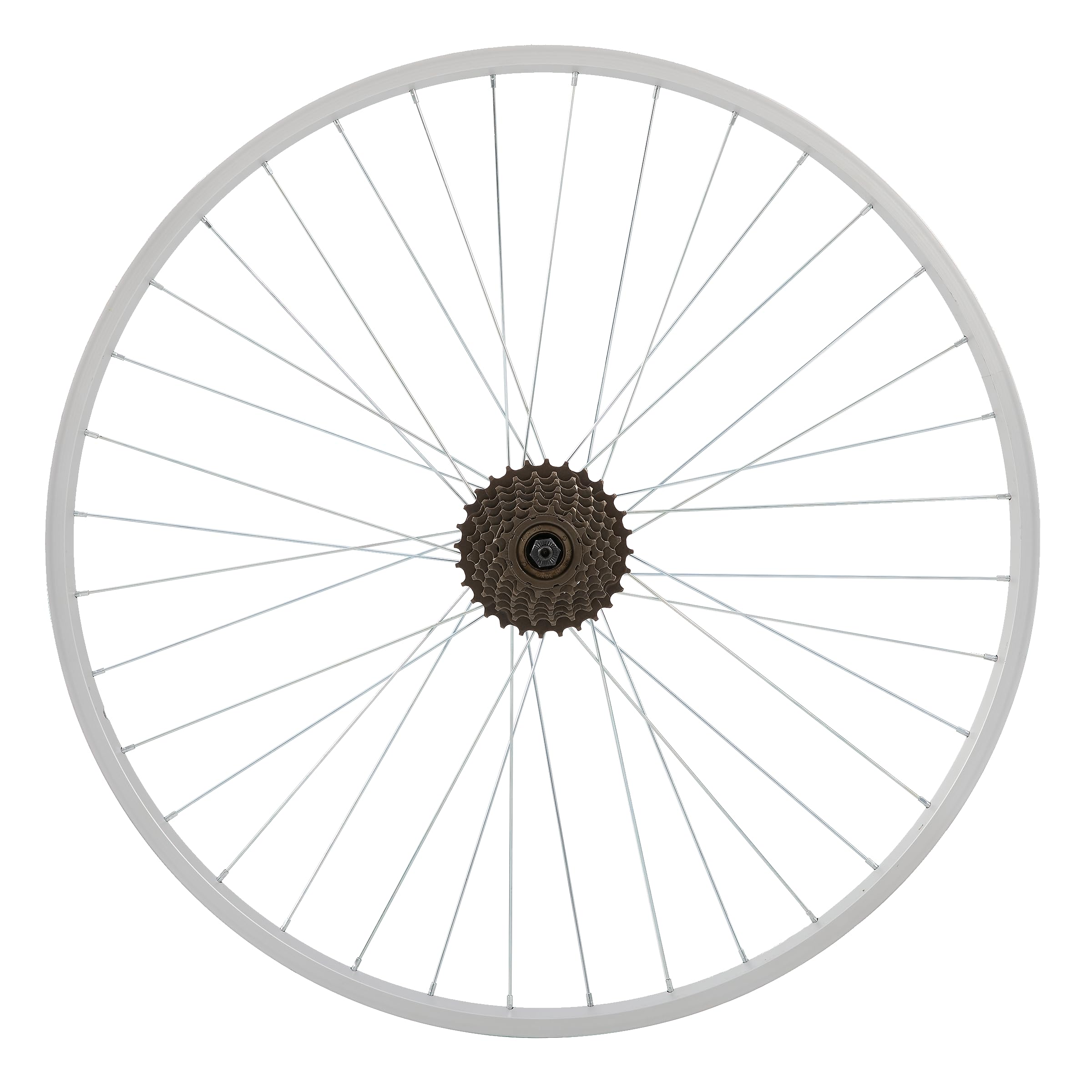

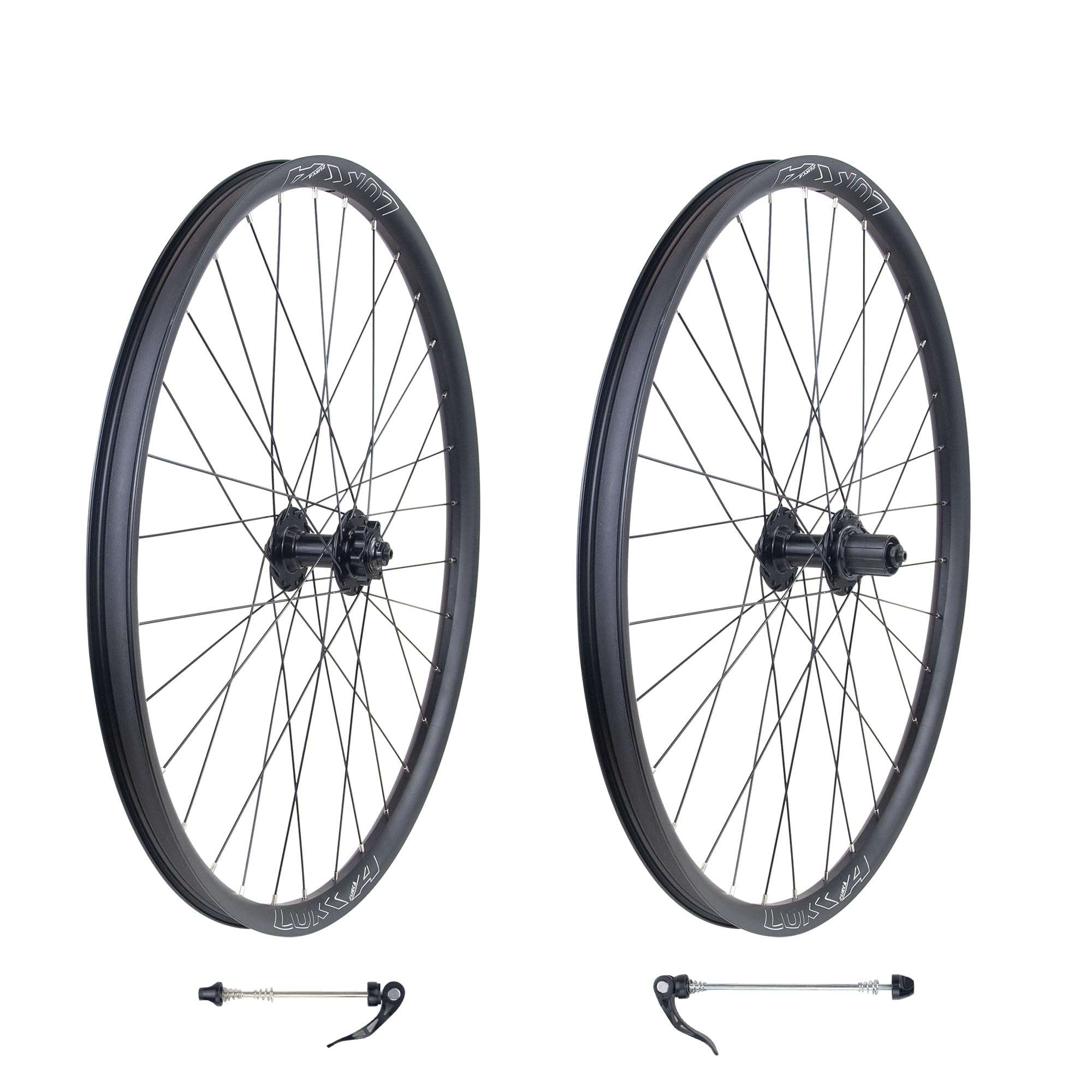


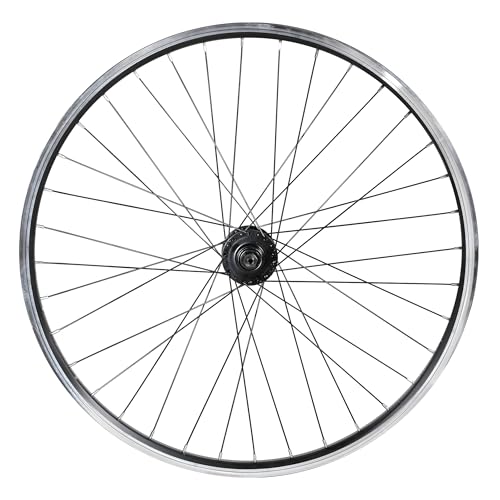
Aluminum Mountain Bike Rims 101: The Basics
A rim is the outer ring of the wheel. The tire mounts on it, spokes connect it to the hub at the center, and your brakes, on a modern mountain bike, use a rotor at the hub rather than the rim itself. Aluminum is the most common rim material because it balances low weight, fair cost, and the ability to bend slightly on a hard hit instead of cracking.
Four numbers define a rim. Diameter must match your wheel size, most often 29 inch or 27.5 inch. Internal width, measured between the bead hooks in millimeters, shapes the tire. A wider rim supports a wider tire and lets it keep a rounder profile at lower pressure. Depth and profile affect strength and aerodynamics, though aerodynamics matter little on trails.
You will also see terms like tubeless ready, which means the rim bed seals with tape and a valve so you can run without an inner tube. Welded and sleeved joints describe how the rim ends join, with welded joints usually smoother and stronger. Eyelets are small reinforcements where spokes pass through, and they help spread load on hard working wheels.
Key Specs Explained in Plain English
Rim Diameter and Internal Width
Diameter is non negotiable. A 29 inch rim only fits a 29 inch tire and a frame and fork built for that wheel size, and the same rule holds for 27.5 inch. Check your current tire sidewall for its size marking before you order anything, because a mismatch means a full return, not a small adjustment.
Internal width should follow your tire width. Rims around 25 to 30 mm inside suit cross country tires near 2.2 to 2.4 inches wide. Rims around 30 to 35 mm suit trail tires near 2.4 to 2.6 inches. A rim that is too narrow makes a wide tire feel squirmy in corners, while a rim that is too wide can square off a narrow tire and expose its sidewalls to cuts.
Tubeless Readiness and Rim Tape
Tubeless ready rims let you run tires without tubes, using sealant inside the tire to plug small punctures as you ride. The gains are real: lower pressure for grip, fewer pinch flats, and a slightly lighter system. The setup needs tubeless ready tires, the right tape width, tubeless valves, and sealant.
Tape is the unsung part of the system. It seals the spoke holes in the rim bed, and a poor tape job is the top cause of slow air leaks. Choose tape a few millimeters wider than the internal rim width so it seals up the bed walls. Our guide to the best mountain bike rim tape walks through widths and fitting steps in detail.
Spoke Count, Holes, and Hub Match
A rim is drilled for a set number of spokes, most often 28 or 32 on mountain bikes, and that number must match your hub. Heavier riders, loaded bikepacking, and aggressive terrain favor 32 spokes for strength and easier truing. Lighter riders on smooth cross country trails can enjoy the small weight savings of 28 spokes.
Hub standards matter just as much if you buy a complete wheel rather than a bare rim. Axle width, often called Boost spacing on modern bikes, and rotor mount style, either 6 bolt or center lock, must match your frame, fork, and rotors. If you are unsure, compare the markings on your current hub or ask a shop to confirm before ordering. A full overview in our guide to the best rims for mountain bike use can help you sort bare rims from complete wheelsets.
Material, Weight, and Rim Profile
Aluminum rims vary in alloy and shaping. A well shaped rim with a deeper profile resists dents and holds true longer than a shallow rim of similar weight. Weight still matters because wheels are rotating parts. Saving weight at the rim and tire speeds up acceleration and climbing feel more than the same savings at the frame.
Balance weight against your terrain. Very light cross country rims can dent on rocky trails, and a dented rim may still ride home, which is one honest advantage of aluminum over stiffer materials. For most trail riders, a mid weight rim around a few hundred grams per hoop, matched to strong tires, gives the best mix of speed and survival.
Brake Compatibility as a Fit Check
Modern mountain bikes use disc brakes, so the rim itself does not act as a braking surface. That means rim choice is free from brake track wear worries, but the wheel build around the rim must suit your brakes. Hydraulic disc brakes reward a true and stiff wheel, because a wobbling rotor rubs pads and wastes energy.
If you are rebuilding a wheel, confirm that spoke length suits the new rim depth, because a deeper or shallower rim changes the length you need. This is a classic first build trap. A bike shop wheel builder or a spoke calculator with exact rim measurements will save you a box of wrong spokes. Riders weighing a full wheel purchase instead can compare with our guide to the best aluminum mountain bike wheels before they commit.
Riding Style and Tire Fit
Your riding style sets the strength you need. Cross country riders on smooth trails can run lighter rims and narrower widths. Trail riders need a middle path of width and dent resistance. Enduro and downhill riders should favor stronger rims with higher spoke counts, because rim strikes at speed are a normal part of their trails.
Tire fit ties it all together. Check that your frame and fork clear the tire width your new rim will support, since a wider rim makes the same tire measure slightly wider. Also confirm your tires are tubeless ready if you plan a tubeless setup. Our guide to the best tubeless mountain bike rims covers sealant amounts and setup order for first timers.
Rookie Mistakes to Avoid
- Ordering the wrong diameter. A 27.5 inch rim will never fit a 29 inch tire. Read the tire sidewall and measure twice before you buy once.
- Ignoring internal width. Width shapes tire feel more than brand names do. Match rim width to the tire width you actually run.
- Mismatching spoke count and hub. A 28 hole rim cannot lace to a 32 hole hub. Count the holes on both parts first.
- Skipping fresh tape and valves. Reused tape is the most common cause of a tubeless setup that loses air overnight.
- Buying light rims for rough trails. The lightest rim in the list is a poor deal if your first rock garden dents it beyond repair.
Getting Started: Setup and First Use
If you bought a complete wheel, start by fitting the rotor and cassette or having a shop do it, then set up the tire. For a tubeless build, fit tape smoothly with no bubbles, install the valve snugly, seat the tire beads with a strong pump or compressor, then add sealant and spin and shake the wheel so sealant coats the inside.
Check tire pressure before every ride during the first week, because fresh setups can settle and lose a little air. A small drop early on is normal, a flat overnight is not, and it usually points to tape or valve issues. After your first rides, check spoke tension by squeezing pairs of spokes. They should feel even, with no very loose spokes.
Keep the rest of the bike in rhythm too. Clean and lube the chain every 100 to 200 miles so grit does not wear your new wheel drive parts. After rocky rides, spin each wheel and watch the rim for wobbles or fresh dents, and deal with small bends early before they grow. Hardtail riders in particular feel rim hits directly, a point covered in our guide to the best aluminum hardtail mountain bike for riders comparing setups.
Frequently Asked Questions
Hardtail or full suspension for beginners?
Either bike can use quality aluminum rims, but a hardtail sends more trail impact straight into the rear wheel, so beginners on hardtails should favor stronger rear rims with 32 spokes. Full suspension bikes cushion rim strikes a little through the rear shock. In both cases, correct tire pressure is your rim best protection. Too little pressure invites dents, too much reduces grip and comfort.
Do I need new rim tape for tubeless?
Yes. Rim tape seals the spoke holes in the rim bed, and old or poorly fitted tape is the top cause of slow air leaks. Fit fresh tape a few millimeters wider than the internal rim width, with no bubbles, and add sealant.
What size bike do I need?
Your bike size decides your rim diameter, so settle frame fit first, then shop for rims. Most adult trail bikes use 29 inch wheels for rollover and speed, while smaller riders and playful setups may use 27.5 inch wheels for quicker handling. Some bikes mix sizes, with a 29 inch front and 27.5 inch rear. Match each rim to its own end of the bike and never assume both ends share a size.
Are wider rims always better?
No. Wider rims support wide tires and give a calmer feel at low pressure, but they add weight and can make narrow tires sit flat. Match internal width to the tire you run, and check frame and fork clearance.
How much should I spend on my first bike rim upgrade?
A sensible first rim or wheel budget is about $100 to $300 per wheel for strong aluminum options, with labor extra if a shop builds or swaps parts. Spending more mainly buys lower weight and finer hub engagement, not basic durability. Keep money aside for tubeless tape, valves, sealant, and possibly new tires, because a rim upgrade is the natural moment to refresh the whole tire system at once.
Wrapping Up
Match diameter first, internal width to your tires second, and spoke count and hub standards third. Those three checks prevent nearly every costly rim mistake, and they let you enjoy the real gains of aluminum: fair price, honest durability, and a wheel you can often ride home after a hard hit. Compare the best aluminum mountain bike rims in the product table above against your current tire size and hub markings, and your short list will shrink to the right few options.


