Best Cell Cameras: A Buying Guide for 2026
Disclosure: We may earn a commission when you buy through links on this page, at no extra cost to you. As an Amazon Associate I earn from qualifying purchases. Learn more

Choose a cellular trail camera by the costs that matter: the data plan, signal at the tree, trigger speed, night flash class and battery life.
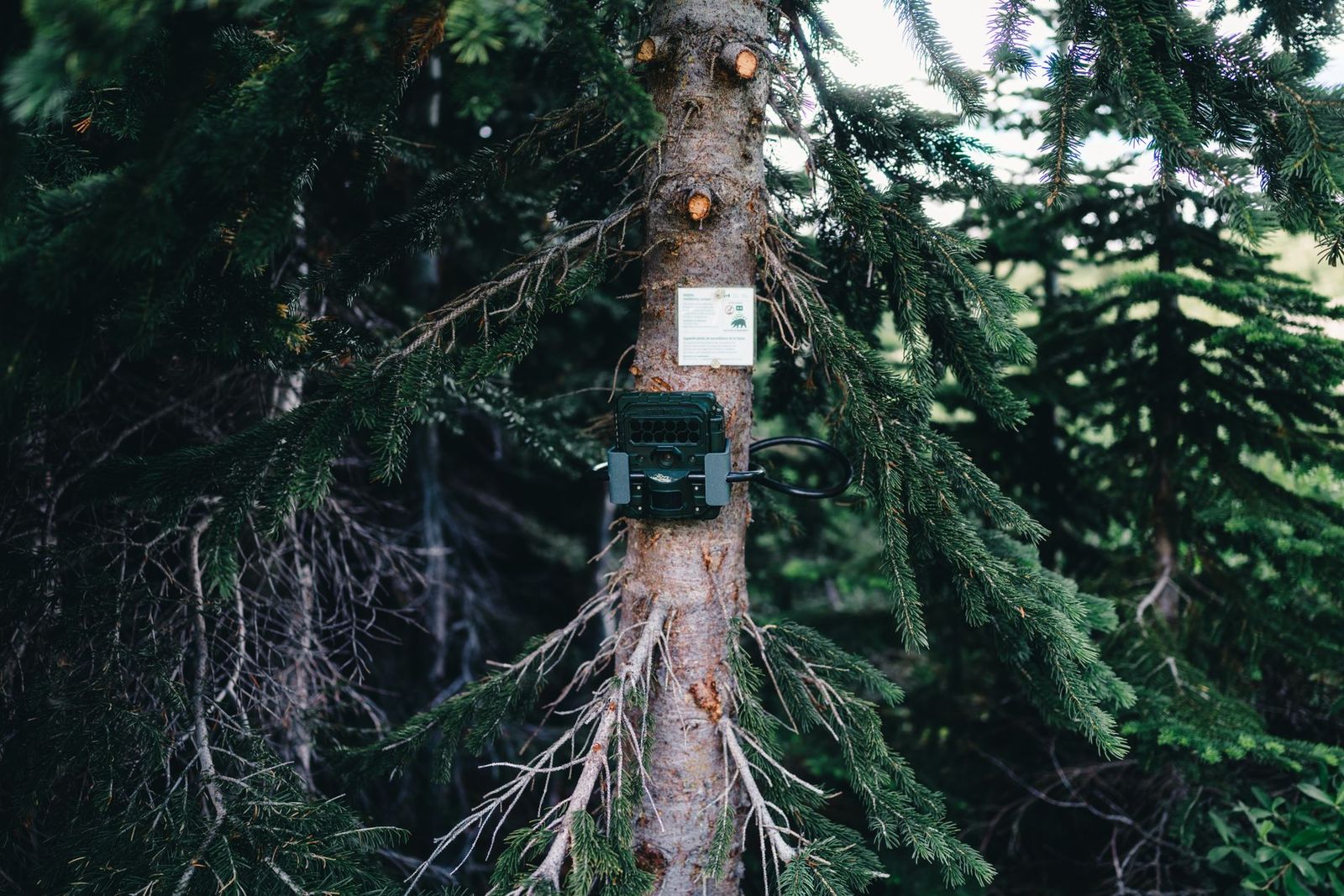
A trail camera that keeps its pictures on a memory card makes you wait for the next trip to the woods to learn what walked past. A cellular model sends each new picture to your phone over a mobile network, and that sending is the whole point of the product. Choosing the best cell cameras starts with one honest fact: the camera is only half the purchase. The comparison table below shows the main classes side by side.
The other half is the data plan. Every cellular trail camera needs an active plan to send, and a camera with no active plan is simply a card camera that records and waits. Signal matters just as much, because the camera needs a usable mobile signal where it is mounted on the tree, not where you stand in the yard at home. Keep those two facts in view and the rest of the specifications fall into place.
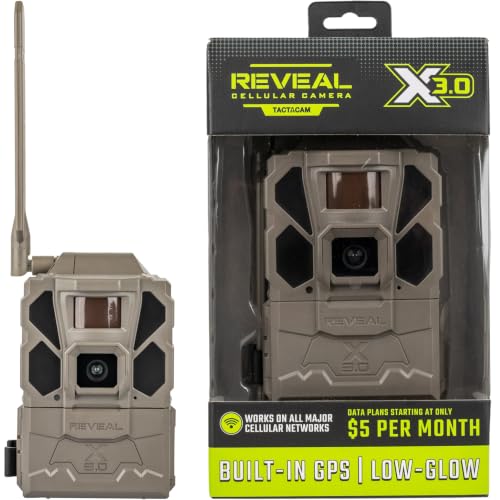


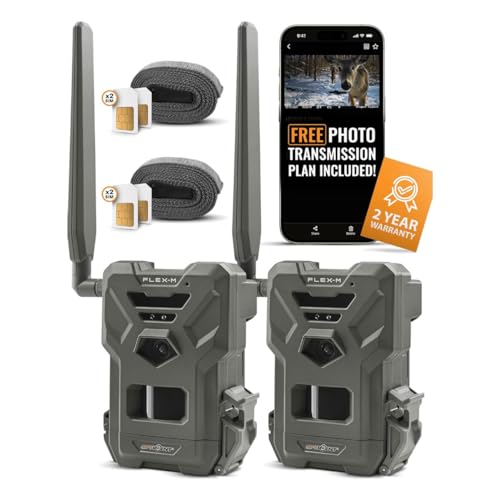


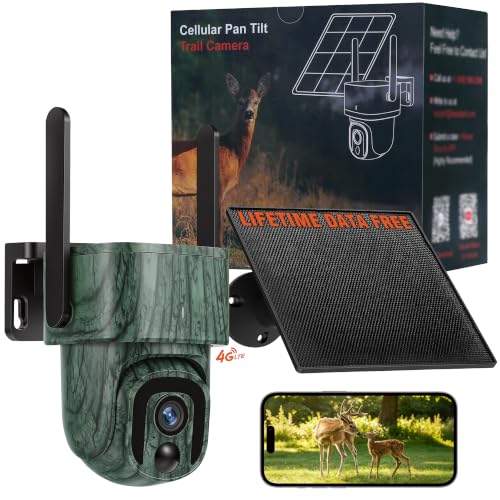
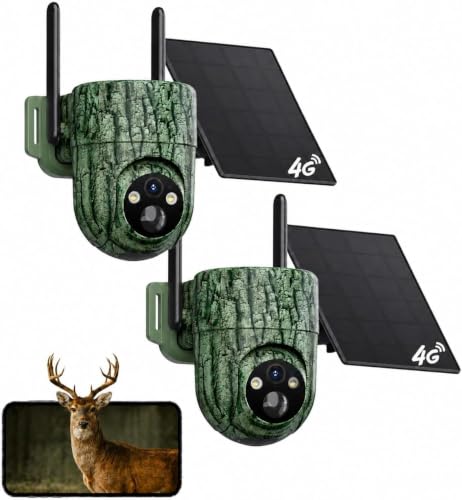
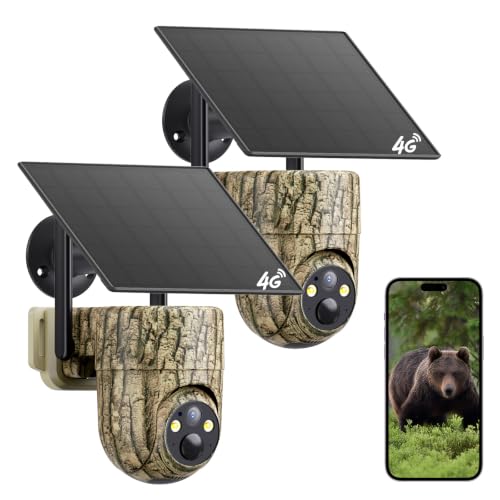
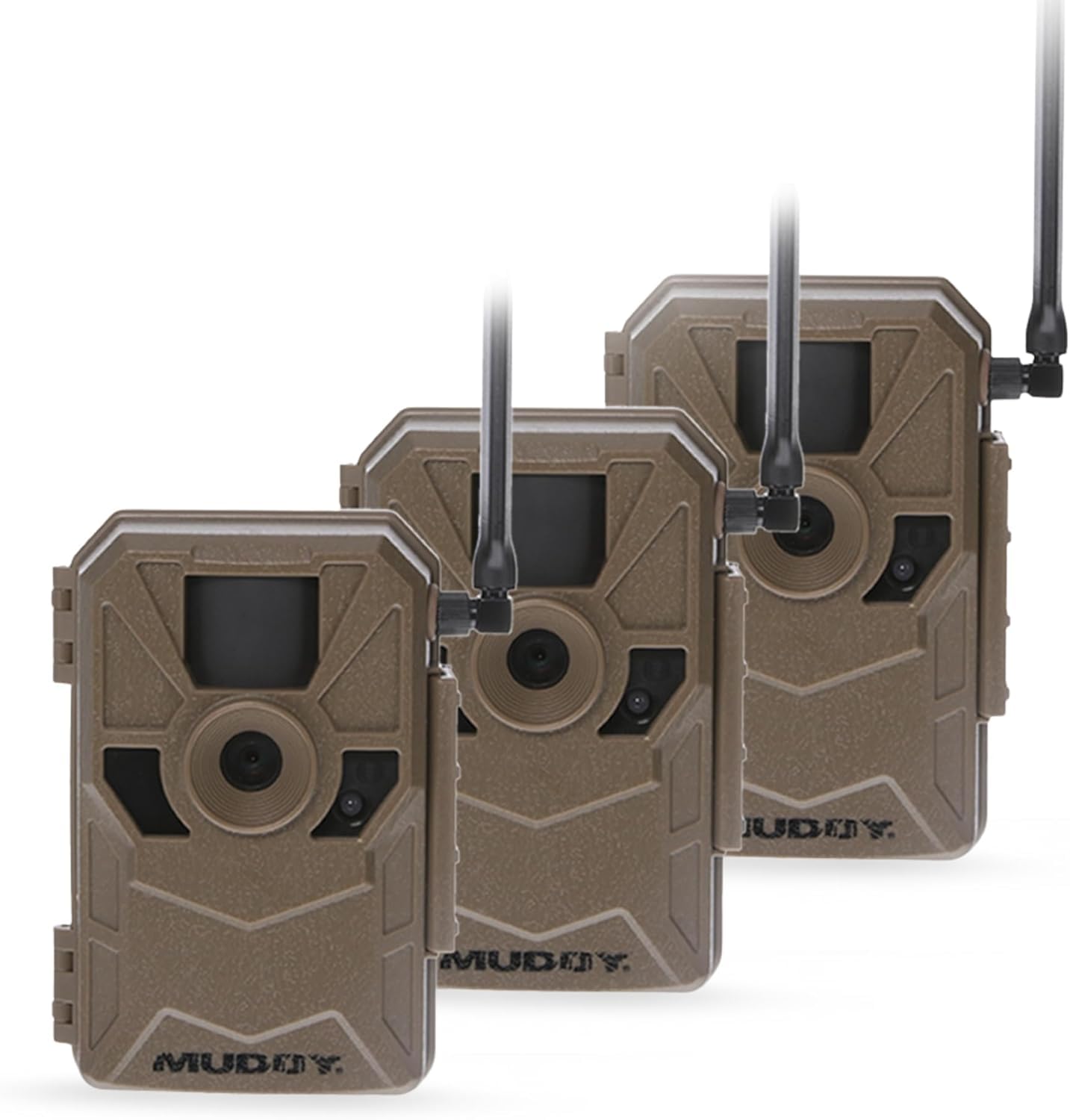
What Each Price Class Buys
Cellular trail cameras sort into three broad price classes, and the differences are about speed, picture size and how many cameras one account can carry rather than about brand. Use the classes below to set a budget before you compare individual specifications.
Entry Class: One Camera Watching One Spot
Cameras in this class run about $80 to $130 and cover the classic use: a single feeder, a gate or one trail crossing close to home. The sent pictures are small, the trigger is slower, and the plan allowance is modest, which is fine when the camera sends a few dozen pictures a day. Battery life is the quiet strength here, because a camera that sends less often sleeps more. For a first cellular camera on a small property, this class teaches you the routine without a large bill.
Middle Class: Faster Triggers and Clearer Nights
At about $130 to $220, the gains are practical: quicker triggers that catch an animal before it leaves the frame, larger sent pictures you can actually judge, and night illumination that reaches farther. Plans at this level usually allow more pictures per month or send short video clips on request. This is the class most hunters and land managers settle into, because the camera keeps up with a busy crossing and the running cost stays predictable across a season.
Top Class: Several Cameras on One Account
Top class cameras run about $220 to $350 each and earn their price when you run several of them. Accounts at this level manage a small fleet from one app, plans pool pictures across cameras, and detection range and build quality suit remote ground you visit rarely. The hardware cost is only the start, since every added camera adds its own plan line. Buy into this class when the property is large enough that card checks would cost you more in trips than the plans cost in fees.
How to Choose: The Factors That Decide
The Data Plan Is the Running Cost
Start here, because the plan decides what the camera costs across a year. Plans are sold by picture count, and the entry tiers often count a small sent picture while charging more for full size versions. A busy feeder can use a month of pictures in a week during the rut, so match the tier to the traffic at your spot. Fees run roughly $5 to $15 per camera each month, and a modest camera on a generous plan often serves better than a flagship camera starved on the cheapest tier.
Signal at the Tree, Not at the House
The camera lives where the animals are, and mobile signal there is the signal that counts. Check coverage at the actual property, ideally at the mounting tree, because a ridge or a hollow can swallow a signal that is strong at the house. Cameras work harder in weak signal, retrying sends and draining batteries, so a marginal spot may need a higher mount or an external antenna class. If a spot has no usable signal at all, no plan fixes it, and that location belongs to a card camera instead.
Trigger Speed and Detection Range
Trigger speed is the delay between the sensor noticing movement and the picture being taken, and it decides whether you photograph the deer or its tail. Detection range figures on the box are best case numbers measured in open ground; brush, heat shimmer and a crossing angle all shorten them in practice. A wide detection zone paired with a slow trigger wastes its reach, so judge the two together. Aim the camera along a trail rather than across it where you can, which gives any trigger more time.
Night Pictures: Flash Classes
Night is when much of the action happens, and the flash class shapes every night picture. No glow flash is invisible to animals and to people, which suits watched land, but its reach is the shortest. Low glow reaches farther and shows a faint red light that some animals notice, while white flash gives colour night pictures at the cost of a visible burst. None of these classes is best in general; the right one depends on whether your ground is undisturbed, pressured or close to a road.
Battery Life and Power Options
Sending pictures is the expensive habit, and battery life falls as send counts rise. Cameras run on sets of AA cells or on rechargeable packs, and lithium cells hold up far better in cold weather, when ordinary cells fade early. A solar panel class suits sunny clearings and stretches a set of batteries across a whole season, while a shaded hollow will starve the same panel. Budget for batteries as part of the running cost, alongside the plan, rather than as an afterthought.
Picture Quality and What Actually Gets Sent
The picture that reaches your phone is often a smaller version of the file saved to the card, and full size delivery may sit in a higher plan tier. That is usually fine, since a small picture tells you what visited and when, which is the point of sending. Treat the megapixel figure on the box as a class figure rather than a promise, and judge clarity by the night range and the sent size instead. The card still holds the full file for your next visit.
Types of Cellular Trail Cameras
The wider family, covered in our guide to best cell trail cameras, splits by how pictures leave the camera. Naming on the box varies, and guides to best cell phone trail cameras describe this same sending class under its longer name.
Cellular Sending Cameras
The standard class in this guide: a trail camera with a built in mobile radio that sends pictures to an app as they are taken. Everything else in the article applies to this class, from plan tiers to signal checks. Choose it when the ground is far from home or when knowing about a visit today changes what you do tomorrow.
Card Only Trail Cameras
The older class records to a memory card and sends nothing. It costs less to buy, costs nothing to run, and suits land you visit weekly anyway. Its weakness is delay: a problem at the site, a full card or a trespasser goes unseen until your next trip. Many owners run a mix, with card cameras on home ground and a cellular camera on the far property where trips are rare.
Solar Assisted Cellular Cameras
This class pairs the sending radio with a solar panel that keeps a rechargeable pack topped up. On an open field edge it can run a full season with no battery swaps, which matters when each visit costs an hour of driving. In deep shade the panel contributes little, and the camera falls back on its internal cells, so match the class to the light at the site rather than to the promise on the box.
Where a Cell Camera Fits, and Where It Does Not
A cell camera is not a security camera: it is built to notice movement outdoors and send small still pictures, not to watch a doorway as events unfold or to record sound, and a trail camera pointed at a building makes a poor guard. It is also not a phone. Lists such as best cell phone cameras ranked order the cameras built into phones, which is a different product and someone else's ordering, and the wider shelf of best digital cameras covers handheld cameras you aim yourself. A cell camera works alone, outdoors and unattended, and that independence is what you are paying for.
Placement and Permission Come First
Before any camera goes up, settle the ground rules. On land you do not own, get the landowner's permission in writing where you can, and check whether local rules limit cameras on public ground. If the camera is part of a hunting setup, the rules that govern best cell cameras for hunting in your state decide whether live sending is allowed during a season at all, and those rules change, so check the current version each year. A camera found by others should carry your name and a phone number, which settles most questions before they start.
Care and Maintenance Tips
- Check the door seal and gasket each visit, since one trapped pine needle can let rain creep in and fog the lens from inside.
- Face the camera north where the layout allows, so low sun at dawn and dusk does not blind the sensor and trigger empty pictures.
- Swap batteries on a schedule based on send counts rather than waiting for the camera to go silent mid season.
- Wipe the lens window and the sensor cover with a soft cloth, because a film of dust costs more night range than any setting can repay.
- Clear grass and saplings inside the detection zone each trip, since moving vegetation in warm wind is the most common source of empty pictures.
Cell Cameras: Your Questions Answered
Do cell cameras work without a data plan?
Yes, they work as ordinary card cameras, recording pictures to the memory card with nothing sent. The radio simply sits unused until a plan is active. This flexibility is useful in practice: many plan services let you pause a camera between seasons, so a unit can run as a card camera near home in spring and return to sending in autumn. You lose the instant alerts while paused, but the camera itself loses none of its recording ability.
How much mobile signal does a cell camera need?
A cell camera needs only a modest signal to send small pictures, roughly the level that lets a phone send a photo message from the same spot. The real cost of weak signal is battery life, because the camera retries failed sends and stays awake longer each time. Raising the mount a few feet or choosing a tree on higher ground often helps more than changing cameras. If a phone shows no service at the tree, plan on a card camera for that spot.
Can a cell camera replace a home security camera?
No, and the mismatch is practical rather than a matter of price. A trail camera wakes on movement, takes still pictures and sends them with a delay, while a security camera watches continuously, records video and alerts in near real time. A cell camera also lacks the doorbell and indoor forms that home setups use. Some owners do watch a remote barn or gate with one, accepting the delay, but for a house the security class is the right tool.
Why do my night pictures look washed out when animals are close?
The flash is tuned for range, so an animal standing a few feet from the lens gets far more light than it needs and the picture blows out to white. Angle the camera so the main crossing sits at middle distance rather than directly in front of the tree, and clear any pale bark or grass close to the lens that bounces light back. Lowering the flash strength, where the class offers the setting, also helps at known close spots.
How long do batteries last in a cell camera?
Battery life is set mostly by how many pictures the camera sends, because each send is a radio session. A quiet crossing that sends a handful of pictures a day can run for months on one set, while a busy feeder sending hundreds can empty the same set in weeks. Cold weather shortens every figure, and lithium cells resist that drop far better than alkaline ones. The battery gauge in the app is an estimate, so swap early before a trip you cannot repeat.
The Bottom Line
Three things decide a cellular trail camera: the plan you are willing to fund each month, the signal at the tree you choose, and a trigger fast enough for the crossing you watch. Get those right and even an entry class unit from the product table above will serve a full season. The best cell cameras are not the ones with the longest specification list; they are the ones still sending clear pictures in the last week of the season, on ground you rarely visit, at a running cost you settled before the first picture arrived.