
Best Carbon Fiber Mountain Bike: What Actually Matters Before You Buy for 2026
Disclosure: We may earn a commission when you buy through links on this page, at no extra cost to you. As an Amazon Associate I earn from qualifying purchases. Learn more

Use our checklist to choose a carbon fiber mountain bike with the right frame, fit, gearing, suspension, and brakes for your trails and your budget.
Carbon fiber promises a lighter, stiffer, and more comfortable frame, but those benefits depend on design and build quality rather than on the material alone. This guide presents the evaluation checklist we use for choosing the best carbon fiber mountain bike for a given rider, terrain, and budget. You will learn how frame type, fit, gearing, suspension, and wheels interact, so a premium material delivers a premium ride.
Work through the criteria in order and compare finalists in the comparison table below against the same standards.
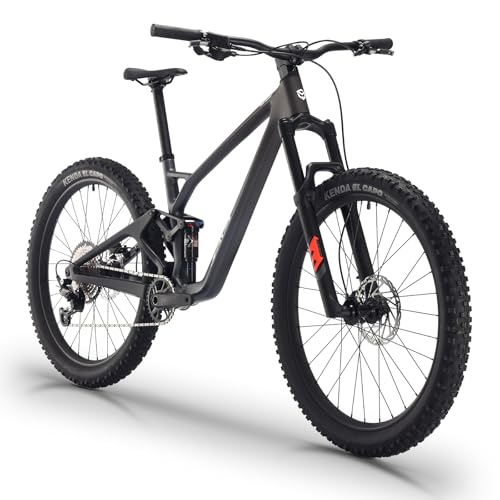

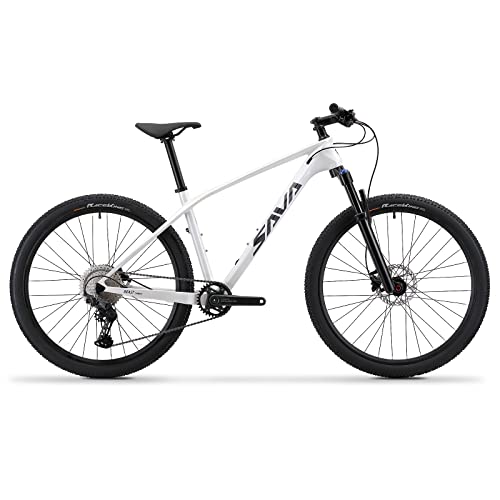
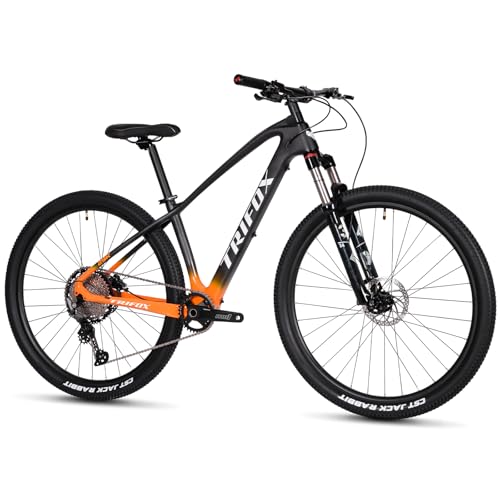
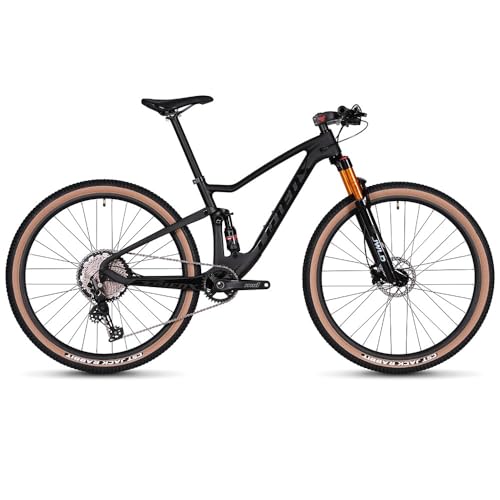
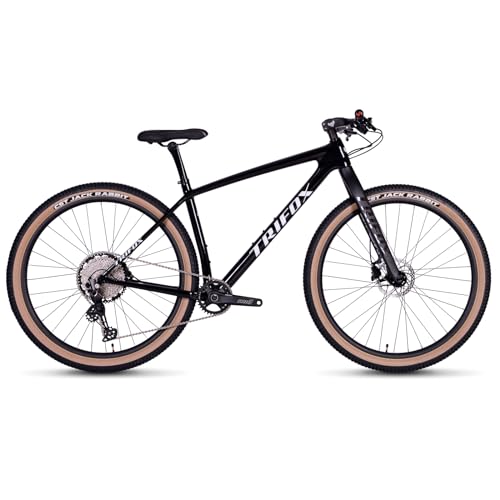
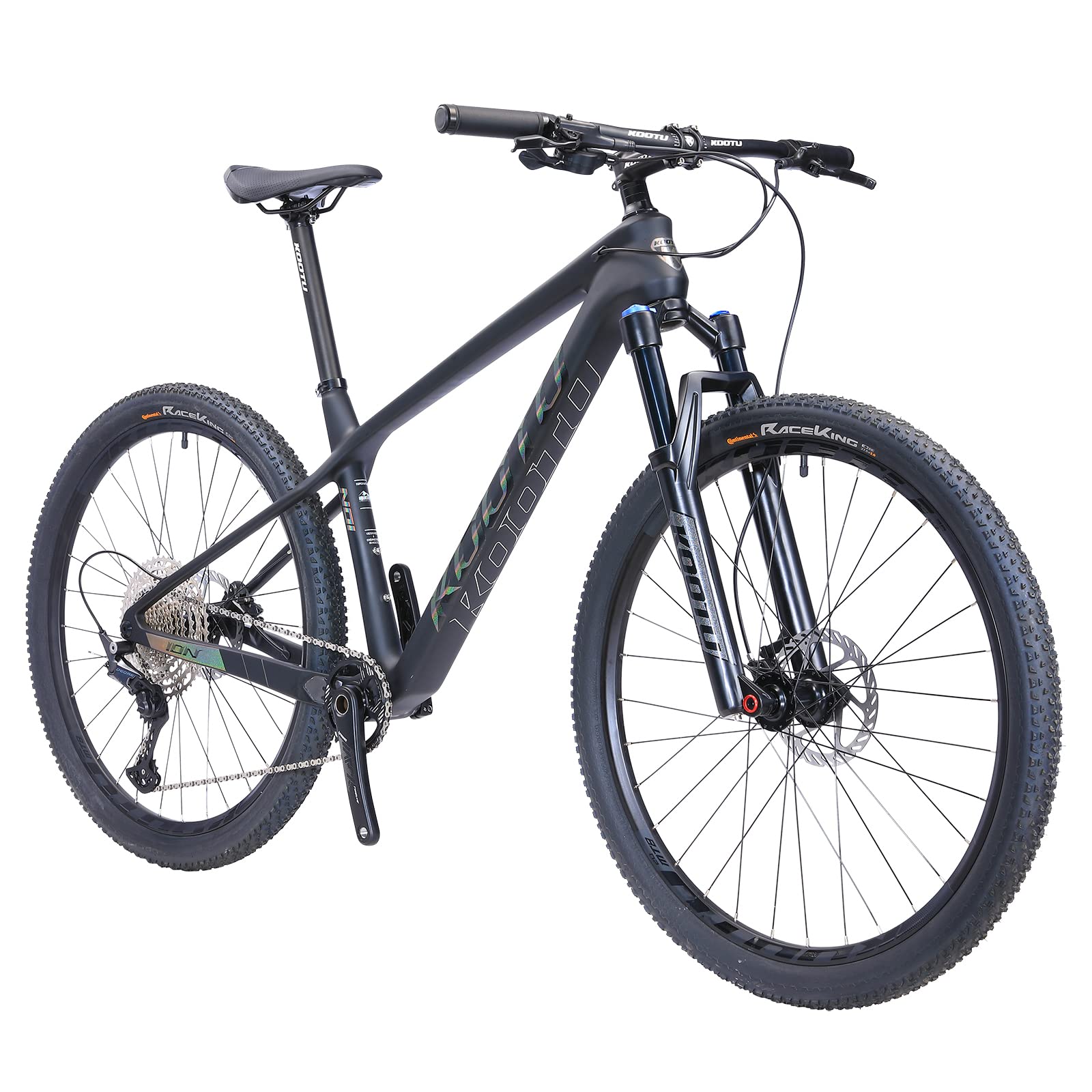
How We Evaluate Carbon Fiber Mountain Bikes
Bike Type and Riding Style
Start by naming your riding honestly. Cross country bikes favor low weight and efficient pedaling for long climbs and smoother trails. Trail bikes balance climbing and descending with more forgiving geometry, and they suit most riders best. Enduro bikes add travel and strength for steep, rough descents, at the cost of weight and pedaling ease. A carbon frame amplifies the character of whichever category you choose, so pick the category first and the material second.
Sizing and Fit
Fit is the highest value item on this entire checklist, because a light frame in the wrong size rides badly and can cause pain. Use the brand size chart with your height and inseam, and check standover height so you can dismount safely on uneven ground. Reach and stack figures tell you how stretched or upright you will sit, and they matter more than the nominal size label. If you fall between sizes, most riders prefer the smaller frame for technical trails and the larger one for long steady miles.
Drivetrain and Gearing
Modern mountain bikes use a single front chainring with a wide range cassette, which simplifies shifting and drops weight. Look for a cassette with a genuinely low climbing gear, because carbon lightness does not rescue gearing that is too tall for your hills. Mid level and above groupsets from the major makers shift cleanly under load and hold adjustment well. Check clutch derailleur function for chain control on rough descents as well.
Suspension and Travel
Choose between a hardtail, with suspension only at the front, and full suspension, which adds a rear shock for control and comfort on rough ground. Travel guides the match: around 100 to 120 millimeters suits cross country use, 130 to 150 millimeters suits trail riding, and 160 millimeters and above suits enduro descents. Carbon frames pair well with quality suspension because frame stiffness keeps the bike tracking accurately. Whatever you choose, budget time to set sag and rebound properly, because correct setup improves any suspension more than a small travel increase does. Riders who prefer simplicity can explore our guide to the best carbon fiber hardtail mountain bike designs for the case in favor of a rear rigid frame.
Wheel Size and Tires
Wheels shape how a carbon bike feels as much as the frame does. Larger 29 inch wheels roll over roots and rocks more easily and hold speed well, while 27.5 inch wheels feel quicker to turn and suit smaller riders. Tire width and tread should match your soil: wider tires at lower pressure grip loose surfaces, and tubeless setups cut punctures and allow those lower pressures. A strong wheel upgrade transforms a mid level build, so many riders plan for it from the start. Our guide to the best carbon fiber mountain bike wheels explains rim width, hub choices, and weight trade offs in detail.
What Each Price Tier Usually Delivers
Carbon mountain bikes span a wide price range, and tiers differ mainly in frame refinement, component quality, and total weight. Use these tier descriptions to set expectations before you compare individual builds in the product table above.
The Balanced All Round Tier
The balanced tier pairs a quality carbon frame with mid level suspension, brakes, and drivetrain parts, and it is where most riders should shop. You get the ride feel that makes carbon worthwhile, namely efficient pedaling with muted trail buzz, without paying for the lightest possible components. Hydraulic disc brakes in this tier are strong and consistent, and wheels are sturdy if not especially light. Expect a bike you can race locally, ride all day, and upgrade gradually, with wheels and tires as the most rewarding first improvements.
The Value Tier
Value tier carbon builds keep the frame as the headline and save money on wheels, tires, and finishing parts. That trade can be smart, because the frame is the one part you will not replace, while wear items would need renewal anyway. Check this tier hardest for hidden compromises: weak brakes, very heavy wheels, or a fork with limited adjustment can dull the whole bike. Add the cost of any immediate upgrades to the sticker price before comparing tiers.
The Premium Tier
Premium builds combine the lightest frames with top level suspension, electronic or near electronic shifting quality, and carbon wheels. The gains are real but incremental: faster shifts, finer suspension control, and a total weight that helps on long climbs and repeated lifts over obstacles. This tier suits experienced riders who know their fit and preferences precisely, because mistakes are expensive at these prices.
Quick Buyer Checklist
Answer these questions before you commit to any carbon build. A bike that earns a yes across the list is very likely the right purchase.
- Does the category, cross country, trail, or enduro, match the trails you ride most?
- Does the size chart place you clearly inside one size, with safe standover room?
- Is the lowest gear easy enough for your steepest regular climb?
- Does travel match your terrain without adding weight you do not need?
- Are the brakes hydraulic disc models with rotors sized for your weight and descents?
- Is the frame warranty long, and does it cover the original owner clearly?
- Have you budgeted for pedals, a helmet, and a proper torque wrench for carbon parts?
- Does the seller offer a return or exchange if the fit feels wrong?
Red Flags to Watch For
Carbon rewards careful buying, because damage can hide beneath a glossy finish. Walk away from listings with no stated frame warranty, no published geometry, or a weight claim with no build specification behind it. On any used bike, inspect for cracks around the bottom bracket, headset, and seat tube, and tap along the tubes listening for a dull spot that suggests hidden damage. When in doubt, pay a shop for an inspection before money changes hands.
Choosing Carbon Fiber Mountain Bikes for Your Situation
Special situations bend the general checklist in useful ways. The four scenarios below show how budget limits, rider fit, sales channel, and suspension travel change what you should prioritize.
Best Carbon Fiber Mountain Bike under 1000: What to Check
Searching for the best carbon fiber mountain bike under 1000 means accepting that true new carbon frames rarely exist at this price, so the used market and older stock are your realistic routes. At this level, condition matters more than age: a well kept older frame with sound components beats a newer bargain with hidden cracks. Budget for a shop inspection, fresh tires, and brake service on top of the purchase price, and treat any seller who refuses an inspection as a warning sign.
Best Mens Carbon Fiber Mountain Bike
The search for the best mens carbon fiber mountain bike is really a search for fit, because most modern frames are unisex in design and differ mainly in size range and finishing parts. Men who are taller or heavier should confirm rider weight limits, choose wheels and brakes rated for their mass, and pay close attention to reach and stack figures. Saddle shape and grip diameter are personal and inexpensive to change, so judge the frame first and treat contact points as tuning rather than as reasons to reject a well fitting bike.
Best Carbon Fiber Mountain Bike from Bikes Direct
Looking for the best carbon fiber mountain bike from bikes direct style online sellers means trading shop support for a lower price, so your own setup skill becomes part of the deal. These bikes arrive partly assembled, and correct torque on carbon parts, proper brake bedding, and a careful first inspection are your responsibility. Confirm the return terms and frame warranty in writing before ordering, and factor a shop safety check into the total cost. For confident home mechanics the value can be strong, while new riders often fare better with local support. Riders building a bike up from parts can also read our guide to the best carbon fiber mountain bike frame options for layup and standard checks.
Best 5 Inch Carbon Fiber Mountain Bike: What to Check
A best 5 inch carbon fiber mountain bike means a trail bike with about 127 millimeters of travel, a versatile amount that climbs willingly and descends with real confidence. At this travel, suspension quality matters more than small weight differences, so favor a fork and shock with proper damping adjustment over the lightest possible build. Check that geometry stays stable at speed, with a head angle that feels calm on steep rolls, and confirm tire clearance for the wider rubber that makes this travel range so capable.
Tips to Get the Most From Your Carbon Fiber Mountain Bike
Check tire pressure before every ride, because a few pounds either way changes grip and rim protection noticeably. Clean and lubricate the chain every 100 to 200 miles, and sooner after wet or dusty rides, to protect the expensive cassette and chainring. Use a torque wrench on every carbon clamp, including seatpost and handlebar bolts, because overtightening is the most common way owners damage carbon at home. Book a professional tune up yearly, store the bike indoors away from heat sources, and inspect the frame after any crash before riding again.
Carbon Fiber Mountain Bikes: Your Questions Answered
What size carbon fiber mountain bike do I need?
You need the size whose reach and stack match your body, guided by the brand chart using your height and inseam. Numbers vary between brands, so a medium from one maker can equal a large from another. If you sit between sizes, choose the smaller frame for playful handling or the larger one for stability, and confirm standover clearance before you decide.
Hardtail or full suspension carbon fiber mountain bike for beginners?
A hardtail is the better first carbon bike for most beginners on smooth to moderate trails, because it costs less, weighs less, and teaches clean line choice. Full suspension earns its price when your trails are rocky, steep, or root filled, since it preserves traction and reduces fatigue. Your local terrain, not fashion, should make this call, and renting each type for a day settles the question honestly.
How much should I spend on my first carbon fiber mountain bike?
Spend enough to reach the balanced tier from a reputable brand, where frame quality, brakes, and suspension all work properly together. Spending less often means heavy wheels and weak brakes that you will pay to replace, while spending far more buys small gains a new rider cannot yet feel. Reserve part of the budget for fit, protective gear, and maintenance tools.
Is a carbon fiber mountain bike worth the extra cost over aluminum?
It can be if you ride often, climb a lot or want a lighter, stiffer frame. A good carbon frame damps vibration well and can save weight, but a well chosen aluminum bike with better brakes and suspension often rides better than a cheap carbon one. Compare the whole build, not just the frame material.
How should I care for a carbon fiber mountain bike frame?
Keep it clean, use a torque wrench on clamps and seatposts, and inspect the frame after any crash. Look for cracks, soft spots or a dull sound when you tap along the tubes, and have a shop check anything that seems wrong before riding again.
Final Thoughts
Let fit, category, and frame warranty lead your decision, then judge gearing, suspension, and wheels against your real trails. The product table above gathers the builds that satisfy this checklist so you can compare them calmly. Chosen that way, the best carbon fiber mountain bike for you will feel light on the climbs, calm on the descents, and worth every mile for seasons to come.


