
Best Carbon Mountain Bike Rims for Every Need: How to Pick the Right One for 2026
Disclosure: We may earn a commission when you buy through links on this page, at no extra cost to you. As an Amazon Associate I earn from qualifying purchases. Learn more

Match the best carbon mountain bike rims to your tires, terrain and impact needs so you avoid overpaying and get the right fit the first time.
No rim suits every rider, because the width, layup and impact rating you need depend on your tires, your terrain and how hard you land. This guide matches the best carbon mountain bike rims to real use cases first, so you avoid paying race prices for trail duty or buying light rims that your local rock gardens will punish.
Start by noting your current tire size, your hub standard and the roughest trail you ride each month. Those three facts narrow the product table more honestly than weight alone.

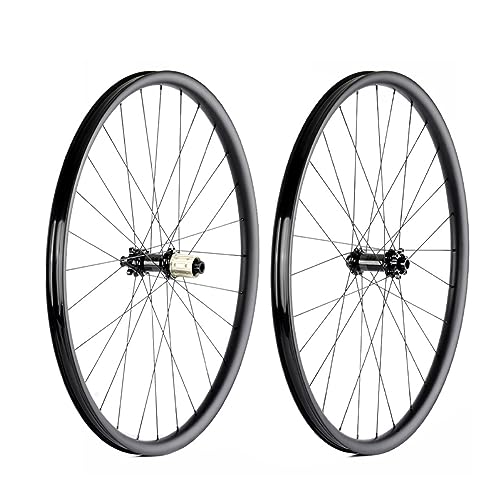
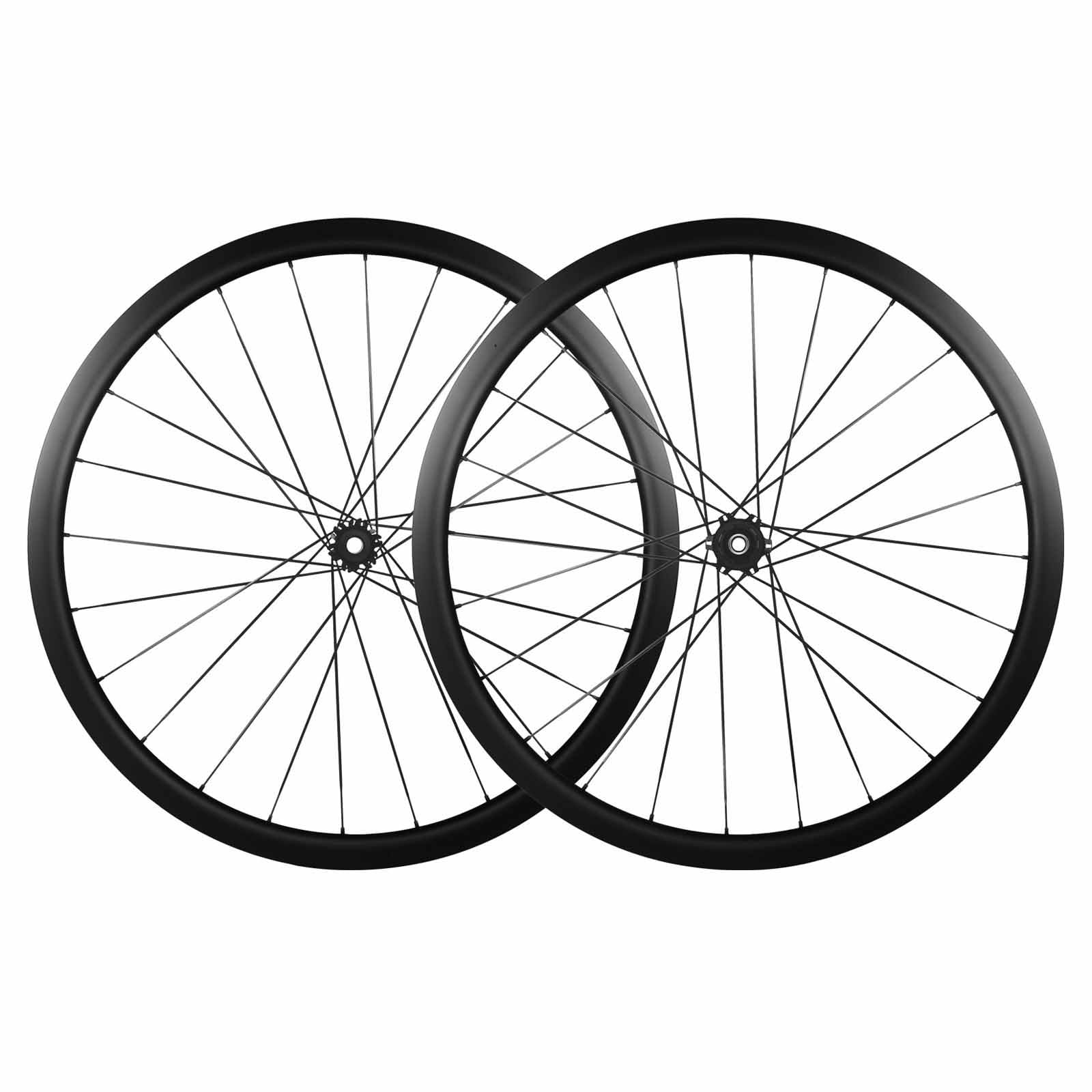
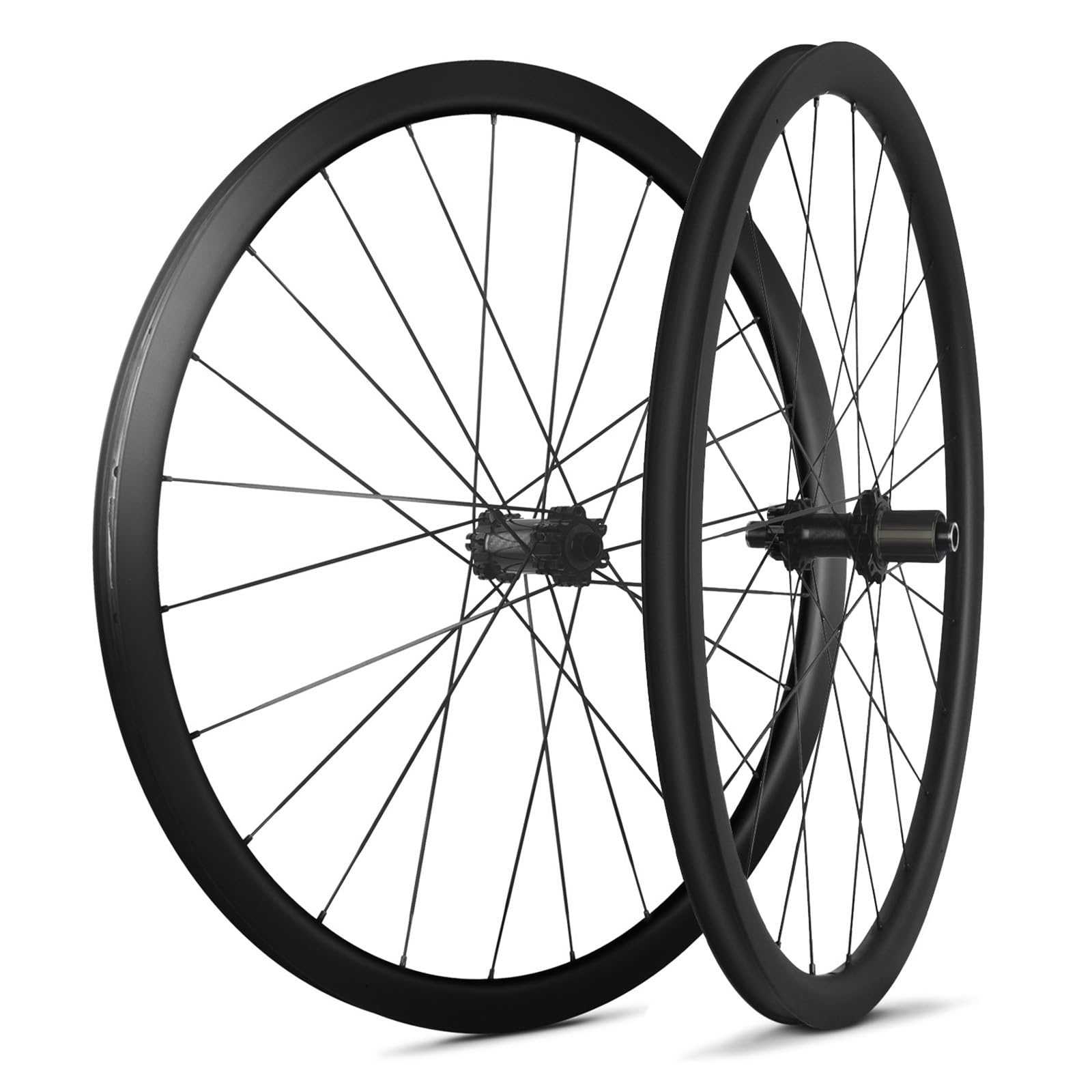
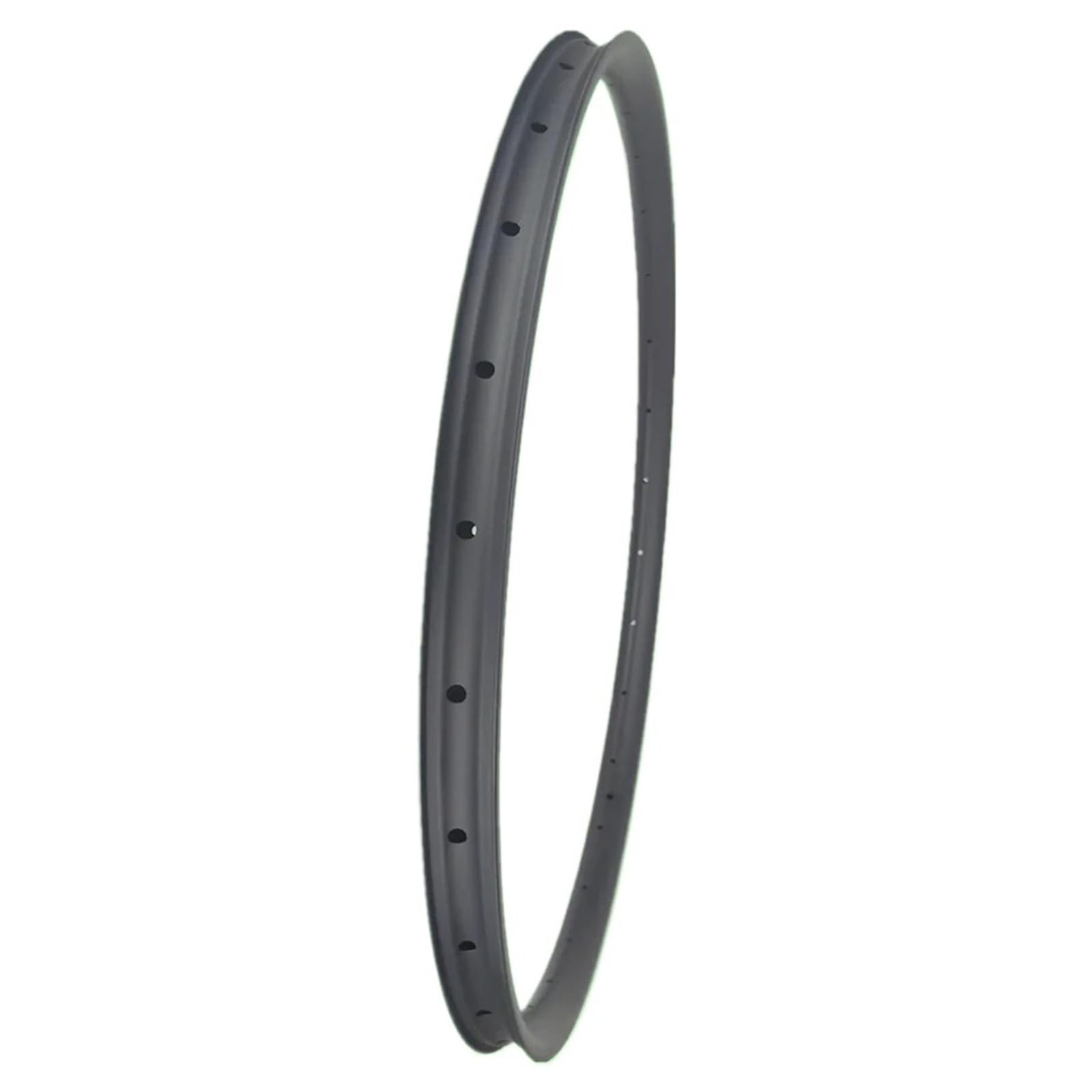
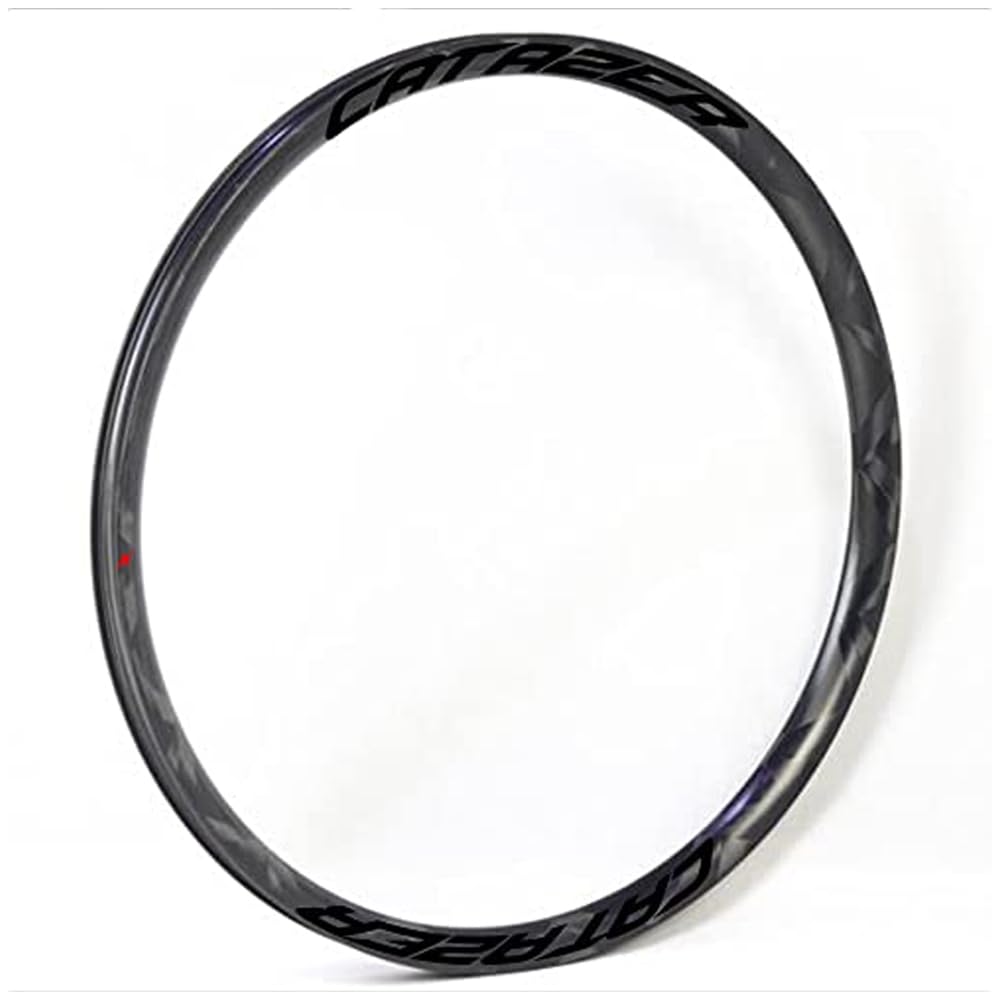
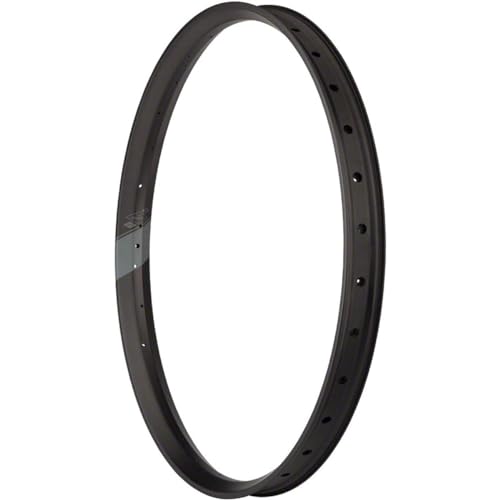
Who Should Buy Which Carbon Mountain Bike Rims?
Find your group below. Each group needs a different balance of width, strength and price, and each one can safely ignore some features that matter to the others.
For Riders Who Value Easy Handling and Storage
If you load your bike into a car or hang it in a tight space, lighter rims make the whole bike easier to lift, carry and wheel through doors. A trail weight rim set also spins up faster out of slow corners, which you feel on every ride. The tradeoff is a lower margin for hard impacts, so this group should avoid bike park days and jump lines on light rims. Choose a rim with a clear rider weight limit that covers you plus your pack, and keep your alloy spare wheel in mind for rough trips away from home.
For Bad Weather and Tough Conditions
Wet and rocky riding rewards rims with strong bead walls, a hookless or hooked profile that holds tires at low pressure, and nipples that resist corrosion. Carbon itself does not rust, but the small metal parts at the rim still suffer in salt and grit. Sealed rim beds without spoke holes in the outer wall make tubeless setup simpler and reduce tape failure in winter slime. If your trails stay rough all year, pick impact rating over grams every time, because a cracked rim ends a season faster than a heavy one slows a climb.
For Frequent or Serious Users
High mileage riders and racers should look for rims with published impact test results, readily available spare spokes and nipples, and a crash replacement policy with clear pricing. A rim you can rebuild on your existing hubs protects your investment when one side fails. Serious users also gain from slightly wider internal widths that support modern trail tires at lower pressure, giving more grip and fewer pinch flats. Keep a record of spoke tension checks, because a rim that stays true under your mileage is worth more than a small saving at purchase.
For Weekend Beginners
Weekend riders get the best value from mid width trail rims that forgive line choice errors and set up tubeless without a fight. You do not need the lightest layup, and you will not feel a small weight gap at social pace. What you will feel is a tire that stays seated and a wheel that stays true. Spend the saving on good tires and a floor pump with an accurate gauge. If a rim needs rare spokes or a dealer only rebuild, skip it, because simple service keeps beginners riding instead of waiting.
Key Features to Compare
Judge rims in this order. Compatibility comes first, because the finest rim is useless if it does not match your tires, hubs and frame.
Riding Style and Impact Rating
Cross country rims are light and narrow, built for smooth speed and careful lines. Trail and all mountain rims add material at the bead wall and sidewall, where rock strikes land. Enduro rims go further, with layups tested for repeated hard hits at speed. Be honest about your hardest regular trail, not your easiest one. A rim rated one class above your riding gives a safety margin for the day you misjudge a drop. Riders comparing fiber options can start with our guide to the best carbon fiber mountain bike rims for layup background.
Wheel Size and Tires
Your frame decides whether you need 27.5 inch or 29 inch rims, and the two do not interchange. Internal width then decides tire shape. A rim around 25 mm inside suits narrow cross country tires, while 30 mm inside supports most trail tires and 35 mm suits wide plus size tires. Too narrow a rim makes a wide tire feel vague in corners, and too wide a rim squares the tread and exposes the sidewall. Tubeless ready profiles with a deep center channel make fitting easier, which matters when you reseat a tire at home with only a floor pump.
Weight and Components Upgrade Path
Rim weight counts because it sits at the edge of the wheel, where grams affect how fast the bike changes pace and direction. Still, a slightly heavier rim with a better warranty often costs less over three seasons than a fragile light rim replaced once. Think about the upgrade path too. A rim drilled for standard spokes and common nipple sizes can move to a new hub later, while a rim built for a rare system locks you in. If you plan a full wheel build later, compare complete wheel options in our guide to the best carbon mountain bike wheels before you commit.
Hub Fit and Braking Compatibility
A rim alone does not brake, but the wheel you build from it must match your frame and fork. Confirm hub spacing, axle standard and rotor mount style before you order spokes, because a rim purchase often triggers a full rebuild. Six bolt and center lock rotors need different hubs, and adapters add cost and fuss. This is a one time compatibility check, not a reason to spend more on the rim itself. Riders who want the broader rim picture across materials can also read our guide to the best rims for mountain bike choices.
Common Mistakes to Avoid When Buying Carbon Mountain Bike Rims
- Choosing internal width by fashion instead of by the tire size you actually run.
- Buying a rim with no stated rider weight limit or no impact rating for your type of riding.
- Forgetting spoke, nipple and hub costs, then finding the full build costs far more than planned.
- Running tire pressure far below the rim limit to chase grip, which invites bead damage on rock hits.
- Ignoring the crash replacement terms until after a crack, when the full price comes as a shock.
One further mistake is mixing a rim from one system with valves, tape and rim strips from another without checking widths. Tubeless leaks that riders blame on tires often start with tape that is too narrow for the rim bed. Measure the bed, buy tape about 5 mm wider than the internal width, and press it into the channel with care. That small step prevents most slow leaks and saves sealant, time and patience across the whole season.
Care and Maintenance Tips
Inspect both bead walls after any hard rock strike, looking for chips, pale stress marks or fibers showing through the finish. Run a fingertip around the rim edge, because small cracks catch skin before eyes spot them. Keep spoke tension even and check it monthly if you ride rough ground, since loose spokes let the rim flex and crack at the holes. Wash with mild soap only and avoid harsh solvents near the rim bed tape. Check tire pressure before every ride, and book a professional wheel check yearly along with your tune up.
Carbon Mountain Bike Rims: Your Questions Answered
What internal rim width is best for trail tires?
For most trail tires between 2.3 and 2.6 inches wide, an internal width of about 28 to 32 mm gives the best balance of support and tread shape. Narrower rims make the tire feel round and vague at low pressure, while wider rims can expose the sidewall to cuts. A useful extra check is the tire maker width chart, because some tires are designed around a stated rim width and handle best close to that figure.
Are carbon rims worth it over alloy rims?
Carbon rims are worth it if you value precise steering, strong tubeless bead hold and a rim that stays true without constant truing. Alloy rims cost less and dent rather than crack, which some riders prefer for rocky riding far from support. The deciding point is your crash budget. If one cracked rim would end your season, a strong alloy rim or a carbon rim with fair crash pricing is the honest choice for your trails.
Can a cracked carbon rim be repaired?
Some carbon rims can be repaired by specialist shops, but a crack at the bead wall or spoke bed often means replacement is safer. Never ride a rim with a crack that grows, leaks air at the bed or feels soft at one spot. Take clear photos and contact the maker first, because warranty or crash programs may cover part of the cost. Keep the rim unridden while you wait, since one more hard hit can turn a small crack into a sudden failure.
How much should I spend on carbon rims?
Plan on about $200 to $700 per rim for most trail worthy carbon options, plus spokes, nipples, hubs or a build fee if you are not reusing parts. Spending more mainly buys lower weight, stronger impact testing and better crash terms, not a different ride feel at social pace. Add sealant, tape and valves to the budget, because those small parts are required for tubeless use and are easy to forget when you compare rim prices alone.
Do carbon rims work with tubes as well as tubeless setups?
Yes, most carbon mountain rims accept a tube in an emergency, and carrying one is smart even if you ride tubeless daily. The tube gets you home after a sidewall cut that sealant cannot close. One caution is heat on long road descents for rim brake bikes, but disc brake mountain bikes do not heat the rim that way. Check that your valve hole size matches your tube valve, because a loose fit can chafe and cause a slow flat on rough ground.
The Bottom Line
Match internal width to your tires, pick an impact rating above your hardest trail, and confirm hub and spoke costs before you order. Do those three things and the best carbon mountain bike rims for your riding will be clear in the product table. Riders building a full carbon setup can finish with our guide to the best carbon mountain bike range for frame context.


