Best Car Door Speakers For Bass And Sound Quality 2026: A Door Speaker Guide
Disclosure: We may earn a commission when you buy through links on this page, at no extra cost to you. As an Amazon Associate I earn from qualifying purchases. Learn more

Learn how to choose car door speakers for bass and sound quality. Compare sizes, power, materials, and install tips for a cleaner car sound.
Searching for the best car door speakers for bass and sound quality means balancing deep bass with clear voices and instruments. Door speakers face a tough job, since thin metal doors, road noise, and small mounting depth all work against clean sound. The right choice depends on your car, your head unit or amplifier, and how much install work you accept. The comparison table below shows the main speaker types side by side.
Door speakers come as coaxial models with a built in tweeter, or component sets with a separate tweeter for better staging. Size, power handling, and sensitivity all shape the result, and a speaker that fits poorly will sound worse than a simpler model that fits well. This guide explains each factor in plain terms so you can compare options with confidence. Check the product table below when you want a quick recap of the types.

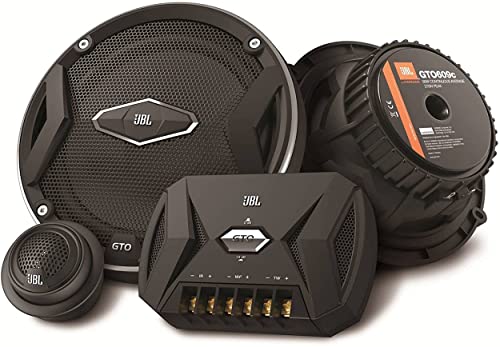


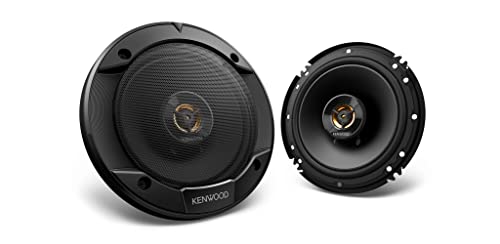

Coaxial and Component Door Speakers
Coaxial speakers place a tweeter on the same axis as the woofer, which makes install simple and keeps costs down. They suit buyers who want a clear upgrade over factory speakers without new wiring or custom mounts. Sound staging is less precise than a component set, but for everyday driving the difference may matter less than a good fit and clean power. Coaxial models also suit cars with shallow doors where a separate tweeter has nowhere sensible to go.
Component sets separate the woofer and tweeter, with a crossover dividing frequencies between them. This layout lets you place tweeters higher, such as on pillars or dash corners, for a wider and more natural sound stage. Install takes longer and may need new mounts or wiring, so budget for fitting time as well as parts. If you listen critically and drive a car you plan to keep, a component set usually rewards the extra effort.
Size, Fit, and Mounting Depth
Door speaker sizes commonly run from about 5 inches to 6 inches by 9 inches, and your car model decides which sizes fit without cutting. Check the factory speaker size, mounting depth, and screw pattern before ordering, since a speaker that is too deep will hit the window mechanism. Adapter rings can solve some fit problems, but they add cost and need care to seal well. A speaker that mounts firmly without rattling will always sound better than a larger speaker fitted loosely.
Door panels and grilles also affect fit, because some speakers need more clearance behind the grille than others. Remove a door panel carefully if you plan to measure yourself, and note clip positions so nothing breaks. If you are unsure about panel removal, a professional installer can measure and fit speakers in far less time than a first attempt at home. Good fit also protects the speaker from water that enters doors during rain and washing.
Bass, Sensitivity, and Power Needs
Bass from door speakers depends on cone area, excursion, and how well the door seals as a small enclosure. Larger cones move more air and usually reach lower notes, but a well sealed door matters just as much as cone size. Sound deadening sheets on the door skin reduce rattles and help bass sound tighter, even with modest speakers. Expect door speakers to cover mid bass well, while very deep bass still needs a subwoofer for full effect.
Sensitivity tells you how loud a speaker plays from a given amount of power, and it matters most when using a factory head unit. Higher sensitivity speakers sound louder and clearer on low power, which suits simple upgrades. Power handling matters more when you add an amplifier, since a speaker rated far below amplifier output can distort or fail. Match speaker ratings to your amplifier output, and avoid running any speaker constantly at its maximum rating.
Materials, Sound Character, and Durability
Cone materials shape sound character, with polypropylene offering a balanced and durable everyday sound. Woven fibers and treated paper can sound warmer or more detailed, but they need protection from moisture inside doors. Rubber surrounds last longer than foam surrounds in cars, where heat and humidity vary widely. Tweeters in silk tend to sound smooth, while harder dome materials can sound brighter and more detailed at high volumes.
Doors expose speakers to vibration, temperature swings, and occasional water, so build quality matters for long life. Check that mounts feel solid, terminals grip wires firmly, and grilles protect cones from kicks and cargo. A speaker that sounds bright in a shop may sound harsh in a reflective car cabin, so favor balanced descriptions over extreme treble claims. Listen, when possible, in a car similar to yours rather than on an open display board.
Install, Tuning, and Common Mistakes
Clean install starts with disconnecting the battery, labeling wires, and testing polarity before refitting panels. Reversed polarity makes bass thin and unfocused, and it is easy to miss until you compare both doors. Seal gaps around adapter rings, secure loose wires away from window mechanisms, and refit panels without pinching cables. Test all speakers at low volume first, then check balance, fade, and bass at normal driving volume.
Common mistakes include buying the largest speaker that almost fits, ignoring sensitivity on a factory head unit, and skipping sound deadening on rattling doors. Another mistake is judging speakers only at high volume in a shop, where road noise and cabin shape play no part. Take time to set crossover and equalizer settings modestly, since heavy bass boost can mask detail and strain small door speakers. A careful install and gentle tuning usually beat a costly speaker fitted in a hurry.
A Final Check Before You Order
Before ordering, check your car factory speaker size, mounting depth, and screw pattern, since a speaker that is too deep will hit window parts. Note whether adapter rings are included or must be bought separately, and whether your door panels need special tools for removal. If panel removal worries you, get a fitting quote before buying parts, since professional fitting often costs less than repairing a broken clip. Good fit decides sound quality more than brand alone.
Match sensitivity to your power source, favoring high sensitivity speakers if you keep the factory head unit. If you plan an amplifier later, check power ratings now so your speakers suit both stages of the upgrade. Plan sound deadening for rattling doors at the same time, since deadening tightens bass even with modest speakers. A staged plan spreads cost while improving sound at each step.
Frequently Asked Questions
What size car door speakers fit my car?
Your car model and year decide factory speaker size, mounting depth, and screw pattern, so check those details before ordering. Adapter rings can adapt some sizes, but depth limits still matter because deep speakers can hit window parts. A professional installer can measure quickly if you are unsure about removing door panels. A speaker that fits firmly and seals well will sound better than a larger speaker fitted loosely.
Do I need an amplifier for new door speakers?
No, many door speakers work well on a factory head unit, especially high sensitivity models designed for low power. An amplifier adds control and volume, which helps larger or lower sensitivity speakers reach their best sound. If you add an amplifier, match its output to speaker ratings and avoid constant maximum volume. Start with speakers alone, then add an amplifier only if volume or clarity still falls short.
Will door speakers alone give deep bass?
Door speakers give solid mid bass and improve punch over factory speakers, but very deep bass still needs a subwoofer. Door cavities are small and leaky, which limits how low a door speaker can play cleanly. Sound deadening helps bass sound tighter, yet it cannot turn a door into a subwoofer box. If deep bass matters most, plan for a compact subwoofer alongside your door upgrade.
Are component speakers worth the extra install work?
Component speakers are worth it if you listen critically, want better sound staging, and drive a car you plan to keep. Separate tweeters placed higher give a wider and more natural stage than coaxial tweeters at knee level. Install takes longer and may need new mounts, so factor fitting time into the cost. For simple everyday upgrades, a good coaxial set often gives most of the benefit with far less work.
How can I stop new door speakers from rattling?
Rattles usually come from loose panels, unsealed adapter rings, or wires touching moving parts inside the door. Apply sound deadening to the door skin, seal gaps around mounts, and secure wires away from window mechanisms. Refit panels fully, checking every clip, and test at normal driving volume rather than only at idle. If a rattle persists, remove the panel again and press parts gently while playing music to find the source.
Final Thoughts
Match speaker type and size to your car first, then weigh sensitivity against your head unit or amplifier, and treat sound deadening as part of the upgrade. Coaxial models suit simple installs, component sets suit careful listeners, and neither will shine if fitted loosely or driven badly. Take time over fit and tuning, and the result will sound clean at everyday volumes, not just at full blast.
The product table above sums up the main types, so compare them once more before ordering. With the right fit and realistic bass expectations, the best car door speakers for bass and sound quality can transform daily driving without a full system rebuild.
Related Buying Guides
For closely related choices, see our guides to the best car speakers for bass and sound quality, the best door speakers for bass and sound quality, the best car door speakers for sound quality, and the best car door speakers for bass. Rear deck openings follow different sizing, as covered in our guide to the best 6x9 car speakers for bass and sound quality.