
Best Car Door Speakers for Bass: 2026 Full Sound Guide
Disclosure: We may earn a commission when you buy through links on this page, at no extra cost to you. As an Amazon Associate I earn from qualifying purchases. Learn more

Door speakers can add real bass without a subwoofer if you choose well. Compare sizes, power, and door treatment to get punchy, clean low end in your car.
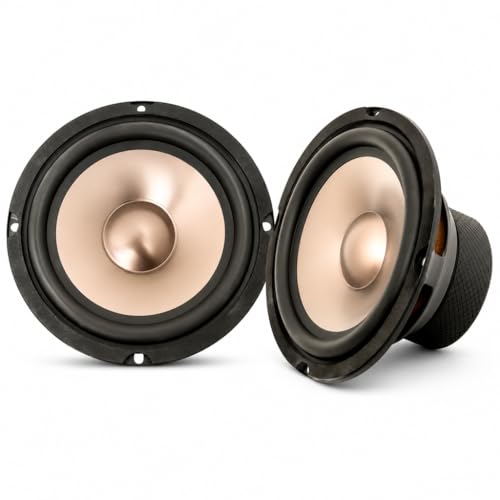
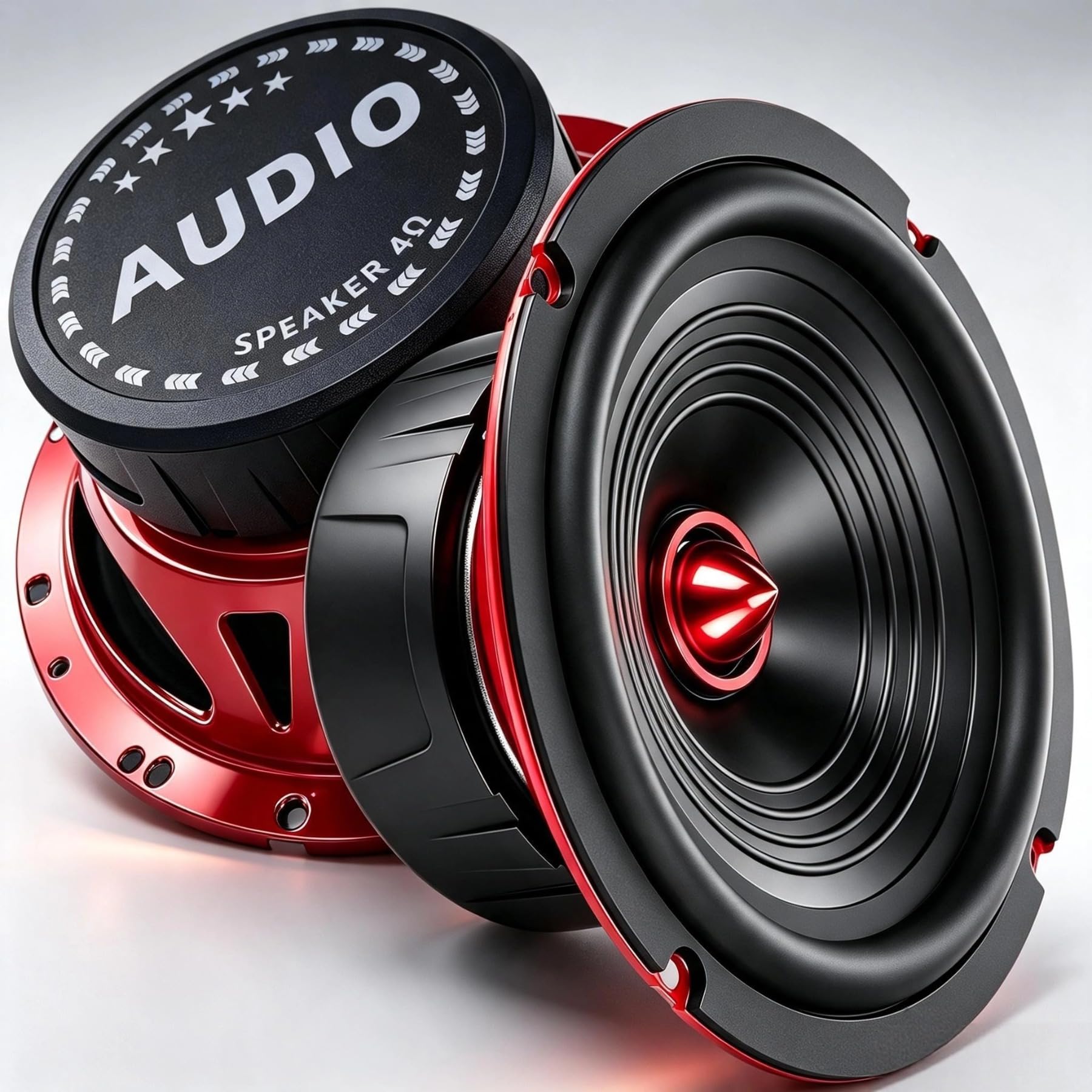
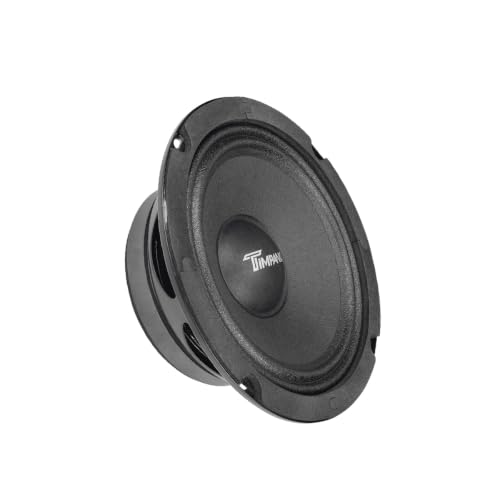
A best car door speakers for bass upgrade appeals to drivers who want punchier low end without fitting a subwoofer box. Door speakers can deliver satisfying bass, but only with the right size, power, and door treatment. The comparison table below compares door speaker approaches for bass side by side.
Door speakers face a hard job: small enclosures, thin metal panels, and road noise all fight bass. Factory speakers usually lack the excursion and power handling to move enough air for real low end. This guide explains size, sensitivity, power, and door deadening, so you can judge how much bass doors alone can give and when a subwoofer still makes sense.






Who Should Upgrade Door Speakers for Bass
Drivers who want punchier music without losing trunk space benefit most. A good door upgrade adds midbass punch for rock, pop, and hip hop, and fills out the sound for everyday listening. Commuters and city drivers who park in tight spaces often prefer doors alone over a subwoofer box.
Bass lovers who want deep, chest thumping lows will still need a subwoofer, since door speakers cannot reproduce the lowest octaves cleanly. Treat door speakers as the foundation: they handle punchy midbass, while a subwoofer, if added later, handles deep bass. That division gives the cleanest overall sound.
Size and Power for Bass
Larger door speakers move more air and reach lower frequencies. A 6.5 inch speaker gives noticeably more bass than a 5.25 inch speaker, and 6 by 9 inch speakers in rear decks add even more low end where they fit. Measure your door cutout and depth before you order, since larger speakers may need adapter rings or spacers.
Power handling matters for bass, since low frequencies demand the most energy. An external amplifier gives door speakers the clean power they need to play bass loudly without distortion. Check RMS power ratings, not peak numbers, and match the amplifier to the speakers. Sensitivity also matters: higher sensitivity speakers play louder on limited power, which suits head unit only installs.
Door Treatment: The Hidden Upgrade
Sound deadening transforms door bass more than any speaker swap alone. Applying deadening to outer and inner door skins reduces panel vibration, seals air leaks, and turns a rattly door into a more solid enclosure. Bass becomes tighter, louder, and cleaner, with less buzz and rattle.
Seal large holes in the inner door panel with deadening or panels, and mount speakers on solid adapter rings rather than thin factory brackets. Check for loose clips, wires, and trim pieces that buzz with bass, and fix them during the install. These steps cost little but change the result dramatically.
Tuning Bass Without Distortion
Set your head unit crossover so door speakers avoid frequencies below what they handle cleanly, usually around 60 to 80 Hz for 6.5 inch speakers. Boosting bass heavily at the equalizer strains speakers and adds distortion, so use modest boosts and let an amplifier do the work. If you add a subwoofer later, raise the door crossover and let the subwoofer carry the deep lows.
Listen for warning signs: buzzing, rattling, or a muddy, boomy sound means the install or tuning needs attention, not more volume. Fix rattles, check mounting, and reduce bass boost before pushing harder. Clean, punchy bass at moderate volume beats distorted bass at high volume every time.
A Final Check Before You Order
Before you order, measure your door cutout, depth, and window clearance, since bass capable speakers tend to run deeper than factory units. A deep woofer can foul a window regulator when the window drops, turning a simple upgrade into a door rebuild. Check a fit guide for your exact car model and year, and confirm adapter ring options before you buy.
Compare sensitivity and RMS power honestly, since bass demands the most power and a low sensitivity speaker on head unit power will sound thin no matter how good its design. Higher sensitivity speakers play louder on limited power, but an amplifier still gives cleaner, punchier bass than head unit power alone. Match the speaker to your real power plan, not to a peak power fantasy.
Finally, budget door treatment alongside the speakers, since deadening transforms bass more than any speaker swap alone. A speaker budget without deadening money leaves the biggest bass gain unclaimed, while a modest speaker with treated doors often beats a premium speaker in a rattly door. Price the job complete before you order.
Related Buying Guides
For closely related choices, see our guides to the best car door speakers for bass and sound quality, the best car speakers for bass, the best door speakers for bass, and the best car door speakers.
Frequently Asked Questions
Can door speakers give good bass without a subwoofer?
Door speakers can give satisfying punchy midbass without a subwoofer, especially larger 6.5 inch or 6 by 9 inch speakers with an amplifier and treated doors. They cannot reproduce the deepest bass cleanly, since small door enclosures limit low frequency output. For rock, pop, and everyday listening, good doors alone often satisfy. For deep, chest thumping bass, a subwoofer remains necessary.
What size door speakers are best for bass?
Larger door speakers give more bass, since they move more air and reach lower frequencies. A 6.5 inch speaker gives noticeably more bass than a 5.25 inch speaker, and 6 by 9 inch speakers add even more where they fit. Measure your door cutout and depth before you order, since larger speakers may need adapter rings. Always check fit for your exact car model and year.
Does sound deadening really improve door bass?
Yes, sound deadening improves door bass dramatically. It reduces panel vibration and rattles, seals air leaks, and turns a thin door into a more solid enclosure. Bass becomes tighter, louder, and cleaner, with less buzz. Apply deadening to outer and inner door skins and seal large holes in the inner panel, since even a basic treatment of the front doors changes the result more than many speaker upgrades alone.
Do I need an amplifier for bass from door speakers?
An amplifier helps greatly for door bass, since low frequencies demand the most power. A head unit alone strains at volume and distorts, which muddies bass and can damage speakers. Match amplifier RMS power to your speakers and set gains carefully. Higher sensitivity speakers play louder on limited power, but an amplifier still gives cleaner, punchier bass than head unit power alone.
Why do my door speakers rattle with bass?
Rattles usually come from loose door panels, clips, wires, or trim pieces vibrating with bass, or from speakers mounted on thin factory brackets. Fix rattles by adding sound deadening, sealing the inner panel, mounting speakers on solid rings, and securing loose items inside the door. Reduce bass boost while you diagnose, since heavy boosting worsens rattles. A solid, treated door plays bass cleanly without buzzing.
Final Thoughts
Getting best car door speakers for bass results takes size, power, and door treatment together. Larger speakers move more air, an amplifier gives clean power, and deadening turns a rattly door into a solid enclosure. The product table above can help you compare approaches side by side. Treat the doors well, tune gently, and enjoy punchy bass without losing your trunk to a subwoofer box.


