
Best 6x9 Car Speakers for Bass and Sound Quality: A Buying Guide for 2026
Disclosure: We may earn a commission when you buy through links on this page, at no extra cost to you. As an Amazon Associate I earn from qualifying purchases. Learn more

Sensitivity, cones, tweeters, and sealing explained to help you choose the best 6x9 car speakers for bass and sound quality.
Bass and sound quality can pull in opposite directions in a car, because a speaker tuned for boom often smears vocals, while a delicate speaker can sound thin on a factory radio. This guide to the best 6x9 car speakers for bass and sound quality shows how to get both from the large oval 6x9 cone: fit first, then power and sensitivity, then cone, surround, and tweeter design.
The product table right after this introduction lists current options side by side. Use it with the checks below, because mounting depth, a sealed mount, and honest RMS ratings matter more than a headline wattage number.
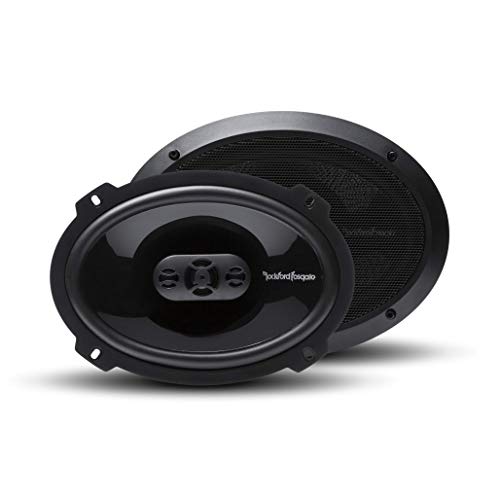


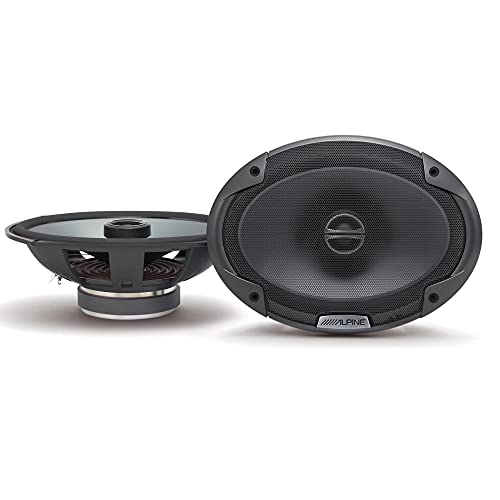


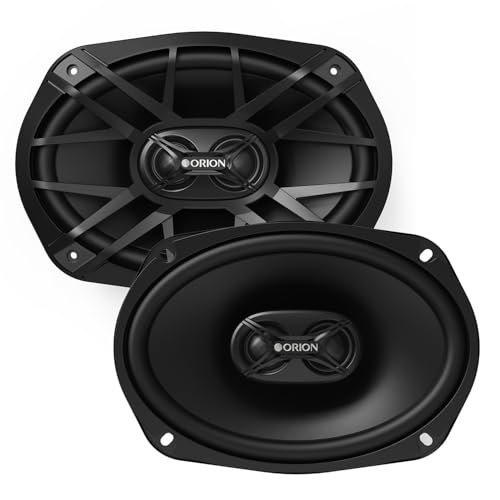


Who Should Buy the Best 6x9 Car Speakers for Bass and Sound Quality
These speakers suit drivers who want fuller sound from rear deck or door openings without adding a subwoofer box straight away. They also suit listeners who play a mix of music, from vocals and acoustic tracks to hip hop and rock, and want bass that supports the music instead of drowning it. If your car uses round speakers, you need a different size.
Why the 6x9 Size Suits Both Goals
A 6x9 cone has much more area than a round 6.5 inch cone, so it moves more air with less effort. That gives fuller midbass at moderate volume, where distortion stays low, and leaves the cone free to reproduce voices cleanly. The oval frame also fits wide factory openings, so many cars accept 6x9 speakers without cutting metal. Size alone does not guarantee quality, though, so the points below decide the result.
Key Features to Compare
Sensitivity and Power Handling
Sensitivity tells you how loud a speaker plays from one watt, and RMS power tells you how much continuous power it accepts. On a factory radio, sensitivity near 90 dB or higher gives fuller bass and clearer vocals without strain. If you plan an amplifier, choose a pair whose RMS rating covers the amplifier output per channel, and ignore peak watt claims, which describe a short burst.
Cone and Surround Materials
A stiff, light cone, usually polypropylene or treated fiber, controls bass without flexing and keeps midrange clean. Rubber surrounds let the cone travel farther for deeper bass and last longer than foam in hot rear decks and damp doors.
Tweeter Design and Crossover
Silk or soft dome tweeters sound smoother than hard metal domes, which can turn harsh in a reflective cabin. Coaxial designs put the tweeter in the center of the woofer for easy installation, and three way designs add a midrange driver that can separate vocals, but a good crossover matters more than driver count.
Fit and Mounting Depth
Measure the opening, the depth behind it, and clearance for the magnet and tweeter. Rear decks can hide trunk hinges and braces, and doors can hide window mechanisms. Adapter plates fix screw patterns, but they never fix a depth clash.
Getting Clean Bass and Clear Vocals Together
Start by sealing the speaker to the panel with a foam ring or gasket, because air leaks around the frame thin out bass and add buzz. Add sound deadening to the surrounding metal or deck, which tightens the low end and cuts rattles. Keep polarity the same on both sides, since one reversed speaker cancels bass. Then set the equalizer flat and make small changes: trim a boomy band before you boost bass, and cut harsh treble before you raise the volume.
Use a high pass filter if your head unit or amplifier offers one, so the speakers are not forced to reproduce notes only a subwoofer can play cleanly. If you add a subwoofer later, let it handle the deepest octave and let the 6x9 pair concentrate on midbass, vocals, and detail.
Budget Tiers and What They Deliver
Pairs around $40 to $80 replace worn factory speakers with crisper vocals and fuller bass on factory power, and they suit daily drivers. Pairs around $80 to $150 add stiffer cones, better tweeters, and more composed bass, which is where most buyers get the best balance. Pairs above that add refined materials and higher power handling, and they pay off when an amplifier is part of the plan. Budget a little extra for adapters, wiring harnesses, and sound deadening.
Rear Deck or Door: Where Your 6x9 Pair Sits
Most 6x9 openings sit in the rear deck of a sedan or in the doors of some trucks and wagons. A rear deck uses the trunk as a large enclosure, which helps bass but can pull the sound toward the back, so keep the front speakers slightly louder with the balance and fade controls. Door openings have less air behind the cone and more reflections off the window, so sealing and deadening matter even more there. Knowing your location sets realistic expectations and shapes which tweeter style you will enjoy.
Coaxial or Component
Coaxial pairs build the tweeter into the woofer, which makes installation simple and keeps costs down. Component sets separate the tweeter and add a crossover, which improves imaging when the tweeter can be mounted high, but they need more wiring and a mounting spot. For a first upgrade, a good coaxial pair is the sensible choice, and you can move to components once you know the car and your own taste.
Common Mistakes to Avoid
- Chasing the largest wattage number instead of RMS power and sensitivity.
- Skipping the depth check, then finding the magnet blocks a window or trunk hinge.
- Boosting bass to the maximum to hide a leaky mount, which adds distortion.
- Mixing one new speaker with one worn factory speaker.
- Ignoring the return policy and warranty terms before you pay.
Related Guides
For nearby choices, see best car speakers for bass and sound quality, best 6x9 car speakers for bass, best 6x9 car speakers for sound quality, best car door speakers for bass and sound quality, and best 6x9 speakers for bass.
Frequently Asked Questions
Can one pair of 6x9 speakers give both bass and sound quality?
Yes. A pair with a stiff cone, a rubber surround, and a smooth tweeter gives punchy midbass and clear vocals together. For the deepest notes you still need a subwoofer, because no oval door or deck speaker reproduces true sub bass.
Do I need an amplifier?
Not always. Sensitive models sound good on a factory radio. An amplifier adds headroom and control, especially for bass at higher volume, and then the speaker RMS rating should match the amplifier output.
Will 6x9 speakers fit my car?
They fit if your vehicle has 6x9 openings and the depth clears the panel behind them. Check a fitment guide for your exact year and trim, and measure the depth yourself with the panel removed.
Why does my bass sound boomy?
Boomy bass usually comes from a leaky mount, a rattling panel, or too much bass boost. Seal the speaker, add deadening to the panel, and reduce the boost before you blame the speaker.
How long do car speakers last?
A decent pair lasts roughly five to ten years. Rubber surrounds and moisture resistant cones last longest, and avoiding distortion protects the voice coil.
Final Thoughts
Match sensitivity and RMS power to your source, confirm the depth, seal the mount, and tune in small steps. The product table lets you compare current options with those checks in mind.
Chosen that way, the best 6x9 car speakers for bass and sound quality give you fuller low end and clearer vocals on every drive.


