Best Casio Keyboards 2026: How to Pick the Right One
Disclosure: We may earn a commission when you buy through links on this page, at no extra cost to you. As an Amazon Associate I earn from qualifying purchases. Learn more

Learn how to choose Casio keyboards for beginners, practice, and performance. Compare key action, sound quality, features, and budgets before you buy.
Choosing the best casio keyboards means matching key feel, sound quality, and learning features to your goals. Casio makes everything from small portable keyboards for first lessons to fuller models for practice and performance. The right choice depends on whether you are learning, returning to playing, or need a portable instrument for gigs. The comparison table below shows the main keyboard types side by side.
Key count, touch response, and built in lessons shape the learning experience more than the number of sounds alone. A keyboard that feels right under your fingers will encourage practice, while a poor key action can frustrate progress. This guide explains keys, sounds, features, and budgets in plain terms.


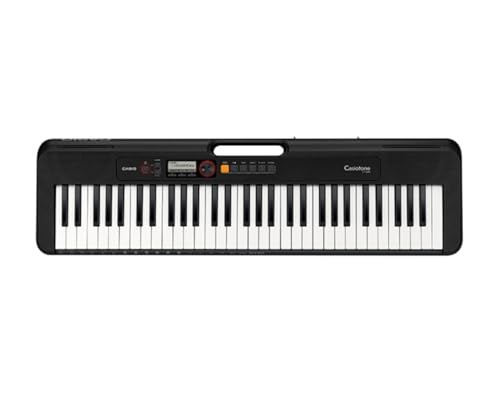
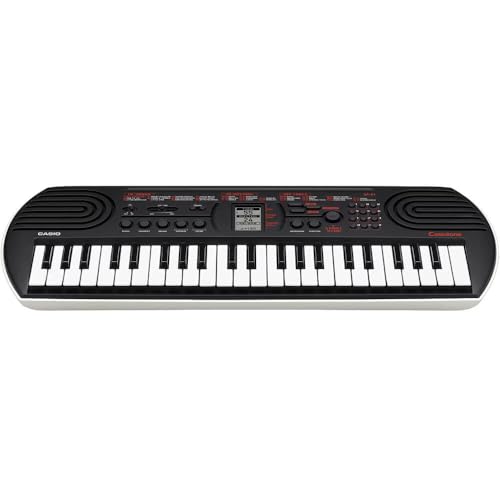
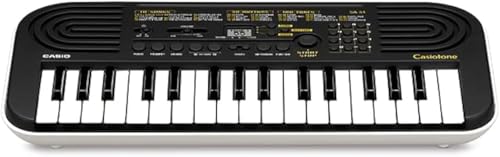

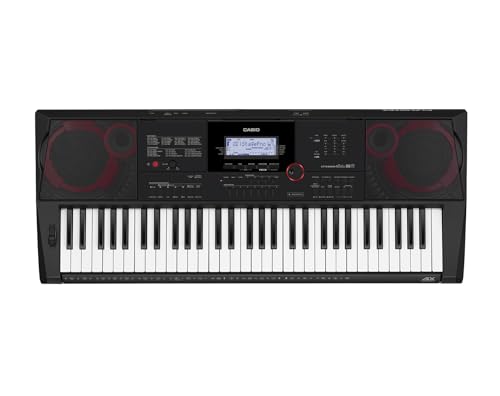


Key Count, Action, and Touch Response
Key count runs from 61 keys on portable models to 88 keys on fuller pianos, and the right count depends on the music you play. Beginners can learn well on 61 keys, since early pieces rarely need the full piano range. Players moving toward classical or fuller arrangements will soon want 88 keys, so buying fuller from the start can save an upgrade. If space or budget is tight, a 61 key model still teaches reading, chords, and timing effectively.
Touch response means keys react to how hard you press, giving louder sounds for firmer playing and softer sounds for gentle touch. This feature matters for expressive playing and is worth prioritising over extra sounds. Weighted or semi weighted keys feel closer to a piano, while light synth style keys suit portable playing and fast passages. Try keys in person if possible, since descriptions of action vary and hands differ in size and strength.
Sounds, Rhythms, and Learning Tools
Sound quality matters more than sound count, since a few good piano, electric piano, and organ tones serve most practice better than hundreds of weak tones. Listen for piano tone that stays clear across low and high notes, without harshness at the top or muddiness at the bottom. Built in rhythms and accompaniments help practice timing and make solo playing more fun, but they should not distract from core piano skills. A metronome, even a simple one, remains one of the most useful practice tools.
Learning tools such as step up lessons, chord guides, and app links can help beginners stay on track. Some models light keys or show notes on a screen, which helps early reading but should not replace learning notation. Check whether lessons need a subscription, since ongoing costs change the total price. A keyboard with clear lessons and a good piano tone usually beats a model packed with gimmicks you rarely use.
Portability, Power, and Connections
Portability matters if you take the keyboard to lessons, gigs, or a friend house, so check weight and whether it runs on batteries. Smaller models with battery power suit travel, while larger 88 key models usually need mains power and a sturdy stand. Built in speakers suit home practice, but headphone output matters for quiet practice and shared homes. A sustain pedal input adds expressive control and is worth having even for beginners.
Connections such as USB and audio output decide how the keyboard links to computers, tablets, and speakers. USB MIDI lets you record into apps and use learning software, which many teachers now expect. Audio output lets you play through larger speakers for performance or group practice. Check cable needs before buying, since adapters add cost and hassle if the right ports are missing.
Budgets and Skill Levels
Beginner budgets of about $80 to $250 buy portable keyboards with touch response, decent piano tone, and basic lessons. These models suit first lessons and casual practice, though key action stays light. Midrange budgets of about $250 to $600 open better key action, richer piano tones, and fuller key counts. This range suits committed learners and returning players who practice several times a week.
Higher budgets above $600 buy weighted 88 key models with piano like action and detailed tones that suit serious practice and performance. These models need stands and space, so measure your room before ordering. For most learners, spending in the midrange on key action and tone brings more progress than buying the largest model available. The product table above can help you compare the main types once more before you choose.
Practice Habits and Buying Checklist
Regular short practice beats rare long sessions, so choose a keyboard that stays set up and ready to play. A keyboard packed away in a cupboard gets used far less than one on a stand in a corner. Set a practice routine with warm ups, scales, and pieces, and use the metronome often for steady timing. Keep the keyboard dust free, and store it away from direct sun and damp rooms.
Before buying, confirm key count, touch response, headphone output, and pedal input for your needs. Check warranty terms, stand and pedal costs, and whether lessons need a subscription. Try keys in person when possible, or buy from a seller with fair returns so you can test at home. A keyboard that feels good and fits your space will encourage far more practice than a feature packed model that feels wrong.
Frequently Asked Questions
How many keys do I need on a Casio keyboard?
Beginners can learn well on 61 keys, since early pieces rarely need the full piano range. Players moving toward classical music or fuller arrangements will soon want 88 keys, so buying fuller early can save an upgrade. If space or budget is tight, a 61 key model still teaches reading, chords, and timing well. Choose key count by your music goals and room, not by maximum size alone.
Is touch response important for beginners?
Yes, touch response matters even for beginners because it teaches control of loud and soft playing from the start. Keys without touch response play at one volume whatever your touch, which limits expression and hides technique problems. A keyboard with touch response helps you learn dynamics naturally as you practice. Prioritise touch response over extra sounds when comparing beginner models.
Can I learn piano on a Casio keyboard?
Yes, many learners start on Casio keyboards and progress well, especially with touch response and a good piano tone. Weighted 88 key models feel closest to a piano, while portable models still teach reading, chords, and timing. A teacher can advise whether your model suits your level and goals. Regular practice and good technique matter more than brand alone for steady progress.
Do Casio keyboards work with headphones?
Most Casio keyboards include a headphone output for quiet practice, which suits shared homes and late practice. Headphones let you hear detail without disturbing others, and they help focus during lessons. Check the headphone socket type before buying, since some models need an adapter. A sustain pedal input is also worth having, since it adds expressive control even for beginners.
Should I buy a stand and pedal with my keyboard?
A sturdy stand keeps the keyboard at the right height and encourages regular practice, since a packed away keyboard gets used less. A sustain pedal adds expressive control and suits most playing beyond the earliest lessons. Budget for both when comparing prices, since a cheap stand that wobbles distracts practice. Choose a stand rated for your keyboard weight and size.
Final Thoughts
Match key count and touch response to your goals, favor piano tone quality over sound count, and check headphone and pedal inputs before buying. A keyboard that stays set up and feels good under your fingers will encourage far more practice than a feature packed model that feels wrong. Set a regular practice routine and build skills steadily rather than chasing extra features.
The product table above sums up the main types, so compare them once more before ordering. With the right keys and a realistic budget, the best casio keyboards can support learning from first lessons to confident playing.
Related Buying Guides
For a closely related choice, see our guide to best casio keyboards for beginners. You may also find our guide to best sounding keyboards.