
Best Amplifier for Car Door Speakers Made Simple: A Clear Buying Guide for 2026
Disclosure: We may earn a commission when you buy through links on this page, at no extra cost to you. As an Amazon Associate I earn from qualifying purchases. Learn more

Shopping for the best amplifier for car door speakers for the first time? Learn the terms, compare channel counts and power, and avoid rookie mistakes.
Your factory stereo probably sends only about 10 to 20 watts to each door speaker, and that is why the sound turns thin and fuzzy when you raise the volume on the highway. An external amplifier fixes that by giving the speakers clean power they can actually use.
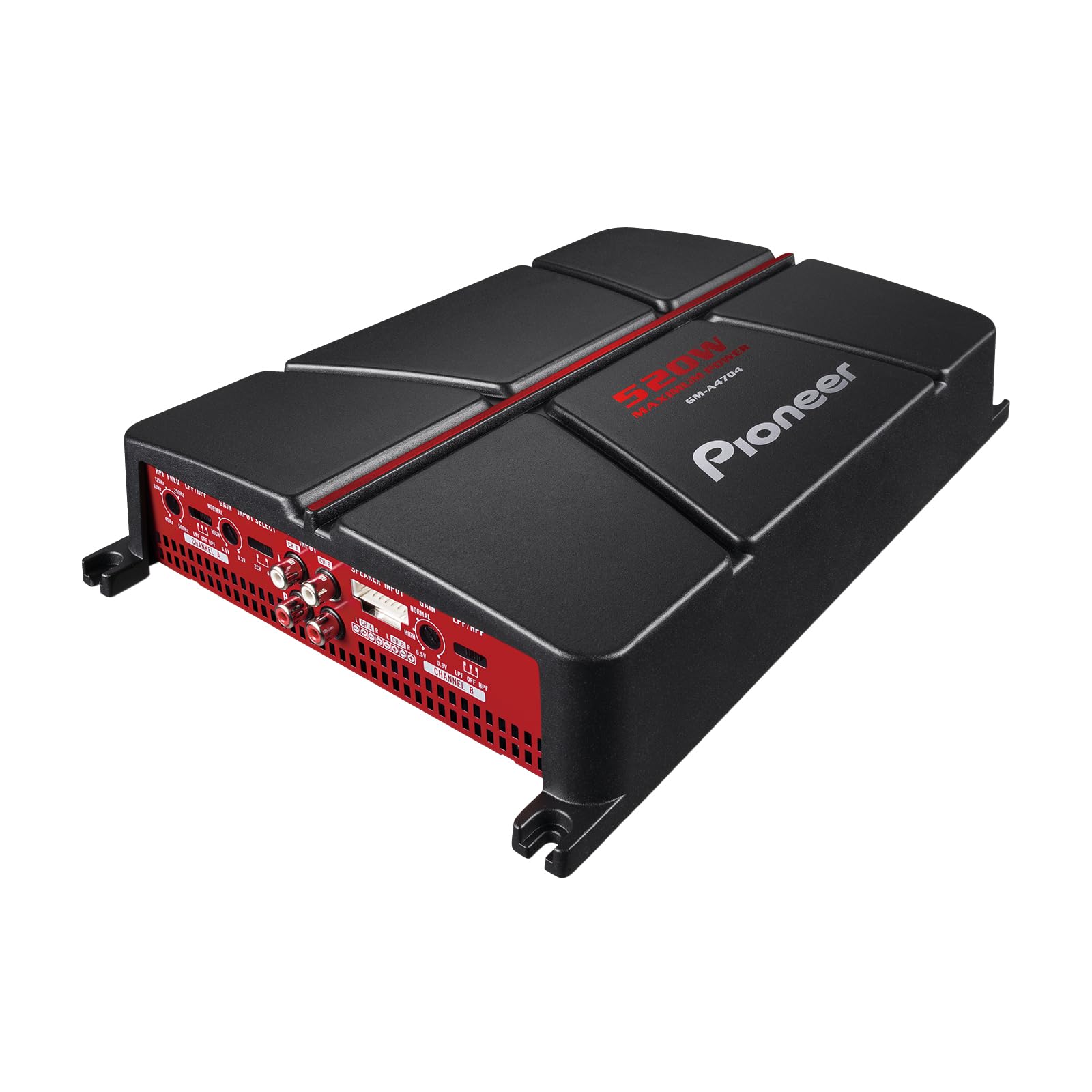
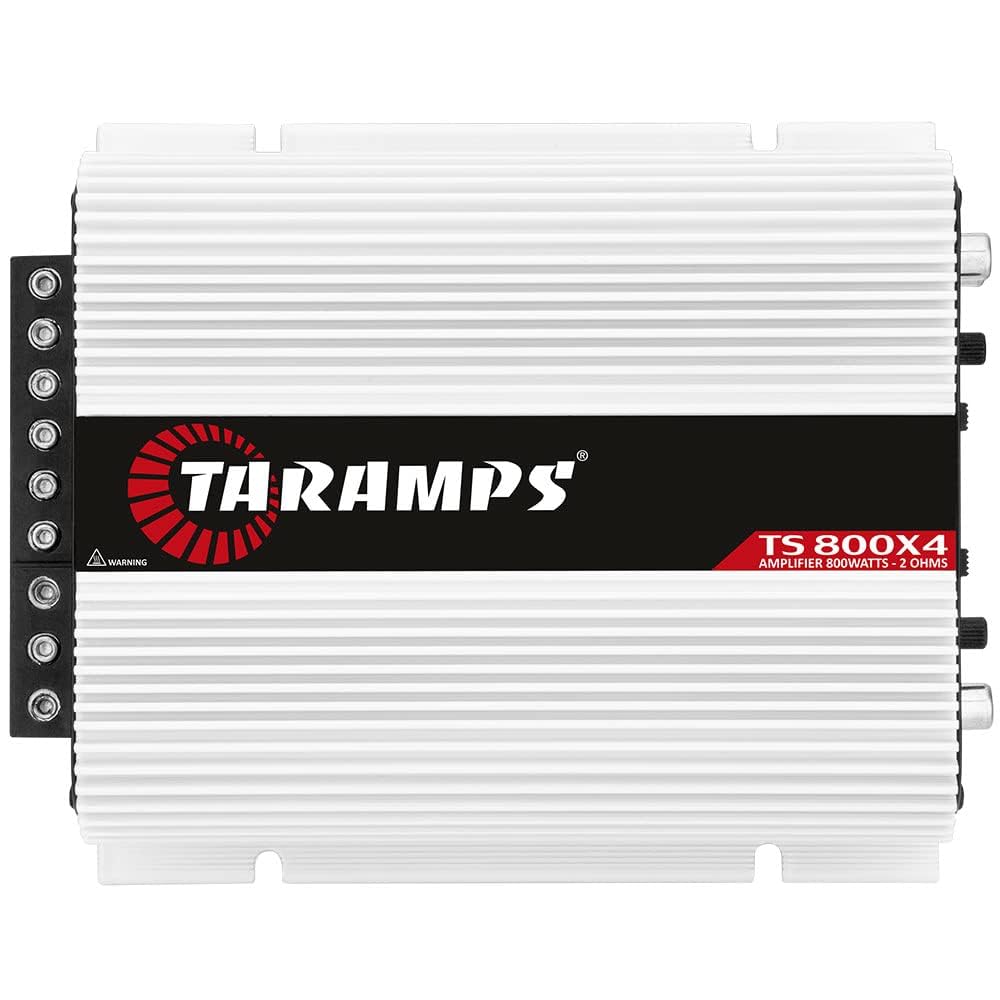
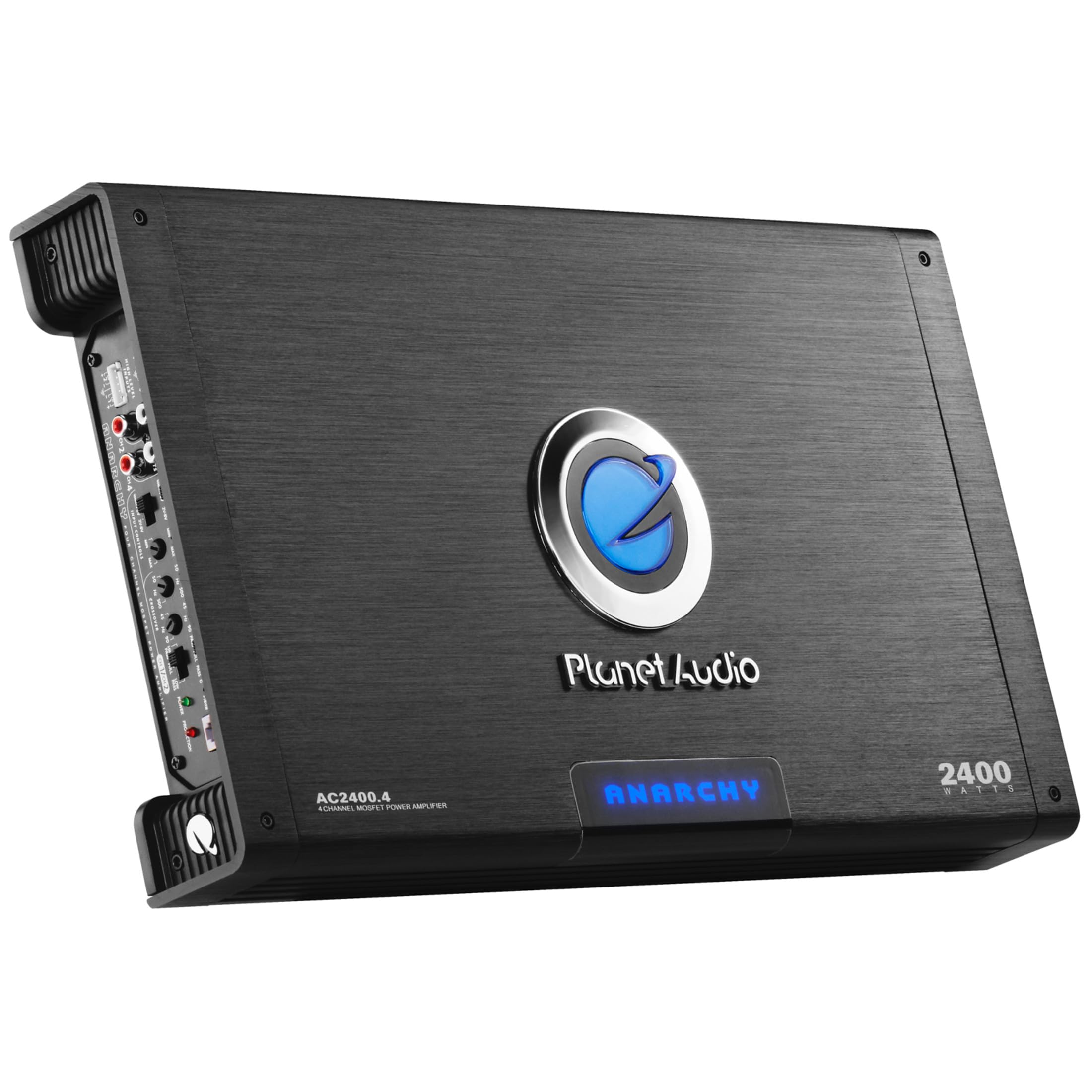
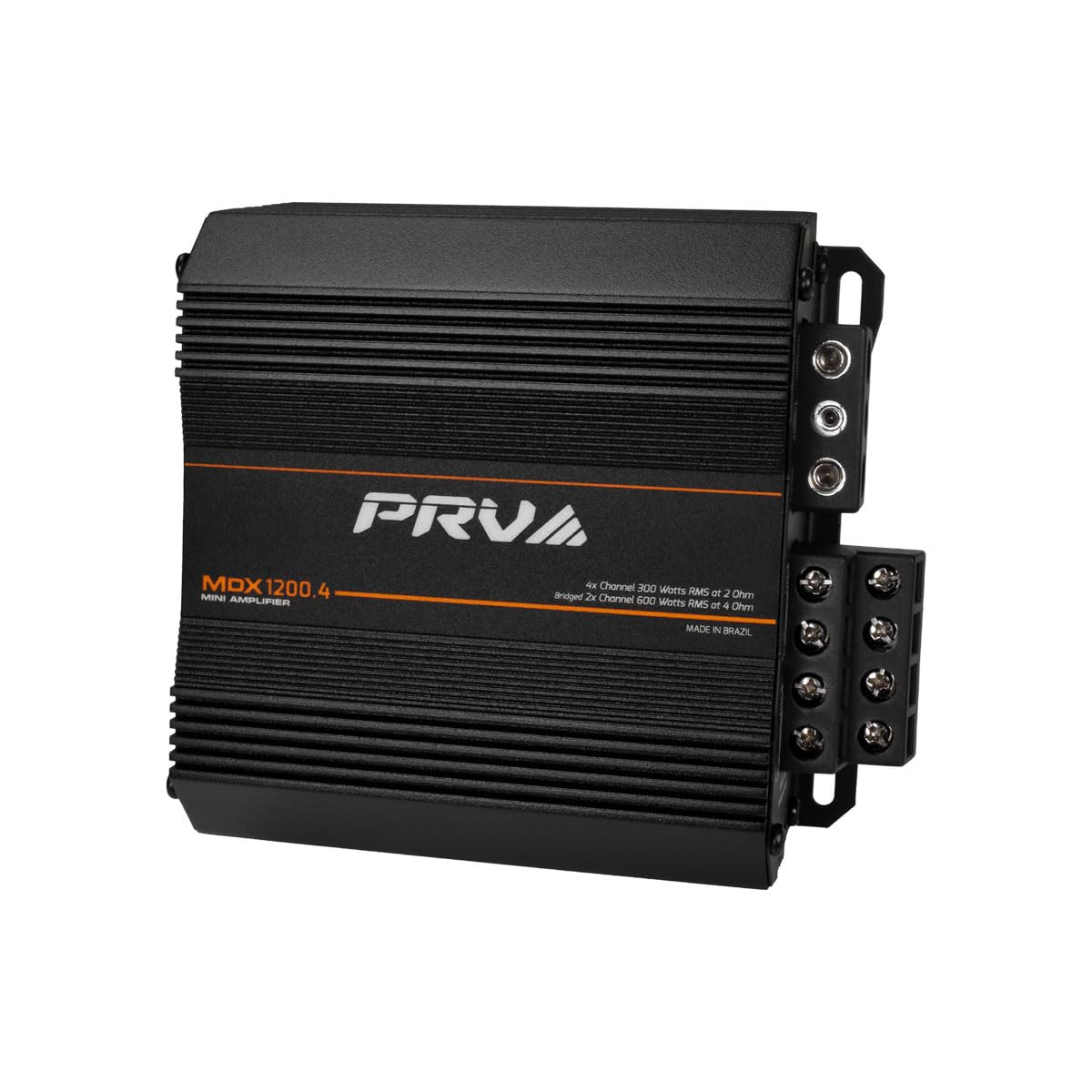
If this is your first upgrade, relax: choosing the best amplifier for car door speakers comes down to a handful of plain ideas, such as matching channels to speakers and reading RMS power instead of peak power. This guide starts with the basics, explains each spec in everyday language, and flags the mistakes that waste money, and the comparison table below shows how typical options stack up.







Amplifiers 101: The Basics
An amplifier takes the small audio signal from your head unit and rebuilds it at a much stronger level, strong enough to move speaker cones with control. Your head unit already contains a tiny amplifier, but it shares space and power with the screen, tuner, and controls, so it runs out of breath quickly. A separate amp has its own power supply fed directly from the car battery, which is why it can play louder without distortion.
Three terms explain most of shopping. Channels are independent outputs: one channel per speaker is the normal plan, so four door speakers need four channels. RMS power is the continuous power an amp can deliver honestly, and it is the only power number worth comparing. Impedance, measured in ohms, is the load the speaker presents, and most car door speakers are 4 ohm designs that nearly every car amp is built to drive.
Key Specs of the Best Amplifier for Car Door Speakers Explained
Features That Matter for Car Door Speakers
Door speakers live in a noisy, vibrating environment and cover everything from vocals to mid bass, so the amp needs clean power at real world volumes rather than exotic features. For most door speakers, about 50 to 75 watts RMS per channel is the sweet spot: enough to play clearly over road noise without risking damage to typical speakers rated in that range. Look for a high pass filter, which blocks deep bass the small door speakers cannot reproduce and lets them play cleaner and louder. A signal to noise ratio above 85 dB keeps quiet passages free of hiss at stoplights.
Vehicle Compatibility
Compatibility starts with counting what you own. Note how many door speakers your car has, whether a factory amplifier is already installed, and whether your head unit has RCA preamp outputs. Cars without RCA outputs need an amp with speaker level inputs, which accept the amplified signal from the head unit directly. Some factory systems with premium audio route sound through a separate factory amp and digital links, and those cars may need an integration module, so check a fit guide for your exact year and trim before ordering.
Space is the second half of compatibility. Measure under the front seats and in the trunk side panels, and compare with the amp footprint, leaving room for wiring and air. If you are also replacing the speakers themselves, our guide to the best car door speakers helps you match speaker power handling to the amp you are considering.
Features and Extras
Useful extras solve real problems. A remote bass knob matters only if a subwoofer joins later, while auto turn on sensing is genuinely handy because the amp wakes with the head unit signal and needs no separate remote wire on speaker level installs. Built in crossovers, both high pass for the doors and low pass for a bridged subwoofer channel, save buying separate processors. Indicator lights for protection mode help you diagnose a wiring fault quickly. Skip decorative lighting and app control unless the price is equal, because neither improves the sound in the doors.
Build Quality and Weather Resistance
Car interiors swing from freezing nights to dashboard heat well above 120 degrees Fahrenheit in summer sun, so build quality is survival equipment. A cast or heavy extruded heatsink pulls heat away from the output devices, and it should feel substantial for the power rating. Terminals should accept the wire gauge the manual specifies and clamp it firmly, because a loose power connection arcs and corrodes. Door speakers face moisture from window seals, but the amp itself belongs in a dry location such as under a seat or in the trunk, never inside the door.
Warranty and Brand Support
A warranty of at least one year is standard, and two years is better. What matters more is support you can reach: a published manual with wiring diagrams, a real phone number or chat, and authorized dealers whose receipts keep the warranty valid. Grey market bargains sometimes void coverage entirely. Keep your proof of purchase and register the product, and photograph your wiring before closing panels, because clear records make any support conversation shorter and more successful.
Ease of Installation
Some compact amps are close to plug and play, using harnesses that connect between the factory radio and its wiring on certain vehicles. Most traditional installs are a half day project: run a fused power cable from the battery, ground to clean bare metal, route signal cables away from power cables, and set the gains. If that list reads as intimidating, professional installation typically costs about $100 to $250 for a four channel amp and buys you correct gain setting and a warranty on the labor. There is no shame in that route for a first system.
Readers planning the wider system can compare head unit and speaker pairings in our guide to the best amplifier for car speakers, which covers full car setups beyond the doors alone. If your priority is clean vocals and detail rather than output, our guide to the best car door speakers for sound quality explains which speaker traits pair well with a modest, clean amp.
Rookie Mistakes to Avoid
- Shopping by peak power. Peak or max watts are marketing numbers measured for an instant. Compare RMS per channel into 4 ohms only, or you will buy far less amp than you think.
- Turning the gain up like a volume knob. Gain matches the amp to your head unit output. Set too high, it clips the signal, which sounds harsh and can damage speakers faster than honest high power does.
- Skipping the inline fuse. The fuse near the battery protects the car if the power cable shorts. Install it within about 18 inches of the battery terminal, every time.
- Grounding to a painted or loose bolt. A poor ground causes whine, cut outs, and heat. Sand to bare metal, use a proper ring terminal, and keep the ground cable short.
- Running signal and power cables together. Side by side runs invite alternator whine into your music. Route them on opposite sides of the car.
Getting Started: Setup and First Use
Start by reading the manual section for your exact wiring plan, and check your owner manual for speaker sizes and any factory amplifier location. Disconnect the negative battery terminal before touching power wiring, and work with the engine off throughout. Mount the amp firmly so it cannot slide, because a loose amp strains its own connections on every bump.
Once wired, set all crossovers and gains to the starting points the manual suggests, reconnect the battery, and test at low volume first. Set the high pass filter for the door speakers around 80 Hz as a starting point, then raise the head unit to about three quarters volume and bring the gain up slowly until the sound is loud and still clean, then back it off slightly. Play a familiar song on a short drive and listen for whine, distortion, or one side playing quieter, since each symptom points to a specific wire worth rechecking.
Amplifiers for Car Door Speakers: Your Questions Answered
What features matter most in amplifiers for car door speakers?
Honest RMS power near your speakers rating, a high pass crossover, and inputs that match your head unit matter most. Those three decide whether the system plays cleanly over road noise without extra adapters or distortion. After them, value solid terminals and a heatsink sized for the power. Decorative extras can wait, because none of them fix a mismatch in the basics.
Do I need professional installation for a car door speaker amplifier?
Not always, but it depends on your comfort with car wiring. A compact amp with a vehicle specific harness is a realistic Saturday project for a careful beginner who follows the manual and disconnects the battery first. Traditional installs with a battery cable run and panel removal are where professionals earn their fee, especially on newer cars with factory amplifiers. A botched power run is a safety issue, not just a sound issue, so be honest about your skill level.
How long does a car amplifier last?
A decent car amplifier commonly lasts eight to twelve years, often outliving the car it was installed in. Heat and vibration are its main enemies, so a firm mount in a ventilated spot matters more than brand tier. Corrosion at terminals is the usual first failure, and a yearly glance at the connections catches it early. Many owners move a good amp to their next vehicle, which is another reason to buy adequate power the first time.
Will an amplifier fit my vehicle?
Almost certainly, because compact class D models now fit under most front seats. Measure the space with the seat moved through its full travel, since seat rails and motors shrink the usable area, and leave clearance for cables bending at the terminals. Check also that your alternator and battery are healthy, because a typical four channel amp for door speakers draws modest current and needs no electrical upgrades in most cars.
What specs matter most when comparing car amplifiers?
Compare RMS watts per channel into 4 ohms, the crossover options, and the signal to noise ratio, in that order. Then confirm the input type matches your head unit and the dimensions fit your mounting spot. If bass is a future plan, a model whose rear channels can bridge for a small subwoofer adds flexibility, and our guide to the best car door speakers for bass shows what door speakers can and cannot do at low frequencies.
Our Verdict
Match four honest channels to your door speakers, respect the fuse and ground rules, and set the gain with patience. Check your shortlist against the product table above, and you will find the best amplifier for car door speakers for a first system is the one that plays clean at highway volume and never asks for attention afterward.


