Best Cases for Smartphones by Budget for 2026
Disclosure: We may earn a commission when you buy through links on this page, at no extra cost to you. As an Amazon Associate I earn from qualifying purchases. Learn more
Compare the best cases for smartphones at every price point. Learn what you get at budget, midrange, and premium levels and where spending more pays off.
Phone cases range from a few dollars to the price of a nice dinner, and the gap is not always obvious from a product photo. This guide to the best cases for smartphones sorts the market by budget, so you can see what each price tier actually buys in materials, fit, and everyday protection, and where extra money stops adding value.
The comparison table below lays the tiers side by side. After it, you will find the case features that change daily use, guidance for specific needs such as waterproofing, and the long term costs that rarely show up on the price tag.
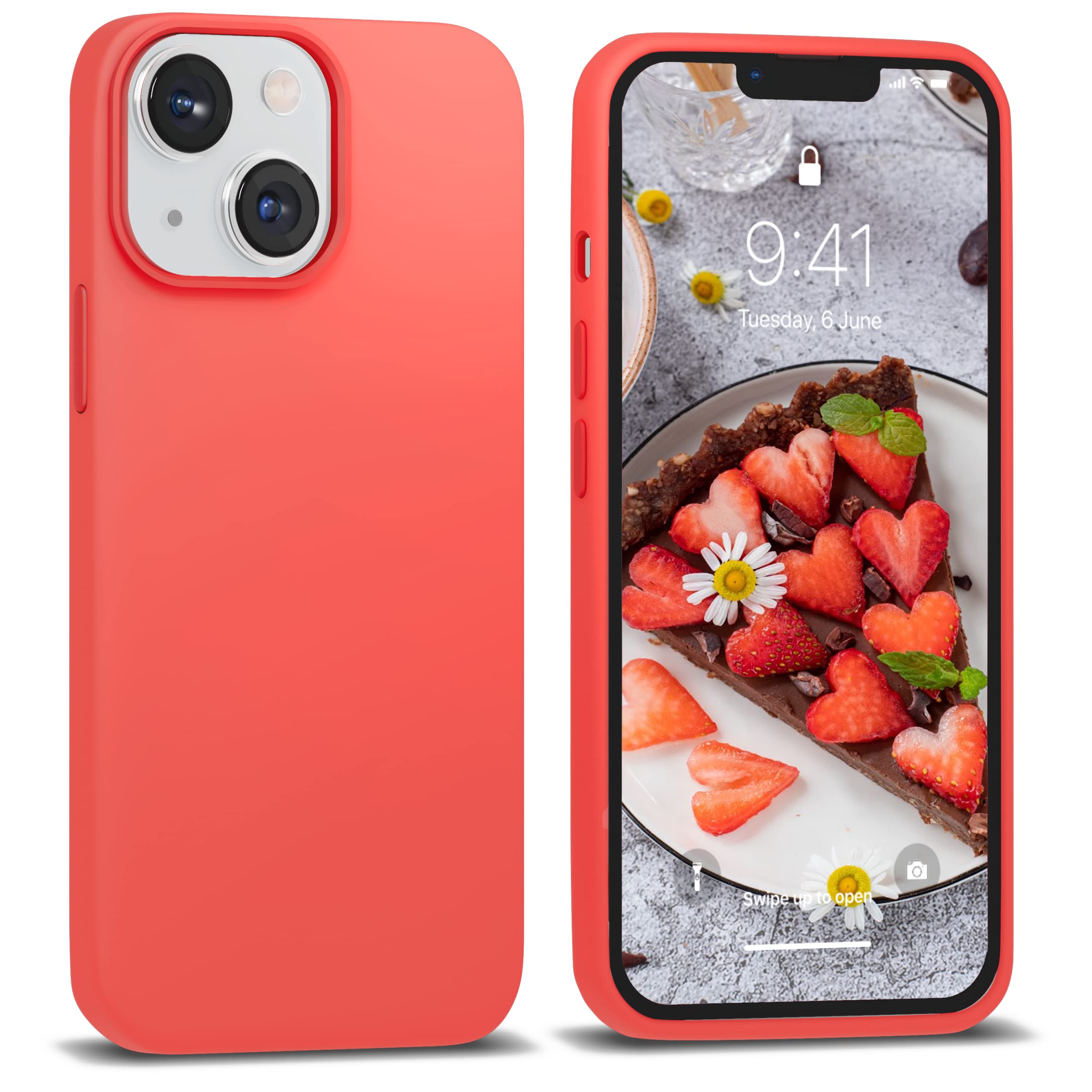
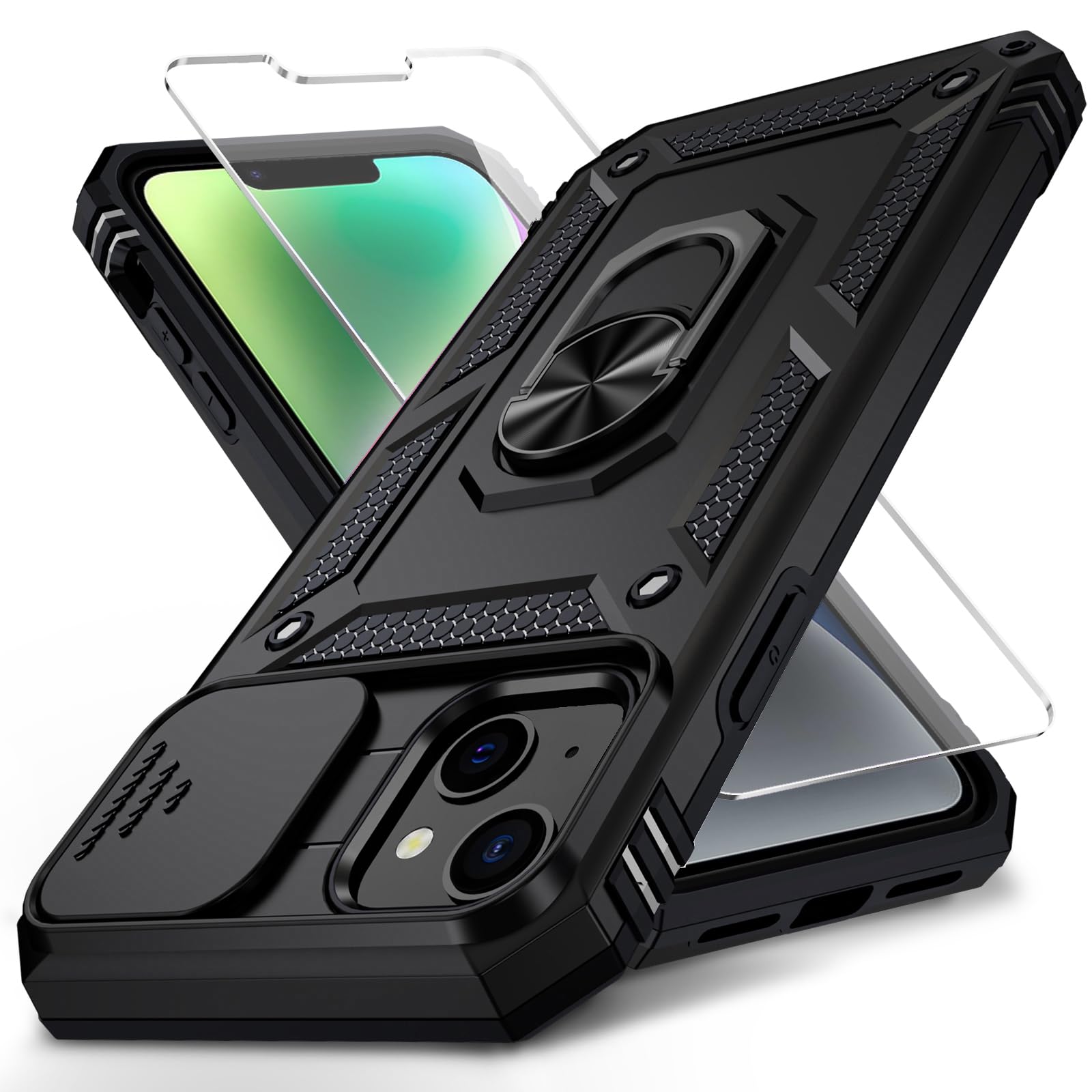


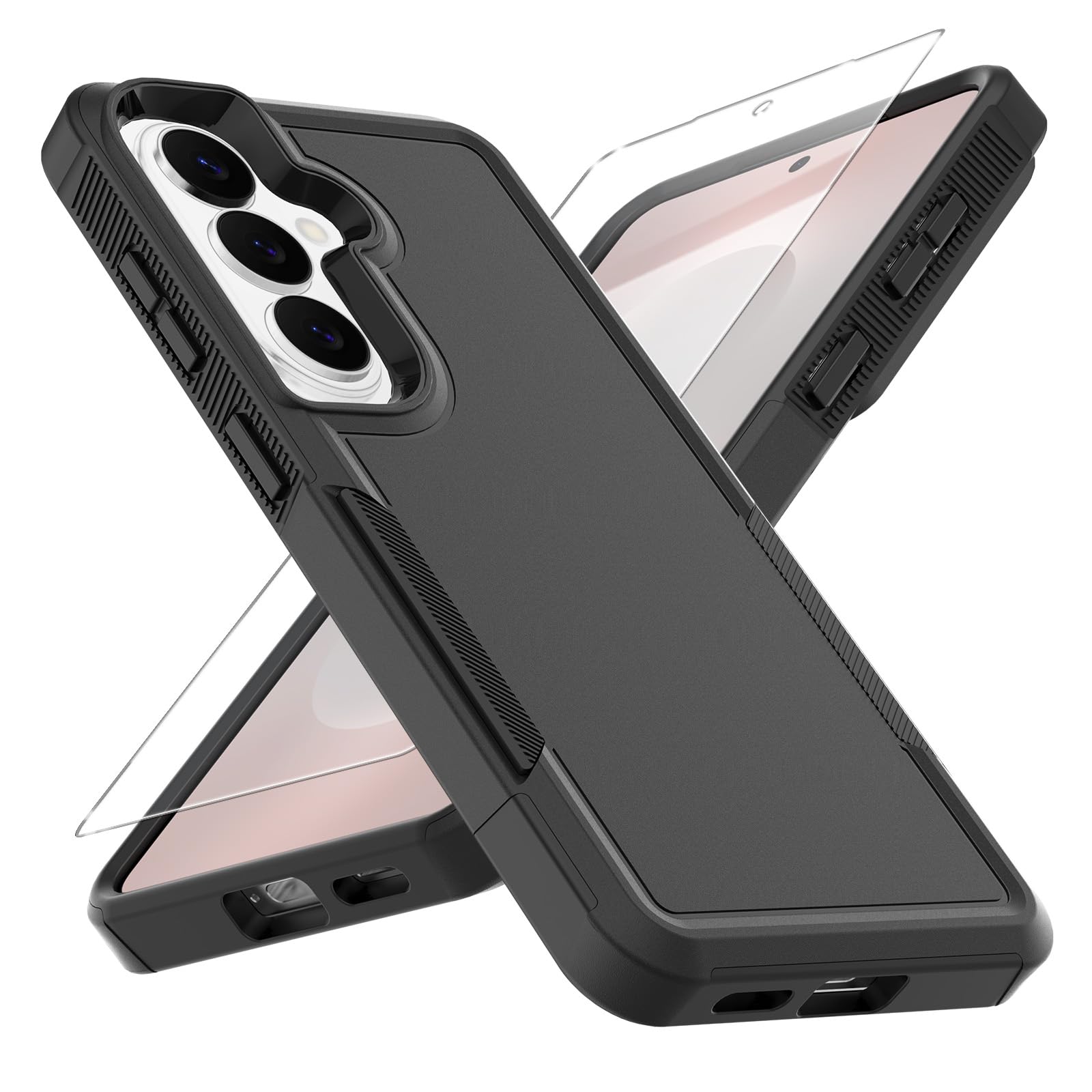
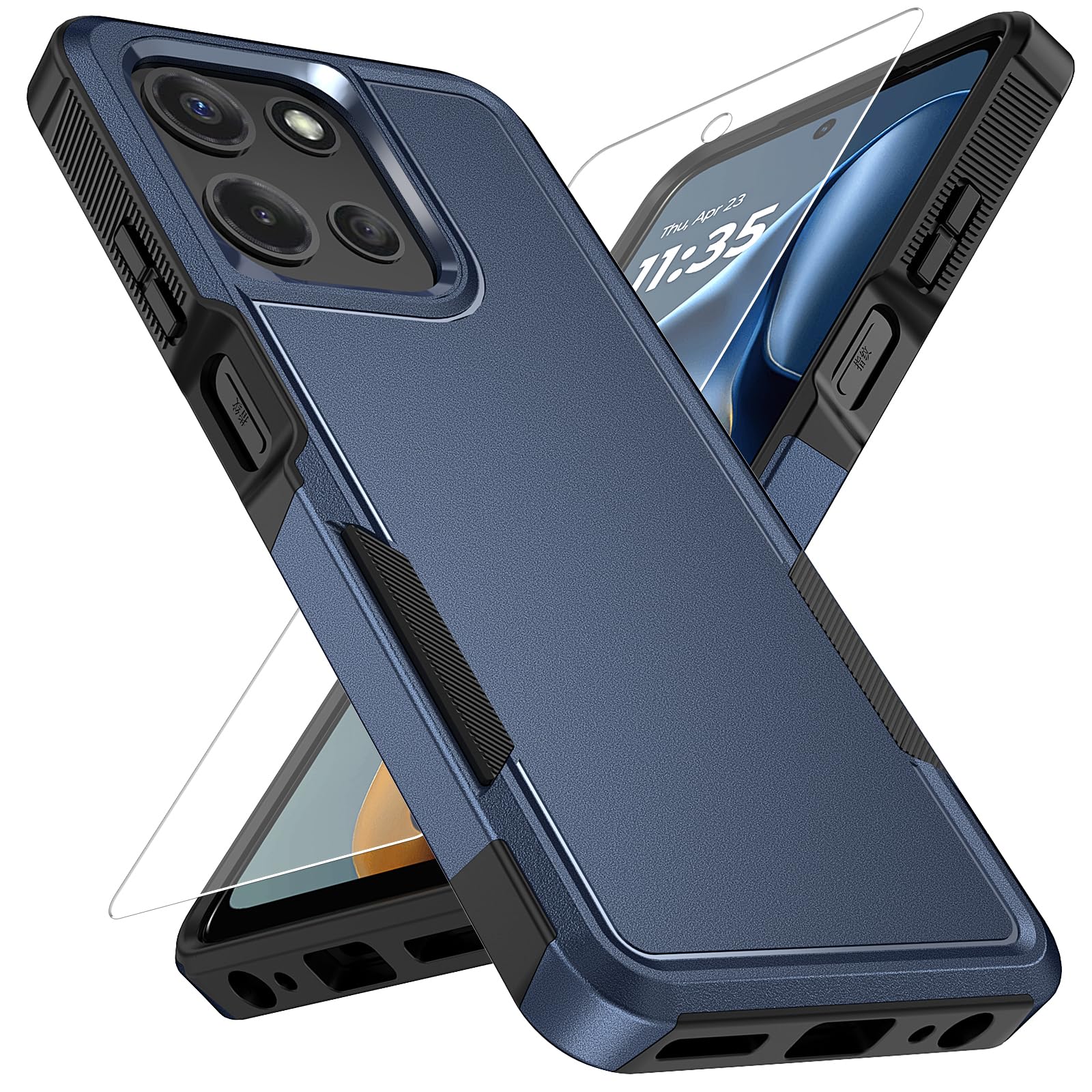
What Your Money Gets You at Each Price Tier
Budget Tier: Thin Shells and Basic Bumpers
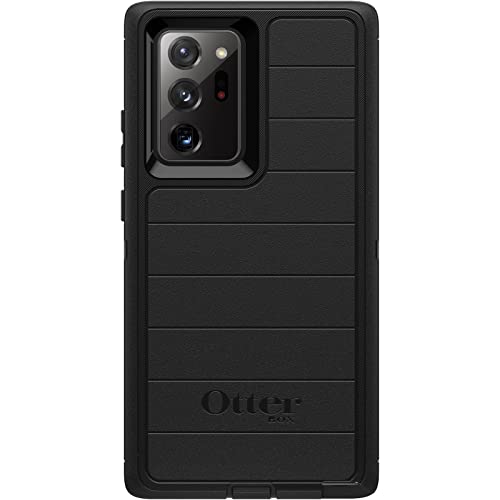
At about $5 to $15, expect a single layer of flexible TPU or a simple hard plastic shell. These cases guard against scratches, scuffs, and light knocks, and they add a little grip to a slippery glass back. Corners are usually the same thickness as the rest of the case, so a hard fall onto concrete is a gamble. Fit is decent on popular models, though button covers can feel stiff and cutouts may sit slightly off center on less common phones.
Midrange Tier: Reinforced Corners and Real Grip
At about $15 to $35, cases add the features that matter most in daily accidents. Corners grow thicker or gain small air pockets that spread impact, edges rise higher around the screen and camera, and textured sides make the phone easier to hold. Many midrange cases pair a soft inner layer with a firmer outer shell. For most owners this tier is the value peak, and guides to the best protective cases for smartphones tend to draw heavily from it.
Premium Tier: Leather, Metal Buttons, and Extras
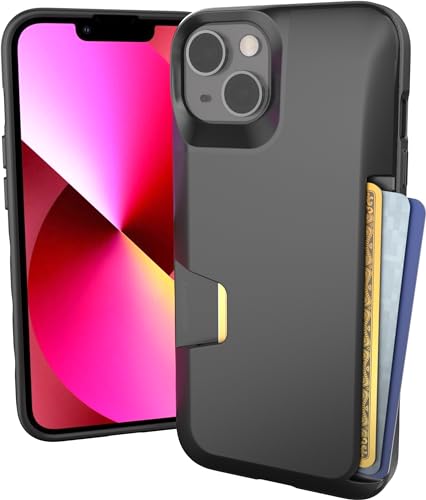
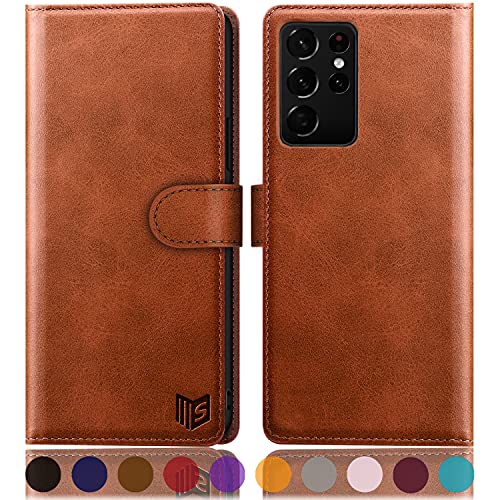
At about $35 to $70, you pay for materials and finish more than for raw protection. Think genuine leather that ages well, aluminum buttons with a crisp click, built in stands, and magnetic rings that align perfectly with chargers and mounts. Slim premium cases can protect as well as midrange ones while feeling far thinner in the hand. What you do not get is a promise: no tier can ensure a phone survives every drop, and honest makers say so.
Case Features That Change Daily Use
Raised Edges Around the Screen
A raised lip keeps the glass off tables and buys clearance when the phone lands face down. Look for a lip that stands about 1 to 2 millimeters above the screen, enough to matter without catching on pockets. If you add a tempered glass protector, confirm the lip and the protector do not fight for the same space, because a case that lifts the protector edge invites dust and early peeling.
Camera Cutout Depth and Lens Guard
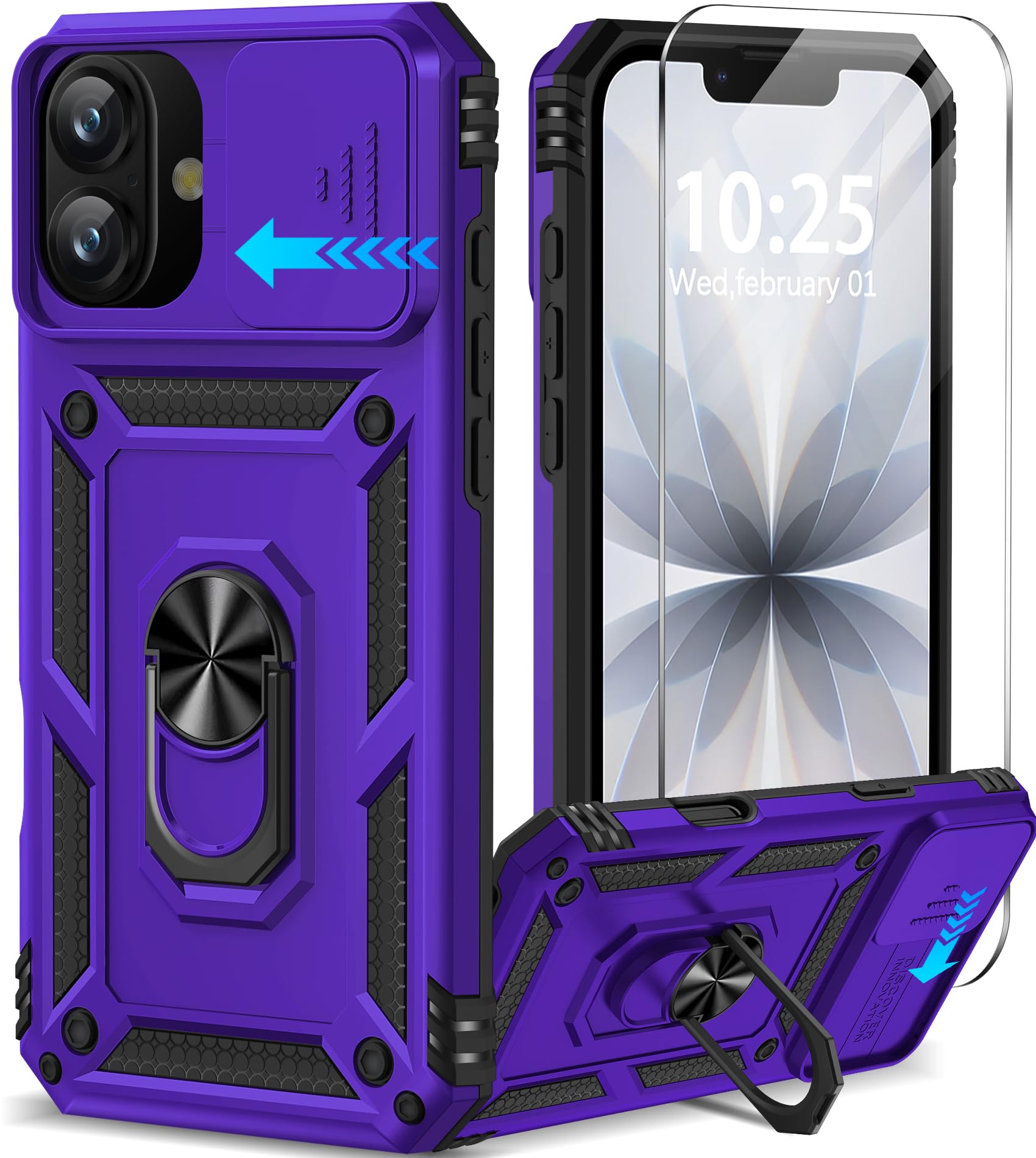
Modern camera modules protrude, so the case must sit deeper than the lenses or add a raised ring around them. A sliding or framed lens guard helps if your phone rides in a bag with keys. Owners who chose their phone for its camera, the way readers of guides to the best smartphones with good camera do, should weigh this feature heavily, since a scratched lens ruins photos long before a cracked back ends the phone.
Button Feel and Port Access
Covered buttons should click cleanly, not feel like pressing through mud. Cutouts for the charging port need room for thicker cable ends, and speaker openings should line up exactly, because a half covered speaker muffles calls and media. These details separate careful makers from cheap copies, and they cost nothing in materials, only in design effort, which is why they show up reliably from the midrange tier upward.
Wireless Charging and Magnetic Accessories
Thick cases and metal plates can slow or block wireless charging, and a case much beyond about 3 millimeters at the back often needs to come off at the charging pad. Magnetic rings solve alignment and open the door to snap on wallets and car mounts, but the ring must be centered for your phone model. If you charge wirelessly every night, treat charging compatibility as a first order feature, not a bonus.
Grip, Texture, and Pocket Feel
A smooth glossy case looks clean on day one and slides on every slanted surface after that. Textured sides, matte finishes, and subtle ridges keep the phone planted in your hand and on a car seat, which prevents more drops than armor ever will. The trade off is pocket feel: aggressive textures grab pocket linings and collect lint, while slick cases slide in and out easily. Match the texture to how you carry the phone, in a tight jeans pocket, a loose jacket, or a bag, because the right grip for one carry style can annoy in another.
Fit for Your Exact Phone Model
A case is a model specific product, not a size. Two phones with the same screen measurement can place buttons, cameras, and speakers in different spots, and a case molded for one will cover the wrong things on the other. Folding phones are the extreme case, since hinge protection and two part shells change the design entirely, as the options for the best flip smartphones show. Always order by full model name, and check the hinge, port, and camera layout against the listing photos.
Best Cases for Specific Needs
Best Phone Case for Smartphones
For one all purpose recommendation, choose a midrange dual layer case with reinforced corners and a raised screen lip. That single combination covers the drops, desk knocks, and bag scratches that make up nearly all real phone damage. Add a magnetic ring only if you already own magnetic accessories, since it adds cost and a small ridge you will feel every time you hold the phone.
Best Phone Cases for Smartphones
Households with several phones should shop by user, not by looks. A slim clear case suits a careful adult who wants the phone color to show, while a grippy, thicker case suits a teenager or anyone who works outdoors. Buying two focused cases, one slim for daily carry and one rugged for travel or site work, often serves better than one compromise case that is merely average at both jobs.
Best Waterproof Case for Smartphones
A waterproof case seals the whole phone inside a housing with a clear front, and ratings such as IP68 describe the sealed case, not your phone alone. Pick one when you swim, boat, fish, or shoot photos in the rain for hours. Test the empty case underwater before the first real trip, exactly as the maker directs, and remember that touchscreens respond poorly underwater, so physical buttons or volume key shutter controls matter.
Long Term Costs to Factor In
The case price is only the start. A screen protector at about $8 to $15 per pack, replaced once or twice a year, adds up over the life of a phone. Clear cases yellow with sun and hand oils, often within a year, so budget for a refresh if the look matters to you. Wallet cases wear at the fold and card slots stretch, and leather needs occasional conditioning.
Weighed against a single screen repair at about $150 to $300, even a premium case with yearly protector swaps is cheap insurance. Just remember that no case removes the risk entirely, so the recurring costs buy lower odds, not a promise.
Frequently Asked Questions
What features matter most in cases for smartphones?
Corner protection, raised screen edges, and exact model fit matter most, because most damage comes from corner first drops onto hard ground. Grip runs a close fourth, since a phone that never slips rarely needs its armor. One factor buyers overlook is weight: a case that adds about 60 grams changes how a phone feels all day, and a case you remove out of annoyance protects nothing at all.
How much should I spend on a case for a smartphone?
About $15 to $35 covers the features that prevent most damage for most people. Spending less mainly gives up corner reinforcement and precise fit, while spending more buys materials and finish rather than meaningfully better survival odds. A useful rule is to cap the case at roughly a tenth of what a screen repair would cost for your phone. Beyond that point, extra dollars polish the experience instead of protecting the device.
Does a thicker case always protect a smartphone better?
No, thickness alone does not guarantee better protection. A well designed midrange case with air pocket corners can absorb a fall better than a bulky case made of hard, unyielding plastic that passes the shock straight through. Fit matters just as much: a loose thick case lets the phone shift and strike the inside of the shell. Judge by corner design, material pairing, and independent drop ratings rather than by bulk.
How often should I replace a smartphone case?
Replace a case when it cracks, when corners compress and stay dented, or when it no longer grips the phone snugly. For most flexible cases that point arrives after about one to two years of daily use. A case that has taken one serious fall has done its job and may hide hairline cracks, so swapping it then is wise. Sun yellowed clear cases are a cosmetic issue, but brittle, stiff plastic is a safety one.
Can a case interfere with wireless charging on a smartphone?
Yes, a case can slow or stop wireless charging if it is too thick or contains metal. Most chargers work through about 3 to 5 millimeters of plastic or silicone, but metal plates, ring holders, and stored cards break the connection or trigger heat warnings. If charging fails, remove the case and test again before blaming the charger. Magnetic ring cases avoid the alignment problem, provided the ring was placed for your exact model.
Do wallet cases protect a smartphone as well as standard cases?
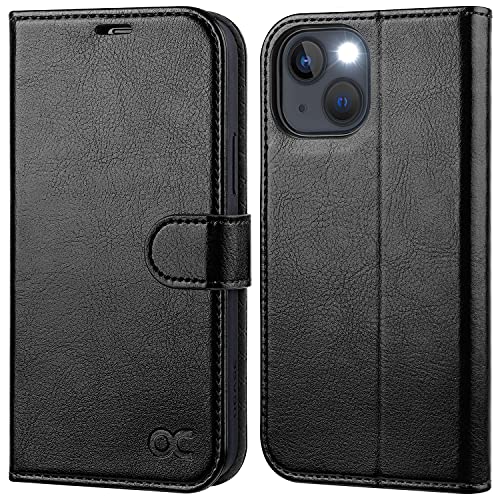
Wallet cases protect the screen better than open face cases, because the fold over cover takes scratches and flat impacts in place of the glass. The trade offs are bulk, slower one handed use, and card slots that can press grit against the screen if sand gets inside. Check that any wallet case has a raised camera ring, since many skip it. If you carry cards daily and open your phone two handed anyway, the style is a fair exchange.
The Bottom Line
Spend in the midrange tier, insist on reinforced corners and a raised screen lip, and buy for your exact phone model. The product table above gathers the main options by price so you can compare at a glance. Chosen that way, the best cases for smartphones cost little, feel good in the hand, and quietly prevent the one accident that would have cost you a screen.