Best Casio Keyboards for Beginners: Matching the Right Model to Your Routine for 2026
Disclosure: We may earn a commission when you buy through links on this page, at no extra cost to you. As an Amazon Associate I earn from qualifying purchases. Learn more

Casio keyboards for beginners, sorted by routine and space: key count, touch response, lesson tools and value for new players.
There is no single Casio keyboard that fits every new player. A child taking first lessons, a teen learning songs at home and an adult returning to piano all need different key counts, sounds and sizes. Matching the keyboard to your routine matters far more than chasing the longest feature list.
That is why this guide sorts the best casio keyboards for beginners by how you will practice, where the keyboard will live and how long you plan to keep learning. Look at the comparison table below, then use the sections that match your life to narrow your choice with confidence.
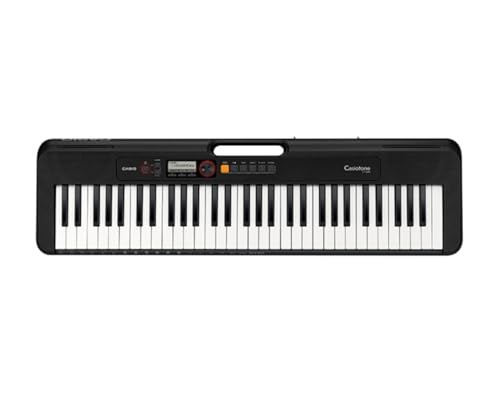
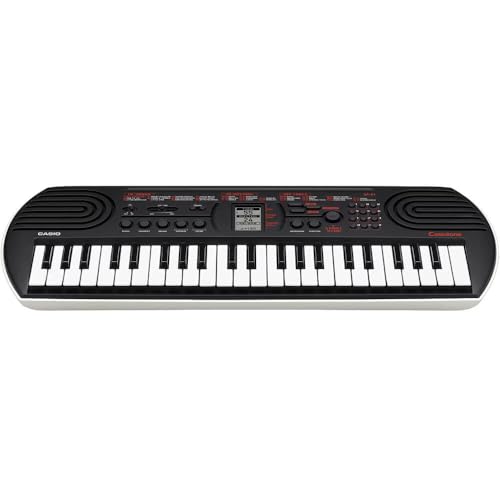
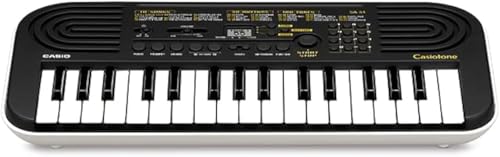


Who Should Buy Which Casio Keyboards?
Casio musical keyboards range from compact 61 key models that sit on a desk to larger models with piano style action. Beginners do best when size, key feel and lesson tools match their space and goals. The four groups below cover the most common starting points, with the features to prioritize for each one.
For Travelers and Commuters
If you practice in more than one place, weight and power options come first. Look for a slim 61 key model that runs on batteries as well as wall power, weighs little enough to carry in one trip and has a handle or a case option. Built in speakers matter here, because you will not always have an amp or headphones nearby.
Accept a lighter key feel in exchange for portability. Touch response still matters, since it lets you play softly and loudly with control. A practical tip is to weigh your current music bag and books, then add the keyboard weight to check the total before you buy for travel.
For Students and Everyday Users
Students need stability, clear lesson tools and a size that supports real songs. A 61 key model suits most first and second year lessons, while students aiming at piano exams should look toward more keys and a firmer action. Built in lesson modes that light keys or split songs into steps can help younger learners stay on track.
Value matters, but do not buy below your lesson needs just to save a small amount. A keyboard that your teacher approves will save money over time because you will not replace it after a few months. Place the keyboard on a stable stand at the right height from day one, since posture affects progress.
For Kids and Casual Players
Young children and casual players often do well with a compact model that is cheap, light and quick to set up. Smaller Casiotone models with fewer keys and a bank of built in tones and rhythms keep first practice fun, and they fit on a shelf between sessions. The trade-off is range and key size, so plan to move up to a 61 key model if the interest lasts.
Even for casual play, check that the keys are comfortable and the sounds are clear. A wide sound and rhythm library keeps practice interesting after the first songs, but extra tones cannot fix keys that feel vague under your fingers.
For Remote Workers and Creators
If you work from home and create videos or simple recordings, you need quiet practice and clean audio links. Headphone output is essential for shared homes. USB audio or USB MIDI lets you record lessons, covers and tutorials without extra gear in many setups.
Look for a model that fits your desk or stands neatly in a corner between sessions. Creators should also value a microphone input only if they truly plan to sing or narrate over playing. Otherwise, spend on better keys and speakers instead. Readers comparing lesson focused options can also see our guide to the best midi keyboards for beginners for software first setups.
Key Features to Compare
Feature lists for musical keyboards can look long and technical. The four points below translate those lists into daily practice terms. Judge each feature by whether it will help you practice more often and learn faster in your own space.
Beginner Friendly Features That Matter
The most useful beginner features are simple ones. Step lessons, chord guides, a clear metronome and a headphone jack help you practice correctly from the first week. Touch sensitive keys matter a great deal, because they teach dynamic control that fixed volume keys cannot teach.
Clear controls matter too. A beginner should be able to change sound, start a rhythm and adjust volume without digging through deep menus. When you compare models in the product table above, favor plain controls and readable labels over a long list of effects you may never open.
Lesson Tools and Lighted Keys
Some Casio keyboards guide the learner with lights above or inside the keys, so you see which note comes next and in what order. Lighted key models are sold as packs with a stand and headphones in some listings, which saves buying extras separately. Lesson modes that split a song into steps, and a clear metronome, help a new player practice correctly from the first week.
Not every beginner needs lighted keys, especially with a teacher. If you learn from books or video lessons, a plain 61 key model with good touch response may be all you need.
Ergonomics, Size, and Grip Style
On a musical keyboard, ergonomics means key size, key count and playing height. Full size keys suit teens and adults best, because lesson books and teachers assume standard spacing. Smaller keys can suit young children for a short period, but most learners outgrow them quickly.
Choose 61 keys for portability and early lessons, and consider 76 or 88 keys if piano study is the long term goal. Set the stand so your forearms sit level with the keys. Your elbows should rest near a right angle while playing, which reduces strain during longer practice.
Customization and Software
Casio keyboards often include many tones, rhythms and effects, plus app links for lessons and settings. Apps can show falling note guides, track practice and unlock simpler control of deeper settings. That support helps beginners who learn visually.
Check phone and tablet compatibility before you buy, and check whether the needed cable or adapter is included. Also confirm that the keyboard can save your favorite settings if you use the same few sounds daily. If you are an adult learner comparing broader choices, our guide to the best keyboards for beginner adults adds sizing and posture notes for adult hands.
Common Mistakes to Avoid When Buying Casio Keyboards
Most beginner regrets come from fit and lesson fit, not from sound quality. Avoid these common errors before you order.
- Buying only on price and choosing keys without touch response, then forming weak dynamic habits.
- Ignoring size, so the keyboard ends up stored away instead of ready for daily practice.
- Skipping the stand and pedal plan, even though height and sustain shape early technique.
- Forgetting to check app and computer compatibility for the devices you already own.
- Choosing a tiny key count for serious piano goals and needing a replacement within a year.
If you are unsure between two sizes, choose the one that matches your teacher advice and your room. A keyboard that stays set up gets played. That simple fact beats a small spec advantage every time. Shoppers who want the wider Casio range can start with our guide to the best casio keyboards.
Setup and Care Tips
Place the keyboard on a firm stand away from direct heat and damp, then set the bench or chair height before the first lesson. Connect headphones and test the sustain pedal early, so you solve small setup issues before they interrupt practice. Keep the power adapter cable loose and untangled to avoid strain on the socket.
Wipe keys with a soft, slightly damp cloth and never spray cleaner directly onto the keyboard. Cover the keys when the keyboard sits unused for days, since dust between keys is easier to prevent than to remove. Update any companion app when prompted, and store sheet music flat so pages stay readable.
Frequently Asked Questions
What makes casio keyboards for beginners different?
Beginner Casio keyboards focus on learning support, simple controls and fair prices rather than stage level extras. Lesson modes, touch sensitive keys and built in speakers let you start without extra gear. They also tend to be lighter than advanced models. The goal is steady daily practice, so ease of setup and clear sounds matter more than deep editing tools.
How many keys does a beginner need?
A 61 key keyboard suits most first and second year lessons and fits most rooms. Smaller models with fewer keys work for young children or very short practice, while 76 or 88 keys make sense if piano study is the long term goal. Check what your teacher recommends before you buy, because exam syllabi and lesson books assume a certain range.
Do I need touch sensitive keys?
Touch sensitive keys let notes sound softer or louder depending on how you press, which teaches dynamic control from the start. Some compact models have fixed volume keys, which are fine for fun but weaker for learning music. If you plan to keep learning, choose a model that lists touch response.
Can I use headphones with a Casio keyboard?
Most Casio keyboards for beginners have a headphone output, which keeps practice quiet in a shared home. Check the listing for the jack size, because some need a small adapter for standard headphones. Headphones also help you hear details in your own playing.
Do I need a stand and a sustain pedal?
A stable stand at the right height helps posture and prevents strain, so it is worth having from the first lesson. A sustain pedal matters once you play songs that ask for it, and many models accept one through a pedal jack. Some keyboard packs include a stand, so compare what is in the box.
Is a Casio keyboard enough for serious piano study?
A portable 61 key model is a good start but lacks the range and weighted action that serious piano study eventually needs. If piano is the goal, consider a model with more keys and a firmer, piano style action, and ask your teacher before you commit. For casual song learning, a standard synth style keyboard is fine and keeps cost and weight down.
Wrapping Up
Choose by routine, key feel and space first. Travelers need light weight and battery power, students need teacher approved size and lesson tools, and creators need clean recording links. Compare your shortlist in the product table above, and let daily practice needs guide you to the best casio keyboards for beginners for your home. If you prefer a piano first format, see our guide to the best digital keyboards for beginners, or browse the best musical keyboards for beginners for wider context.