
Best 6x9 Car Speakers for Bass 2026: A Buyer Guide
Disclosure: We may earn a commission when you buy through links on this page, at no extra cost to you. As an Amazon Associate I earn from qualifying purchases. Learn more

Power handling, sensitivity, fit, and sealing explained to help you choose the best 6x9 car speakers for bass in your vehicle.
Bass in a car can sound boomy, thin, or muddy depending on speaker choice, fitting, and the shape of your vehicle cabin. A focused best 6x9 car speakers for bass guide helps you understand what actually creates deep, clean low notes, so you can spend on the parts that matter and skip the rest. The comparison table below gives a quick overview before the detail.
A 6x9 speaker is a popular oval size that fits many rear decks and doors, and its larger cone area can move more air than a small round speaker. That size advantage helps bass, but it does not guarantee good sound on its own. Power handling, sensitivity, mounting depth, and the seal around the speaker all shape the final result, and this guide explains each factor in plain terms.

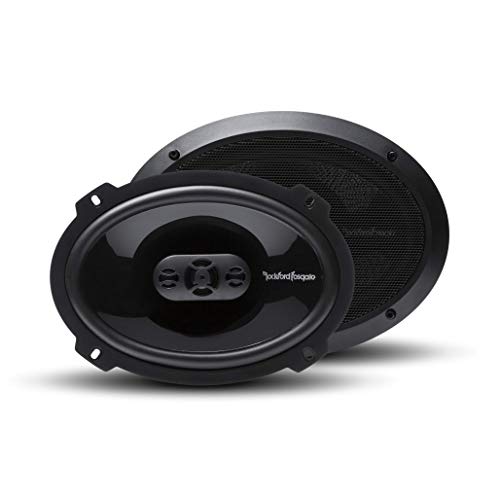


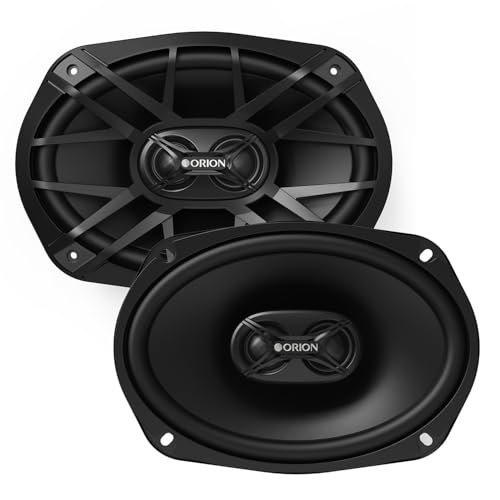
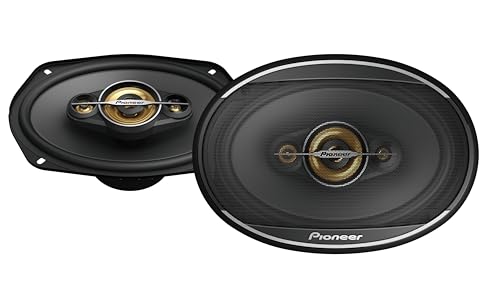


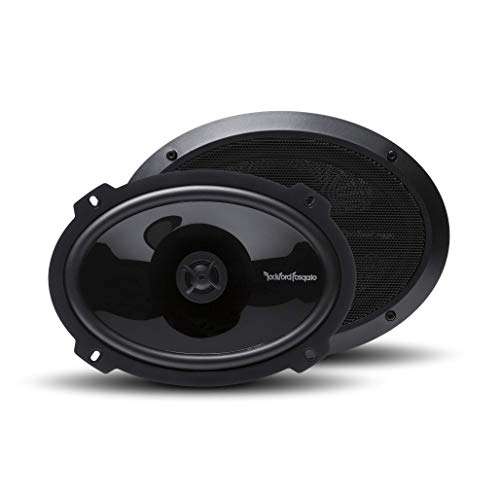
Why 6x9 Size Helps Bass in a Car
Bass needs air movement, and a larger cone can shift more air with less effort than a tiny speaker working at its limit. That is why 6x9 speakers often sound fuller than small door speakers, especially at moderate volume where distortion stays low. The oval shape also fits wide factory openings, so many cars accept them without cutting metal, which keeps installation simpler and reversible.
Cabin shape still matters, because a hatchback, sedan, and truck cab each reflect sound differently and emphasise different frequencies. Rear deck speakers in a sedan use the trunk as a large enclosure, while door speakers face a smaller, leakier space behind the panel. Understanding your mounting location helps you set realistic expectations and choose speakers that suit that space, not just a specification sheet.
Power Handling, Sensitivity, and Amplifiers
Power handling tells you how much power a speaker can accept, but it does not tell you how loud or how clean it will sound on its own. Sensitivity is often more useful, because a sensitive speaker produces more sound from the same power, which helps when you run speakers from a factory radio. If you plan to add an amplifier later, choose speakers that can accept that extra power without strain.
Matching matters more than chasing a single big number, so compare continuous power ratings rather than peak claims, and keep amplifier power in a sensible range for the speaker. A clean amplifier with modest power usually sounds better than a harsh amplifier driven hard, and it protects speakers from distortion damage. Set gains carefully, listen for strain at high volume, and back off before distortion becomes harsh.
Cone, Surround, and Tweeter Design
Cone material affects stiffness and weight, and a stiff yet light cone can reproduce bass with less flex and cleaner attack. Surround material affects durability, especially in doors where temperature and moisture vary through the seasons. Rubber surrounds often last longer than foam in harsh conditions, while treated cloth can offer a balance of flexibility and long life.
Most 6x9 speakers for bass are coaxial designs with a tweeter mounted in the center, so treble stays clear while the woofer handles low notes. Tweeter type affects how bright or smooth the top end sounds, and an adjustable tweeter angle can help when speakers face away from listeners. Listen for balance across bass, vocals, and treble, rather than bass alone, since a speaker that only booms will tire your ears on long drives.
Fitting, Sealing, and Sound Deadening
Fitting depth is a common trap, because a deep speaker can hit window mechanisms or door bars even when the opening size matches. Measure depth, magnet diameter, and tweeter height before you order, and check adapter rings for your vehicle. A speaker that fits loosely or sits at an angle can rattle, leak air, and lose bass, so secure mounting and a proper gasket matter greatly.
Sealing gaps around the speaker and adding sound deadening to the door or deck can improve bass more than a more expensive speaker in a leaky panel. Deadening reduces vibration and panel buzz, which lets low notes sound tighter and more controlled. Start with the mounting area and the largest flat panels, then listen before adding more material, since a little well placed treatment often beats a large random application.
Choosing the Best 6x9 Car Speakers for Bass: Tuning, Not Just Volume
Once speakers are fitted, tuning shapes the result, so set your radio equalizer flat first and listen to familiar music at moderate volume. Add bass gradually, and use a high pass filter on small speakers so they are not forced to reproduce very low notes they cannot handle cleanly. If you add a subwoofer later, let it handle the deepest notes and let the 6x9 speakers focus on mid bass and vocals.
Avoid boosting bass to maximum and then raising volume until distortion appears, since distortion damages speakers and makes music unpleasant. Instead, aim for bass that feels present and tight without masking vocals or rattling trim. Small changes to speaker phase, balance, and crossover settings can make a large difference, so adjust one setting at a time and listen from the driving seat.
Related guides include best 6x9 car speakers for bass and sound quality, best 6x9 speakers for bass, best car speakers for bass, best sounding 6x9 car speakers, and best car speakers for bass and sound quality.
A Final Check Before You Buy
Before you order, confirm opening size, mounting depth, and magnet clearance for your exact vehicle, using a fit guide and your own measurements together. Factory openings vary even within the same model year, and a speaker that fits a friend car may not fit yours. A few minutes with a tape measure prevents a frustrating return and a half finished installation weekend.
Plan the installation in stages, starting with secure mounting and sealing, then wiring, then tuning, rather than trying to finish everything at once. Check each speaker before refitting trim panels, since fixing a wiring or polarity mistake after panels are back on wastes time and risks broken clips. Keep screws and clips organized, work in daylight, and allow extra time for sound deadening if you choose to add it.
Finally, set realistic expectations for bass from a 6x9 speaker alone, and decide in advance whether a subwoofer belongs in a later upgrade stage. A clear plan avoids overspending on speakers that your radio cannot drive well, and it leaves room for a subwoofer, amplifier, or deadening upgrade when funds allow. Patient, staged upgrades usually sound better than one rushed purchase.
Frequently Asked Questions
Do 6x9 speakers need an amplifier for good bass?
They do not always need an amplifier, especially sensitive models driven by a decent factory or aftermarket radio. An amplifier helps when you want louder, cleaner bass without distortion, or when your speakers are less sensitive. Start with the speakers, listen carefully, and add an amplifier only if volume or clarity falls short.
Will 6x9 speakers fit my car?
Fit depends on opening size, mounting depth, and clearance behind the panel, so check your vehicle fit guide and measure before ordering. Many rear decks accept 6x9 speakers directly, while doors may need adapter rings. If depth is tight, look for a shallow mount design rather than forcing a deep speaker into place.
What is the difference between coaxial and component speakers?
Coaxial speakers combine woofer and tweeter in one unit, which makes fitting simpler and cheaper. Component systems separate the tweeter, which can improve imaging and treble placement but needs more fitting work and often an external crossover. For bass focused upgrades, a good coaxial set is often the simpler and more practical choice.
Why does my bass sound boomy?
Boomy bass often comes from a leaky mount, a rattling panel, or too much bass boost rather than a faulty speaker. Check mounting, seal gaps, reduce bass boost, and consider sound deadening on the panel. A subwoofer with proper crossover settings can also clean up mid bass by handling the deepest notes separately.
How do I protect speakers from damage?
Avoid distortion, set amplifier gains carefully, and do not play speakers at maximum volume for long periods. Keep water away from door speakers, check seals after fitting, and listen for buzzing or harshness as early warnings. Clean power and sensible volume protect speakers far better than any single specification claim.
Final Thoughts
Good car bass comes from a speaker that fits well, a sealed mount, and sensible power, not from the largest number on a box. The product table above can help you compare size and design, but your vehicle and your listening habits should guide the final choice. Take time to measure, seal, and tune, and the result will sound better at every volume.
Compare the best 6x9 car speakers for bass on sensitivity, mounting depth, surround material, and amplifier plans, and choose the set that suits your car and your music. A balanced system that plays cleanly will satisfy you far longer than a loud system that distorts.


