
Best Car Door Speakers for Sound Quality: 2026 Guide
Disclosure: We may earn a commission when you buy through links on this page, at no extra cost to you. As an Amazon Associate I earn from qualifying purchases. Learn more

Door speakers shape most of your car sound. Compare component and coaxial sets, materials, and door treatment to get clear vocals and balanced music.
Door speakers carry most of your car music, so a best car door speakers for sound quality upgrade changes the whole listening experience. Factory door speakers often sound muddy, thin, or harsh, while good replacements bring out vocals, instruments, and detail. The comparison table below compares door speaker types for sound quality side by side.
Sound quality from doors depends on speaker design, materials, mounting, and door treatment together. A great speaker in a buzzing door still sounds poor, while a good speaker in a treated door with clean power sounds excellent. This guide explains component versus coaxial doors, materials, and tuning, so you can spend where it improves your daily listening most.

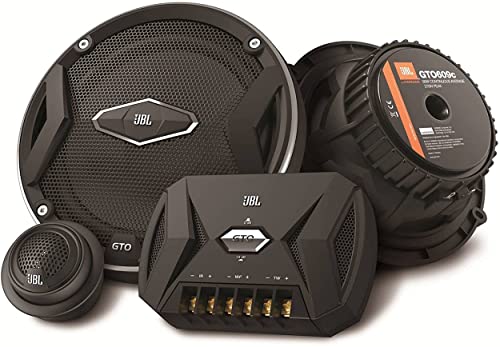


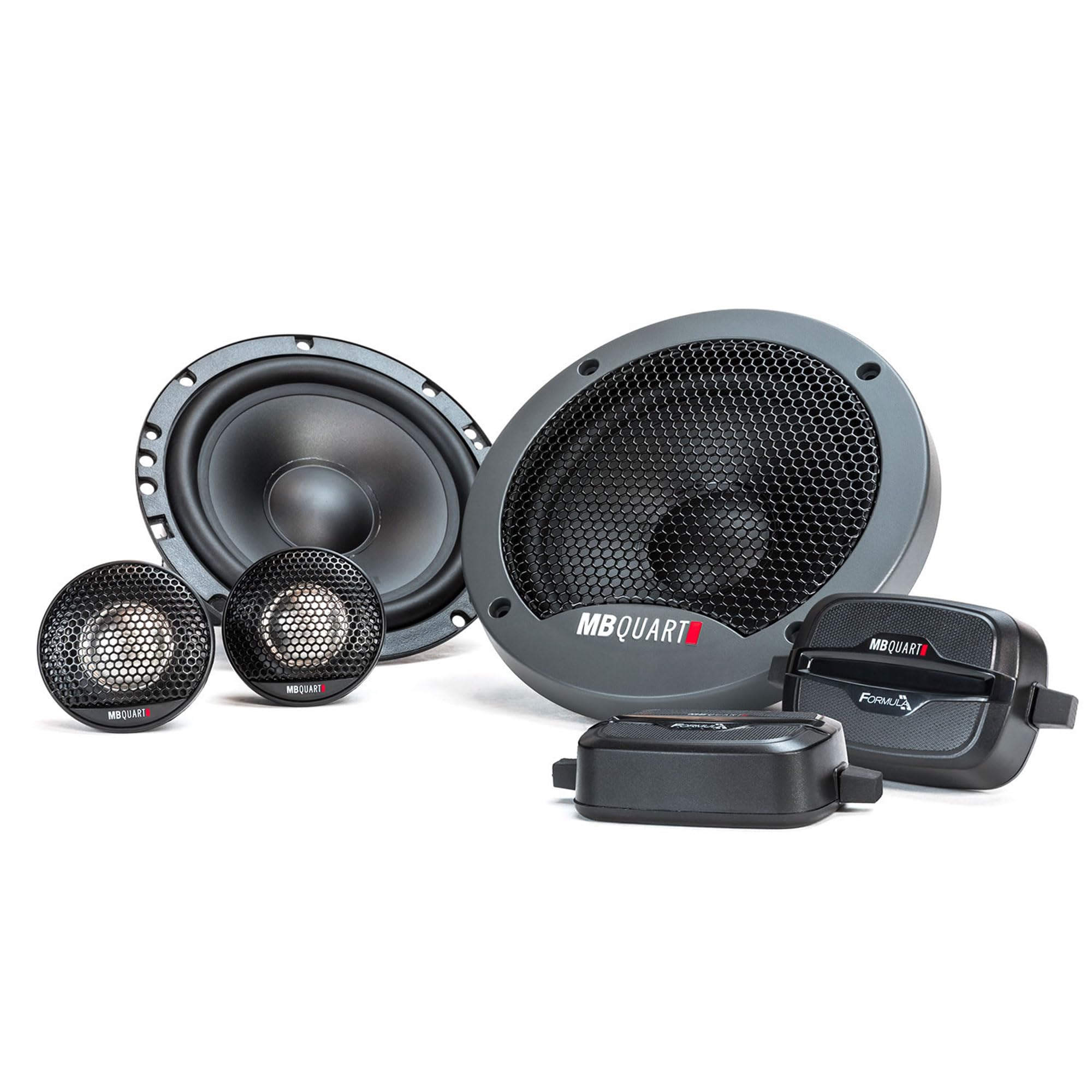


Component Versus Coaxial Doors
Component door sets separate the woofer and tweeter, with the tweeter mounted high in a pillar or dash location. That placement lifts the soundstage to ear height and gives clearer vocals and imaging. Components suit listeners who value clarity and are willing to invest in installation.
Coaxial door speakers combine woofer and tweeter in one unit that fits the factory door location. They install simply and cost less, and good coaxials still improve greatly over factory speakers. They suit simpler upgrades and listeners who want better sound without custom tweeter work. Choose components for clarity, coaxials for simplicity.
Materials and Tone
Cone material shapes the midrange and midbass you hear most. Polypropylene cones sound smooth and forgiving, woven fiber cones add detail and texture, and metal cones sound crisp but can turn harsh if the system is poorly tuned. Listen with familiar music if you can, since personal taste matters more than material claims.
Tweeter material shapes highs. Silk dome tweeters sound smooth and easy to listen to for hours, which suits most listeners. Metal dome tweeters sound more detailed and airy but can feel bright in cars with lots of glass. A well tuned silk tweeter often beats a poorly tuned metal tweeter, so tuning matters as much as material.
Doors, Power, and Tuning
Door treatment is the hidden upgrade. Sound deadening on outer and inner door skins reduces vibration and rattles, seals air leaks, and tightens midbass. Solid adapter rings hold speakers firmly, so energy moves air instead of shaking the door. These steps cost little and transform even mid range speakers.
Clean power from an external amplifier gives headroom that a head unit cannot match, so peaks stay clean and quiet details emerge. Set crossover points so door speakers avoid deep bass they cannot handle, and tune the equalizer gently, cutting problem frequencies rather than boosting everything. Listen at normal volume with familiar music.
Balancing the Whole System
Front doors matter most, since you sit facing them. Spend more on front speakers than rear speakers, which mainly fill the cabin for passengers. A subwoofer, if added, frees door speakers from deep bass and cleans up vocals and midrange. Rear speakers should stay subtle, not compete with the front stage.
Check your source quality too, since low bitrate streaming caps detail no speaker can recover. Use the best source your system supports, whether wired, high quality streaming, or lossless files. A balanced system with good doors, clean power, and a good source sounds better than any single premium part alone.
A Final Check Before You Order
Before you order, decide between component and coaxial door sets based on your install appetite, since components image better but need tweeter work, while coaxials fit factory locations simply. If your car has factory tweeter pods in pillars or dash corners, components fit naturally and reward the effort. If you want a simple swap, good coaxials with an amplifier still transform factory sound.
Check speaker materials against your taste by listening with familiar music where possible, since polypropylene sounds smooth, woven fiber adds detail, and metal can sound crisp or harsh depending on tuning. Silk tweeters suit long listening, while metal tweeters suit detail lovers with well damped cars. Trust your ears over material claims, since tuning and installation shape the result as much as materials.
Finally, check your car factory wiring and amplifier situation, since some cars need adapter harnesses, impedance matching, or digital signal processing bypasses. Research your exact model for known upgrade paths, and budget installation and deadening alongside the speakers. A complete plan beats a premium speaker bought in isolation.
Related Buying Guides
For closely related choices, see our guides to the best car door speakers for bass and sound quality, the best car speakers for sound quality, the best door speakers for sound quality, and the best car door speakers.
Frequently Asked Questions
Are component or coaxial door speakers better for sound quality?
Component door speakers usually sound better for sound quality, since separate tweeters mounted high lift the soundstage and clarify vocals and imaging. Coaxial speakers combine woofer and tweeter in the door location, which is simpler and cheaper but places highs too low. Choose components for clarity and imaging, and coaxials for simple installs and good value. Installation quality matters as much as the choice itself.
How does door treatment improve sound quality?
Door treatment reduces panel vibration and rattles, seals air leaks, and turns a thin door into a more solid enclosure. Midbass becomes tighter, vocals clearer, and road noise lower, so you hear detail at lower volumes. Apply deadening to outer and inner door skins, seal large holes, and mount speakers on solid rings. Even basic front door treatment improves sound more than many speaker upgrades alone.
Do door speakers need an amplifier for sound quality?
An amplifier helps greatly, since it gives clean headroom that a head unit cannot match. Peaks stay clean, quiet details emerge, and distortion at volume drops sharply. Match amplifier RMS power to your speakers and set gains carefully. Even a modest amplifier transforms door speakers and protects them from the distortion that damages speakers most, while head unit power alone leaves good speakers sounding thin.
What door speaker material sounds best?
No single material sounds best for everyone. Polypropylene cones sound smooth and forgiving, woven fiber cones add detail, and metal cones sound crisp but can turn harsh if poorly tuned. Silk dome tweeters sound smooth for long listening, while metal domes sound more detailed but brighter. Listen with familiar music if you can, and trust your ears, since tuning and installation shape the result as much as materials.
Should I upgrade front or rear door speakers first?
Upgrade front door speakers first, since you sit facing them and they carry the main soundstage. Spend more on fronts than rears, which mainly fill the cabin for passengers. A good front set with an amplifier transforms daily listening. Rear speakers should stay subtle, not compete with the front stage, and if budget allows, upgrade rears later with a simpler coaxial set.
Final Thoughts
Choosing best car door speakers for sound quality gear means balancing speaker type, materials, doors, and power. Components image best, treated doors tighten sound, clean amplification prevents distortion, and a good source preserves detail. The product table above can help you compare speaker types side by side. Start with the front doors, treat them well, and enjoy vocals and instruments with new clarity.


