
Best Car Audio Speakers for Bass: Reviews and Buying Guide for 2026
Disclosure: We may earn a commission when you buy through links on this page, at no extra cost to you. As an Amazon Associate I earn from qualifying purchases. Learn more

Learn how to choose the best car audio speakers for bass with guidance on size, RMS power, cone materials, fit, and setup for stronger, cleaner low end sound.
Thin, rattly bass makes music feel unfinished, even when the rest of the system sounds fine. Door speakers are often the weak link because factory units use light cones and small magnets that cannot move much air. Choosing the best car audio speakers for bass starts with matching size, power handling, and cone design to your vehicle and your listening habits.
This guide walks you through the specs that actually shape low end output, the fit checks that prevent returns, and the setup choices that keep bass clean instead of boomy. Use the product table above to compare sizes and power ratings side by side as you read.

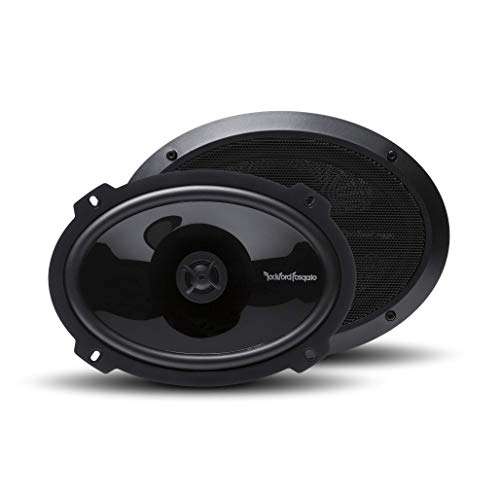


Three Buying Profiles Worth Considering First
Instead of chasing a single winner, start by deciding which profile fits your car, your budget, and how much installation work you want to do. These three profiles cover most shoppers and will help you read the product table above with a clear goal in mind.
Balanced Profile
The overall profile balances strong low frequency output with clear mids so vocals do not get buried. Look for a component or quality coaxial set with RMS power handling that matches your head unit or amplifier, a stiff cone material such as polypropylene or treated paper, and sensitivity around 90 dB or higher. Expect to spend about $100 to $250 for a pair. The main trade off is installation time, since larger magnets and deeper baskets can need more door clearance.
Value Profile
The value profile focuses on the biggest bass gain per dollar, usually a coaxial pair in the common 6.5 inch or 6x9 inch size. You give up some separation and fine detail compared with component sets, but you gain simple installation and a clear step up from factory sound. Budget around $50 to $100 for a pair, and put any money you save toward sound deadening in the doors. That material often improves bass more than a small step up in speaker price.
Beginner Profile
The beginner profile favors speakers that work well on factory power, install with basic tools, and forgive small wiring mistakes less often found with separate crossovers. Choose a coaxial set with high sensitivity, shallow mounting depth, and a vehicle specific fit listing. Prices often sit around $40 to $90. The limitation is headroom. Without an amplifier, very loud listening will distort sooner, so this profile suits daily driving at moderate volume rather than high volume demos in a parking lot.
How to Choose the Best Car Audio Speakers: Buying Guide
The right choice depends on a chain of factors, and a weakness in any one link limits the result. A powerful speaker in a loose door still sounds loose. A well fitted speaker fed with too little clean power still distorts early. Work through the points below in order and you will narrow the field quickly.
When you compare listings for the best car audio speakers for bass, treat headline power numbers with caution and look for the supporting details this section explains. Those details tell you how a speaker will behave in your doors, not just how it looks on a box.
Features That Matter for Bass
If strong midbass punch is your main goal rather than the deepest notes, our guide to the best mid bass speakers car audio covers that narrower job in more detail. Bass needs cone movement, and cone movement needs a stiff cone, a strong surround, and enough power to control both. A rubber surround usually lasts longer and allows more controlled travel than foam. A larger voice coil handles heat better during long, loud passages. Look for a stated low frequency response near 40 to 60 Hz for door speakers, knowing that cabin gain helps in a real car. A speaker that only reaches 80 Hz will leave the deepest notes thin no matter how you tune it.
Vehicle Compatibility
Start with your exact year, make, model, and trim, because the same model can use different speaker sizes in different trims. Common sizes include 5.25 inch, 6.5 inch, and 6x9 inch, but mounting depth and magnet diameter matter just as much. Check that the window glass and regulator clear the magnet when the window is fully down. Also confirm the factory wiring connector and whether an adapter harness is available. Speakers that are listed as plug and play for your vehicle cut installation time and reduce the chance of cutting the wrong wire. If your rear deck uses the larger oval size, our guide to the best 6x9 car speakers for bass explains the extra output that shape can offer.
Safety Features
Audio wiring is low voltage, but the car battery can still deliver enough current to damage wiring or electronics if a lead shorts. Always disconnect the negative battery terminal before you start, and wait a few minutes before working near airbag wiring in doors and pillars. Use insulated connectors, secure every run so it cannot chafe on metal edges, and add a fuse near the battery if you install an amplifier. If a speaker lead touches bare metal, stop, disconnect power, and fix the insulation before you test the system again.
Build Quality and Weather Resistance
Door speakers live in a harsh place. Water runs inside the door shell, temperatures swing widely, and vibration is constant. Cones made from polypropylene or coated materials resist moisture better than untreated paper. Look for a sturdy basket, secure terminal connections, and a surround that feels even all the way around. A weather shield or foam baffle behind the speaker helps keep drips off the cone and can tighten midbass. Avoid sets with loose grilles or thin baskets that flex when you press them, because flex steals energy that should become sound.
Warranty and Brand Support
A warranty of at least one year is a reasonable baseline, and longer coverage often signals confidence in materials and assembly. Check what the warranty actually covers, since damage from overpowering or water intrusion is often excluded. Good support also means clear fit guides and published mounting dimensions. Keep your receipt and take photos during installation, since that documentation makes an early failure claim far easier to resolve.
Performance Specs
Read RMS watts first, because that figure describes continuous power handling, while peak watts describe a brief maximum that tells you little about daily use. Match RMS handling to your source. A factory head unit may send only about 15 to 25 watts per channel, so high sensitivity matters more than huge power ratings. Sensitivity near 90 dB or above means more volume from the same power. Impedance is usually 4 ohms for car speakers. Mixing a 2 ohm speaker with a head unit that expects 4 ohms can cause heat and shutdown problems.
Features and Extras
Useful extras include swivel tweeters on coaxial speakers, which let you aim high frequencies toward your ears, and external crossovers on component sets, which give cleaner separation. Included wiring adapters, mounting rings, and foam gaskets save extra orders and reduce rattles. Some sets add silk or soft dome tweeters for smoother highs that balance strong bass. Skip extras you will not use, such as oversized grilles that do not fit behind your door panel. The best extra is often the simplest one, a complete and accurate installation kit for your vehicle.
Types of Car Audio Speakers
Speaker designs differ mainly in how they split the frequency range and how much installation work they demand. Your choice here shapes both sound and budget, so pick the type before you compare individual listings. For a broader view beyond a bass focus, see our guide to the best car audio speakers and our guide to the best car speakers for bass, and if balance matters as much as punch, read our guide to the best car speakers for bass and sound quality as well.
Compact and Portable Options
Compact options in this category usually mean shallow mount coaxial speakers built for tight doors and small cars. They install quickly and work well on factory power, which makes them a sensible first upgrade. The trade off is limited cone travel, so deep bass output is modest. They suit listeners who want fuller sound without an amplifier and without cutting or spacing the speaker away from the door metal.
Pro Grade Options
Pro grade options are component sets with separate woofers, tweeters, and crossovers, designed to pair with an amplifier. They offer the strongest and cleanest bass because the woofer can focus on low and mid frequencies while the tweeter handles detail. Installation takes longer and costs more, especially if tweeter pods or custom mounts are needed. They suit listeners who plan to keep the car for years and want a system they can tune and expand over time.
Premium Options
Premium options use better cone materials, larger magnets, and more careful crossover design to deliver smoother response and lower distortion at high volume. You hear the difference most in complex music where bass lines and vocals overlap. Prices can reach about $250 to $500 for a pair, and an amplifier is usually worth adding. They suit careful listeners who already have a good head unit and sound deadening and want the final step in clarity and control.
Budget and DIY Options
Budget and DIY options are entry level coaxial pairs that you install yourself in an afternoon with basic hand tools. They beat worn factory speakers easily, especially when the old cones are torn or the surrounds have crumbled. Expect honest midbass rather than deep sub bass, and keep volume sensible to avoid distortion. They suit older cars, second vehicles, and anyone learning installation basics before committing to a larger system build later.
Tips to Get the Most From Your Car Audio Speaker
Small setup choices often matter as much as the speakers themselves. Apply these tips during and after installation to protect your purchase and hear the full benefit of the upgrade.
- Check your manual first: your vehicle manual and the speaker instructions confirm sizes, panel clip locations, and wiring colors before you pry anything apart.
- Disconnect the battery: removing the negative terminal before wiring prevents shorts and protects the head unit and airbag circuits while you work.
- Seal the mounting surface: a foam gasket between speaker and door metal stops air leaks and rattles that weaken bass response.
- Add door deadening: even a small sheet behind each speaker firms up the panel and makes low notes sound tighter and deeper.
- Set gains with care: if you add an amplifier, raise gain slowly and stop at the first sign of distortion, then back it down slightly.
- Recheck fasteners later: after a week of driving, confirm screws are snug, since vibration can loosen new hardware as materials settle.
FAQs
What features matter most in car audio speakers for bass?
Cone stiffness, surround material, and RMS power handling matter most. A stiff cone with a rubber surround moves air in a controlled way, and honest RMS ratings tell you how much clean power the speaker can use. Also weigh sensitivity, because a sensitive speaker makes stronger bass from a factory head unit. Finally, check mounting depth early, since the best sounding speaker is useless if the magnet blocks your window glass.
Do I need professional installation?
No, most coaxial swaps are within reach of a careful owner with panel tools and an adapter harness. Component sets and amplifier wiring take more time and confidence, and a professional install can be worth it if tweeters need custom mounting. A useful middle path is to install the speakers yourself, then pay a shop only for tuning. That keeps costs down while still giving you a trained ear on crossover and equalizer settings.
What specs matter most?
RMS watts, sensitivity, impedance, and frequency response matter most, in that order for most buyers. Match RMS handling to your power source, favor sensitivity near or above 90 dB for factory systems, and keep impedance at the value your head unit expects. Treat peak power and huge magnet claims as marketing unless the other numbers support them. Also note the crossover point on component sets, since a lower, well chosen point can smooth the handoff between woofer and tweeter.
How long does it last?
A quality set commonly lasts five to ten years in daily use. Heat, moisture, and constant maximum volume shorten that life, while sensible volume and intact door seals extend it. Foam surrounds age faster than rubber ones, especially in hot climates. If bass starts to buzz or crackle at volumes that used to sound clean, inspect the surround for tears before you blame the head unit, because surround damage is a common and visible cause.
Will it fit my vehicle?
It will fit if the diameter, mounting depth, and magnet size all match your door or rear deck openings. Use a fit guide for your exact trim, and measure the depth behind the panel if your car has shallow doors. Adapter rings can solve small diameter differences, but they add depth needs of their own. When in doubt, choose the set that lists your vehicle by name rather than a set described only by a universal size.
The Bottom Line
Focus on honest RMS handling, sensitivity that suits your power source, and a verified fit for your exact vehicle. Those three checks prevent most disappointments. Compare your shortlist in the product table above, weigh whether an amplifier fits your plans, and remember that door sealing and deadening raise the value of any set you buy. Chosen with care, the best car audio speakers for bass will make every drive sound fuller for years.


