Best Carpet Floor Mats: Types Compared and How to Choose for 2026
Disclosure: We may earn a commission when you buy through links on this page, at no extra cost to you. As an Amazon Associate I earn from qualifying purchases. Learn more

Pile, backing, size and fit decide which are the best carpet floor mats for a car, truck or entryway; this guide compares the main types.
Carpet floor mats look simple until you start shopping and find cut pile, loop pile, plush, and Berber styles sitting next to each other at very different prices. The differences are real, and they decide how a mat feels underfoot, how well it traps dirt, and how many seasons it survives. This guide compares each type plainly so you can pick the best carpet floor mats for your vehicle or entryway without guessing.
Below, you will learn how pile style, fiber, and backing change everyday performance, and how size and fit matter more than most shoppers expect. The product table pulls the main options together in one place, and the sections after it explain what to look for in each one.

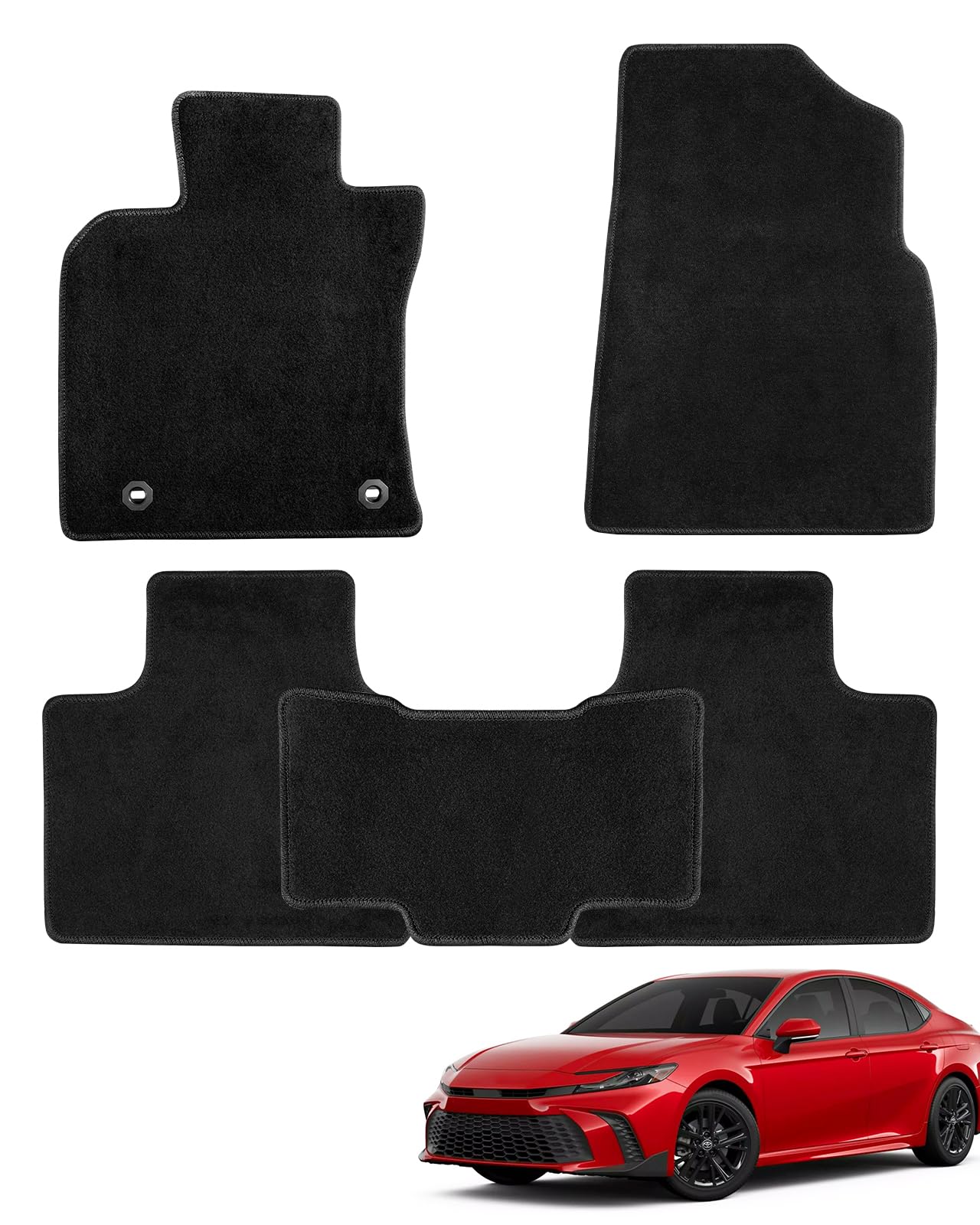

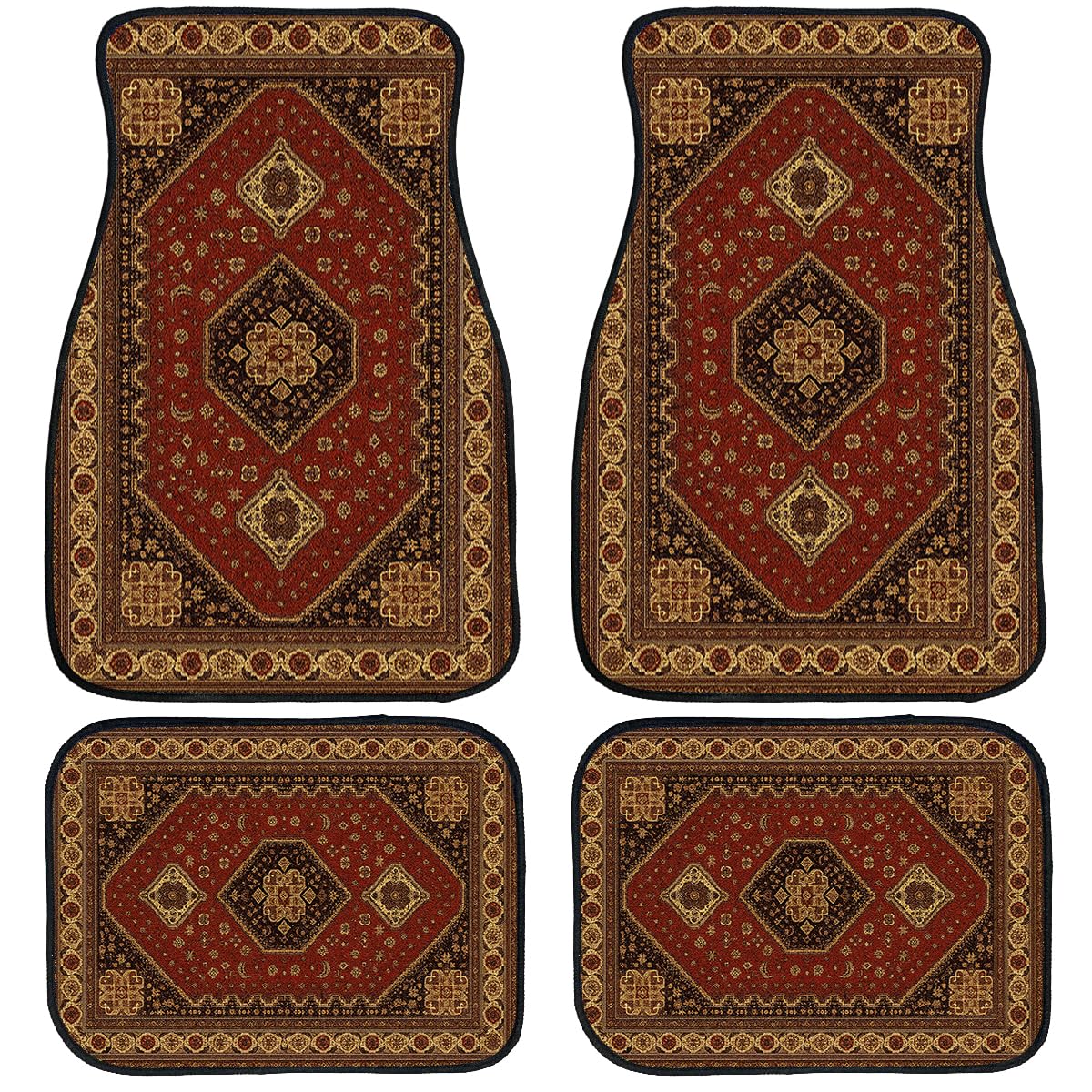
Types of Carpet Floor Mats Compared
Carpet mats fall into a few broad families, and sorting them by price tier and footprint is the fastest way to narrow your search. The product table above gives the quick view, while the three groups below explain how each type behaves once shoes, paws, and winter slush start landing on it. Think about where the mat will live first, because a mat that thrives in a quiet hallway may disappoint in a busy family vehicle.
Mid Range Options
Mid range options are the workhorse tier, usually built from nylon or polyester loop pile or short cut pile over a rubber or vinyl backing. Loop pile hides dirt well because soil settles between the loops instead of sitting on top, and the surface vacuums clean without much effort. These mats balance durability and value for daily drivers and busy entryways, and most sets land around $40 to $90 depending on coverage.
The trade off is feel. Mid range pile is firm rather than plush, colors can fade faster in strong sun, and the backing may be thinner than premium versions, so edges can curl sooner in high heat. For most households and commuters, though, this tier delivers the best mix of price, toughness, and easy upkeep.
Premium Options
Premium options use denser pile, heavier carpet weights, and thicker rubber backing that keeps the mat flat and planted. Many use solution dyed nylon, which carries color through the whole fiber, so stains and sunlight do far less visible damage over time. A reinforced heel pad under the driver pedals is common in vehicle sets, and it protects the one spot that wears through first.
You pay for that build quality, often about $100 to $250 for a full vehicle set or a large home mat. In return you get a quieter cabin, a softer step, and a mat that still looks tidy after years of use. If you keep vehicles a long time or want an entryway mat that reads as part of the room, this is the tier that rewards patience.
Compact Options
Compact options cover smaller footprints, such as single front mats, narrow runners, and low profile mats made for tight entryways or small cars. Their pile is usually short and the backing thin, which helps doors swing clear and keeps the mat from bunching under pedals. Prices often start under $30, so replacing one worn piece costs little.
The limit is coverage. A compact mat protects only the patch it touches, so grit still reaches the floor around its edges, and thin backing grips less firmly on smooth surfaces. Choose this size when space is genuinely tight or when you only need a landing spot for wet shoes by one door, not full floor protection.
Mid Range Options vs Premium Options: Which Should You Choose?
Start with lifespan. A mid range mat in a daily driver typically looks worn after a few years of grit and heel pressure, while a premium mat with denser pile and a heel pad can stay presentable far longer. If you replace vehicles often, the shorter life costs you nothing, because the mat leaves with the car.
Next, weigh comfort and looks. Premium pile feels softer, damps more road noise, and holds its color, which matters in a vehicle you drive clients in or a front hall guests see first. Mid range mats win on value and simpler care, since most tolerate hosing and strong detergents without worry.
Finally, check the warranty, because premium lines often carry longer coverage that signals how the maker rates its own durability. Match the tier to how long you will keep the space, not to the highest price you can stretch to.
How to Choose the Right Carpet Floor Mat
Five factors decide whether a carpet mat suits your space: upkeep cost, build quality, performance specs, intended use, and measured fit. Working through them in order prevents the common pattern of buying on color alone and discovering the backing, size, or pile fights your daily routine.
Maintenance and Long Term Costs
Every carpet mat needs regular vacuuming, periodic shampooing, and full drying before it goes back down, and some fibers demand more of each. Nylon tolerates hot water extraction well, while delicate plush piles may need gentler cleaners that cost more per bottle. Factor in replacement too, because a mat that needs swapping twice costs more over a decade than one premium mat that lasts. Also check whether edges are bound, since frayed edges often end a mat life before the pile itself wears out.
Build Quality and Materials
Fiber choice drives most of what you feel and see. Nylon is the toughest common option and springs back after compression, polyester resists stains and costs less, and polypropylene shrugs off moisture but flattens sooner under heavy foot traffic. Backing matters just as much, because thick rubber with nibs grips carpeted floors and stops creeping, while smooth vinyl suits hard floors where nibs could mark the surface. Stitching, bound edges, and a uniform pile height with no thin patches are quick quality checks you can make from listing photos and reviews of construction details.
Key Performance Specs
The specs worth comparing are pile height, carpet weight, and backing thickness. Pile height runs from about a quarter inch on loop mats to over half an inch on plush styles, and taller pile feels softer but holds more trapped grit. Carpet weight, often listed in ounces per square yard, signals density, and higher numbers generally mean slower wear. For vehicles, also confirm the mat works with factory retention posts, since a mat that slides toward the pedals is a safety problem, not a nuisance.
Intended Use and Who It Is For
Be honest about the traffic the mat will face. A commuter who drives in office shoes needs far less soil hiding power than a parent loading kids, cleats, and a dog into the same vehicle. Entryway mats in snowy regions must handle melt water without the backing letting moisture through to wood floors. If your main goal is a quieter, plusher cabin for long drives, weight and density deserve priority, while rental properties and work trucks reward cheap, replaceable mats you can swap without regret.
Size, Weight, and Fit for Your Space
Measure before you order, because universal mats rarely match the footwell or doorway you picture. For vehicles, note the distance from the seat rails to the pedals and the width between the console and the door sill, then compare those numbers with the listed mat dimensions. Trim to fit styles give you cutting lines for a closer match, but you should confirm the pattern still covers the heel strike zone after trimming. At home, leave clearance under any door that swings over the mat, since a plush mat that blocks a door quickly becomes a tripping edge.
Carpet Floor Mats for Specific Needs
Where the mat works changes which features matter most, so it helps to think in use cases. Drivers comparing carpet against other materials may also want to see our guide to the best floor mat for a wider look at rubber and all weather choices. The two settings below cover the requests shoppers ask about most.
Best Carpet Floor Mats for Cars
The search for best carpet floor mats for cars comes down to three car specific needs: exact footwell fit, pedal safety, and soil control. Vehicle mats should anchor to factory retention posts or carry a nibbed backing that locks into the car carpet, because any mat that creeps forward can bunch near the pedals. Cut pile in a dark, mixed color hides road grit between cleanings, and a heel pad earns its place on the driver side. For model specific sizing and set layouts, see our guide to the best floor mats for car before you order.
Truck owners face bigger footwells, taller door sills, and more mud per mile, so coverage area and pile toughness move up the list. If your search centers on pickups, see our guide to the best floor mats for truck for sizing notes that fit those larger cabins. Shoppers who prefer broader category comparisons can also browse our guide to the best automotive floor mats, and those comparing near identical listings may find our guide to the best auto floor mats useful for sorting out naming differences between sellers.
Care and Maintenance Tips
Shake or vacuum your carpet mat weekly, because grit left sitting in the pile acts like sandpaper under every step and cuts fibers at the base. Treat spills quickly by blotting rather than rubbing, then clean with a carpet shampoo suited to the fiber and rinse until the water runs clear. Let the mat dry fully, ideally flat or draped in moving air, before putting it back, since trapped moisture under a rubber backing can sour and smell within days.
Rotate home mats every few months so traffic patterns spread across the surface instead of carving one worn path. Inspect the backing each season for cracks, and check vehicle mats to confirm they still sit flat and clear of the pedals. A mat that stays curled, torn, or slippery after cleaning has reached the end of its safe life and should be replaced rather than wrestled back into place.
Frequently Asked Questions
How do I maintain a carpet floor mat?
Vacuum a carpet floor mat at least once a week and shampoo it whenever vacuuming no longer lifts the ground in soil. One point many owners miss is storage: if you swap mats seasonally, store the spare set flat or loosely rolled with the pile facing out, in a dry place. Folding a rubber backed mat crease first can crack the backing over a single season in a hot garage.
How long does a carpet floor mat last?
A carpet floor mat lasts about two to five years in a daily driven vehicle, and often longer in a home entryway with lighter traffic. Small habits stretch that span, such as knocking shoes together before getting in and using a stiff brush on dried mud instead of grinding it deeper. When the pile stays matted flat after a thorough shampoo and the backing feels stiff, the mat has given you its useful life.
Are expensive carpet floor mats worth the extra cost?
Expensive carpet floor mats are worth it when you keep a vehicle or home long enough to use up the extra lifespan their denser pile provides. One extra benefit rarely mentioned is resale presentation, since fresh looking mats make a whole cabin feel cared for when you sell or trade a car. If you change vehicles every couple of years, mid range mats deliver most of the protection at a friendlier price.
What features matter most when buying carpet floor mats?
The features that matter most are a secure backing, the right fiber for your soil load, and dimensions that match your footwell or doorway. Beyond those, look at edge binding, because a bound or serged edge resists fraying far better than a raw cut edge left exposed. Odor control treatments can help in homes with pets, though regular drying after wet days does more for freshness than any coating.
How much should I spend on a carpet floor mat?
Plan on about $30 to $90 for a mid range vehicle set or home mat, and about $100 to $250 for premium materials and denser pile. A smart way to set the number is to divide the price by the years you expect to keep the car or the room layout, then compare that yearly cost across tiers. Spending slightly more per year for a mat you clean less often often wins.
Final Thoughts
The right choice starts with placement and traffic, then narrows by fiber, backing grip, and measured fit. Use the product table above to compare tiers side by side, favor secure anchoring in any vehicle, and let expected lifespan guide how far up the price ladder you climb. Chosen with those points in mind, the best carpet floor mats quietly protect your floors for years while asking only minutes of care each week.