
Best Car Speakers for Bass 2026: Size, Power and Door Setup
Disclosure: We may earn a commission when you buy through links on this page, at no extra cost to you. As an Amazon Associate I earn from qualifying purchases. Learn more

Deep, clean bass depends on size, power and door setup. This guide explains the best car speakers for bass and how to get weight without rattles.
Bass transforms car music, adding weight and rhythm that small factory speakers often lack. best car speakers for bass depend on speaker size, power handling, and how well your doors and mounting support low frequencies. The comparison table below gives a quick overview, and this guide explains how to get deep bass that stays clean rather than boomy.
Start with your car and listening habits. Door speakers, rear deck speakers, and subwoofers each play different roles in bass reproduction. A full subwoofer system gives the deepest bass, while upgraded door speakers improve bass without major installation. Knowing your budget and willingness to modify your car narrows the choice quickly.

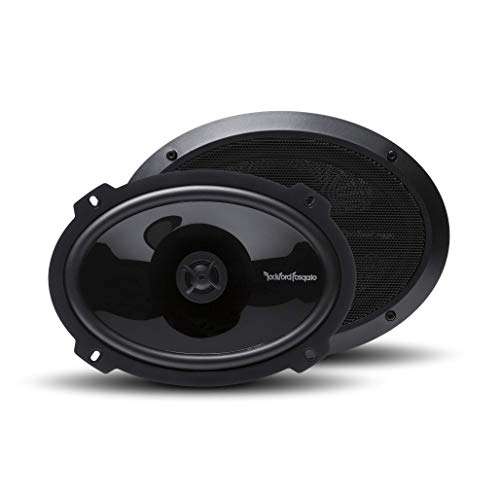
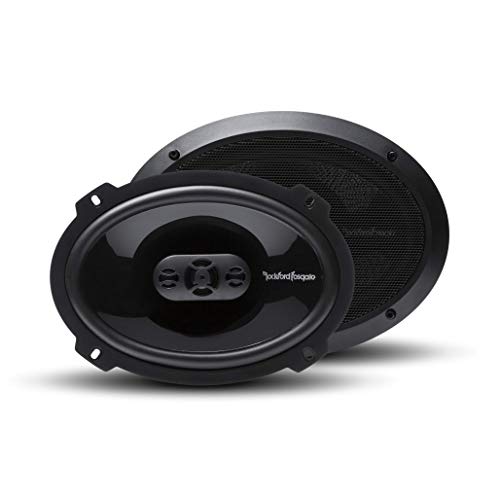
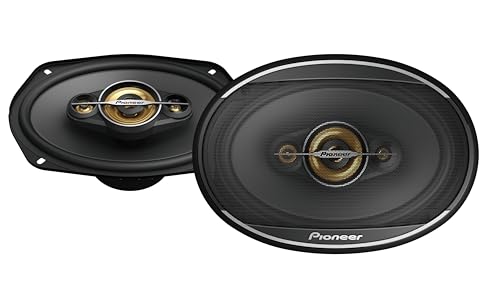


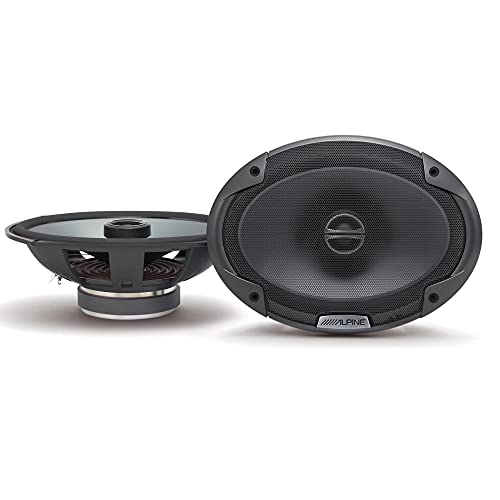
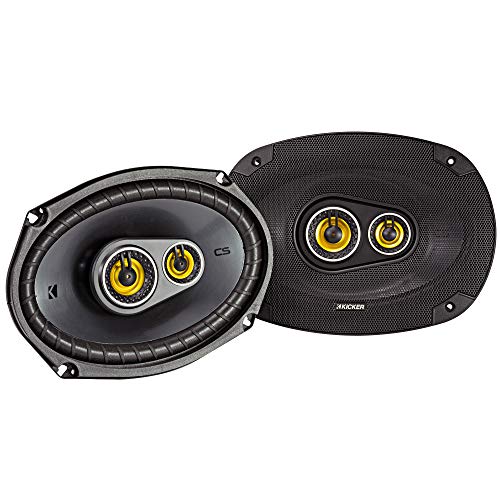

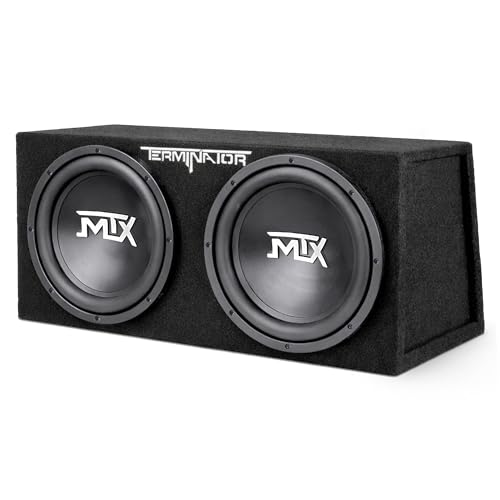
Types of Car Speakers for Bass Compared
Car bass solutions range from simple speaker swaps to dedicated subwoofers. Each level adds depth at the cost of space and installation effort.
Upgraded Door Speakers
Upgraded door speakers replace factory units with larger, better built drivers that handle more power and reach lower frequencies. They improve bass noticeably without taking trunk space or needing a separate amplifier in many cases. Their bass depth is limited by door size and mounting, so they suit listeners who want fuller sound rather than window shaking output.
Rear Deck and Larger Speakers
Larger rear speakers, including 6x9 models, move more air and produce stronger bass than small door units. They suit cars with suitable rear decks and listeners who want a fuller soundstage. Installation may need adapters or minor trimming, so check fitment for your car model before buying. They bridge the gap between simple swaps and full subwoofer systems.
Subwoofers and Amplified Bass
Subwoofers handle only low frequencies, freeing door speakers to focus on mids and highs. They deliver the deepest, most controlled bass and suit bass heavy music. They take trunk space, need an amplifier, and require careful tuning to avoid overwhelming the rest of the music. For serious bass lovers, this is the most capable route.
How to Choose the Right Car Speakers for Bass
Bass quality depends on size, power, and installation working together. Check each factor for your car and music taste.
Speaker Size and Fitment
Larger speakers generally move more air and reach lower frequencies, but they must fit your doors or deck without major modification. Check mounting depth, cutout size, and clearance for windows and panels. Adapters can help, but very deep speakers may still foul moving parts. Correct fitment matters more than chasing the largest size available.
Power Handling and Amplification
Power handling should match your head unit or amplifier output. Underpowered speakers sound thin, while overpowered speakers risk damage if driven carelessly. An external amplifier improves control and bass tightness, especially for larger speakers and subwoofers. If you keep the factory head unit, choose efficient speakers that perform well on modest power.
Installation and Sound Deadening
Doors act as speaker enclosures, so rattles and leaks kill bass quality. Sealing gaps, adding sound deadening material, and securing speakers firmly improve bass dramatically. Even excellent speakers sound weak in a rattly, leaky door. Budget time or professional help for installation, since mounting quality often matters more than speaker brand.
If you want to compare nearby options, these guides cover close cousins of this topic: best car speakers for bass and sound quality, best 6x9 car speakers for bass, best car door speakers for bass, best 6x8 car speakers for bass and best mid bass car speakers.
Common Mistakes to Avoid
A common mistake is turning up bass boost to compensate for weak speakers. Heavy boost distorts sound, strains speakers, and produces muddy bass that drowns detail. Better speakers, proper power, and sealed doors give cleaner bass at sensible settings. Use tone controls for fine tuning, not for fixing fundamental weaknesses.
Another mistake is ignoring fitment and buying speakers that do not fit properly. Forced installations can damage panels, block windows, or leave gaps that ruin bass. Always verify size, depth, and mounting for your exact car model, and use proper adapters and wiring harnesses where needed.
Planning for Everyday Use
Think about daily listening, not just demo tracks. Bass that sounds exciting for a few minutes can become tiring on long drives if it overwhelms vocals and instruments. Aim for balanced bass that supports music across genres, from spoken word to bass heavy tracks. A system that sounds good all day beats one that impresses briefly.
Consider passengers and neighbors too. Very loud bass carries outside the car and can annoy others, especially at night or in residential areas. Keep volume sensible in built up areas, and remember that hearing protection matters on long loud drives. Enjoyable bass should never come at the cost of hearing damage.
Getting More From Your Car Bass System
Tune your system gradually instead of maxing bass controls immediately. Start with flat tone settings, play familiar music, and adjust bass in small steps until low frequencies support rather than dominate the mix. Proper tuning reveals detail in vocals and instruments that heavy bass boost hides. Save your settings once the balance sounds right across several genres.
Check wiring and connections if bass sounds weak or distorted. Loose wires, poor grounds, and thin power cables starve amplifiers and cause distortion that sounds like speaker failure. Secure connections and adequate gauge wiring improve bass control noticeably. If you are unsure about wiring, professional installation is worth the cost for safety and sound quality.
Consider a subwoofer enclosure type that suits your music and space. Sealed boxes give tight, accurate bass in compact spaces, while ported boxes play louder with more boom but need more room. Your car trunk size and musical taste should guide the choice, not just maximum loudness claims. A well matched box beats a larger mismatched one.
Protect your hearing on long drives with loud bass. Hearing damage builds gradually and painlessly, so volume that feels exciting for an hour can harm hearing over months. Take breaks from loud music, keep volume moderate for daily commuting, and save high volume listening for short sessions. Enjoyable bass should never cost you hearing.
Maintain your system with occasional checks. Inspect speaker surrounds for cracks, connections for corrosion, and amplifier ventilation for blockages. Heat is an enemy of car audio, so keep amplifiers ventilated and away from direct sun where possible. Simple maintenance keeps bass clean and extends system life significantly.
Frequently Asked Questions
Do I need a subwoofer for good car bass?
Not necessarily. Upgraded door and rear speakers improve bass greatly for many listeners. A subwoofer adds the deepest frequencies and takes load off smaller speakers, which suits bass heavy music and larger cars. If you want deep, controlled bass below what door speakers reach, a subwoofer is the clearest upgrade.
Will new speakers work with my factory stereo?
Often yes, especially efficient speakers designed for modest power. Check impedance and sensitivity to ensure compatibility with your head unit. If your factory system uses unusual wiring or built in amplification, adapters or professional advice may be needed to avoid poor sound or error messages.
Why do my car doors rattle with bass?
Rattles come from loose panels, clips, and trim vibrating with low frequencies. Sound deadening material, secure mounting, and tightening loose trim usually fix most rattles. Check door pockets and contents too, since loose items can mimic speaker problems. A solid door improves bass quality dramatically.
What size car speaker gives the best bass?
Larger speakers generally produce deeper bass, but fitment and installation matter more than size alone. A well installed medium speaker in a sealed door often beats a poorly fitted large speaker. Check your car's mounting options first, then choose the largest well fitting speaker your budget and amplifier support.
Can bass damage my car speakers?
Yes, if speakers are driven beyond their limits with heavy distortion or excessive bass boost. Distorted signals overheat voice coils and tear surrounds over time. Keep volume and bass settings sensible, match power handling to your amplifier, and listen for distortion as a warning to turn down.
Final Thoughts
Great car bass comes from the right speakers, matched power, and solid installation working together. Use the comparison table above to compare the approaches, then check fitment and power for your car. Clean, controlled bass beats sheer loudness for everyday listening.
When you shop for best car speakers for bass, start with your car, your music, and your installation budget. Those realities decide whether a simple speaker swap or a full subwoofer system gives you the bass you actually want.

