Best Car Audio Speakers: Buying Guide for 2026
Disclosure: We may earn a commission when you buy through links on this page, at no extra cost to you. As an Amazon Associate I earn from qualifying purchases. Learn more

Compare car audio speakers for clearer sound: speaker size, power handling, sensitivity, and installation tips for your vehicle and music. Start here.
Upgrading to the best car audio speakers is one of the most effective ways to improve in car sound, because factory speakers often limit clarity even when the head unit is good. Better speakers reveal detail in vocals and instruments, handle bass more cleanly, and stay clear at higher volumes without harshness.
This guide explains speaker types, sizes, power handling, and sensitivity, and it covers fitment checks that prevent buying speakers that do not fit your doors. Use it to match speakers to your car, your music, and your budget. The product table above summarises the main options so you can see the range at a glance before reading the detail.





Who Should Buy This Type
These speakers suit drivers who listen daily and want clearer sound, commuters who value vocal clarity for podcasts and calls, and music lovers who want fuller bass without a subwoofer. They also suit owners keeping a factory head unit but wanting a noticeable upgrade. If you plan a full system with amplifiers and subwoofers, component speakers and careful planning will serve you better than a simple swap.
Key Features to Compare
Compare these specifications and fitment points before ordering.
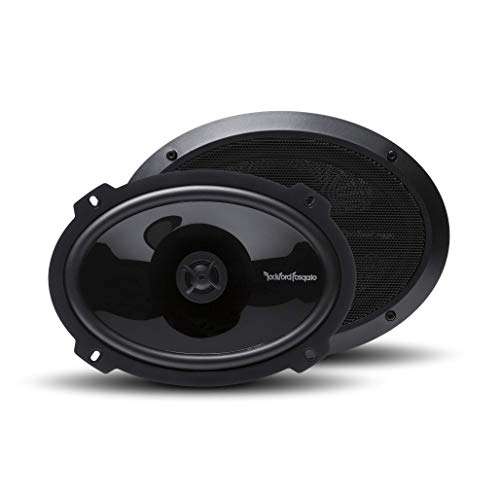
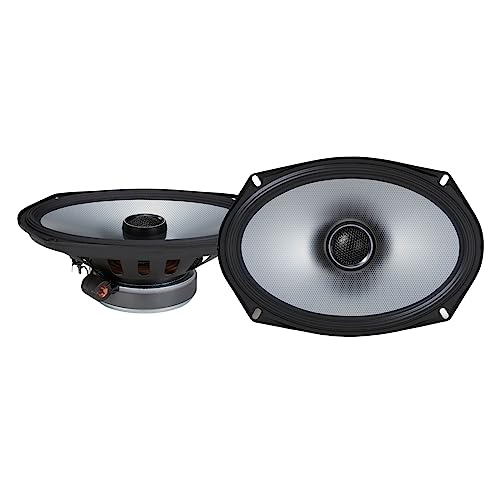
- Speaker size. Common sizes include 6.5 inch and 6x9 inch models, and the correct size depends on your car door or deck openings.
- Speaker type. Coaxial speakers combine woofer and tweeter in one unit for easy fitting, while component speakers separate them for better imaging.
- Sensitivity. Higher sensitivity speakers play louder from a factory head unit, which matters if you do not plan to add an amplifier.
- Power handling. Match continuous power handling to your head unit or amplifier output, and ignore peak figures that exaggerate capability.
- Mounting depth. Check depth behind the panel, since deep speakers may foul window mechanisms or door internals.
Types Compared
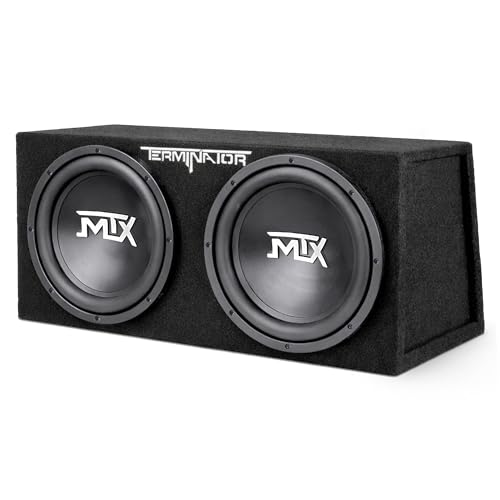
Car audio speakers include coaxial speakers, component speakers, and subwoofers for bass. Coaxial models are the simplest upgrade and suit most drivers. Component models place tweeters separately, often on dash or pillars, giving a wider soundstage and clearer highs. Subwoofers handle deep bass that door speakers cannot reproduce cleanly, and they suit bass heavy music when paired with an amplifier. Choose by system goals, not by size alone.
How to Compare Options Side by Side
Start with fitment: check your car speaker sizes, mounting depth, and connector type using a fitment guide or by measuring. Then decide between coaxial simplicity and component imaging. Listen to speakers where possible, using familiar tracks, and note vocal clarity rather than bass boom alone. Compare sensitivity if you keep a factory radio, since low sensitivity speakers may sound quieter than your old ones without an amplifier.
If you want to compare nearby options, our guides to best voice speakers for car audio, best car audio speakers for sound quality, best car audio component speakers cover related choices in more detail.
For a wider view, also look at best car audio door speakers and best 6x9 car audio speakers before you decide.
Setting Up and Everyday Use
Set head unit tone controls to neutral after fitting, then adjust gradually, since new speakers need no special running in beyond normal use. Avoid maximum volume with heavy bass boost, which can damage speakers and distort sound. Keep grilles fitted to protect cones from feet and cargo, and check door panels for rattles after fitting, since loose panels spoil clarity.
Care and Long Term Value
Keep speakers dry, since door moisture damages cones and crossovers over time. Check wiring connections if sound cuts out on one side, and inspect speaker surrounds for cracking after years of heat exposure. Replace speakers in pairs to keep sound balanced, and keep original fittings if you plan to restore the car later. A clean install with proper adapters lasts longer than a forced fit.
Common Mistakes to Avoid
Buying the wrong size is the most common error, so always confirm fitment before ordering. Another mistake is choosing speakers that need an amplifier while keeping a weak factory radio, which leaves them quiet and dull. Ignoring mounting depth is also costly, since a speaker that fouls a window cannot be fitted. Finally, do not judge speakers by peak power figures, which say little about real sound quality.
A Final Check Before You Buy
Budget car speakers can still improve factory sound noticeably if sensitivity is good and fitment is correct. When comparing budget options, favour clear vocal reproduction over booming bass, and check mounting depth carefully. A well fitted budget pair with high sensitivity will sound better from a factory radio than a dearer low sensitivity pair that needs an amplifier.
Midrange speakers usually add better cones, smoother tweeters, and stronger build, giving clearer sound at higher volumes. Look for balanced frequency response rather than exaggerated bass or treble, and compare sensitivity if you keep a factory head unit. Test with familiar tracks, since showroom demos can flatter speakers that fatigue on long drives.
Premium component speakers offer the widest soundstage and finest detail, especially with an amplifier and careful tweeter placement. They suit enthusiasts who value imaging and are willing to invest in fitting. For most drivers, however, a good midrange coaxial upgrade delivers most of the benefit at far lower cost and effort.
Before ordering, confirm speaker sizes for each location, since fronts and rears often differ. Check whether adapters and wiring harnesses are included, and whether door panels need special tools. Keep original speakers and fittings if you may restore the car later, and budget for professional fitting if panels are complex.
After fitting, set tone controls to neutral and listen for a few days before adjusting. Check for rattles, since loose panels become obvious with clearer speakers. Avoid maximum volume with heavy bass boost, which distorts sound and can damage new speakers. Replace speakers in pairs to keep left and right sound balanced.
Getting the Most From Your Choice
After fitting, listen for several days at neutral tone settings, using familiar tracks across genres to judge balance honestly. Note any rattles, since loose panels become obvious with clearer speakers, and refit clips promptly. Avoid heavy bass boost at first, because extreme settings hide speaker character and can damage new cones.
Replace speakers when cones crack, surrounds split, or sound turns distorted at normal volumes despite correct wiring. Check connections and balance settings first, since a loose wire mimics speaker failure. When shopping again, bring your car details and listening priorities, because fitment and sensitivity matter more than peak power claims.
One Last Check Before You Decide
Before you settle, test speakers with voices and instruments you know well, at the volume you actually use while driving. Notice whether vocals stay clear over road noise, whether bass stays controlled rather than boomy, and whether highs tire your ears on longer trips. A speaker that sounds balanced in these real conditions will please you far longer than one chosen only for loudness or appearance.
Frequently Asked Questions
Will new speakers work with my factory radio?
Most coaxial speakers with good sensitivity work well with factory radios and give a clear upgrade. Component speakers and low sensitivity models benefit more from an amplifier. Check sensitivity and power handling before buying if you plan to keep the factory unit. High sensitivity speakers play louder from factory radios, which matters without an amplifier.
What is the difference between coaxial and component speakers?
Coaxial speakers combine woofer and tweeter in one unit for simple fitting. Component speakers separate the tweeter, allowing better placement and imaging, but they need more fitting work. Coaxial models suit simple upgrades, while component models suit listeners who prize soundstage.
How do I know what size speakers my car takes?
Check a fitment guide for your car model and year, or measure the existing speaker diameter and mounting depth. Also note connector type and panel shape. Confirming these details before ordering prevents returns and fitting problems.
Do I need an amplifier for new speakers?
An amplifier helps speakers reach their potential, especially component models and subwoofers. Many coaxial speakers sound good without one, particularly high sensitivity types. Add an amplifier later if you want more volume and control without distortion.
Why does one speaker sound quieter?
A quiet speaker often signals a loose connection, a damaged wire, or a balance setting issue. Check head unit balance, then inspect wiring and connectors. If the problem follows the speaker when swapped, the speaker itself may need replacing.
Final Thoughts
For best car audio speakers, correct fitment, good sensitivity, and clear vocal reproduction matter more than peak power claims. Choose speakers matched to your car and your listening habits, fit them carefully, and everyday driving will sound noticeably better. The product table above gives a quick way to revisit the main options after reading the guide.