Best Casual Shoes for Motorcycle Riding: Matching the Right Model to Your Routine for 2026
Disclosure: We may earn a commission when you buy through links on this page, at no extra cost to you. As an Amazon Associate I earn from qualifying purchases. Learn more

Ankle coverage, fit, and sole grip decide the best casual shoes for motorcycle riding. Match protection to your commute, weekend loops, or all weather rides.
There is no single riding shoe that suits every rider. A short city commute, a weekend back road loop, and a daily ride in all weather each ask different things from your feet. This guide matches the best casual shoes for motorcycle riding to your routine first, then to features, so you buy for the riding you actually do.
Casual riding shoes look like everyday sneakers or low boots, but proper ones add ankle coverage, reinforced areas, and soles built for pegs and pavement. Use the comparison table below as a starting point, then check your routine against the groups that follow. A clear safety note runs through this guide: casual shoes protect less than full riding boots, and that gap matters.

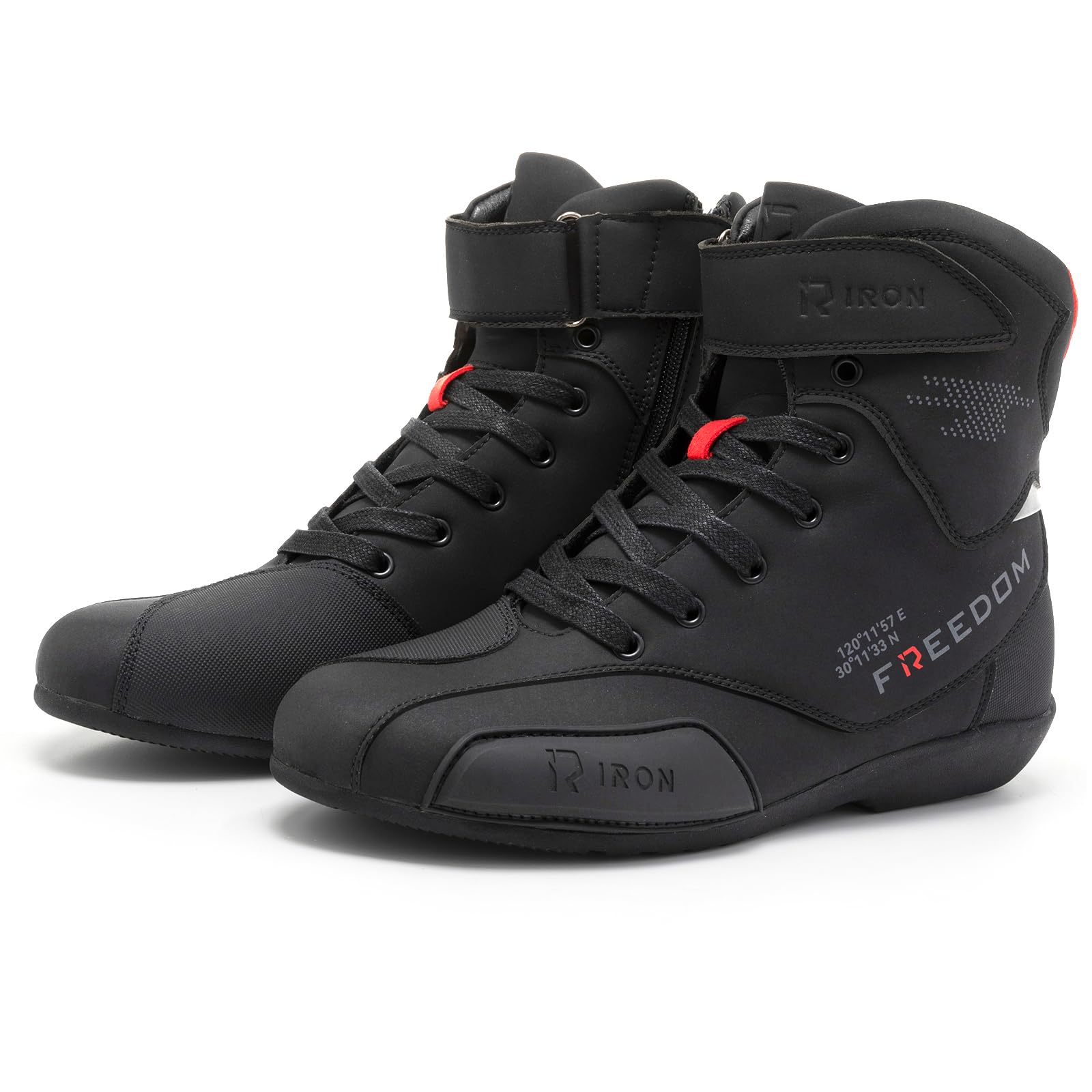
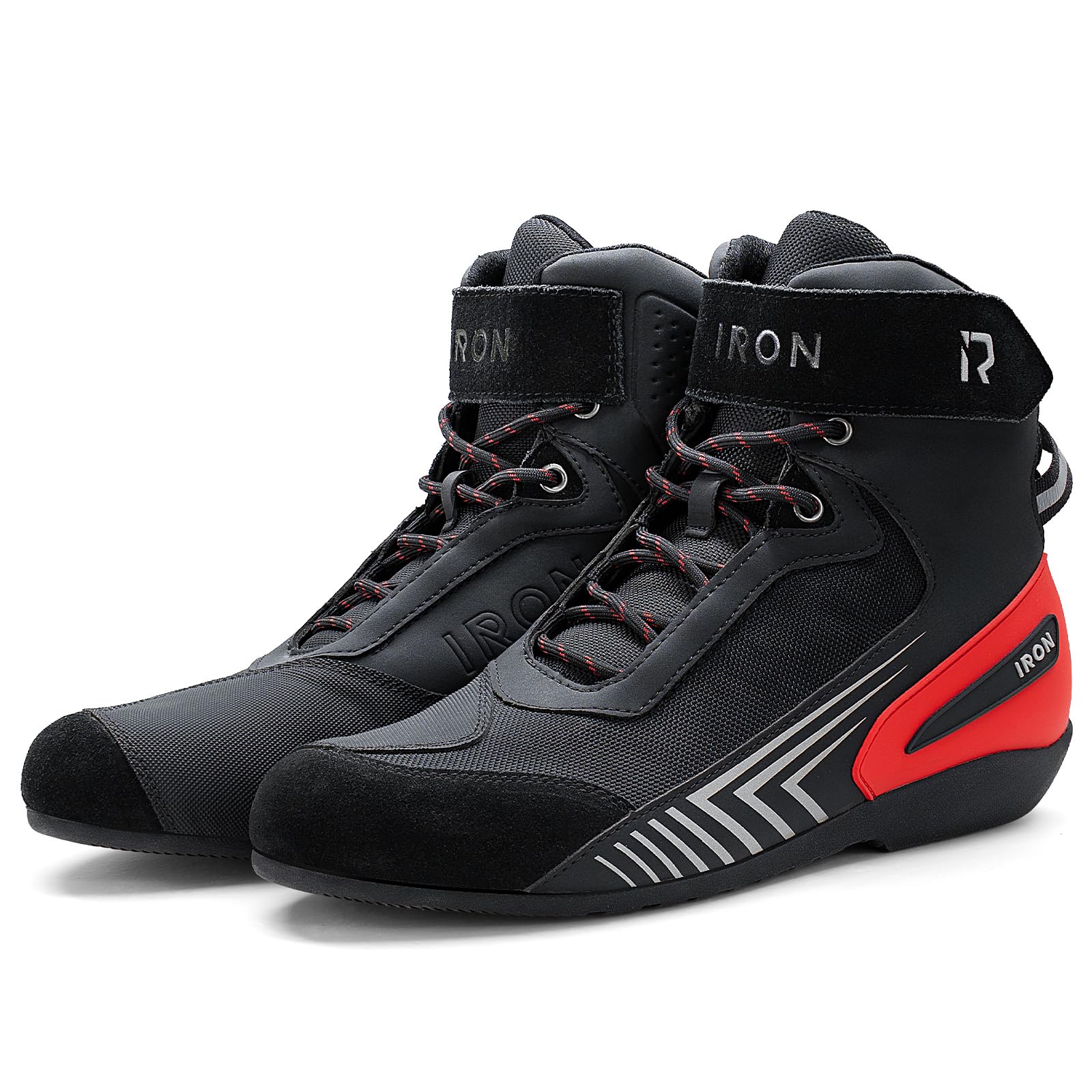


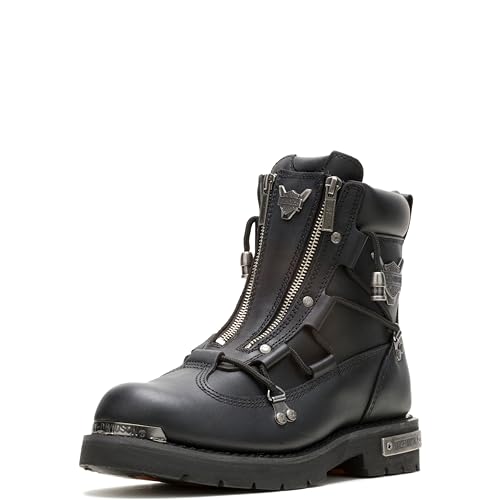
Who Should Buy Which Casual Shoes?
For Frequent or Serious Users
If you ride most days or cover long distances, prioritize protection and durability over a pure sneaker look. Look for coverage above the ankle bone, reinforced toe and heel areas, and ankle inserts that stiffen on impact. A sole that resists oil and stays firm on the pegs will also matter more with every mile.
Expect to pay more, roughly about $150 to $250, and expect a longer break in period. In return you get stronger stitching, better abrasion resistant materials, and often a replaceable insole. Riders at this level should also honestly compare full boots, starting with our guide to the best motorcycle riding shoes for the wider protection picture.
For Riders Who Walk a Lot Off the Bike
Some riders commute, park, and then walk or stand for hours. If that is you, choose a lighter casual shoe with a flexible forefoot and a cushioned insole, so the shoe works at your destination as well as on the bike. Very stiff soles feel secure on pegs but punish you on pavement.
Keep protection basics even here: ankle coverage, a firm heel cup, and laces that stay tied or tuck away. A loose lace near a chain or peg is a real hazard, so look for a lace keeper strap or choose shorter laces. Comfort off the bike should never mean giving up ankle coverage.
For Weekend Beginners
New riders on short, calm rides can start with an entry casual riding shoe at about $80 to $150. Focus on correct fit, ankle coverage, and a flat grippy sole. Skip fashion sneakers entirely, because canvas uppers and soft foam soles offer almost no abrasion or crush protection in a slide or a tip over.
Beginners grow out of gear as their riding grows, so buy for your next season, not only your first month. If your rides start including highways or rain, step up protection early rather than waiting for a scare. Our guide to the best casual motorcycle boots shows the natural next step up in coverage.
Key Features to Compare
Protection and Abrasion Resistance
Protection is the feature that separates riding shoes from street shoes. Look for leather or abrasion resistant synthetic uppers, padding or armor at the ankle bone, and reinforcement at the toe box and heel. A shifter pad over the toe area also stops the gear lever from chewing through the upper in a single season.
Understand the limit clearly. Casual shoes rarely include the rigid shin and calf protection of full boots, and they resist twisting less well. They are a considered compromise for lower speed, shorter rides. For highway heavy use, treat boots as the safer default and casual shoes as the exception.
Fit, Closure, and Shifter Feel
Fit should be snug at the heel and midfoot with room for toes to lie flat. Your foot must not slide forward when you brake or put a foot down at a stop. Try shoes on with your riding socks in the afternoon, and sit on a bike or mimic the riding position if you can, because ankle bend changes how a shoe feels.
Closure matters for safety. Laces give fine adjustment but must be secured so loops cannot catch. Some designs add a strap over the laces, which solves both problems at once. Feel for the shifter through the toe: you want clear feedback without a soft upper that makes every shift a guess.
Sole Grip and Flat Profile
The outsole needs two kinds of grip that pull in opposite directions. On the pegs, a mostly flat profile with firm rubber stays planted and lets you pivot deliberately. At a stop, that same sole must grip painted lines, gravel, and wet pavement when your full balance depends on one foot.
Oil resistant rubber and a modest tread pattern handle both jobs well. Avoid thick running shoe foam, which squirms on pegs and wears fast, and avoid deep hiking lugs, which can hang up when you move your foot. A slightly raised heel helps hook the peg on longer rides, but a very high heel makes walking awkward.
Weather Handling and Ventilation
Match the shoe to your climate. Vented uppers feel far better in summer traffic, while a waterproof membrane keeps feet dry in rain and on wet morning commutes, at the cost of some breathability. There is no free choice here, only the weather you ride in most.
Quick tip: if you ride in mixed weather, own the problem at the sock level. Moisture wicking riding socks improve comfort in both vented and waterproof shoes, and they cost far less than a second pair of shoes. Also note that a wet leather shoe needs slow air drying away from heat, or the leather stiffens and cracks.
Common Mistakes to Avoid When Buying Casual Shoes
- Wearing ordinary sneakers. Street sneakers lack ankle coverage, abrasion resistance, and a peg friendly sole, however comfortable they feel.
- Buying on price alone. The cheapest riding shoes often skip ankle inserts and use thin uppers that wear through quickly.
- Ignoring fit at the ankle. A loose ankle area defeats the protection you paid for, because the shoe can shift or come off in a fall.
- Leaving laces loose or long. Dangling laces can catch on pegs, levers, or the chain at the worst possible moment.
- Skipping the warranty and returns check. Fit is personal, so a seller with easy returns protects you when sizing runs small, as riding shoes often do.
Tips to Get the Most From Your Casual Shoe
Check fit and tightness before each ride, the same way you check your helmet strap. Snug laces, straps closed, and ankle coverage sitting over the bone take ten seconds and make the protection real. Break new shoes in with short rides first, because stiff uppers change how shifting feels.
Clean road grit from soles weekly so grip stays honest, and let shoes dry fully between rides. Replace a shoe after any crash or hard impact that deforms the toe, heel, or ankle area, even if the damage looks minor. Hidden crush damage does not heal, and the next incident is when you will need that structure.
Frequently Asked Questions
What features matter most in casual shoes for motorcycle riding?
Ankle coverage, abrasion resistant uppers, and a flat grippy sole matter most in casual shoes for motorcycle riding. Those three decide how the shoe protects you and how securely you can work the controls and hold the bike at stops. After them, look at closure security and weather handling. Fashion styling should come last, because it adds nothing in a slide or a tip over.
What certifications should I look for in motorcycle footwear?
Look for footwear certified to the European motorcycle boot standard, often shown as a CE rating with level 1 or level 2 protection. Level 2 means higher rated resistance to abrasion, impact, and crush forces. In the United States there is no single mandatory footwear standard, so a stated CE level plus named ankle and toe protection is the clearest quality signal you can check before buying.
How do I choose the right size in casual riding shoes?
Choose the size that holds your heel firmly with toes lying flat and clear of the front when you press your foot down, as you do at a stop. Riding shoes often run small and narrow, so many riders go up half a size, especially with thicker socks. If your heel lifts as you walk, that size will feel worse on the bike, not better.
Are casual riding shoes enough, or do I need full boots?
Casual riding shoes can be enough for short, lower speed rides where you accept a protection compromise for walkability. Full boots are the better choice for highway speeds, long distances, poor weather, and newer riders who are still building low speed control. Be honest about your fastest regular road, not your slowest, when you decide, and when in doubt choose the boot.
How do casual riding shoes handle rain?
Waterproof casual riding shoes handle rain well for typical commute lengths, keeping feet dry through a membrane in the upper. Vented summer shoes soak quickly and dry slowly if they use leather. One extra point: wet grip changes too, so take extra care at stops on painted surfaces after rain, whatever shoe you wear, because sole rubber grips less on slick paint.
How often should I replace casual riding shoes?
Replace casual riding shoes when soles wear smooth, uppers thin at the toe or ankle, or closures stop holding firmly, often after two to four seasons of regular use. Replace them immediately after a crash or a crush event such as a bike falling onto your foot. Stitching pulls and cracked leather near flex points are early warnings that protection is fading.
Our Verdict
Let your routine decide. Frequent riders should buy protection first and consider full boots seriously, commuters should balance peg feel with walking comfort, and beginners should start with real ankle coverage rather than sneakers. Keep the safety limit in view, compare finalists in the product table above, and the best casual shoes for motorcycle riding for your roads will be clear. Women riders comparing fits can also see our guide to the best motorcycle riding boots for women, and riders who wear work footwear daily may find our guide to the best work boots for motorcycle riding a useful check on what work boots can and cannot do on a bike.