Best Carpet Car Floor Mats in 2026: Types and Buying Guide
Disclosure: We may earn a commission when you buy through links on this page, at no extra cost to you. As an Amazon Associate I earn from qualifying purchases. Learn more

Compare the best carpet car floor mats by pile type, vehicle fit, backing and price, with sizing and cleaning tips for daily drivers.
Carpet under your feet changes how a cabin feels. It softens road noise, looks closer to the factory flooring, and gives shoes something warm and dry to land on. Choosing the best carpet car floor mats still takes care, because a mat that slides, bunches, or leaves the edges exposed will annoy you every single drive.
This guide compares the main carpet mat types by fit for your vehicle, daily performance, and ease of use, so you can match a style to your car and your habits. Start with the product table below, then use the sections that follow to check sizing, backing, and care before you order.


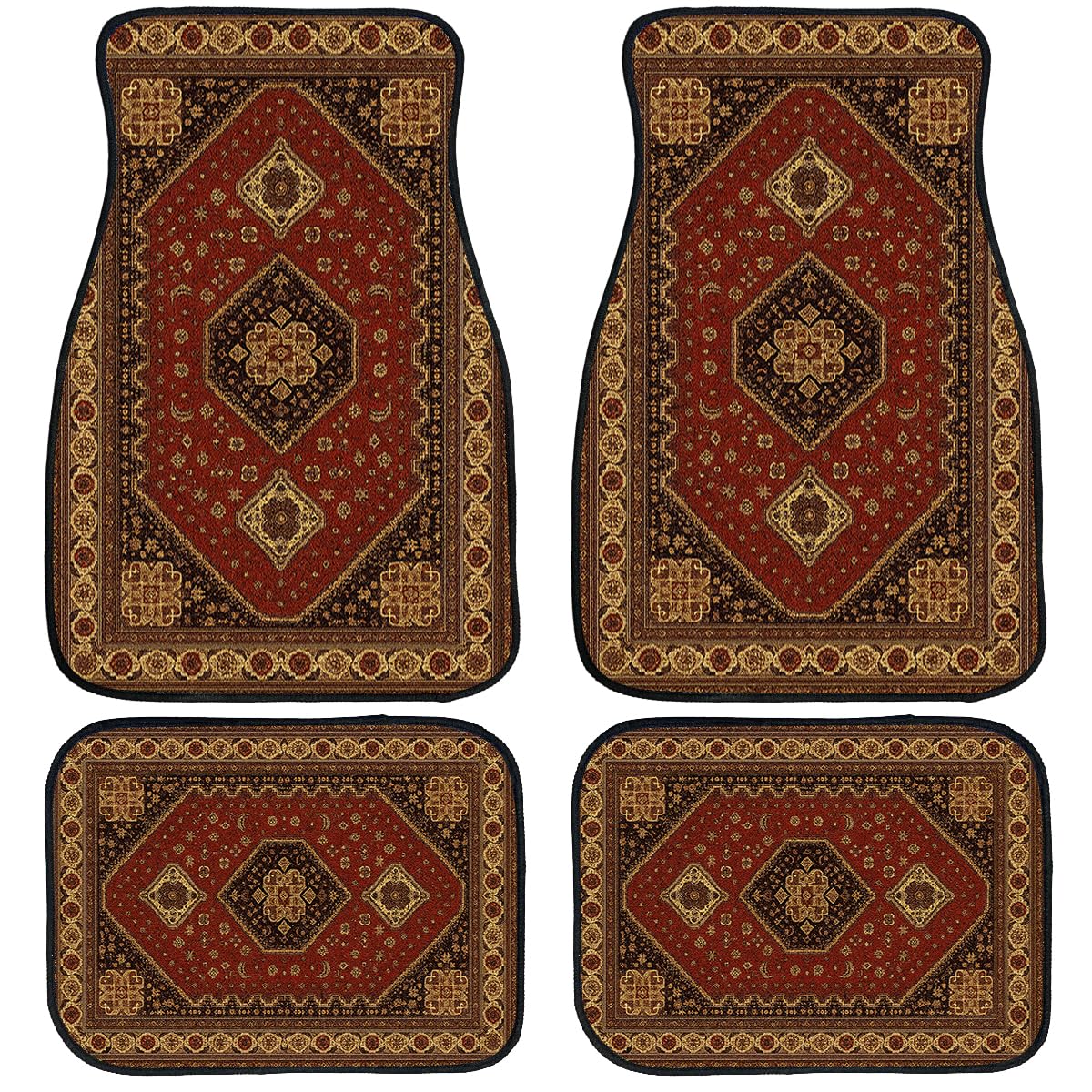
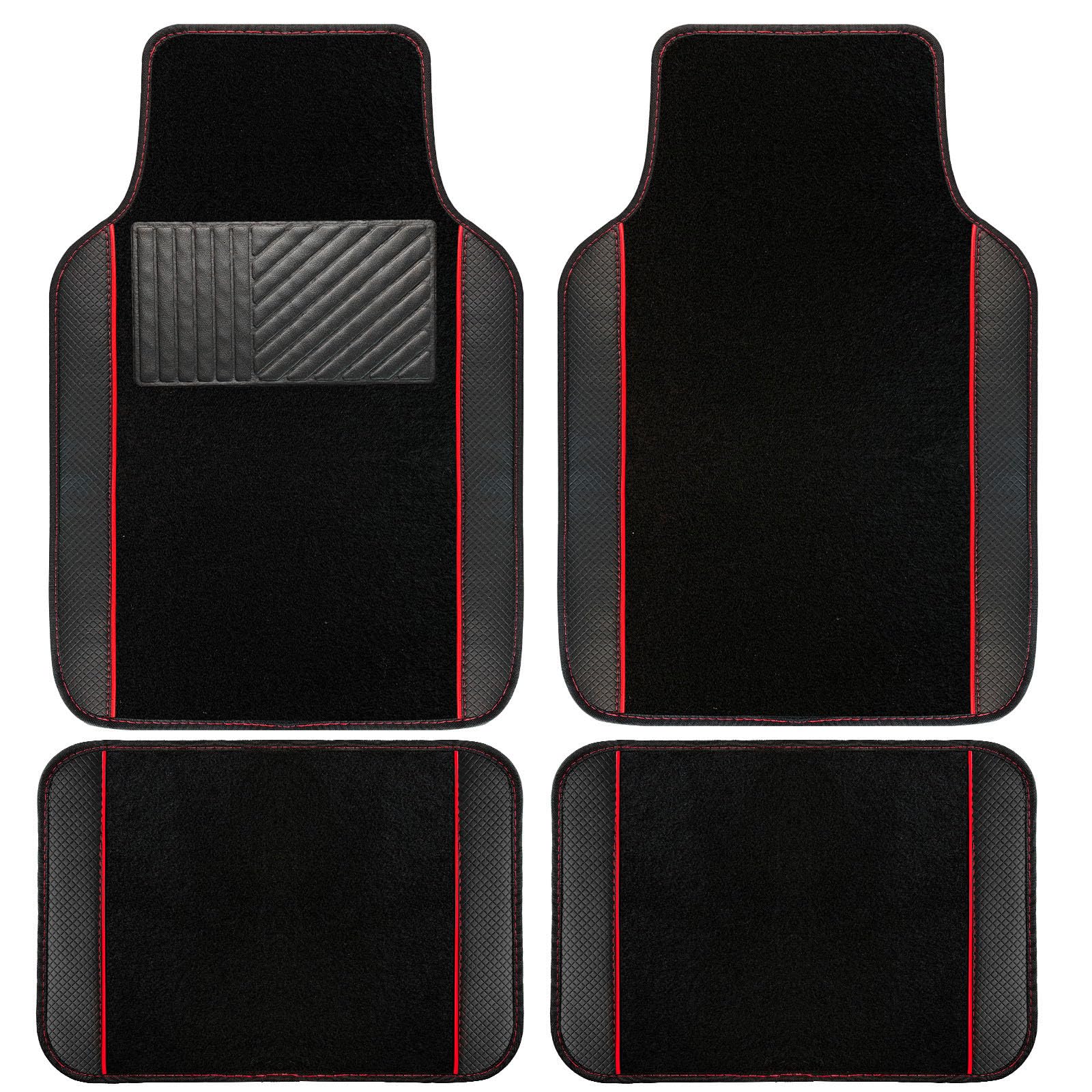
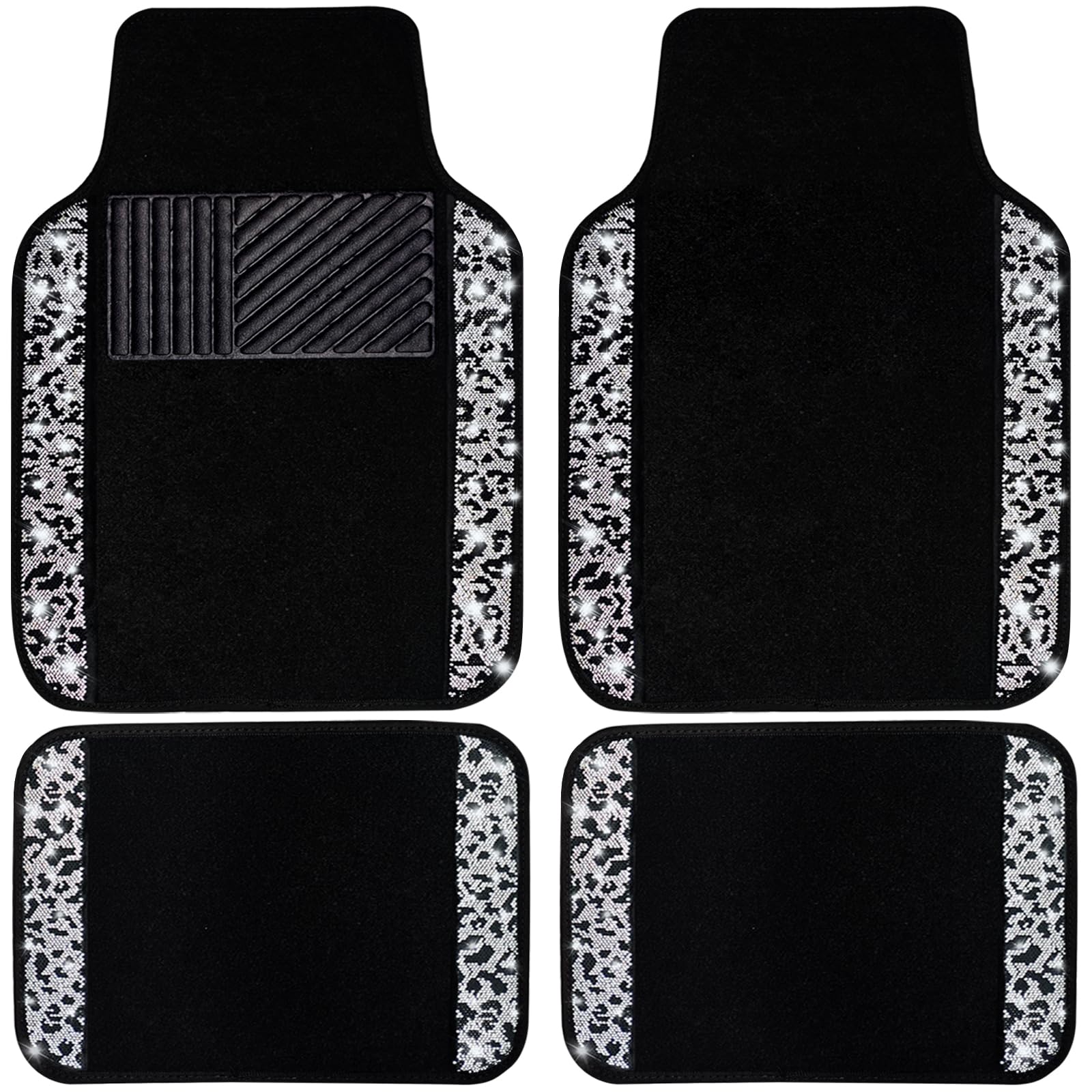
Carpet Mat Types at a Glance
Three broad types cover most shoppers. Plush cut pile mats feel the softest and suit quiet sedans and coupes where comfort matters most. Loop pile mats use tight loops of yarn that shed crumbs and dry grit more easily, which suits family cars and daily commuting. Custom shaped carpet mats are cut for one vehicle, so they follow the floor contours and cover more of the footwell than a rectangle ever can.
Universal mats sit at the simple end of the range. They cost less and move between cars, but they leave gaps at the sides and may need trimming. If you want the broad picture first, see our guide to the best car floor mats for how carpet compares with every other material in one place.
Three Carpet Mat Types Compared
Plush Cut Pile for Comfort and a Finished Look
Cut pile is what most people picture when they think of carpet. Each tuft stands upright, so the surface feels dense and cushioned under thin shoes or bare feet on a short stop. It also hides light dust well between cleanings. The trade off is that the taller fibers hold fine grit deeper down, so these mats reward regular vacuuming. Choose this type if your car is mostly a clean, dry weather vehicle and you care more about cabin feel than about trapping slush or heavy mud.
Loop Pile for Busy Daily Driving
Loop pile mats form their surface from uncut loops, which gives a flatter and firmer feel than cut pile. Dry dirt, sand, and pet hair tend to sit nearer the surface, so a quick shake or vacuum lifts more of it in one pass. The firmer surface also resists crushing under a heel that pivots on the same spot during every drive. This type suits commuters, rideshare drivers, and parents who clean often and want the job to stay quick and predictable each week without much fuss.
Custom Shaped Carpet for the Closest Fit
A custom shaped set is patterned for a specific model and year range, with cutouts and curves that follow the seat rails, the center console, and the dead pedal area. That close fit means fewer exposed edges where grit can work under the mat and onto the factory carpet. It also keeps the mat from drifting toward the pedals. Expect to pay more and to order by exact vehicle details. Our guide to the best custom fit car floor mats explains how this tailored approach differs from universal sizing.
How We Chose the Types in This Guide
We grouped carpet mats by the factors that change ownership the most: compatibility with your vehicle, how the pile performs under daily use, how simple the mats are to install and clean, how the backing and edging hold up over time, and what the warranty covers. The groupings draw on maker specifications and patterns in verified buyer feedback about fit, sliding, and wear. No single brand is treated as the answer for every car.
How to Choose the Right Car Floor Mats
Type
Start by matching the mat type to the mess your car actually sees. Carpet is one choice among several, and each material behaves differently. Rubber sheds water and rinses clean fast, which is why shoppers in wet climates often look at the best rubber car floor mats instead. All weather trays use raised edges to hold meltwater in place. Universal carpet suits a second car or a short term need, trim to fit carpet gives you some shaping control at home, and custom carpet gives the neatest result when you plan to keep the vehicle for years.
Vehicle Compatibility
Fit starts with more than the model name. Check the model year, the body style, and whether your car has two or four doors, because floor shapes can change between them. Note the position of the factory retention posts on the driver side, the shape of the transmission tunnel, and whether the rear floor is flat or split by a hump. Measure the widest and longest points of each footwell and compare them with the listed mat dimensions. A mat that covers the heel area under the pedals protects the spot that wears first.
Installation
Remove the old mats first and vacuum the floor so grit does not get trapped underneath. Lay each new mat in its intended footwell and confirm the shape matches before you press it down. On the driver side, connect the retention clips or posts exactly as the maker directs, then sit in the seat and move your feet through the full pedal travel. The mat must stay clear of the accelerator and brake at every point. If a universal mat needs trimming, cut a little at a time and test the fit after each cut.
Pile, Backing, and Performance
Pile density tells you more than pile height alone. A dense, shorter pile usually outlasts a tall, sparse one because the fibers support each other under heel pressure. Turn the mat over and study the backing. A textured rubber or nibbed backing grips the factory carpet and limits sliding, while a smooth backing can creep forward over time. Bound or serged edges resist fraying where shoes drag across the border. A reinforced heel pad under the driver right foot spreads wear over a tougher patch and delays the worn hollow that forms on plain pile.
Warranty
Warranty terms vary widely, from short coverage against defects to several years on premium sets. Read what the warranty actually promises. Most cover flaws in materials or workmanship, not worn pile, stains, or damage from harsh chemicals. Keep your order record and note whether the maker asks you to register the set. A longer warranty can signal sturdier construction, but it does not replace correct fit or regular cleaning, and a claim will go more smoothly when you can show the mats were used in the vehicle they were made for.
How Much Should You Spend?
Basic universal carpet sets often cost under $30 and cover the main foot traffic areas, though fit and backing grip are usually modest. Mid range sets at about $30 to $100 add denser pile, better edging, and shapes made for popular models. Premium custom carpet can run about $100 to $200, and for that you get the closest fit, thicker pile, and stronger heel pads. Spend toward the top only when you will keep the car long enough for the extra coverage and durability to pay you back in protected factory carpet.
Carpet vs Other Car Floor Mats: Pros and Cons
Carpet wins on comfort, quiet, and appearance. It matches the cabin, dulls the drumming sound that hard mats can pass through, and feels pleasant year round. Carpet also grips shoe soles in dry conditions and hides light dust between cleanings, so the interior looks tidy for longer stretches of normal use.
The limits show up with water and mud. Carpet absorbs moisture instead of pooling it, so soaked mats can stay damp and develop odor if you leave them in place. Raised edge trays handle slush and spilled drinks better, which is why many northern drivers keep a set of the best all weather car floor mats for winter and swap back to carpet in spring. Carpet also needs vacuuming and occasional shampooing rather than a simple rinse. Weigh those care needs against the comfort you gain every day.
FAQ
What is the best carpet car floor mats choice for most drivers?
For most drivers, a dense loop pile set shaped for your exact vehicle gives the best balance. It covers the footwell edges, stays put on its retention posts, and cleans faster than plush pile. If your drives are short and mostly dry, cut pile feels nicer underfoot. One extra check helps either way: confirm the set includes a rear row that matches your floor hump, because rear coverage is where many budget sets quietly cut corners.
Are carpet car floor mats worth it?
Yes, when your main goals are comfort, quiet, and protecting the factory carpet from heel wear and dry grit. Carpet mats are a wear layer you can remove, clean, and replace for far less than retrimming a cabin floor. They are less worthwhile as your only set if you regularly carry snow, mud, or large drink spills. In that case, treat carpet as your fair weather set and keep a tray style set ready for the wet months.
How long do carpet car floor mats last?
A quality carpet set often serves for several years of daily driving, while thin universal mats may look tired much sooner. The driver mat almost always wears first, right where your heel pivots. Rotating your cleaning routine will not move that wear, but a heel pad spreads it out. Replace a mat when the pile is worn through, the backing cracks, or the edges curl enough to catch a shoe, because a curling edge near the pedals is a safety issue, not just a cosmetic one.
Are expensive carpet car floor mats worth the extra cost?
They can be, when the higher price buys a vehicle specific shape, denser pile, and a grippier backing. Those gains show up daily as better coverage and less sliding. The extra money buys little when it only pays for a logo on the same thin construction. Compare the listed pile weight, backing type, and warranty length between price tiers. If those three details are identical, the cheaper set is the smarter buy and the premium is mostly decoration.
How do you clean carpet car floor mats?
Take the mats out, shake them face down, and vacuum both sides before any water touches them, because dry grit comes out far more easily than wet grit. Wash with a mild carpet shampoo, rinse until the water runs clear, and let the mats dry fully flat before refitting them. For step by step help with stains and odors, see our guide on how to clean car floor mats. Never refit a damp mat, since trapped moisture is what causes lingering smells.
What brand of carpet car floor mats is the most reliable?
Reliability tracks construction more than branding. Look for consistent stitching on the edge binding, a backing that flexes without cracking, and sizing that buyers with your exact model confirm fits well. A maker that lists pile material, backing type, and warranty terms plainly gives you something real to judge. Be cautious with any listing that hides those details behind lifestyle photos alone, whatever name it carries, because the specification sheet predicts daily performance far better than a badge does.
Final Thoughts on Choosing Carpet Car Floor Mats
Carpet rewards drivers who value a quiet, finished cabin and who will keep up with simple vacuuming and prompt drying. Match the pile to your routine, insist on a shape that follows your floor, and secure the driver mat on its retention posts. The product table above pulls those choices together, and the best carpet car floor mats for your car will be the set that fits your footwells, your weather, and your budget without sliding, bunching, or leaving the factory carpet exposed at the edges.