
Best 5x7 Car Speakers for Bass: A First Time Buyer's Guide for 2026
Disclosure: We may earn a commission when you buy through links on this page, at no extra cost to you. As an Amazon Associate I earn from qualifying purchases. Learn more

RMS power, sensitivity, cone materials, fit and install choices explained for the best 5x7 car speakers for bass.
Swapping tired factory speakers is the most satisfying first upgrade you can make to a car stereo, but the spec sheets assume you already speak the language. This guide explains the best 5x7 car speakers for bass in plain English, from what the 5x7 size actually means to how much power your stereo can truly feed them. You will learn which numbers predict strong, clean low end and which numbers are printed large just to sell boxes.
Start with the basics, then use the comparison table below to compare the main styles side by side. By the end, you will be able to check fit, match power, and plan an install with confidence.


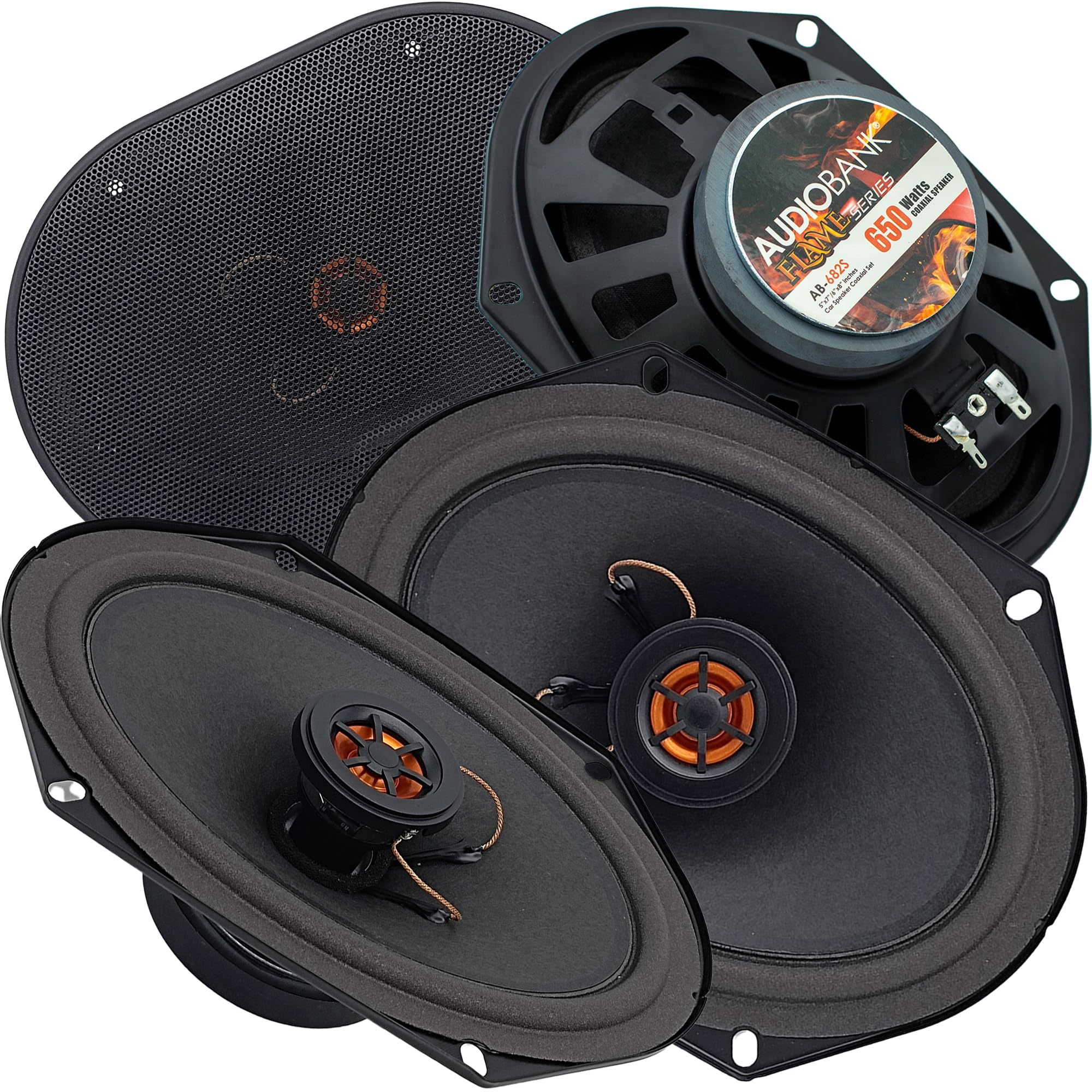

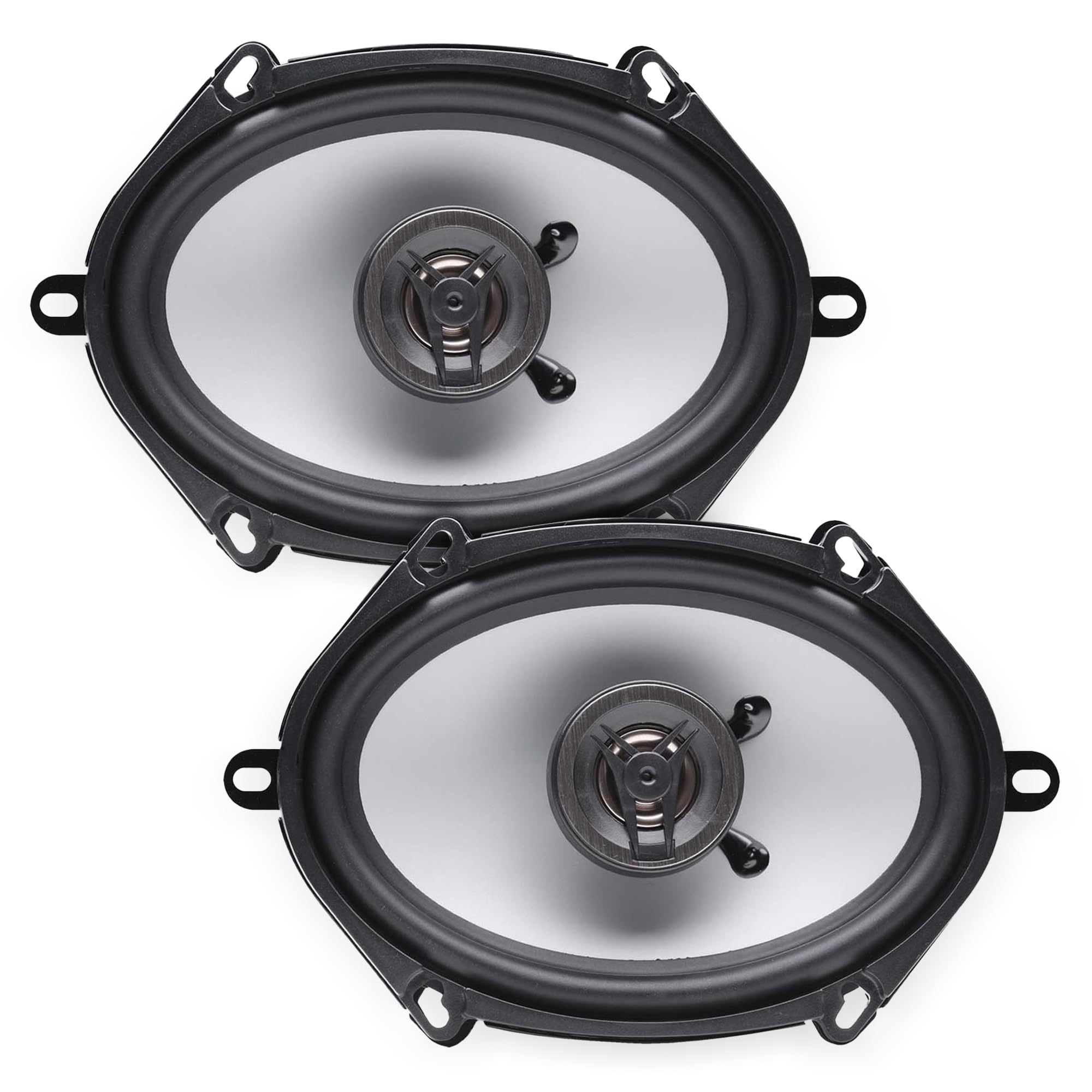
5x7 Car Speakers 101: The Basics
A 5x7 speaker is an oval car speaker that measures roughly 5 by 7 inches, a size many Ford, Mazda, and other vehicles use in front doors and rear decks. The same mounting pattern often accepts 6x8 speakers, which is why the two sizes are listed together so often. The oval shape gives the cone more surface area than a round 5.25 inch speaker, and more cone area helps move more air, which is exactly what bass needs.
Most 5x7 speakers are coaxial, meaning a small tweeter sits in the center of the larger woofer cone, so one unit plays lows, mids, and highs. Component sets split the tweeter out separately for better imaging, but they cost more and take longer to install. Every speaker has an impedance rating, usually 4 ohms, which must match what your stereo or amplifier expects. It also has a power range and a sensitivity rating, and those two numbers, explained below, tell you far more about real bass than the giant peak power figure on the box.
One reality check matters before you shop. A door speaker alone will not produce the deep, chest felt bass of a dedicated subwoofer, because small cones in leaky doors cannot move enough air at very low frequencies. Good 5x7 speakers deliver tight, punchy mid bass that makes music sound full, and they pair well with a small sub later if you want the deepest notes.
Key Specs Explained in Plain English
Features That Matter for Bass
Bass from a small speaker depends on cone area, cone stiffness, and how far the cone can move, a spec called excursion. Stiff, light cone materials such as polypropylene or woven composites hold their shape at high volume, so bass stays tight instead of flabby. A rubber surround, the flexible ring at the cone edge, outlasts foam and allows controlled movement for years. Look at the frequency response range and note the low end figure, since a speaker rated down to about 50Hz will sound fuller than one that stops at 80Hz. Finally, sensitivity decides how loud the speaker plays per watt, and high sensitivity models around 90 decibels or more produce stronger bass from a weak factory stereo.
Vehicle Compatibility
Fit is more than the oval shape. Measure or look up your mounting depth, because a speaker with a large magnet can hit the window glass inside the door when the window rolls down. Check the mounting height too, since a protruding tweeter may press against the door panel grille. Most vehicle fit guides let you enter your year, make, and trim, and the trim level matters because premium factory systems sometimes use 2 ohm speakers or separate amplifiers. Confirm the factory impedance before ordering, because replacing a 2 ohm speaker with a 4 ohm model will cut the power it receives roughly in half and make your new speakers quieter than the old ones.
Ease of Installation
A true plug and play install uses vehicle specific wiring harness adapters, so you clip the new speaker in without cutting any factory wires. That matters for leased cars and for anyone who may return the car to stock later. Budget about 30 to 60 minutes per door your first time, including removing the door panel with a trim tool so clips do not snap. Shallow mount models exist for tight doors, and some speakers include foam gasket tape that seals the speaker against the door, a small detail that noticeably improves bass because air cannot leak around the edges. If your doors have no sound deadening, adding a small sheet behind each speaker firms up mid bass and reduces panel buzz.
Warranty and Brand Support
Car speakers live in a harsh place, with heat, cold, and door slams as daily life, so warranty length is a useful quality signal. One year coverage is standard at budget levels, while stronger lines offer two or three years. Check what the warranty actually covers, since blown voice coils from overpowering are often excluded as misuse. Good brand support also means published RMS ratings, real fit data, and replacement grilles or parts you can actually order. Keep your receipt and register the purchase, because warranty claims on installed car audio almost always need proof of purchase date.
Safety Features
The main safety points are electrical. Reverse polarity protection is rare in passive speakers, so you must connect positive to positive, and a speaker wired backwards plays out of phase and cancels bass, which is the most common cause of a weak sounding install. When you add an amplifier later, use an inline fuse near the battery and route power cables away from sharp metal edges. Disconnect the negative battery terminal before working inside doors, because modern doors contain airbag sensors and window wiring you do not want to short. Keep speaker wires clear of window tracks and latch mechanisms so nothing chafes over time.
Rookie Mistakes to Avoid
- Shopping by peak power. Peak watts are a brief burst figure, while RMS watts describe continuous power, so match RMS ratings between speaker and stereo or amp.
- Ignoring sensitivity. A low sensitivity speaker on a weak factory stereo sounds quiet and thin, no matter how good its materials are.
- Skipping the fit check. Depth and impedance mistakes are the top reasons first installs fail, a trap also covered in our broader guide to the best car speakers for bass.
- Wiring one speaker backwards. A single reversed connection kills bass for the whole system, so double check polarity before closing the door panel.
- Expecting subwoofer depth. Door speakers give punch, not the lowest octave, so plan a sub later if you want truly deep notes.
Getting Started: Setup and First Use
Before you order, check your owner manual or a fit guide for the speaker size, impedance, and whether your trim has a factory amplifier. Gather the basics in advance: panel trim tools, the right screwdrivers, wiring harness adapters for your vehicle, and foam gasket tape. Working on one door at a time keeps the other side as a reference for wire colors and clip positions.
After installing, set your stereo bass and treble controls to flat and listen to a familiar song at moderate volume. New surrounds are stiff, so give the speakers roughly 10 to 20 hours of normal play before judging the bass, because the suspension loosens and low end fills in. If you later compare sizes, our notes on the best 5x7 car speakers cover general sound quality beyond bass, and the roundup of the best 6x9 car speakers for bass shows what a larger rear deck cone can add. Owners chasing both punch and clarity should also read about the best car speakers for bass and sound quality to balance the two goals.
Frequently Asked Questions
What features matter most in 5x7 car speakers for bass?
Sensitivity, a stiff cone with a rubber surround, and a low frequency response figure matter most. Together they decide how much clean low end you hear from limited stereo power. A speaker rated near 90 decibels sensitivity and down to about 50Hz will sound noticeably fuller than a peak power champion with a foam surround and an 80Hz floor.
How long do 5x7 car speakers for bass last?
A decent set lasts 5 to 10 years in normal use. Rubber surrounds survive heat and cold far better than foam, which can crumble in hot climates within a few years. Lifespan drops fast when speakers are constantly driven into distortion, because a clipping stereo sends damaging heat into the voice coil, so clean power at sensible volume is the best longevity plan.
Will 5x7 speakers for bass fit my vehicle?
They fit if your car lists 5x7 or 6x8 openings, your mounting depth clears the magnet, and the impedance matches your system. Many vehicles that use this size also accept the slightly larger 6x8 on the same bolt pattern. Enter your exact year and trim in a fit guide before buying, and measure the depth behind one panel if your car has shallow doors.
Do I need professional installation for 5x7 car speakers?
Most owners can install them with basic tools, harness adapters, and patience, especially in front doors. Professional help makes sense if your car has a premium amplified system, door airbags you are unsure about, or panels you cannot remove without breaking clips. A shop install typically costs about as much as one speaker pair, so weigh that against your confidence and free time.
What specs matter most when comparing 5x7 car speakers?
Compare RMS power handling, sensitivity, frequency response, and impedance, in that order. RMS tells you the power match, sensitivity tells you the loudness per watt, and frequency response hints at bass reach. Our comparison with the best 5x7 speakers for bass uses the same four specs, so you can cross check models quickly without chasing marketing numbers.
Final Thoughts
Choose by fit first, power match second, and sensitivity third, and the bass will take care of itself. Seal each speaker well against the door, wire the polarity correctly, and give the surrounds time to break in before you judge the result. Look back at the product table above with those three checks in mind, and the best 5x7 car speakers for bass for your car will be the set that fits your doors, suits your stereo output, and stays clean and punchy at the volume you actually use.


