
Best 6x9 Car Audio Speakers: A Buyer Checklist for 2026
Disclosure: We may earn a commission when you buy through links on this page, at no extra cost to you. As an Amazon Associate I earn from qualifying purchases. Learn more

Run through this buyer checklist for the best 6x9 car audio speakers: fit, RMS power, sensitivity, materials, and warranty, so you buy once and buy right.
A 6x9 speaker swap is one of the cheapest ways to transform how your car sounds, but only if the pair you buy actually fits and matches your radio. This guide gives you the exact checklist to run before you spend anything on the best 6x9 car audio speakers for your vehicle. Work through the criteria below, check them against the product table, and you will know in minutes whether a pair deserves your money.
Score every model against fit, honest power ratings, sensitivity, materials, and warranty support. No single spec decides the winner, because a great sounding speaker that is too deep for your door is worth nothing to you.
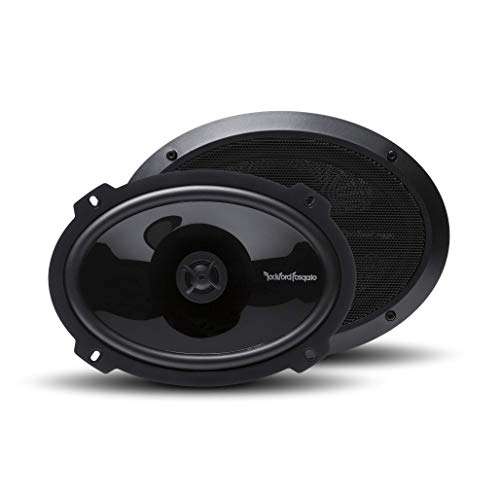
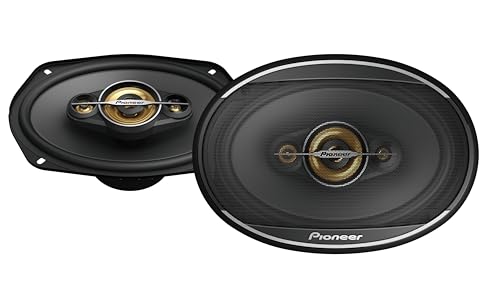

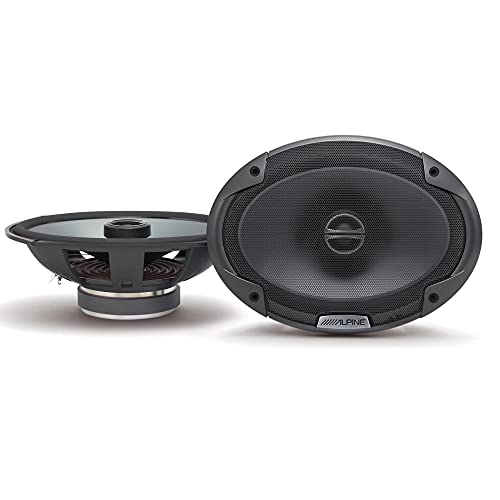





How to Evaluate the Best 6x9 Car Audio Speakers
Think of this section as a scoring card. For each criterion you get the threshold that separates a solid buy from a weak one, so you can grade any pair in the product table above on your own. If a model fails the first two criteria, skip it no matter how glossy the box looks.
Vehicle Compatibility
Start with your year, make, and model, because 6x9 openings vary more than the name suggests. Check the mounting depth behind the panel and the cutout shape, since some factory openings are slightly undersized for aftermarket frames. Also confirm whether your car puts 6x9 speakers in the rear deck, the front doors, or both, because each spot limits depth differently. A pair that matches your exact fitment guide entry saves you return shipping and a torn door panel.
Performance Specs
The number that matters most is RMS power handling, which tells you how much clean amplifier or head unit power the speaker can take all day. Ignore peak power figures, which describe a split second burst and inflate the box. Next look at sensitivity: a rating around 90 dB or higher means the speaker plays loudly on modest factory power. Finally, check impedance, usually 4 ohms, and make sure it matches what your radio or amplifier expects to drive safely.
Warranty and Brand Support
A one year warranty is the floor for a pair you plan to keep, and two or three years signals real confidence from the maker. Check whether warranty claims go through the seller or the manufacturer, and whether you must register the purchase within a set window. Brands with published phone support and replacement parts, such as grilles and mounting hardware, are far easier to live with. Keep your receipt and the box label until the warranty period ends, just in case a voice coil fails early.
Safety Features
Speakers are low risk parts, but sloppy wiring is not. Look for clear polarity markings on the terminals, because wiring one speaker backwards puts it out of phase and cancels your bass. Insulated terminals or included protective boots reduce the chance of a short against a metal door frame. If you add an amplifier later, the power wire needs its own fuse near the battery, sized to the wire gauge. Disconnect the negative battery cable before you start any install, and route wires away from sharp metal edges.
Features and Extras
Useful extras include pivoting tweeters that aim high frequencies toward your ears, included grilles for exposed rear deck installs, and mounting adapters in the box. A built in crossover, even a simple one, protects the tweeter and cleans up the midrange. Treat flashy extras with suspicion: oversized magnets in photos and glowing trim add cost without adding sound. If you want a broader shortlist before narrowing down, see our guide to the best car audio speakers for how sizes and types compare.
Ease of Installation
Many 6x9 pairs are genuine plug and play upgrades once you add the right harness adapter for your car, which means no cutting of factory wires. Budget about an hour per pair if panels come off easily, and longer if you add sound deadening. Check whether the screw hole pattern matches your factory holes or needs adapter rings. If the thought of removing door panels worries you, a shop install typically costs less than replacing a broken panel clip set, so price both routes before deciding.
Build Quality and Weather Resistance
Door mounted speakers live in a damp, vibrating space, so materials matter. Polypropylene or treated paper cones shrug off humidity, while rubber surrounds outlast foam ones that crumble after a few summers of heat. A stamped steel basket is fine at this price, but it should feel rigid when you press the frame. Tweeters in silk sound smooth, while metal tweeters sound brighter and can feel harsh in a reflective cabin. For tonal differences explained in depth, our guide to the best sounding 6x9 car speakers breaks down cone and tweeter materials.
What Passing the Checklist Looks Like at Three Budgets
Instead of naming models, here is the specification profile a pair should show at each budget before it earns a place on your shortlist. Match these profiles against the product table above and you will spot the honest options quickly. Prices are per pair and vary with sales.
All Around Profile
At around $120 to $250, expect RMS handling of about 75 to 150 watts per speaker, sensitivity near 92 dB, and a rubber surround with a rigid cone. Tweeters should pivot or sit on a bridge mount, and the warranty should run at least two years. This tier suits drivers adding a modest amplifier later, because the power handling leaves headroom. If vocals are your priority, cross check voice forward models in our guide to the best voice speakers for car audio before you commit.
Value Profile
Around $60 to $120 buys the sweet spot for a factory radio upgrade: sensitivity of 90 dB or more, RMS handling around 40 to 75 watts, and durable cone materials. You give up some bass depth and finish quality, but clarity at normal volume is close to pricier pairs. This is the tier most daily drivers should buy. If low end punch matters more than vocal detail, compare the bass focused options in our guide to the best 6x9 car speakers for bass and note their larger magnet and excursion specs.
Compact Profile
Some doors and rear decks allow very little depth, and that is where shallow mount designs earn their keep at around $70 to $140. Look for a top mounting depth under about 3 inches, a slim magnet, and a frame shaped for tight factory cutouts. You trade a little bass output for a fit that needs no cutting or spacers. Confirm the depth figure against your own measurement with the panel removed, because fitment databases are sometimes wrong for mid year trim changes.
Quick Buyer Checklist
Run through these yes or no questions before you pay. Every answer should be yes.
- Does the fitment guide list my exact year, make, model, and trim?
- Is the mounting depth at least a quarter inch less than the space behind my panel?
- Is the RMS rating, not just peak power, printed in the specification sheet?
- Is sensitivity around 90 dB or higher for my factory radio, or matched to my amplifier?
- Does the impedance match my radio or amplifier rating?
- Are harness adapters available so I can avoid cutting factory wires?
- Is the warranty at least one year, with a clear claim process?
Red Flags to Watch For
Walk away from listings that advertise only peak watts in huge type while hiding the RMS figure in fine print or omitting it entirely. Be wary of sensitivity listed without a measurement standard, or frequency response ranges with no tolerance noted, since both can be padded. A warranty measured in days rather than years, or support that exists only as a web form, predicts a painful claim. Finally, treat a flood of short, similar sounding glowing reviews posted in the same week as a warning sign, and weight detailed owner reports about fit and durability more heavily. For a quality first shortlist, our guide to the best 6x9 car speakers for sound quality explains which specs predict clean sound.
How to Make Your 6x9 Car Audio Speaker Last Longer
Most speaker failures come from abuse, not age. Keep volume below the point where vocals distort, because clipping from an overdriven radio tears surrounds and overheats voice coils. Set bass boost conservatively and let the large cone area of a 6x9 do the work naturally. Every year or so, pop a panel and check that mounting screws are snug and terminals are free of corrosion, especially in doors that see rain runoff. If a speaker starts buzzing, lower the volume and inspect for a loosened screw or debris before assuming the driver is blown.
6x9 Car Audio Speakers: Your Questions Answered
Will 6x9 speakers fit my vehicle?
They fit if your car has factory 6x9 openings and enough depth behind the panel. Measure the depth yourself with the panel off, and compare it with the speaker top mounting depth plus a small margin. Some trims use 6x9 openings in the rear deck but smaller speakers in the doors, so verify each location separately rather than assuming all four corners match.
Do I need professional installation for 6x9 car speakers?
Most owners can install a pair with basic hand tools, a panel removal tool, and harness adapters. The job is mainly screws, clips, and two wire connections per speaker. Choose a professional if your panels hide airbags, if wiring must be cut and soldered, or if you are adding an amplifier at the same time, since amp wiring involves the battery and a fused power run.
How long do 6x9 car speakers last?
A decent pair typically lasts five to ten years in daily use. Rubber surrounds and moisture resistant cones sit at the long end of that range, while foam surrounds in hot climates may dry out sooner. Lifespan drops sharply when speakers are played into distortion every day, because heat and over excursion damage the voice coil long before the cone wears out.
What specs matter most in 6x9 car speakers?
Fit comes first, then RMS power handling, sensitivity, and impedance. Together these four tell you whether the speaker installs cleanly and plays at the volume you want on your power source. After that, cone and surround materials predict durability, and tweeter material shapes whether the top end sounds smooth or bright. Everything else on the box is secondary to those basics.
Final Thoughts
Start with fit, then match RMS power and sensitivity to your radio or amplifier, and let materials and warranty break any ties. That order keeps you from falling for peak watt marketing and lands you with the best 6x9 car audio speakers your budget allows. Compare your shortlist against the product table above, run the yes or no checklist one last time, and buy the pair that passes every line.


