
Best Cameras for Students: A First Time Buyer Guide for 2026
Disclosure: We may earn a commission when you buy through links on this page, at no extra cost to you. As an Amazon Associate I earn from qualifying purchases. Learn more

Learn how the best cameras for students compare on sensor size, lenses, battery life, and price, with plain English tips for your first purchase.
Buying your first camera as a student can feel confusing, because listings mix helpful numbers with terms that mean little on their own. This guide starts with the basics, explains each choice in plain English, and shows how your classes, budget, and daily routine should shape the decision. The best cameras for students are rarely the most expensive models, and they are the ones you will actually carry and learn on.
Start by naming your main use, such as coursework, video projects, travel, or everyday photos for a portfolio. Then compare the options in the comparison table below against the features covered here, paying close attention to lens choice, battery life, and total cost with a card and bag included.




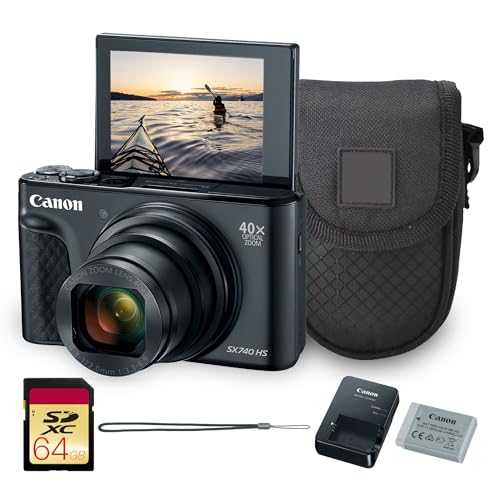

Cameras 101: The Basics Every Student Should Know
A camera records light through a lens onto a sensor, then turns that light into a photo or video file. The lens controls how wide or close your view looks and how much light reaches the sensor. Sensor size and camera software then shape detail, color, and performance in dim rooms.
Three camera families cover most student needs. Compact models keep the lens fixed to the body and fit easily in a small bag. Mirrorless cameras use interchangeable lenses, so one body can handle portraits one term and sports later. Action cameras are small, rugged, and built for mounting on a bike or helmet during active shoots.
File settings matter as much as hardware. JPEG files are small and ready to share, while RAW files keep more detail for editing in class software. Most students should begin with JPEG, then switch as editing lessons demand more control. If you want a broad overview of formats first, see our guide to the best digital cameras for students for more background on how the main types differ.
Key Specs Explained in Plain English
What Students Should Look For in a First Camera
Your first camera should feel simple on day one and still leave room to grow. Look for clear menus, a screen you can read outdoors, and controls that let you change shutter speed, aperture, and ISO without digging through layers. A tilting screen helps with self recording and low angle shots, and WiFi makes it easier to move photos to a laptop or phone for quick submission.
Budget for the full kit, not just the body. A memory card, a padded bag, and a spare battery often matter more than a small bump in megapixels. If your program lends lenses or studio gear, ask what mounts that gear uses before you buy, because matching your school system can save real money.
Sensor Size and Image Quality
Sensor size describes the physical area that captures light, and bigger sensors usually gather more light for cleaner images in classrooms and evening events. Common steps run from small sensors in compact models, to 1 inch sensors, to APS C sensors in many mirrorless cameras, to full frame sensors at the top end. Each step up brings better low light results, shallower background blur, and a higher price.
Megapixels count how many pixels make up the image, and they affect how large you can print or how much you can crop. For most coursework and online portfolios, about 20 to 24 megapixels is plenty. Chasing the highest number rarely helps a beginner, while a slightly larger sensor often improves every photo.
Lens and Zoom Range
The lens decides your field of view. A wide view suits rooms and group shots, while a longer view brings distant subjects closer for sports and stage events. Optical zoom changes the view through the glass itself, so detail stays sharp across the range. Digital zoom simply crops the image, so treat large digital zoom claims with caution.
Zoom range is often written as a multiple, such as 3x or 10x, or as focal lengths such as 24 to 70 mm. A range around 24 to 70 mm or 24 to 105 mm covers most classes and travel well. Also check the f stop number, because a smaller number such as f2.8 lets in more light and blurs the background more than f5.6.
Size, Weight, and Ergonomics
A camera only helps if you bring it along. Weight includes the body, lens, battery, and card together, and that total rides in your bag beside books, a laptop, and lunch. Compact bodies suit students who walk or bike across campus, while larger grips suit long shoots where you hold the camera for an hour or more.
Try to picture the grip, button reach, and screen movement in daily use. Buttons you can find by touch reduce missed moments, and a viewfinder helps when bright sun washes out the rear screen. If you shoot video often, a headphone jack and a microphone input may matter more than a small weight saving.
Battery Life and Charging
Battery ratings are usually given in shots per charge, and real use often lands lower when you review images, record video, or use WiFi. A rating around 300 to 400 shots is workable for a class day if you carry a spare. Video drains power much faster, so plan on one spare battery for any shoot longer than an hour.
Charging style affects your routine more than many buyers expect. USB C charging lets you top up from a laptop or power bank between classes, which is handy in dorm rooms with few outlets. Some models charge only in a separate cradle, so factor that accessory into your budget if quick top ups matter.
Durability and Weather Sealing
Weather sealing uses gaskets around doors, dials, and lens mounts to slow dust and light rain from getting inside. It is protection against splashes and drizzle, not permission to submerge the camera or shoot in a downpour. A weatherproof rating on some rugged models goes further and states a depth limit for underwater use, so read that limit carefully.
Build quality also shows up in small details. Metal lens mounts tend to handle frequent lens changes well, and firm battery doors survive bag bumps better than loose ones. Whatever you choose, a padded case and a wrist strap do more for day to day survival than any sealing claim.
Picking the Right Camera for Different Student Uses
Your major and your hobbies should steer this choice more than any single spec. Photo courses reward lens flexibility, reporting courses reward speed, and video courses reward clean audio and steady footage. Use the product table above as a shortlist, then match each model against the use you will repeat most often.
For still photography courses, prioritize a good kit lens, reliable autofocus, and a viewfinder. If that is your path, see our guide to the best cameras for photography students for course focused advice. For reporting work, fast startup and quiet operation help you catch brief moments, and you can see our guide to the best cameras for journalism students for that angle.
Best Video Cameras for Students
The best video cameras for students stand out on features that still photos never test. Look for 4K video if your program teaches modern delivery formats, plus a microphone input, because built in microphones pick up room echo and handling noise. Autofocus that tracks faces smoothly matters for interviews and solo presentations, and a screen that flips forward makes framing yourself far easier.
Stabilization also deserves attention, since handheld clips look shaky without it, whether the help comes from the lens, the sensor, or both. Film program students should also weigh manual exposure controls and log profiles for color grading, and see our guide to the best cameras for film students for that deeper view. For narrative projects with a crew, see our guide to the best cameras for student filmmakers as well.
Rookie Mistakes to Avoid
- Spending the whole budget on the body: leaving nothing for a card, bag, and spare battery can leave your new camera sitting at home when assignments start.
- Chasing megapixels alone: ignoring sensor size and lens quality leads to large files that still look poor in dim classrooms and evening events.
- Buying a huge zoom as your only lens: very long zoom lenses are often slow in low light, so indoor coursework can come out blurry or noisy.
- Skipping the microphone input for video work: weak audio can sink a strong class project, and fixing echo and hiss later takes far longer than recording clean sound.
- Ignoring your school gear closet: buying a lens mount your program does not support cuts you off from free loaner lenses and shared accessories.
Getting Started: Setup and First Use
Charge the battery fully before your first session, then set the date, time, and file format in the menu. Format the memory card inside the camera rather than on a computer, because the camera builds the folder structure it expects. Take test shots at home and open them on your laptop so any problem shows up before a graded shoot.
Learn the three core exposure controls in a quiet week, not the night before a deadline. Change one setting at a time and watch how shutter speed affects motion, how aperture affects background blur, and how ISO affects noise. Practice moving focus points so checking sharpness becomes a habit.
Build a small daily care routine from the start. Use a lens cloth, not your shirt, to clear smudges, because shirt fabric can drag grit across the glass. Carry a spare battery and a second card, keep the camera in its case between classes, and copy your files to a laptop the same day you shoot.
Cameras for Students: Your Questions Answered
What makes a camera for students different from other cameras?
A camera for students differs mainly in balance rather than in any single special feature. It aims for a fair price, simple controls that still allow manual learning, and a lens system you can expand as courses advance. Size and running costs matter more too, because students carry gear daily and pay for cards and batteries themselves.
How much should a student spend on a first camera?
A student should expect a workable first setup at about $300 to $600 for a compact or entry mirrorless kit, and about $600 to $1,000 for a kit with more lens options. Set aside roughly 15 percent of that budget for a card, bag, and spare battery. If your program lends advanced gear for big projects, a modest personal camera for daily practice is often the smarter buy.
Which camera sensor is better for low light photos for students?
A larger sensor is better for low light photos, because it gathers more light and holds cleaner detail at high ISO settings. APS C and full frame models lead here, while 1 inch compact models still do well for their size. Lens brightness matters too, so an f2.8 lens on a smaller sensor can rival a slower lens on a bigger one.
What camera specs matter most for beginner students?
The specs that matter most for beginner students are sensor size, lens range and brightness, autofocus reliability, and battery life. Together they decide how your photos look in real classrooms, not just on a listing. Screen movement and menu clarity come next, because they shape how fast you learn. Extreme zoom and advanced video modes can wait until a course asks for them.
Final Thoughts
Match the camera to your actual week of classes, commutes, and projects, and let sensor size, lens choice, and battery life lead the decision. Keep the total kit cost in view, borrow school gear where you can, and favor a model you will carry daily over one that impresses on paper. When you compare the shortlist in the product table above, the right best cameras for students choice is the one that fits your courses, your bag, and your budget at the same time.


