
Best Cameras for Journalism Students: Our 2026 Checklist for Campus Reporting
Disclosure: We may earn a commission when you buy through links on this page, at no extra cost to you. As an Amazon Associate I earn from qualifying purchases. Learn more
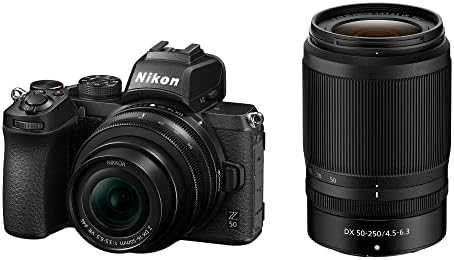
Compare the best cameras for journalism students by sensor, autofocus, video, audio, battery and size, then use the checklist to pick a kit for class.
Journalism assignments rarely wait for perfect light, a quiet room, or a second chance at a quote. The best cameras for journalism students help you capture a usable photo or clip the first time, then file it before a deadline. This guide uses a simple checklist built around reporting work, and the comparison table below shows the current options side by side.
Instead of chasing the longest spec sheet, judge each camera by how it handles moving people, dim halls, spoken interviews, and long days on foot. The sections below cover who each style suits and the features that change your results.




Who Should Buy a Camera for Journalism Study
Your beats and courses should decide the camera.
Photojournalism Students Covering Live Campus Events
You shoot protests, games, guest lectures, and breaking news where the moment passes in seconds. Prioritize fast autofocus, a responsive shutter, and a zoom lens that covers wide scenes and distant speakers. A second battery plus a high capacity card will carry you through a full event.
Reporting Students Who Film Interviews and Short Packages
Your grade often depends on clean speech as much as sharp pictures. Look for a microphone input, a headphone socket for monitoring, and steady video when you walk with a subject. A flip screen helps you frame standups between classes. If most of your work is filmed, see our guide to the best cameras for film students for video first tradeoffs.
Student Editors and Contributors Working on a Tight Budget
You may shoot only a few assignments a month, but editors still expect files that hold up in print and online. A modest interchangeable lens body with one versatile zoom often beats an expensive fixed lens camera you cannot adapt later. Keep money aside for a bag and a spare card, since a small kit you actually carry beats a large kit left at home.
Key Features to Compare
Use these five factors as your scoring checklist. Each connects to a task you will repeat all through your degree, and together they define the best cameras for journalism students far better than any single spec.
Sensor Size and Image Quality for Journalism Work
Sensor size shapes detail and how clean your files look after cropping. APS C sensors are the common middle ground for students, balancing cost, lens size, and quality. Full frame sensors gather more light and allow heavier crops, but bodies and lenses cost more and weigh more. One inch sensors suit very compact cameras for discreet daily carry. Megapixels alone tell you little, so weigh sensor size and lens quality together when you compare the best digital cameras.
Autofocus That Holds Moving Subjects
News subjects walk, gesture, turn away, and cross crowded rooms. You need autofocus that locks onto a face and keeps tracking while the person moves, with a simple way to move the focus point quickly. Face and eye detection help during interviews, while a wide tracking zone helps at rallies and games. Test continuous focus before you buy, since single shot focus often misses the key gesture.
Low Light Performance for Indoor and Evening Assignments
Many assignments happen in gyms, council chambers, theaters, and streets after dark. A larger sensor and a lens with a wide maximum aperture, such as f/1.8 or f/2.8, let you use faster shutter speeds at a given ISO. Clean files at ISO 3200 or ISO 6400 give you room to freeze motion without a flash.
Video, Audio Input, and Image Stabilization
Journalism courses mix stills and video, so look for clean 4K video, a microphone input, and stabilization that smooths walking shots. In body image stabilization also helps handheld photos where a tripod is not allowed. For broader context on stills led kits, see our guide to the best cameras for photography students, then return here for the reporting specific audio points.
Size, Weight, Battery Life, and Fast Filing
A camera that feels fine in a store can tire your hand during a three hour event. Grip depth, control layout, and total kit weight decide whether you keep shooting or start rushing. Battery ratings of about 300 to 800 shots per charge vary widely, so plan on a spare and prefer USB C charging. WiFi transfer speeds filing, and the best laptops for journalism students roundup can help you finish the edit on deadline.
Camera Types Compared for Reporting Coursework
Three broad types cover nearly every student budget, and the right choice depends on how you report.
Mirrorless Bodies and Swappable Lenses
Mirrorless cameras are the flexible default for most journalism majors. Start with a kit zoom, then add a fast prime lens for evening work or a longer zoom for sports. Electronic viewfinders show exposure before you press the shutter, which helps you learn faster. The catch is total cost, so price the whole kit, not the body alone.
Advanced Compact Cameras With Fixed Lenses
A compact camera with a fixed zoom lens slips into a coat pocket and draws little attention, which suits street reporting and travel pieces. You give up lens changes and some low light reach, but you gain a kit that is always with you. For a simpler route, see our guide to the best cameras for students.
Smartphone Led Kits and When They Fall Short
Your phone is a valid backup, and some programs accept phone photos for web only stories. It falls short when you need optical zoom across a hall, clean audio from a distant speaker, or large prints for a photo essay. Treat it as part of the kit, not the whole kit.
Quick Buyer Checklist Before You Pay
Answer these questions honestly. Two or three no answers in areas your courses stress should send you back to the comparison.
- Can you afford the body, one useful lens, a spare battery, and two memory cards together?
- Does the camera have a microphone input if your program includes video packages?
- Can you hold the full kit comfortably for a two hour event without hand fatigue?
- Does autofocus track a walking subject in the light levels you usually shoot in?
- Can you transfer files to your laptop or phone quickly enough for same day deadlines?
- Is the lens range wide enough for group scenes and long enough for speakers at a podium?
- Does the warranty and the brand service network cover you in the city where you study?
Common Mistakes to Avoid
- Buying on megapixels alone, so you pay for resolution while keeping a slow kit lens that limits your low light work.
- Spending the whole budget on the body, so there is nothing left for a spare battery, cards, or a protective bag.
- Choosing a camera with no microphone input for a video heavy program, so interview audio sounds thin and distant.
- Ignoring total kit weight, so the camera stays in your room on the days when news actually happens.
- Skipping the return window test, so you discover awkward menus or a poor grip only after the deadline to exchange has passed.
- Formatting a memory card before backing up an assignment, so a full day of reporting is lost in one tap.
Care and Maintenance for a Student Reporting Camera
Clean the lens with a microfiber cloth and a blower, never your shirt, since grit in fabric can mark the front element. Keep the camera in a padded bag with a silica gel pack, and dry it slowly at room temperature after rain before you open any covers. Charge batteries before big assignments.
Back up every assignment in two places on the day you shoot it, and keep the original files until the grade or publication is final. Check for sensor dust against a plain bright wall each month, and leave wet sensor cleaning to a service shop if spots remain.
Cameras for Journalism Students: Your Questions Answered
What makes a camera for a journalism student different from a general student camera?
A journalism student camera is chosen for speed and reliability under deadline pressure. Fast startup, dependable autofocus, and quick file transfer matter more than scene modes or beauty filters. Dials you can change without lowering the camera also help you react when light shifts mid event.
Which features matter most in a camera for journalism coursework?
Autofocus speed, usable high ISO files, and a microphone input matter most for journalism coursework. Together they cover moving subjects, dim rooms, and recorded interviews, the three staples of student reporting. A less obvious point is file naming options, since clear organization saves real time when an editor asks for one specific frame from a long event.
Is a smartphone enough for journalism students instead of a dedicated camera?
A smartphone is enough for quick web photos and short social clips, but not for every journalism assignment. It struggles with distant speakers, dim venues, and long events that drain the battery you also need for calls and notes. A useful test is your photo essay requirement, since large prints and heavy crops expose phone limits fast.
Which camera type is better for low light journalism assignments?
An interchangeable lens mirrorless camera with a fast prime lens is better for low light journalism assignments. The wide aperture gathers more light than a typical kit zoom, so shutter speeds stay fast enough for gestures and speech. Whatever you choose, practice your settings at an evening rehearsal before a graded night event, since menus feel very different in the dark.
How much should a journalism student spend on a first camera kit?
Most journalism students should plan about $600 to $1200 for a complete first kit. That range usually covers a capable body, a kit zoom, a spare battery, cards, and a bag, with used options stretching the budget further. Check whether your school rents lenses, since free access to long lenses can lower what you need to own.
The Bottom Line
Score every candidate against the same short list: autofocus you can trust, files that stay clean in dim rooms, audio you can monitor, and a kit light enough to carry all day. Match the type to your beats and leave budget room for the small items that keep you shooting. Chosen that way, the best cameras for journalism students become a working tool rather than a spec sheet, so compare your finalists once more in the product table above before you order.

