
Best Cameras for Vintage Photos at Every Price for 2026: What Your Money Really Gets You
Disclosure: We may earn a commission when you buy through links on this page, at no extra cost to you. As an Amazon Associate I earn from qualifying purchases. Learn more

Learn what each camera price level buys for vintage photos, which upgrades are worth paying for, and which extras you can safely skip before you buy.
Camera prices stretch from a few hundred dollars to several thousand, and the gap can make a first purchase feel like a gamble. Best cameras for vintage photos do not all need a large budget, because the warm, soft, classic look depends more on color handling, lens character, and light than on the highest price tag. The comparison table below shows the main types side by side so you can see where your money goes.
This guide walks through spending levels in plain terms, explains what each level typically delivers, and flags the features worth paying for and the ones you can skip. By the end you should know which level fits your habits, whether you shoot film nights at home, market stalls on weekends, or portraits for friends and family.


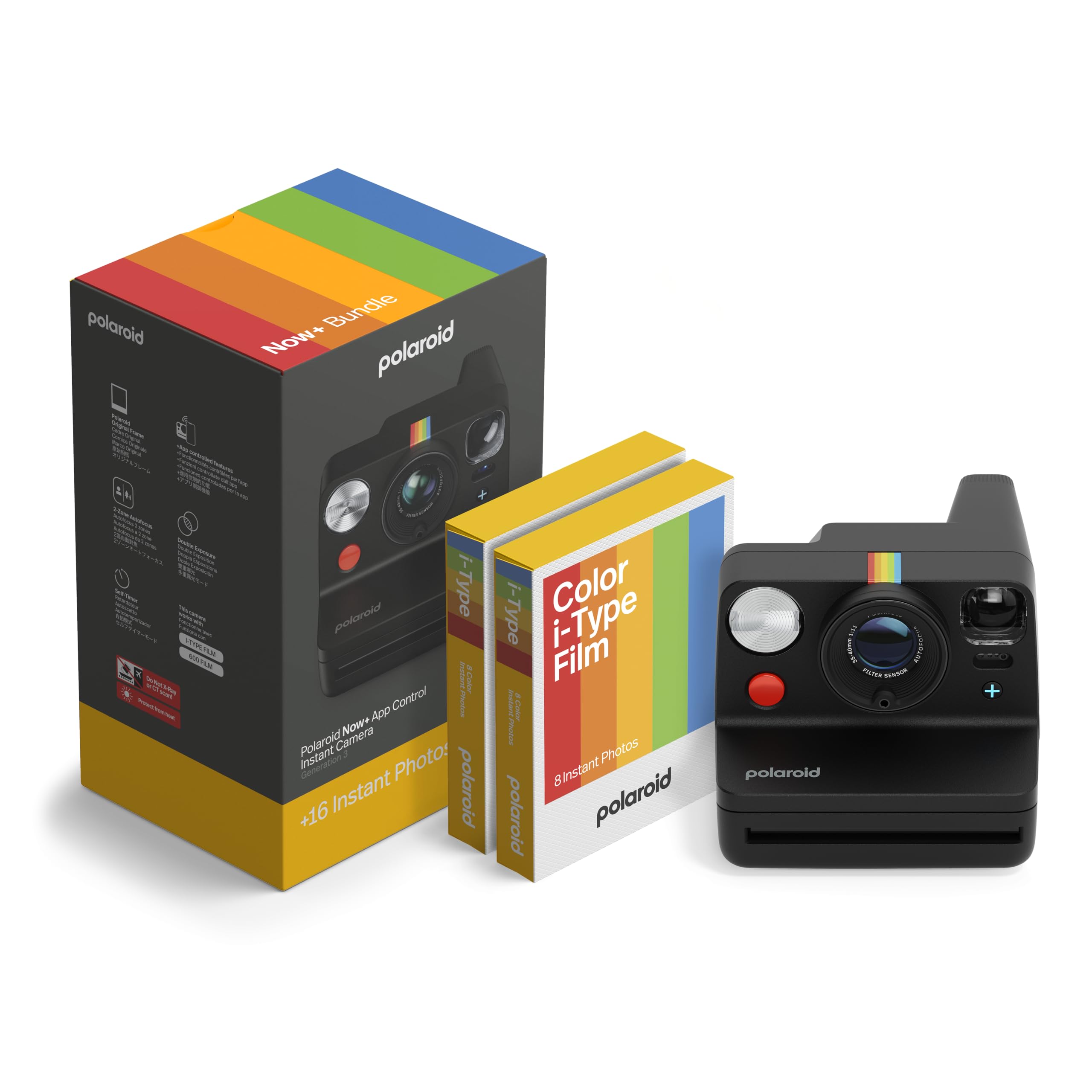
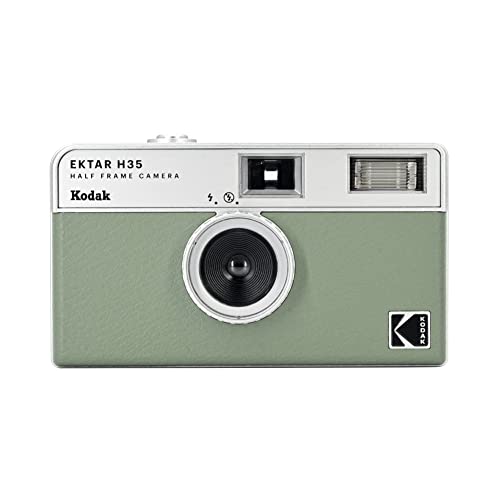
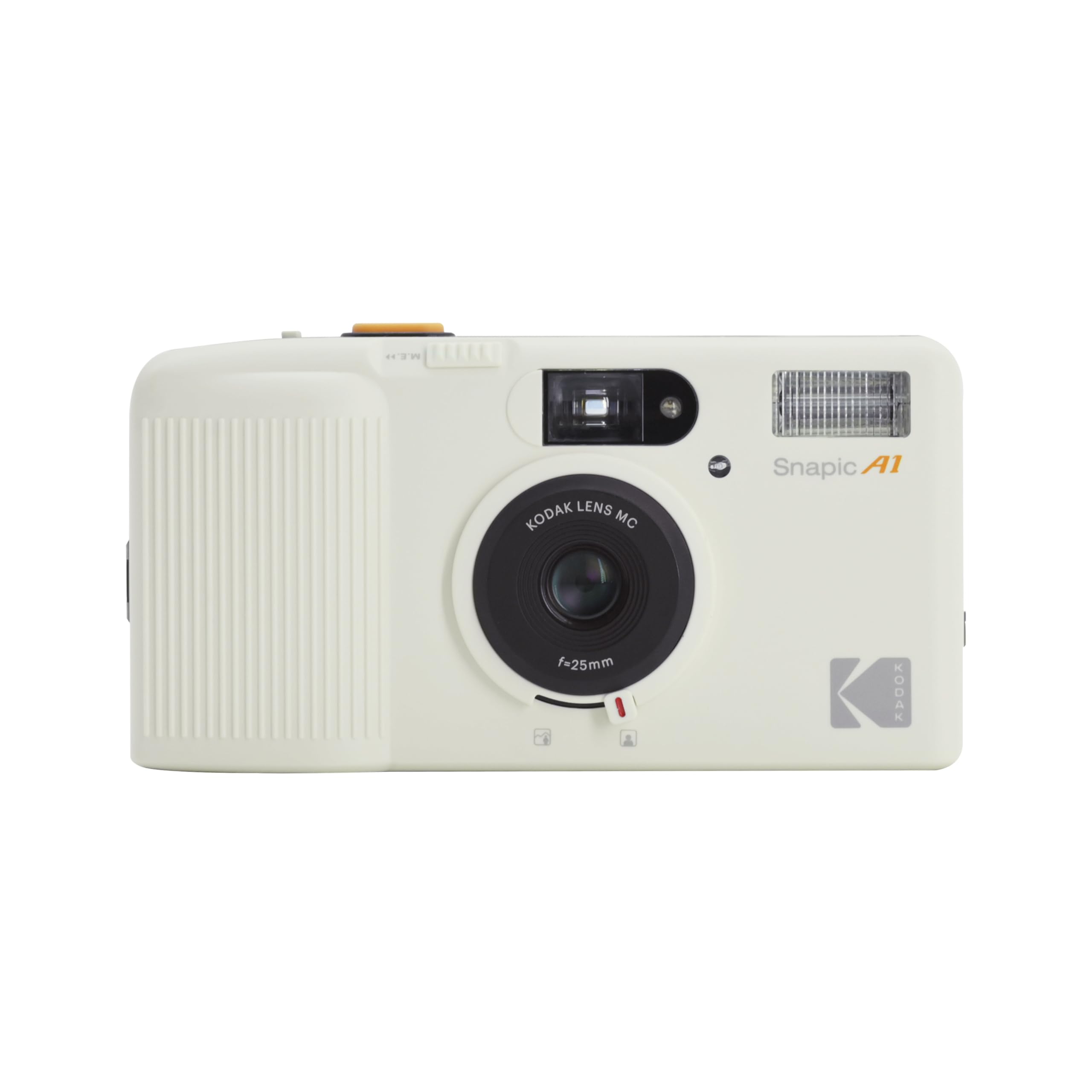
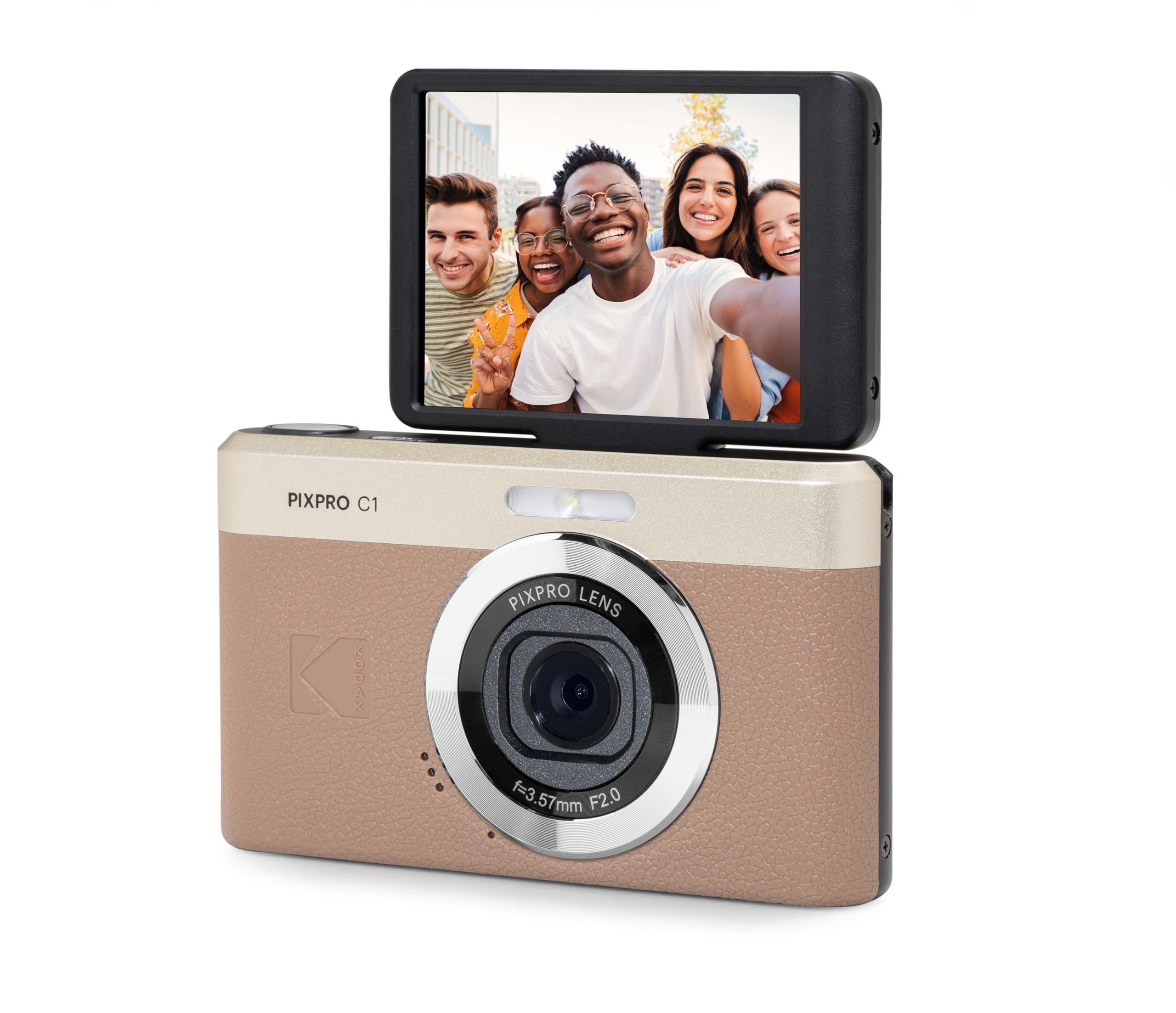


Spending Levels That Fit Different Buyers
Think of spending levels as starting points, not verdicts on quality. A modest camera in skilled hands often beats an expensive camera that never leaves its bag, while a generous budget mainly buys speed, durability, and flexibility. Use the levels below to match your budget to your patience for learning controls and your tolerance for carrying gear.
A Sensible Starting Level
A sensible starting level suits new photographers, casual shooters, and anyone testing whether the vintage style is a lasting interest. Expect a compact body or a simple interchangeable lens camera, automatic modes that handle most scenes, and color profiles that warm tones without much editing. You give up some low light range and lens choice, but you gain a camera that is easy to carry and quick to learn. This level works best for daylight, well lit rooms, and relaxed outings.
A Comfortable Middle Level
A comfortable middle level suits regular shooters who want more control without a professional sized kit. Expect a larger sensor, faster and more reliable focus, better low light files, and a wider choice of lenses. Manual controls become easier to reach, and color options grow richer, which helps when you want a consistent look across a whole set of photos. This level is a good home for portrait sessions, weekend markets, and travel journals where light changes often.
A Generous Upper Level
A generous upper level suits dedicated hobbyists and working creators who shoot often and need dependable performance. Expect the cleanest high ISO files, the fastest focus tracking, tougher weather sealed bodies, and access to premium lenses with distinctive rendering. You also pay for speed and stamina, such as longer battery life and dual card slots, which matter on long shoots. This level is worth it when photography is a regular habit, not when you shoot only a few times a year.
What Your Money Gets You at Each Price Tier
Price tiers are easier to judge when you know what typically changes at each step. The list below focuses on practical gains, such as cleaner evening shots and quicker focus, rather than headline numbers that rarely change a photo. Keep your own shooting mix in mind, since a feature that transforms portraits may matter little for landscapes.
Starting Level: What to Expect
At a starting level, expect solid daylight quality, simple menus, and a kit lens that covers everyday scenes. Low light shots will show more grain, and focus may hunt in dim rooms, but careful technique still yields warm, pleasing images. Bodies tend to be light and plastic, which keeps them portable, though they feel less rugged than pricier models. For a first taste of the vintage look, this level is often all you need.
Middle Level: Where Most Buyers Land
At a middle level, expect a clear step up in sensor size, focus reliability, and lens choice. Evening and indoor shots stay cleaner, portraits gain softer backgrounds, and manual controls sit where your fingers can find them. You also gain better screens, stronger stabilization, and more color profiles to shape the classic look in camera. Most buyers who shoot weekly find this level the best balance of cost, quality, and weight.
Upper Level: Extras That Earn Their Keep
At an upper level, expect the best low light files, the fastest subject tracking, and bodies built for rain, dust, and long days. Premium lenses add smoother backgrounds and a more distinctive rendering, while extra controls speed up changing settings mid shoot. These gains matter most for paid work, fast moving subjects, and harsh conditions. For relaxed shooting, the jump from the middle level is real but smaller than the jump from the starting level.
Features Worth Paying For (and Ones to Skip)
Not every upgrade earns its price. The features below are ranked by how much they change vintage style photos in everyday use, and each note says where the feature usually appears. Use this section to protect your budget from extras that sound impressive but rarely affect your pictures.
Ease of Use for Your Skill Level
Ease of use is worth paying for at every level, because a camera you understand gets used more. Look for clear menus, a responsive touch screen, and automatic modes that still let you adjust exposure compensation. App transfer that moves full size files quickly is also valuable, since it shortens the path from shooting to sharing. Skip complex custom button systems until you know which controls you actually reach for, since unused shortcuts add cost without benefit.
Battery Life and Charging
Battery life is worth paying for when you shoot long days, travel, or film video alongside stills. A camera rated for several hundred shots per charge, with charging over a standard USB connection, keeps you shooting without a bag full of spares. Spare batteries are cheap insurance at any level, so do not let a modest battery rating alone kill an otherwise good choice. Skip proprietary chargers that force you to carry a separate dock when a common cable would do.
Features That Matter for Vintage Photos
For vintage photos, film style color profiles, gentle contrast control, and a lens with smooth background rendering matter more than raw speed. Warm tone options, adjustable grain, and manual white balance let you steer the classic look instead of fixing it later. A lens that stays soft and pleasing at wide apertures adds character that editing alone struggles to copy. Skip extreme zoom ranges and headline video specs if your main goal is still photos, since they add cost without changing the look you want.
Size, Weight, and Ergonomics
Size and ergonomics are worth paying attention to at every level, because comfort decides whether the camera travels with you. A deep grip, a well placed shutter button, and a body that balances with your chosen lens reduce fatigue on long walks. Compact models suit travel and daily carry, while larger bodies suit long portrait sessions with heavier lenses. Skip the smallest body if its controls feel cramped, since a camera that fights your hands rarely produces your best work.
Sensor Size and Image Quality
Sensor size is worth paying for when you shoot often in dim light or want strong background blur. A one inch sensor suits pocket cameras, an APS C sensor suits most enthusiasts, and a full frame sensor suits those who want the most control. Pixel count matters less than lens quality and color handling, so do not pay a premium for resolution you will never print. Skip the largest sensor if its lenses push the kit beyond the weight you will happily carry.
Long Term Costs to Factor In
The body price is only the start of ownership. Budget for a spare battery, memory cards, a protective bag, and lens cleaning supplies, and remember that extra lenses, filters, and a tripod add up over time. Check warranty length and repair options before you buy, since a short warranty can turn a small fault into a costly replacement. Add up the first year of accessories alongside the body price, and compare that total across levels rather than comparing body prices alone.
Frequently Asked Questions
What features matter most in cameras for vintage photos?
Color profiles, lens rendering, and low light ability matter most for the vintage look. A camera that offers warm film style tones, gentle contrast, and a lens with smooth backgrounds will get you closer to the style than a faster processor alone. Manual white balance and exposure control also help, since they let you hold a consistent look across a set. Choose the camera whose unedited color you like best, and treat extra speed as a bonus.
How much should I spend on my first one?
A first camera for vintage photos often costs about $300 to $800, with compact models at the lower end and interchangeable lens cameras toward the upper end. That range buys capable color, decent low light ability, and room to learn. Hold back part of your budget for a spare battery, a memory card, and a bag, since those items make daily shooting far easier. Move up a level only when a specific limit, such as dim light noise, keeps spoiling your shots.
Which is better for low light?
A larger sensor with a wide aperture lens is usually better for low light, because it collects more light and keeps grain lower. Stabilization helps for still subjects by allowing slower shutter speeds, but it cannot freeze moving people. When you compare cameras, study indoor sample images at the settings you expect to use, and pay attention to color as well as noise. A camera that keeps warm, natural tones at high ISO values will serve vintage style shooting better than one that merely stays sharp.
What specs matter most for beginners?
Beginners gain most from a versatile zoom, dependable autofocus, a comfortable grip, and clear menus. Sensor size matters too, but it should not outweigh handling, since a camera that feels good gets used more. Battery life and a bright, readable screen also deserve weight, especially for outdoor shooting. Leave advanced video specs and extreme burst rates for later, and spend your attention on the controls you will touch on every outing.
Is a smartphone enough instead?
A smartphone covers casual vintage style snapshots well, especially in good light, and its editing apps mimic film tones convincingly. A dedicated camera pulls ahead for optical zoom, larger sensors in dim rooms, and lenses with a distinct character. If you print photos, shoot often at dusk, or enjoy manual control, a camera is worth the step up. If your photos live mostly on a phone screen, a phone plus a good editing app may already satisfy you.
Is a film camera better than a digital one for vintage photos?
Neither is better for everyone. Film gives the truest grain and a slower, more deliberate habit, but every frame costs money for film and processing, and you wait to see results. A digital camera with film style color profiles answers instantly and costs nothing per shot, though the look can feel uniform across an album. Choose film if the wait is part of the fun, and digital if you share photos the same day.
The Bottom Line
Match the spending level to how often you shoot and how much control you want, rather than chasing the highest tier by default. A starting camera serves daylight and casual shooting well, a middle camera covers most enthusiasts, and an upper camera rewards frequent, demanding use. Before you pay, revisit the product table above, add up first year accessories, and pick the kit you will carry happily. Best cameras for vintage photos should make shooting feel easy, so let comfort and color lead the decision.
Related reading includes our guide to best vintage cameras for older style bodies and our guide to best photo cameras for general stills help. If instant prints appeal to you, see our guide to best instant photo cameras, and for the broader market, our guide to best digital cameras compares many digital types.


