
Best Cameras for Student Filmmakers in 2026: Which Type Is Right for You?
Disclosure: We may earn a commission when you buy through links on this page, at no extra cost to you. As an Amazon Associate I earn from qualifying purchases. Learn more

Compare camera types for a student filmmaker, from compacts to mirrorless, and learn which sensor, lens and audio features fit your classes and budget.
Choosing a camera while you study film can feel confusing, because every type promises clean footage and simple controls. The best cameras for student filmmakers are not always the most expensive ones. They are the cameras that fit your assignments, your crew size, and the money left for lenses, cards, and sound gear. This guide compares types instead of naming models, so you can match a camera to the way your program actually shoots.
Start with the projects on your syllabus, such as dialogue scenes, documentaries, or solo work between classes. Then use the comparison table below to see how each type trades size, control, and total cost.





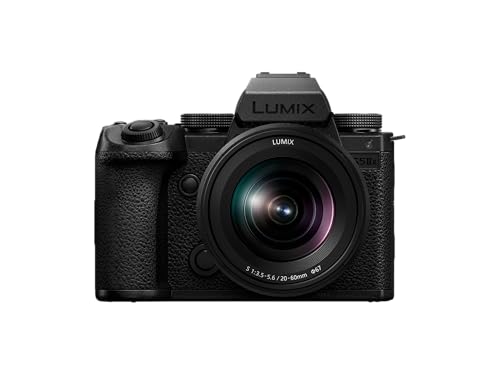
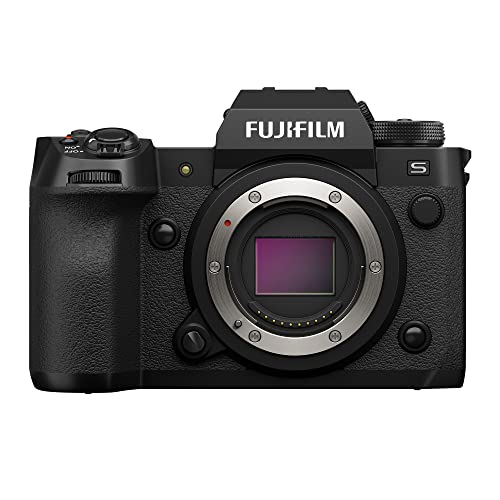
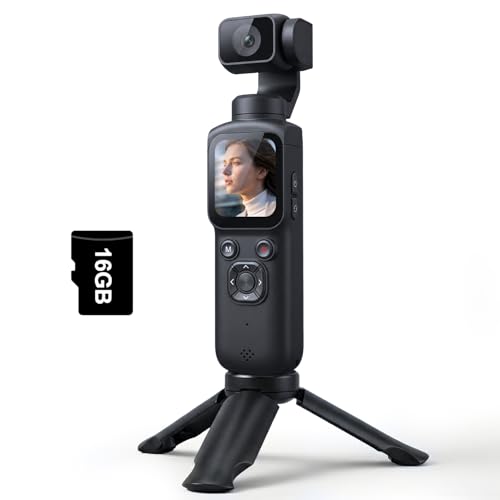

Types of Cameras Compared for Student Filmmakers
Camera types differ most in how much control they give you over the lens, the sound, and the look of the image. The four groups below cover what students meet most often.
Pocket Compacts With a Fixed Lens
A point and shoot compact has a fixed objective lens, a small sensor, and controls that favor speed over deep manual adjustment. You can carry one in a jacket pocket, start recording in seconds, and practice framing every day without a bag of extra parts. The limits show up in dim rooms, where the small sensor adds noise, and in dialogue scenes, because many compacts lack a microphone input.
Compact Video Bodies Built for Solo Recording
Vlogging cameras are small video focused bodies with a screen that turns toward you, strong face tracking autofocus, and a built in microphone tuned for a voice close to the camera. They suit solo students who record interviews, campus stories, or journals with no separate operator. Most accept an external microphone, which improves dialogue a great deal. Their lenses are often fixed or limited in zoom, and small bodies can warm up during long takes.
Mirrorless Cameras and Swappable Lenses
A mirrorless camera lets you change lenses, set exposure by hand, and record 4K video with a larger sensor than a compact offers. Many film programs build their teaching around this type, and our guide to the best cameras for beginner filmmakers is a useful next read once you know your lens mount. The trade off is cost, because the body is only the start.
Camcorders and Compact Cinema Cameras
Camcorders and compact cinema cameras are built for long, steady recording rather than still photos. They often include a zoom lens with smooth power zoom, strong image stabilization, and audio controls an operator can reach during a take. Cinema versions add crew features such as timecode and monitor outputs. These bodies suit school events, stage shows, and documentary days where you cannot stop to swap lenses.
Point and Shoot Compacts vs Vlogging Cameras: Which Should You Choose?
Both types are small and friendly for a new student, so the choice rests on how you shoot. A compact wins on pocket size and simple stills, while a vlogging camera wins on the turning screen, face and eye autofocus, and clearer voice recording when you speak to the lens. For solo pieces to camera, choose the vlogging type. For quiet observation and daily framing practice, choose the compact and spend the savings on a card and a small tripod.
How to Choose the Right Camera for Film School
Work through the factors below using your course list as the test for each one. The best cameras for student filmmakers in one program may fit another poorly, because one school grades manual exposure while another grades fast documentary turnaround. If you are weighing a general degree camera instead, see our guide to the best cameras for students.
How Sensor Size Shapes Student Film Image Quality
Sensor size shapes how a camera handles dim classrooms, evening exteriors, and background blur. A 1 inch sensor in a compact is a step above a phone and works well in daylight. APS C and full frame sensors gather more light, so faces stay cleaner at higher sensitivity settings and backgrounds soften more easily for interviews. More megapixels matter less for video, since 4K video uses only part of the sensor resolution. If your course shoots night scenes, put sensor size near the top of your list.
Autofocus That Follows Actors and Steadier Handheld Video
Reliable autofocus decides whether a moving actor stays sharp while you concentrate on framing and performance. Look for face and eye tracking that holds a subject as they turn. Image stabilization steadies handheld walking shots, which helps a solo student with no gimbal. It cannot fix a rushed movement, so slow your pans down as well.
Lens Choice and Zoom Range
The lens decides your field of view, your low light reach, and how close you can frame a subject in a small dorm room. A fast prime lens with a wide aperture gathers light and teaches you to move your feet, while a zoom lens covers group shots and close ups without a swap mid scene. Check which mount a camera uses and what your school or rental shop stocks for it, because borrowed glass can transform a modest body.
Audio Inputs and Monitoring
Dialogue carries most student films, and audiences forgive a soft image sooner than muddy speech. A microphone input lets you place a microphone near your actor instead of recording from across the room. A headphone socket matters just as much, because you can hear wind, hum, and clipping while there is still time to fix them. If interviews and short dramas dominate your syllabus, treat both sockets as required.
Size and Weight for a Camera You Carry All Day
You will carry this camera between classes and around sets where space is tight, so weight is a creative factor, not a comfort extra. A light body with a clear grip encourages daily practice and longer handheld takes without tired arms. A weatherproof sealed body helps in light rain, though a simple rain cover protects most cameras for short outdoor scenes.
Controls That Help You Learn While Filming
Good student cameras teach as they record. Manual control over shutter, aperture, and sensitivity matters because many instructors grade those choices, and auto modes alone will not build that judgment. Students who also shoot stills for coursework may want to see our guide to the best cameras for photography students before settling on one body for both jobs.
Common Mistakes to Avoid
- Spending your whole budget on the body leaves nothing for lenses, cards, and a microphone, so your dialogue sounds distant and thin.
- Ignoring recording time limits and heat warnings means a camera may stop in the middle of a long interview take.
- Buying a lens mount your school and rental shops do not stock locks you out of borrowed lenses for project weekends.
- Filming everything handheld without stabilization practice gives you shaky footage that editing cannot fully repair later.
- Forgetting card speed ratings leads to refused recordings when you switch to the highest 4K video settings.
- Skipping a headphone check on set means wind noise is only discovered at midnight in the editing room.
Care and Maintenance for a Student Camera
Clean the lens with a soft lens cloth rather than your shirt, because grit in fabric can scratch the coating. Carry a spare battery and a spare card, since student shoots often run past the planned hour. Store the camera in a dry, padded bag, and back up cards the same night before you format them in the camera. For a wider look beyond film school, see our guide to the best digital cameras.
Questions Student Filmmakers Ask Most
What features matter most in cameras for student filmmakers on a tight budget?
A microphone input, a headphone socket, and dependable video autofocus matter most, because they protect dialogue and focus on every project. After those, choose the largest sensor your budget allows once lenses and cards are counted. A camera that shares batteries with bodies your school owns can save real money, because chargers and spares already sit in the kit room.
Which camera type is better for low light scenes in student films?
A mirrorless camera with an APS C or full frame sensor is better for low light scenes, because its larger sensor gathers more light and keeps shadow detail cleaner. Pair it with a lens that opens to a wide aperture for the strongest result. A small portable light often improves a night interior more than the next camera tier.
How much should a student filmmaker spend on a first camera?
Plan on about $300 to $800 for a compact or vlogging body, and about $800 to $1,500 for a mirrorless body with a starter lens. Keep roughly a third of your total aside for cards, batteries, a bag, and a microphone. A capable used body from a reputable seller is common among students, and it can free money for the sound gear your grades quietly depend on.
Is a smartphone enough instead of a camera for film school projects?
A smartphone is enough for practice, framing exercises, and some documentary courses, and its small size helps you shoot daily. It becomes limiting when instructors require manual exposure settings, interchangeable lenses, or separate monitored audio. Many students start on a phone for the first term, then buy once they know their program rules.
What should a student filmmaker check before a first shoot day?
Check that every battery is charged, every card is formatted in the camera, and your recording format matches what your editing room expects. Record a short test with dialogue and play it back through headphones to confirm levels and focus. This routine prevents most lost takes and builds the set habits instructors notice on larger productions.
Wrapping Up
Match the camera type to your projects first, then weigh sensor size, lens options, and audio sockets before you compare prices. Compacts and vlogging cameras reward daily practice, while mirrorless and cinema types reward patience and a growing kit. The best cameras for student filmmakers are the ones you can afford as a complete kit and carry to every shoot. Look back at the product table above and check which type your school supports best before you buy.


