
Best Cameras for Photography Students: A Buyer Checklist for 2026
Disclosure: We may earn a commission when you buy through links on this page, at no extra cost to you. As an Amazon Associate I earn from qualifying purchases. Learn more

See how to choose the best cameras for photography students with a clear checklist on sensors, lenses, manual controls, size, and student budgets.
A photography course asks more of a camera than casual snapshots ever will. You need full manual control, files you can edit, and a body you can carry to class every day. The best cameras for photography students meet those demands without draining a student budget, and this guide turns them into a simple checklist for any model.
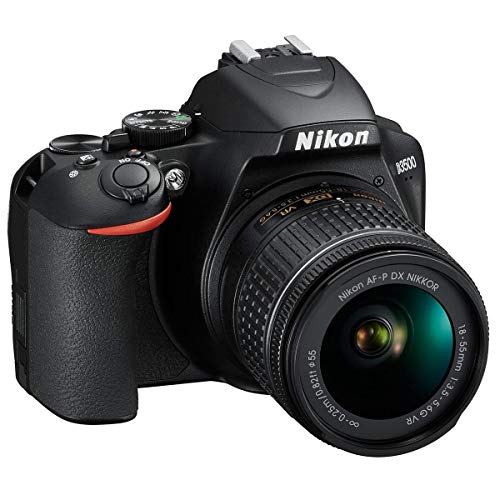
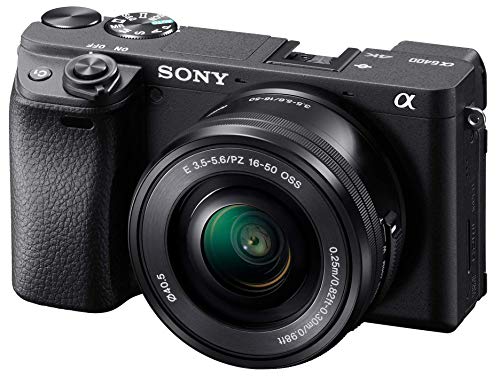
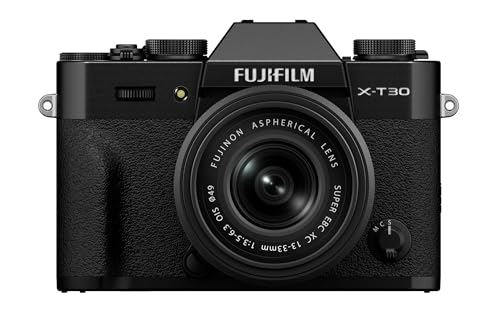
Work through the criteria below before you look at prices. As you compare options in the comparison table below, mark each camera against the same points so your short list stays focused on learning.







Key Features to Compare: A Student Checklist
Use this section as a score sheet while you shop. A camera does not need to win every category, but it should pass the basics for controls, sensor, and lens choice first.
What Students Should Look For
Start with your course syllabus, because it sets the real requirements. Many instructors require manual exposure control, RAW file capture, and a hot shoe for studio work. A camera that hides those controls deep in menus will slow every assignment.
Size matters just as much, because you will carry this camera across campus and through long studio sessions. A comfortable grip and simple menus beat extra features you rarely open. If you are comparing general student gear, see our guide to the best cameras for students for broader campus use cases.
Features That Matter for Photography
Photography coursework is built around the exposure triangle, so the camera must give you direct control of aperture, shutter speed, and ISO. Two control dials help a lot, because you can change settings without taking your eye from the scene.
Fast autofocus matters for moving subjects, while manual focus with focus peaking helps for studio work. Image stabilization steadies handheld shots in dim rooms, and 4K video is a bonus only if your program includes video. For a wider look, see our guide to the best cameras for photography.
Sensor Size and Image Quality
Sensor size shapes image quality more than megapixel count does. A 1 inch sensor in a compact gives you clean images in good light. APS C sensors, common in student mirrorless and DSLR bodies, gather more light, handle high ISO with less noise, and give shallower depth of field for portraits.
Full frame sensors gather the most light, but bodies and lenses cost more and weigh more. For most students, 20 to 26 megapixels is plenty for large prints and cropping. More megapixels mainly mean bigger files.
Lens and Zoom Range
The lens decides what subjects you can reach. A standard kit zoom covering about 18 to 55 mm on an APS C body handles portraits, street scenes, and campus life well for a first term. Check the maximum aperture too, because f2.8 lets in more light and blurs backgrounds more than a slower f5.6 zoom.
On compacts, judge optical zoom rather than digital zoom, because optical zoom uses the objective lens itself and keeps detail sharp, while digital zoom only crops the image. If you plan to grow, choose a system with affordable prime lenses for later.
Durability and Weather Sealing
Student cameras live hard lives in backpacks and at outdoor shoots in poor weather. Look for solid build quality, a metal lens mount, and weather sealing around the dials and battery door if you shoot outside often. A weatherproof body only helps when the lens is also sealed, so check both.
Sealed bodies resist light rain and dust, but no camera in this class is meant for heavy downpours. A simple rain cover costs little, so add one to your kit.
Size, Weight, and Ergonomics
A camera you leave at home earns no grades, so weight deserves a place on your checklist. Compact mirrorless bodies with a small kit lens often weigh under 600 grams ready to shoot, while larger DSLR kits can pass a kilogram. Think about your bag and how long your practical sessions last.
Ergonomics go beyond weight. The grip should suit your hand, and the viewfinder magnification should give you a clear view of the whole frame. Tilting screens help with low and high angles.
Buying Guidance Beyond the Basic Checklist
Once a camera passes the checklist in the product table above, a few ownership costs and course fit questions separate a smart buy from a short lived one. The search for the best cameras for photography students does not end at the spec sheet, so work through these points before you spend.
Manual Controls and Course Requirements
Confirm the controls your instructor expects on day one. Most programs want a full manual mode, aperture priority and shutter priority modes, and manual focus override. Casual models sometimes limit ISO or shutter speed choices in manual mode, and those limits show up when an assignment gets specific.
Ask whether your course shoots tethered to a computer, because not every body supports tethered capture. Also check flash support, since a standard hot shoe lets you borrow school strobes.
Total System Cost, Not Just the Body Price
The body is only the first purchase. Budget for two memory cards, a spare battery, a padded bag, and a basic tripod, because most courses require all of them. Lenses add the biggest long term cost, so compare lens prices inside each system before you choose a brand.
Many students spend about $400 to $800 on a first body and kit lens, then grow the kit slowly. An older body in a system with plentiful cheap lenses often serves you better than a newer body in a costly system.
New, Used, and Point and Shoot Options
Buying used from a reputable dealer with a warranty is a sound student strategy, because cameras hold up well. Inspect any used body for sensor dust and sticky dials, and confirm the charger is included. If you are still deciding where to start, see our guide to the best beginning photography cameras.
Point and shoot compacts still suit students in survey courses that prize portability. A compact with full manual control and RAW capture can pass many checklists, while one with automatic control only rarely satisfies an instructor.
Quick Buyer Checklist
Answer these questions for any camera on your short list. A no on the first three usually means you should keep looking.
- Does it offer full manual control of aperture, shutter speed, and ISO?
- Does it record RAW files your editing software can open?
- Can you change lenses, or does its fixed zoom cover your course subjects?
- Does the total kit cost, with cards, battery, and bag, fit your budget?
- Is it light enough to carry to class and on field trips all day?
- Does it have a hot shoe and a tripod socket for studio work?
- Are spare batteries and common lenses easy to find for this system?
- Does the screen or viewfinder let you judge focus with confidence?
Red Flags to Watch For
Some listings look generous and disappoint in class. Watch for these warning signs as you compare.
- The spec sheet shouts about digital zoom and megapixels but never mentions manual modes or RAW capture, which usually means the camera is built for snapshots only.
- The seller uses vague terms such as professional quality without naming the sensor size or lens mount, so you cannot verify what you are buying.
- The price sits far below every other seller for the same model, a pattern that can point to gray market stock with no local warranty.
- The kit bundles cheap extras such as flimsy tripods while the camera itself has a tiny sensor and a slow lens.
- The system has very few lenses available, which limits your growth once your course moves past the kit zoom.
Choosing Cameras for Your Situation
Your course list and your subjects should steer the final choice. A fine art student shooting studio still life needs different strengths than a journalism student covering campus sports.
Studio focused students should value tethered shooting and reliable flash sync. Street students should value small size and fast autofocus. If your program mixes stills with video, add a microphone input to your list. For a gentler on ramp, see our guide to the best cameras for starter photography.
Best 35mm Cameras for Photography Students: What to Check
Some courses still teach on film, and the best 35mm cameras for photography students share a few traits. Look for a working light meter, clear manual controls, and affordable lenses in its mount. Confirm the film door latch is sound, since light leaks ruin rolls and grades alike.
Film and processing costs add up across a term, so factor them into your budget. Many students pair a film body for class with a digital body for practice. To compare formats in depth, see our guide to the best film photography cameras.
How to Make Your Camera Last Longer
Clean the lens with a proper lens cloth, never your shirt, because shirt fabric traps grit that can scratch the coating. Blow dust off the front element with a hand blower first, then wipe gently from the center outward.
Carry a spare battery and rotate your batteries so neither sits empty for months, and store the camera in a dry padded bag. If you change lenses outdoors, point the body opening down to keep dust off the sensor. Have the sensor cleaned by a service shop if spots keep showing at small apertures.
Frequently Asked Questions
What makes a camera for photography students different from a general camera?
A student camera differs mainly in control and course fit. It must offer full manual exposure, RAW files, and standard mounts for tripods and flashes, because assignments test those exact skills. General cameras often hide settings behind automatic scenes. Clear dials also help grading, since instructors can see and check the settings you chose.
What features matter most in a camera for photography coursework?
Manual controls, RAW capture, and a decent lens matter most for coursework. These three decide whether you can complete assignments as written and edit your files fully later. Autofocus speed and video tools rarely decide a grade. One extra check is bulb mode, because long exposure units for night work need it.
How much should a photography student spend on a first camera?
Most students should plan on about $400 to $800 for a first body with a kit lens. That range buys manual control, a solid sensor, and room to grow inside a lens system. Spending more mainly adds speed and low light comfort. Many schools also lend specialty lenses for single assignments, which can stretch a tight budget further.
Which sensor size is best for a photography student who shoots in low light?
An APS C or full frame sensor is best for low light student work. Larger sensors keep noise lower at high ISO settings, so images from evening events and dim studios stay cleaner. A fast prime lens helps even more, since an f1.8 aperture gains light that no setting on a small sensor compact can match.
Is a smartphone enough for a photography class instead of a camera?
A smartphone is rarely enough for a full photography class. Phones limit manual control, apply heavy automatic processing, and lack interchangeable lenses and a standard hot shoe, which most syllabi require. Phones still work well for scouting locations and visual diary homework, so keep one as a backup tool rather than your main camera.
What camera specs matter most for beginner photography students?
Sensor size, manual modes, and lens choice matter most for beginners. Those specs decide image quality and whether the camera can teach the exposure triangle properly. Ignore headline megapixels and digital zoom claims. One extra spec worth checking is viewfinder resolution on mirrorless bodies, because a coarse viewfinder makes manual focus practice harder.
Final Thoughts
Return to the core of the checklist as you decide: direct manual control, a sensor sized for your light, and a lens system you can afford to grow. Match those three against the product table above and pick the body you will happily carry every day. Chosen that way, the best cameras for photography students become tools that support your learning for the whole program.


