
Best Cameras for Vintage Looking Photos for 2026: Which One Fits the Way You Use It?
Disclosure: We may earn a commission when you buy through links on this page, at no extra cost to you. As an Amazon Associate I earn from qualifying purchases. Learn more

Compare camera types, color styles, lenses, and low light ability to find a camera that gives your photos a warm, classic, film like character.
There is no single camera that suits every person who wants an old fashioned look, because the right choice depends on what you photograph, how much control you want, and how much gear you are willing to carry. Best cameras for vintage looking photos come in several shapes, from small pocket models to larger cameras with interchangeable lenses, and each one handles color, grain, and light in a different way. The comparison table below gives you a quick side by side view before you read the details.
This guide starts with the way you shoot, not with a list of specifications. You will learn which camera types suit portraits, travel, creative work, and everyday memories, which features shape that classic look, and which mistakes waste money. Use it to narrow the field to one or two types, then compare prices and handling before you buy.


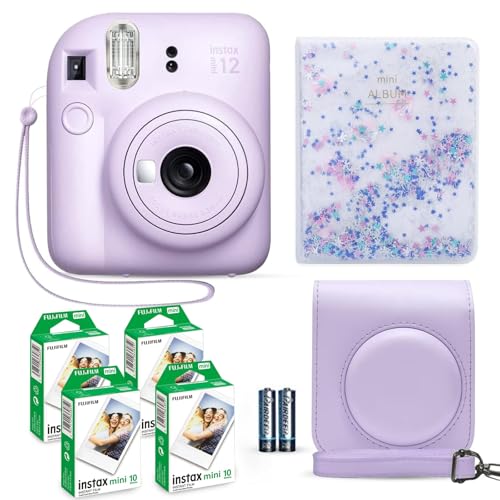
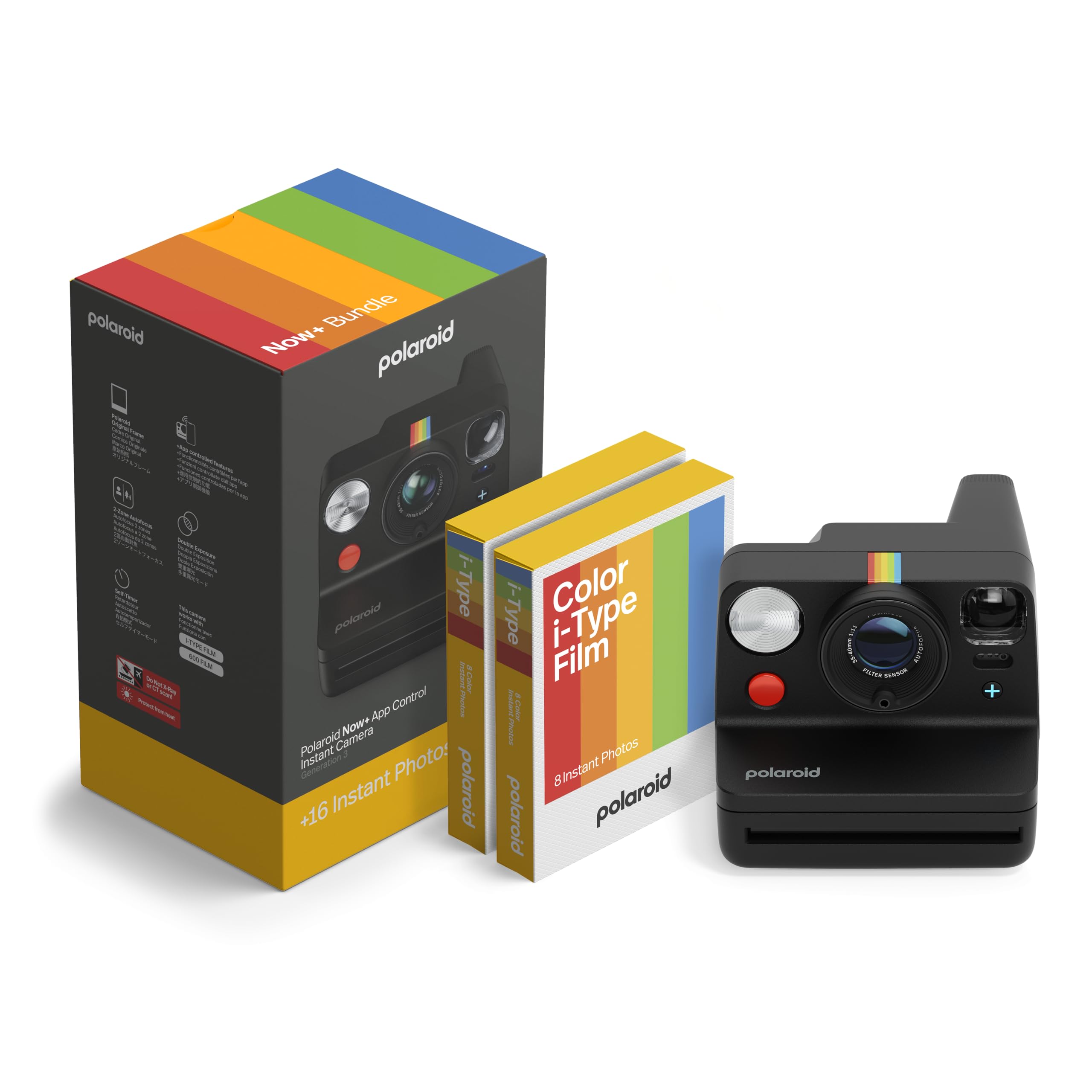

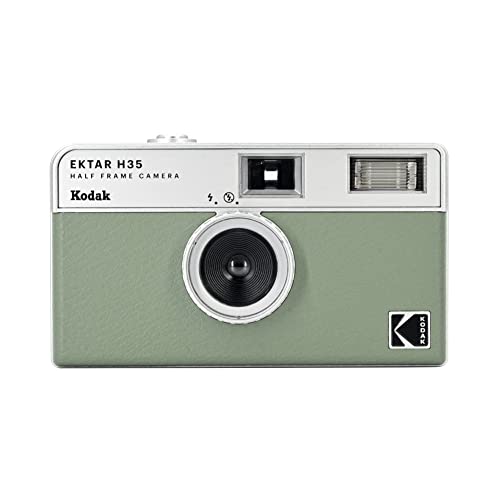
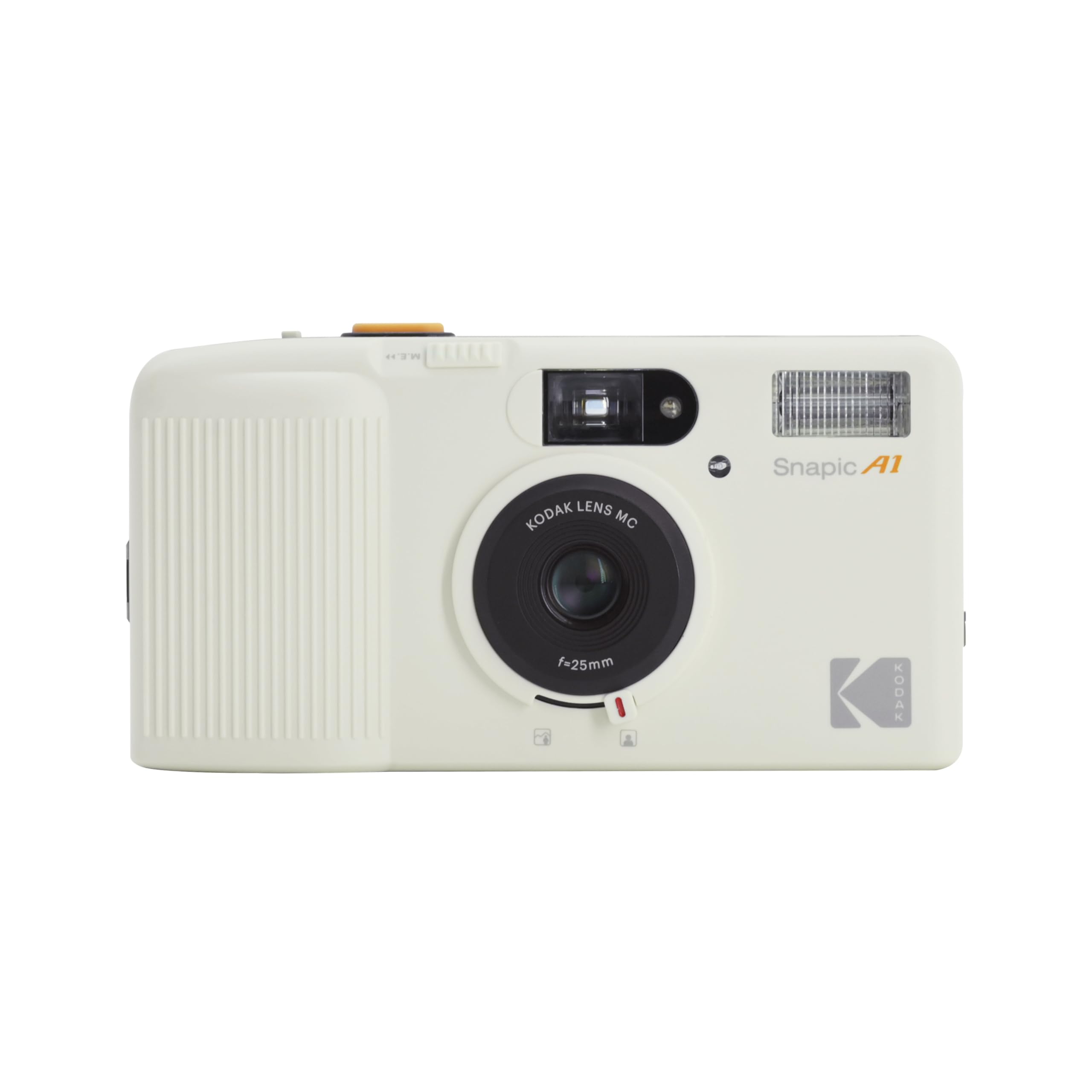
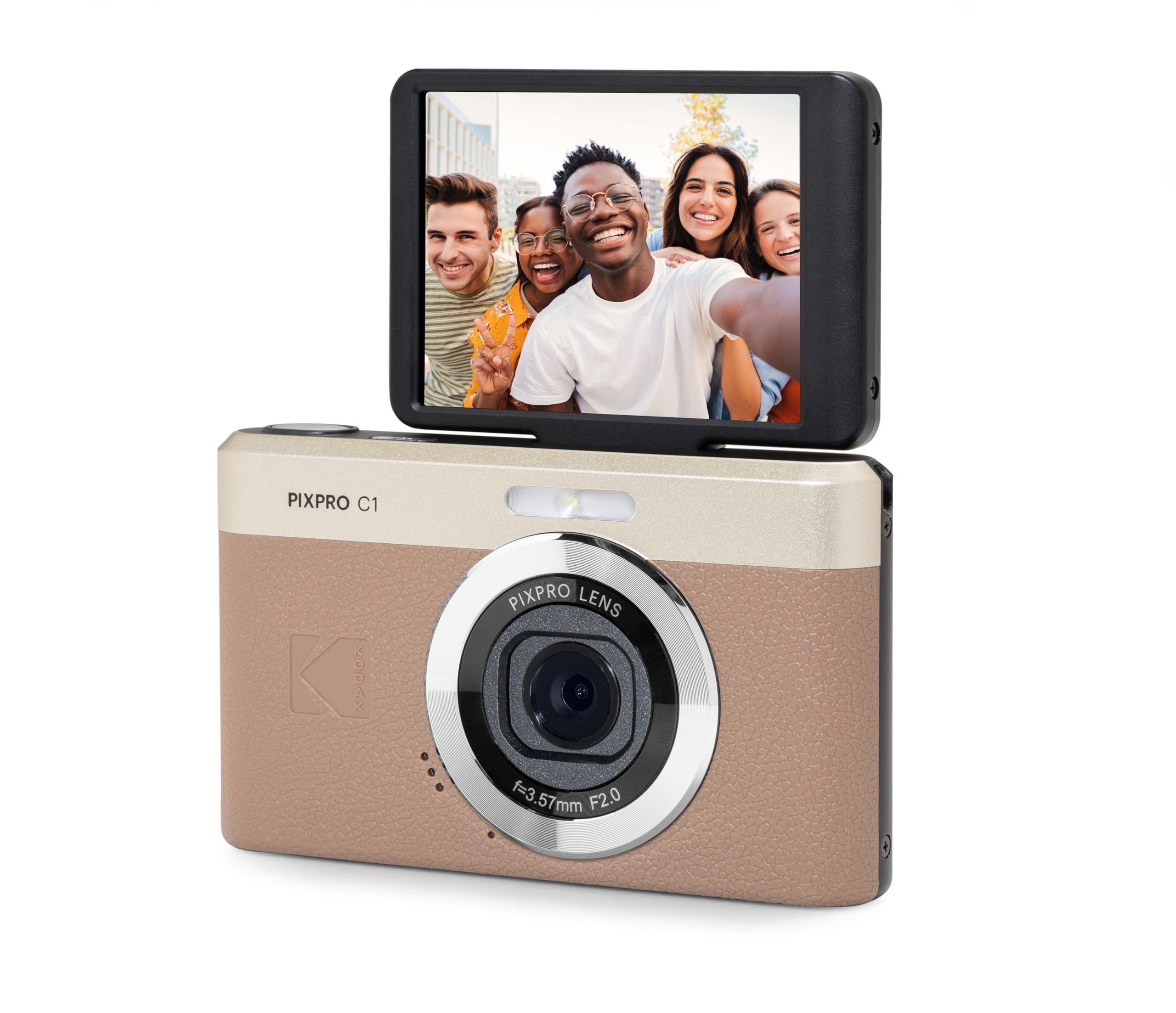

Who Should Buy Which Cameras?
Your shooting habits matter more than any single specification. A camera that feels right for slow, planned portraits can feel clumsy for fast street scenes, and a pocket model that is perfect for a day trip may frustrate a seller who needs close, detailed product shots. Match the camera to the job first, then worry about sensor size and extra features.
For Portrait and Family Shooters
Portrait and family shooters need pleasing skin tones, soft backgrounds, and reliable focus on faces. A camera with a larger sensor and a short telephoto lens makes it easier to separate a subject from a busy background, while gentle color profiles keep skin from looking harsh or overly orange. Look for face and eye detection that stays locked on during movement, because children rarely sit still, and check that the camera handles indoor light without turning every room yellow. A tilting screen also helps when you shoot from a low angle or hold the camera above a crowd.
For Travel and Street Shooters
Travel and street shooters need a camera that disappears into a jacket pocket or a small bag and starts quickly when a scene appears. Light weight, quiet operation, and a zoom range that covers wide streets and distant details matter more than extreme resolution. A camera with good stabilization helps when you shoot while walking, and a simple control layout lets you change exposure without looking down at menus. Weather sealing is a bonus for rain and dust, but a padded case and a wrist strap often give everyday protection at a lower cost.
For Creators and Small Sellers
Creators and small sellers need accurate color, dependable close focus, and files that hold up after editing. If you photograph crafts, clothing, or food for a shop page, look for a camera that renders warm tones faithfully and lets you set white balance by hand, since automatic settings can shift color from one shot to the next. A flip screen helps when you film yourself, and a microphone input improves spoken introductions. Check that the camera transfers files easily to a phone or computer, because a slow workflow can eat more time than any shooting session.
For Everyday Memory Keepers
Everyday memory keepers want a camera that is always nearby and simple to use. Automatic modes, fast startup, and a lens that covers family gatherings, gardens, and holidays will serve you better than a complex system you leave at home. A camera with a built in flash that can be softened or turned off gives you more control indoors, and a long battery life means fewer missed moments. If you print photos, look for a camera that produces clean prints at the size you normally use, rather than chasing the highest pixel count on the box.
Key Features to Compare
The features below shape the vintage look more than any marketing label. Some cameras build the classic style into the file itself, while others give you a clean file that you shape later in editing. Neither approach is wrong, but they suit different temperaments, so decide how much post processing you enjoy before you choose.
Low Light Performance
Low light performance decides whether evening rooms, cafes, and golden hour portraits keep their mood or turn muddy. A larger sensor gathers more light and keeps noise lower at higher ISO settings, which helps when you cannot use a flash. A lens with a wide maximum aperture also helps, because it lets in more light and softens backgrounds at the same time. When you compare cameras, look at sample images taken indoors rather than only at headline ISO numbers, and remember that steady hands and a short shutter delay matter as much as raw sensitivity.
Autofocus and Stabilization
Autofocus and stabilization decide how many of your shots come out sharp. Fast, confident focus matters for moving children, pets, and street scenes, while slower focus is fine for still life and landscapes. Image stabilization helps in dim rooms and at longer focal lengths, and it also smooths handheld video. If you shoot mostly still subjects in good light, you can save money here, but if you shoot people on the move, treat focus speed and tracking as core features rather than extras.
Features That Matter for Vintage Looking Photos
The vintage look comes from a mix of warm color, gentle contrast, soft highlights, and a touch of grain. Some cameras offer built in film style color profiles that shift tones toward warm reds and muted greens, while others let you adjust curves, saturation, and sharpness by hand. A lens with a classic rendering style, meaning smooth out of focus areas and slightly soft edges at wide apertures, adds character that no filter fully copies. Try sample images from each profile before you buy, and decide whether you want the look baked into every file or applied only when you choose it.
Sensor Size and Image Quality
Sensor size affects depth of field, low light ability, and the size of the camera body. A one inch sensor keeps a camera pocketable while still beating a phone in dim light, while an APS C sensor gives more background blur and cleaner high ISO files in a still portable body. A full frame sensor offers the most control over depth of field and the cleanest low light files, but it also means larger lenses and higher prices. Pixel count is only part of image quality, so weigh lens quality, color science, and handling alongside the number on the specification sheet.
Common Mistakes to Avoid When Buying Cameras
- Judging a camera by price alone, since the cheapest model may lack the lens or controls your style needs.
- Ignoring low light ability, which turns evening and indoor shots grainy even when daylight shots look fine.
- Buying a body that is too large to carry daily, so it stays home on the days you most want photos.
- Skipping the warranty and return terms, which matter when a lens or battery fails early.
- Assuming a vintage label guarantees a vintage look, when color profiles and lens choice matter far more.
How to Make Your Camera Last Longer
Simple care habits protect both the body and the lens. Use a lens cloth, not your shirt, to clean glass, since fabric can trap grit and scratch coatings over time. Carry a spare battery so you never force a dying battery through a long day, and store the camera in a dry, padded bag away from heat and damp.
Check lens caps, straps, and battery doors now and then, and keep firmware and companion apps updated so older accessories keep working. If you shoot near sand or sea spray, wipe the body with a dry cloth after the outing and let it air before you pack it away.
Frequently Asked Questions
What features matter most in cameras for vintage looking photos?
Color profiles, lens character, and low light ability matter most, because they shape warmth, grain, and mood. Look for film style color options, a lens that renders soft backgrounds, and a sensor that stays clean at higher ISO settings. Manual controls for white balance and exposure also help, since they let you steer the look instead of leaving every choice to automatic modes. Try sample images from each profile before you decide, and favor the camera whose straight out of camera color you already like.
What specs matter most for beginners?
Beginners should focus on sensor size, a versatile zoom range, reliable autofocus, and simple menus. A larger sensor helps in dim light, while a zoom that covers wide rooms and modest portraits avoids constant lens changes. Fast, dependable focus matters more than extreme resolution, because a sharp, well exposed file beats a huge blurry one. Battery life and a comfortable grip also deserve attention, since a camera that feels awkward rarely leaves the bag.
Is a smartphone enough instead?
A smartphone is enough for casual snapshots and quick sharing, and its computational tricks handle many scenes well. A dedicated camera still wins when you want optical zoom, a larger sensor for dim light, manual control over depth of field, or a lens with a distinct character. If you print large, shoot often in low light, or enjoy shaping color by hand, a camera earns its place. If you mostly post small images online, a phone may already meet your needs.
How much should I spend on my first one?
Most first time buyers do well with a budget in the range of about $300 to $800, depending on whether they choose a compact model or an interchangeable lens system. That range usually buys a capable sensor, decent low light ability, and room to learn manual controls. Spending less can still work for daylight snapshots, while spending more mainly buys larger sensors, faster focus, and tougher bodies. Reserve part of your budget for a spare battery, a memory card, and a protective bag.
Which is better for low light?
A larger sensor paired with a wide aperture lens is generally better for low light, because it gathers more light and keeps noise lower. Stabilization also helps by letting you use slower shutter speeds without blur, which is useful for still subjects. For moving subjects, a fast lens and a sensor that stays clean at high ISO settings matter more than stabilization alone. Compare indoor sample images at the ISO values you expect to use, rather than trusting headline numbers.
Do I need a special lens for a vintage look?
Not always. Color profiles and editing create much of the look, but a lens with soft edges and gentle contrast at wide apertures adds character no filter fully copies. A fast prime lens, such as a 35 mm at f1.8, is a popular and affordable choice because it also helps in low light. Try sample images from the lens before you buy, and decide whether you want the softness in every shot.
Our Verdict
Start with your shooting style, then let color profiles, low light ability, and handling narrow the choice. Portrait shooters gain most from pleasing color and reliable face focus, travelers gain most from size and speed, and creators gain most from accurate color and easy file transfer. Whatever type you pick, check the product table above once more, compare a couple of options side by side, and choose the camera you will actually carry. Best cameras for vintage looking photos reward the photographer who shoots often, so pick the one that invites you to keep shooting.
For a related classic look, see our guide to best vintage cameras for older style bodies, and our guide to best photo cameras for general stills advice. If you like prints straight from the camera, our guide to best instant photo cameras covers that style, while our guide to best digital cameras compares the wider digital field.


