
Best Cameras for Film Students by Budget: Smart Picks for 2026
Disclosure: We may earn a commission when you buy through links on this page, at no extra cost to you. As an Amazon Associate I earn from qualifying purchases. Learn more

Compare the best cameras for film students by budget, see what each price tier actually delivers, and learn which upgrades are worth paying for.
Camera prices for students run from a few hundred dollars to several thousand, and nearly every product page promises cinema quality results. The truth is that your classes will reward control, reliability, and sound far more than raw resolution. Choosing the best cameras for film students means matching the camera to your coursework, your lens options, and the money left over for audio gear and storage.
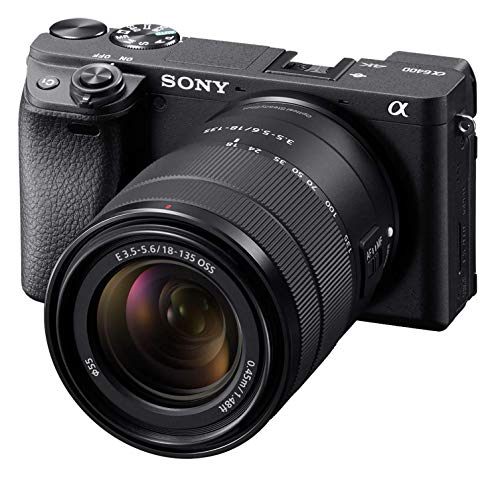
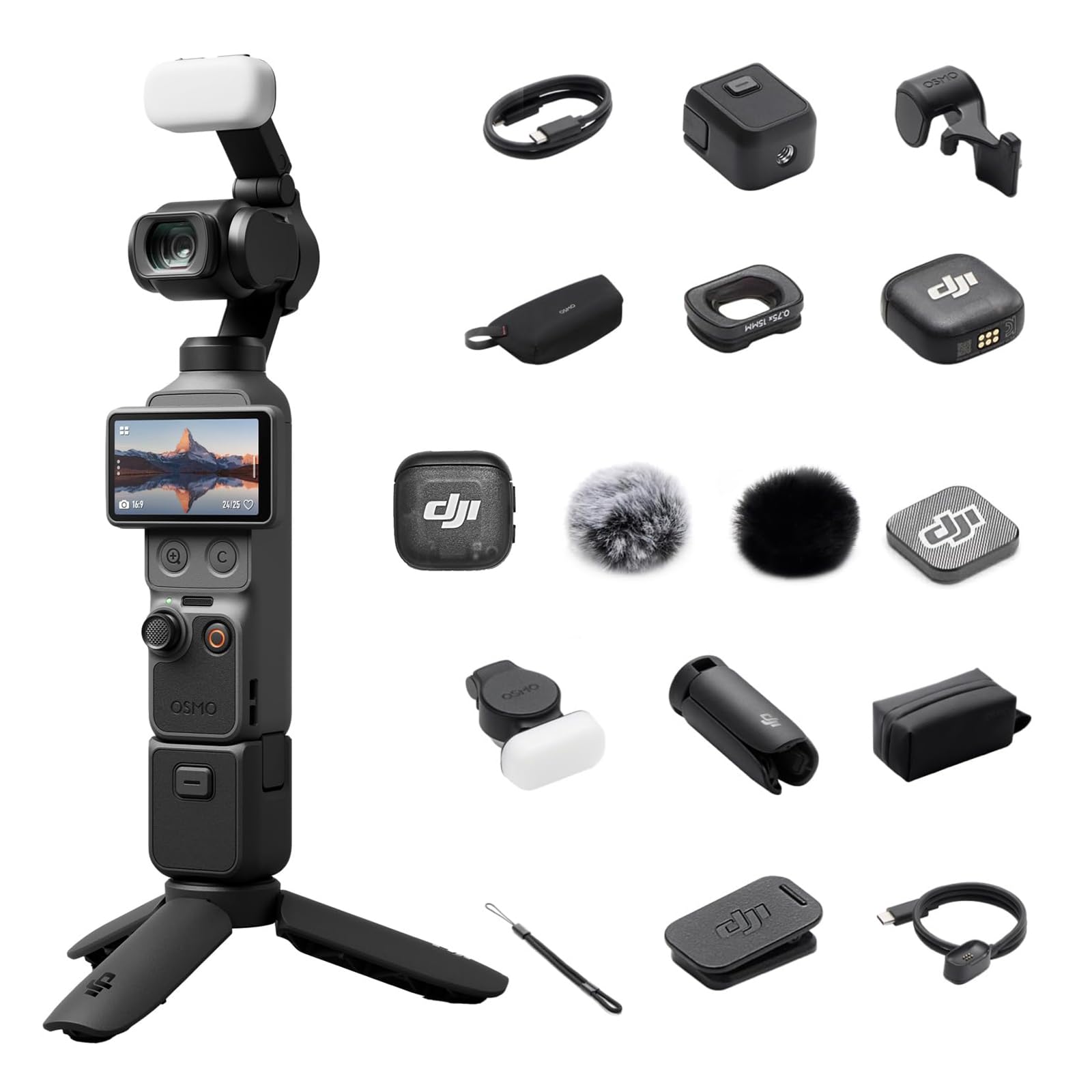
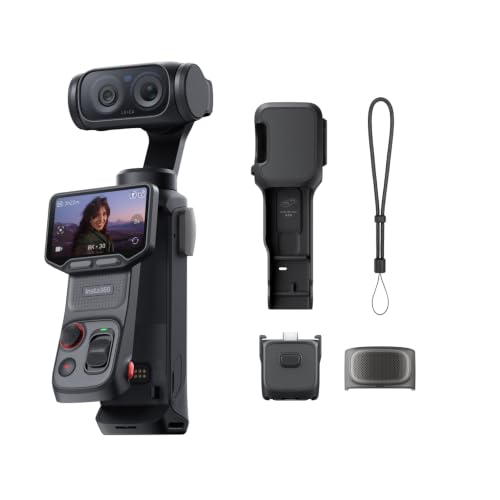
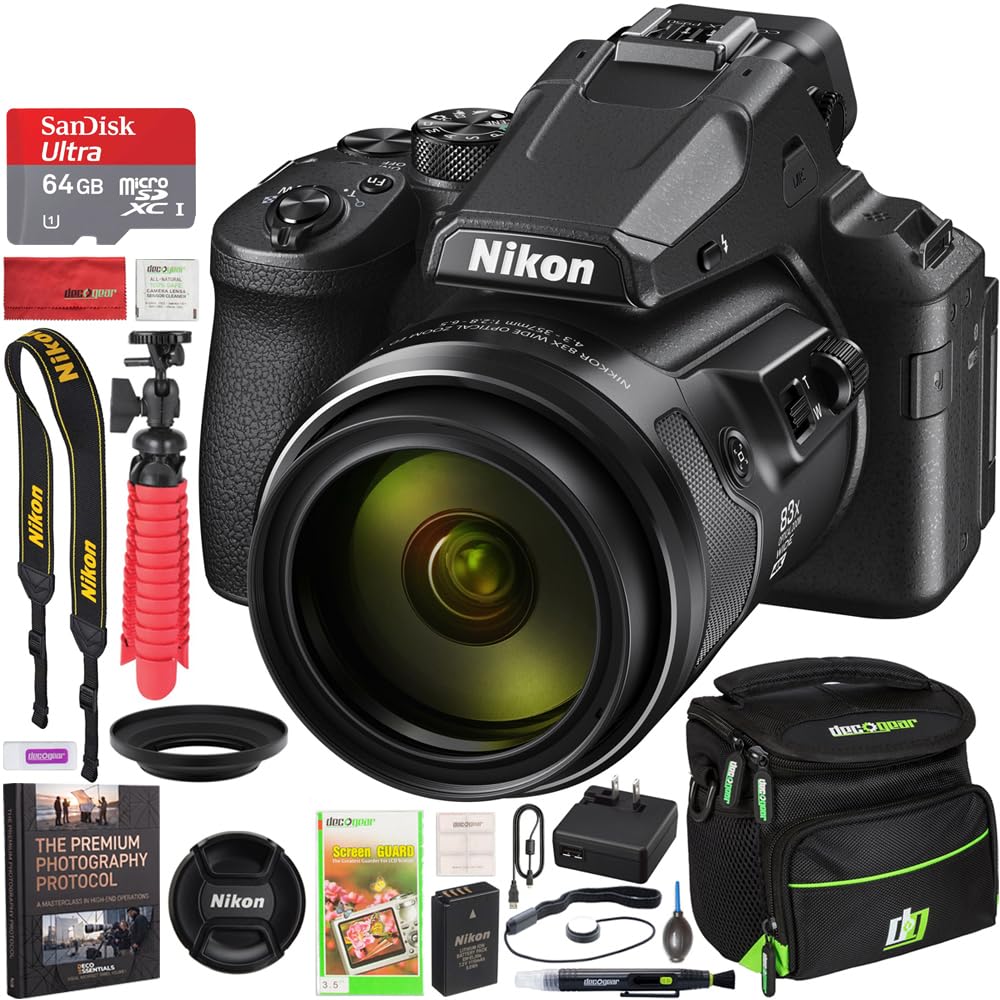
Start with the comparison table below, which lines up the best cameras for film students on price, sensor size, and video features. Then read on for the tier by tier breakdown, because the smartest student purchase is rarely the most expensive camera on the list. It is the one that leaves budget for a decent microphone, a tripod, and the memory cards your productions will chew through each semester.




How to Spend Your Budget Wisely
There is no single right camera for every program, because classes differ in what they ask you to shoot. Use the three steps below to set a budget that fits your degree plan instead of a marketing page. The product table above shows the price spread, and these steps help you decide where on that spread you belong.
Set a Total Budget, Not Just a Camera Budget
Decide the full amount you can spend on gear this year before you look at camera bodies. A workable split puts about 60 to 70 percent into the camera and its first lens, and the rest into sound, support, and storage. A shotgun microphone, a fluid head tripod, fast memory cards, and a spare battery will appear in almost every project you shoot. Students who spend everything on the body end up borrowing the basics on every shoot day, which gets stressful during production weeks.
If your degree is mostly stills photography with one video class, your split should look different, and photo focused models may serve you better. For that path, see our guide to the best cameras for students, which covers cameras chosen for general coursework rather than film production.
Where Extra Money Actually Helps
Spending more mainly buys you three things: better low light video from a larger sensor, stronger autofocus that tracks actors as they move, and pro connections such as full size HDMI and dual card slots. Each one solves a real production problem. Dual slots protect a day of footage if one card fails, and reliable autofocus saves takes when you are also directing. If a higher price only adds more megapixels or a longer spec list you will never open, that money is better kept for lenses.
What to Skip When Money Is Tight
Very high resolution video such as 8K sounds impressive, but it fills cards quickly, slows editing on a student laptop, and is rarely required by any class. Built in flash, scene modes, and huge optical zoom ranges matter for travel photos, not for controlled film sets where you light the scene yourself. Touch screen menus are nice, yet a camera with clear physical dials for shutter, aperture, and ISO will teach you exposure faster and frustrate you less on set.
What Your Money Gets You at Each Price Tier
Prices below reflect typical US street prices for camera bodies sold with a kit lens, and they shift with sales. Read each tier by its tradeoffs, not just its headline specs, and match it to the years of coursework ahead of you.
Budget Tier: Solid Basics for Around $400 to $800
Cameras in this range usually pair a smaller sensor, often Micro Four Thirds or APS C, with 4K video at standard frame rates and a compact plastic body. Autofocus works well for still subjects and simple moves, and most models include a microphone input, though headphone monitoring is rare. This tier suits first and second year students learning framing, lighting, and editing, especially when the school rental cage covers bigger shoots. Expect to add light and audio gear before you outgrow the camera itself.
Midrange Tier: The Sweet Spot for Most Students
Step up to about $800 to $1,500 and you gain larger APS C sensors, much better autofocus with face and eye tracking, and 4K recording at higher frame rates for slow motion. Bodies feel sturdier, screens tilt or flip for low and high angles, and most models add a headphone jack so you can trust your audio while recording. For many students this tier lasts the whole degree, because it handles short films, documentaries, and client style projects without constant workarounds.
Premium Tier: When Spending More Pays Off
At about $1,500 to $3,000 you enter full frame territory, with cleaner high ISO video, shallower depth of field, and color profiles that hold up to heavier grading. These cameras add weather sealing, dual card slots, higher bit rate recording, and in body stabilization that smooths handheld work. This tier makes sense for students building a portfolio for internships or freelance work, or for anyone whose program runs advanced production classes where crews expect pro level tools and reliability.
Features Worth Paying For (and Ones to Skip)
What Students Should Look For
Prioritize manual control over exposure and focus, an interchangeable lens mount, and screens you can angle when the camera sits low or high. Weight matters more than most students expect, because a camera that tires your arm will live in your bag instead of on your shoulder. Menus should let you assign custom buttons for ISO, white balance, and focus magnification, a small feature that speeds up every shoot. A deep grip and clear dials beat a slim designer body once long days and outdoor locations enter the picture.
Durability and Weather Sealing
Student cameras get knocked around in backpacks, borrowed by classmates, and used on locations that are rarely kind. Look for solid lens mounts, doors that close firmly over ports, and, at midrange prices and up, weather sealing that shrugs off light rain and dust. Sealing only works when the lens is sealed too, so check both halves of the pairing. A weatherproof body is worth paying for if you shoot outdoors often; if your work is mostly studio based, put that money toward lighting instead.
Sensor Size and Image Quality
Sensor size shapes low light quality and depth of field more than megapixel counts do. One inch sensors sit in compact cameras and struggle once light drops, APS C sensors balance size, price, and clean video for most students, and full frame sensors gather the most light and blur backgrounds the most easily. For film work, dynamic range matters more than stills resolution, because it decides how much detail survives in bright windows and dark corners of the same frame. Judge sample footage in mixed light, not headline numbers.
Low Light Performance
Film students shoot in dorm rooms, bars, and streets at night, so clean video at high ISO values is worth real money. Larger sensors and lenses with wide maximum apertures, such as f/1.8 or f/2.8, gather more light and keep ISO lower. In body stabilization also helps here, because it lets you use slower shutter speeds for static scenes without blur from your hands. Judge any camera you are considering by footage shot indoors at night, since daylight samples hide noise that evening scenes will expose.
Features That Matter for Film
Video focused features separate film cameras from stills cameras with a record button. Look for 24p recording at the frame rate most associated with cinema, focus peaking and zebra stripes to confirm focus and exposure, and flat or log color profiles if your classes teach grading. Microphone and headphone inputs are close to mandatory, and long recording times matter for interviews and theater work. If your program is heavily production based, see our guide to the best video cameras for film students for models built around video first design.
Choosing Cameras for Your Situation
Two students in the same program can need different cameras. One shoots narrative shorts with a crew, while the other films solo documentary work between classes. The two paths below show where the money goes in each case. If your program still teaches analog craft alongside digital work, the buying logic changes again, as our guide to the best film photography cameras explains.
Best Digital Cameras for Film Students: Where Your Money Goes
Digital bodies reward money spent on the lens mount you will stay with, because lenses outlast bodies and schools often lend within one or two systems. Prioritize a mount with affordable prime lenses, good autofocus for video, and file formats your editing computers handle without long conversions. Storage is the hidden cost here, since 4K footage fills drives quickly, so budget for fast cards and backup drives from day one. A modest body with two good lenses beats a flagship body with one slow kit zoom for almost every class.
Best Filmmaking Cameras for Film Students: Where Your Money Goes
Dedicated filmmaking bodies put money into heat management for long takes, tally lights, built in ND filters on some cinema models, and audio sections with XLR inputs through adapters or handles. Those features matter when you record interviews, stage work, or scenes that run longer than a few minutes at a time. They matter far less for short narrative work built from brief takes. If your classes center on longer recordings, this is the category where a midrange budget stretches furthest.
Long Term Costs to Factor In
The camera body is only the first payment. Lenses, a second battery, a camera bag that actually protects gear, and editing storage will add a few hundred dollars over a degree. Warranty extensions rarely pay off for careful owners, but accidental damage coverage can be worth it for gear that travels daily in a backpack. Also price your software: some students rely on free editors, while others pay monthly for the suite their program teaches.
If your program includes shooting on actual film stock, add the stock itself and lab processing to every project budget, since those costs repeat with each roll. Our guide to the best cameras with film explains how those cameras differ from digital bodies. Instant prints also show up on sets for continuity notes, and our guide to the best instant film cameras covers that niche if your crew uses them.
Frequently Asked Questions
What makes cameras for film students different from general student cameras?
Cameras for film students differ because they are judged on video first: manual exposure control, clean audio inputs, and recording formats that suit editing and grading. General student cameras are usually chosen for stills, price, and simple automatic modes. One point students miss is that film programs often grade your process, so a camera that forces manual decisions teaches more than one that automates everything well.
What features matter most in a camera for film coursework?
Manual control of shutter, aperture, and ISO matters most, followed by a microphone input and autofocus you can trust with moving subjects. An angled screen helps at awkward tripod heights. One detail spec sheets bury is whether the camera can record while charging over USB, which saves interview days when batteries run low near a wall outlet. That single feature can matter more than a small resolution bump.
What camera specs matter most for beginning film students?
Sensor size, lens mount, and the maximum aperture of available lenses matter most for beginners, because they shape image quality and your upgrade path. Megapixel counts and extreme zoom ranges matter least. A practical extra is choosing a system your classmates also use, because borrowing a lens or a battery before a shoot is far easier inside a shared ecosystem, and rental shops near campus usually stock the popular mounts.
How much should a film student spend on a first camera?
Most film students should spend about $400 to $900 on a first camera with its kit lens, leaving money for audio and support gear. That range buys real manual control and 4K video without locking up your whole budget. Before buying at all, price your school rental options and the used market: a semester of free rentals teaches you exactly which features you miss before your money is committed.
Which camera type handles low light scenes best for student films?
Full frame mirrorless cameras handle low light scenes best, because their large sensors keep high ISO footage cleaner than smaller sensors can. APS C models come close when paired with fast lenses. The budget move many students overlook is one fast prime lens, around f/1.8, which can transform a midrange body at night for far less money than upgrading the body itself.
Is a smartphone enough for film school instead of a dedicated camera?
A smartphone is enough for early exercises in framing and editing, and some festivals even run phone categories. It is not enough for most production classes, because phones limit manual exposure, lens choice, and the audio inputs instructors expect you to learn. Course syllabi often state required gear outright, so check yours before assuming the phone in your pocket covers the requirement.
Final Thoughts
Match the camera to your coursework first, your sensor and lens needs second, and your total budget always. The product table above is the fastest way to compare current prices against the tiers in this guide. Whichever tier you choose, the best cameras for film students are the ones that leave you money and energy for the work itself: lighting, sound, and time on set. Pick the body you can grow with, then go shoot something this week.

