
Best Cameras for Vintage Look: Matching the Right Camera to Your Routine in 2026
Disclosure: We may earn a commission when you buy through links on this page, at no extra cost to you. As an Amazon Associate I earn from qualifying purchases. Learn more

Compare the best cameras for vintage look by route: true film, ready made digital recipes, or genuinely old bodies, plus what each path costs per photo.
The vintage look is less a camera style than a daily routine. Some shooters load a roll, wait a week, and scan whatever comes back, while others want warm color and soft contrast on the screen before lunch. The best cameras for vintage look are the ones whose routine you will actually keep, and the comparison table below sorts the main routes by how each one fits a day.
Start with the medium, because everything else follows from it. A true film camera builds the look into every frame and charges you for every frame you fire. A digital camera with strong color recipes builds the look into a menu setting and charges you nothing per shot. A genuinely old camera adds a third factor, condition, and this guide treats each route on its own terms.


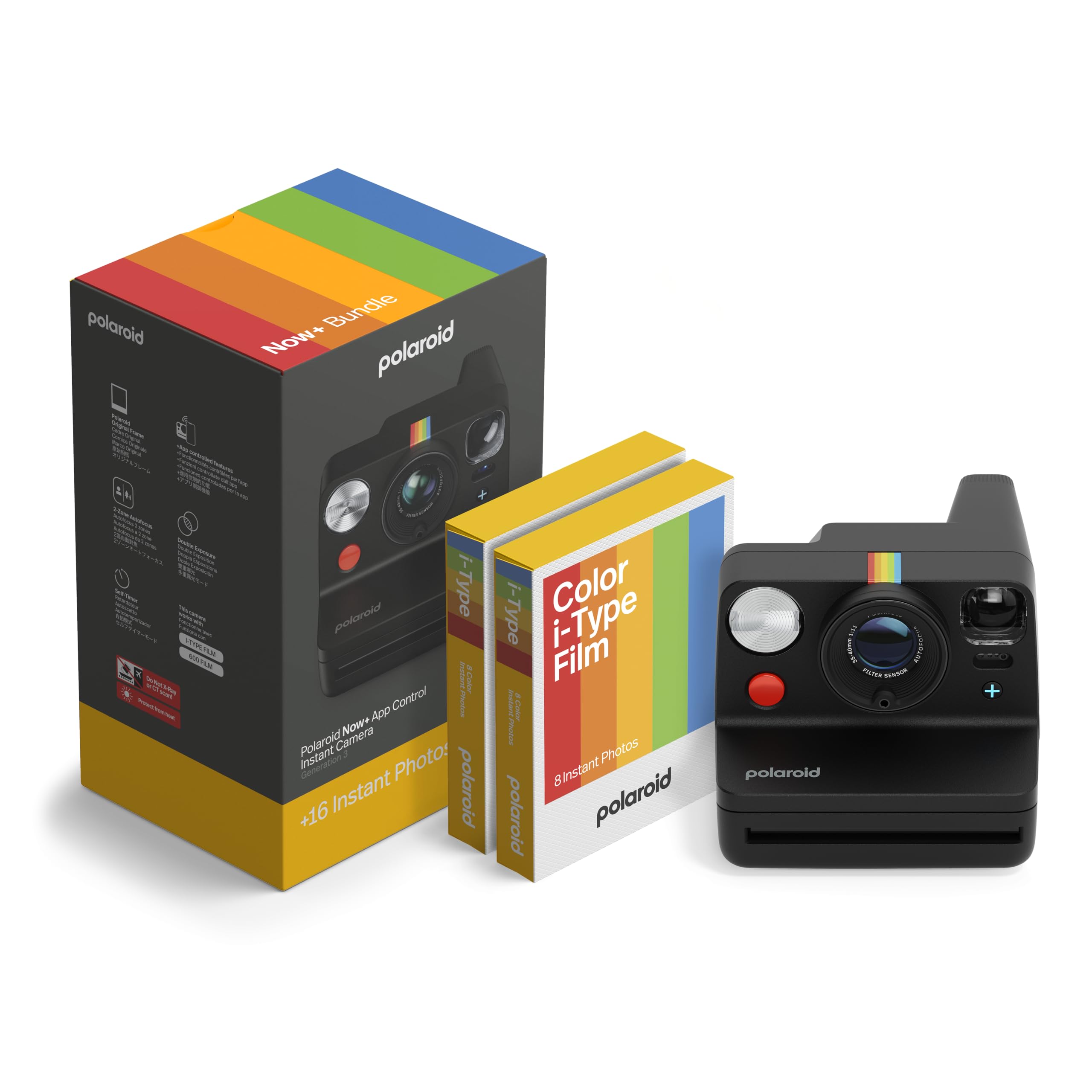
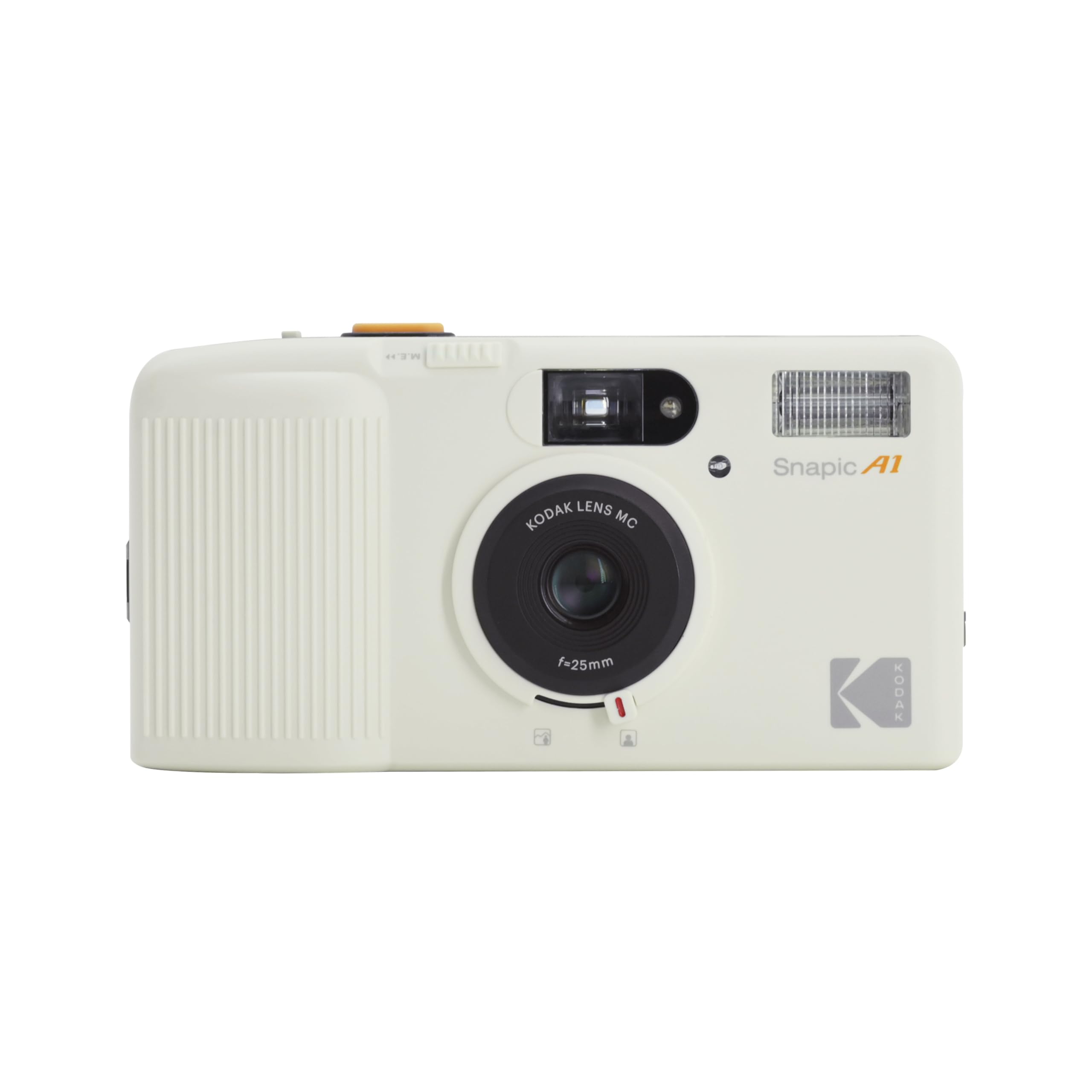
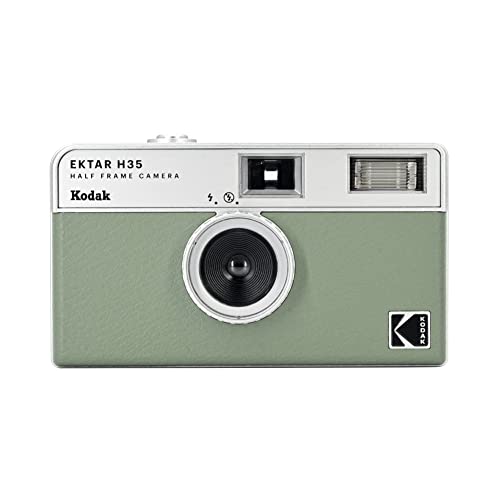

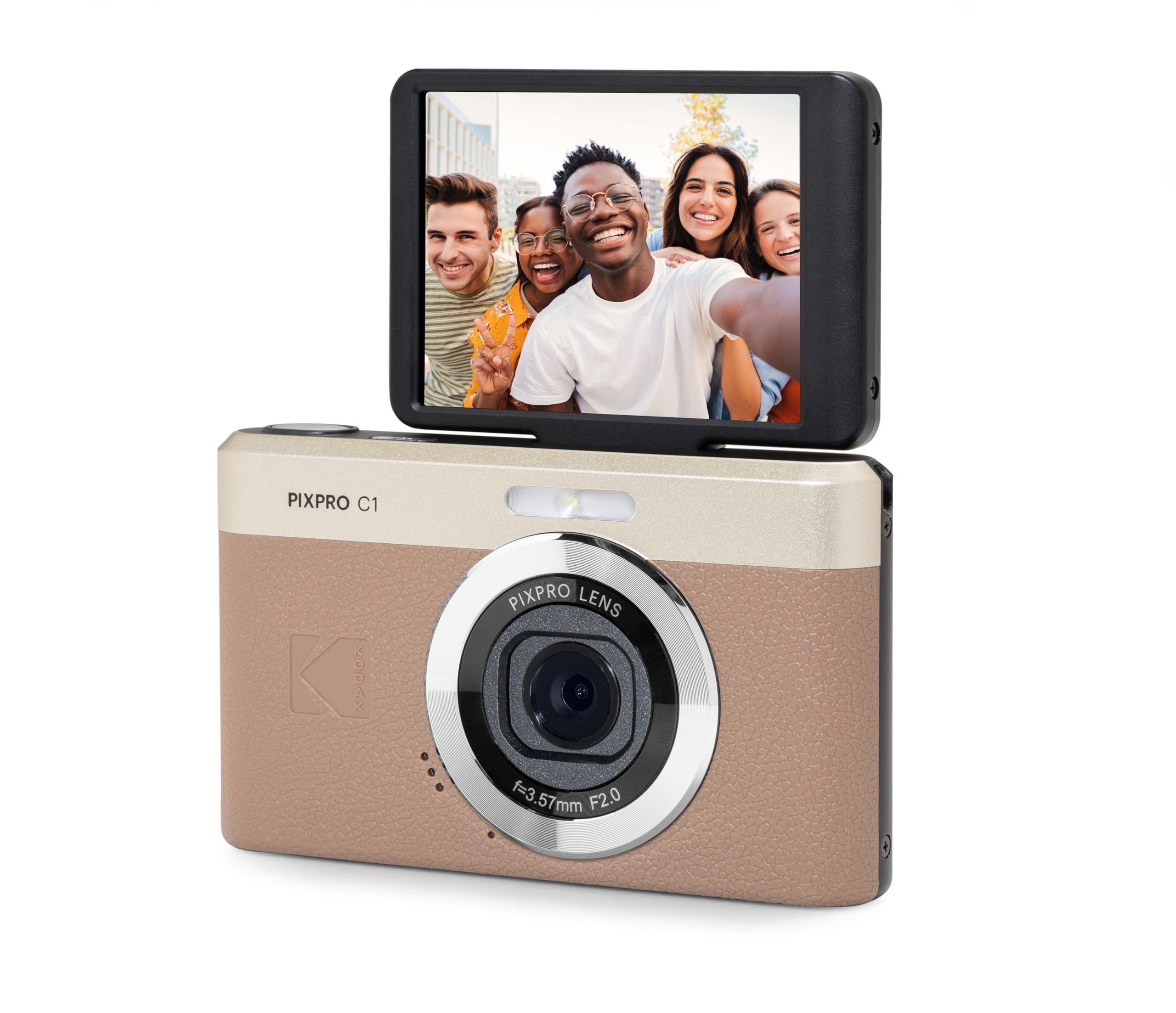

Who Should Buy Which Cameras?
For Daily Film Shooters
If you already shoot a roll or two a week, choose a film body with a reliable meter and a lens mount you can feed affordably. Your routine is built around processing runs and scanning, so shutter accuracy and a light tight body matter more than extra dials. Sound bodies run about $80 to $350, and the camera itself is the cheap part of this habit.
For Digital Shooters Who Want the Look Instantly
If you post the same day you shoot, a digital body with built in color recipes is your route. The look lives in the menus, so you can shoot a birthday dinner and share warm, faded frames before dessert. You trade the wait and the processing bill for setup time in the menus, and you can change the look from one outing to the next.
For Collectors Who Shoot What They Own
Collectors start from the shelf, not the store. A camera you already own costs nothing to try, and one test roll tells you whether its seals, shutter, and meter still behave. Buy into this route only when you enjoy the hunt and the repair bench as part of the hobby, because every old body is a small project before it is a camera.
For Travelers and One Trip Shooters
For a single trip or a wedding guest book, a disposable is the honest choice. Guides to best disposable cameras for vintage look cover cameras you hand to anyone, shoot until the counter stops, and drop at the lab. Each one runs about $15 to $25, the flash is usually built in, and nobody mourns it if it stays behind on the beach.
Picking the Right Cameras for Different Uses
Best Cameras with a Vintage Look: What to Prioritize
The word with matters here. A camera with a vintage look creates the effect while you shoot, through film stock or a saved recipe, so the frame already carries the color and grain when you open it. A plain camera plus editing later can imitate the effect, but that is a desk routine, not a shooting one. Prioritize the capture route first, then handling, then price.
Budget by route, not by body alone. Film shooters should hold back about $8 to $18 per roll of film and about $15 to $25 per roll for processing and scans. Digital recipe shooters pay more up front, about $450 to $1,000 for a body with deep recipe menus, and then shoot freely. Collector bodies vary too widely for a band, so price the repair and the service, not the listing.
Key Features to Compare
The Medium Choice Comes First
The vintage look splits into a true film class and a digital recipe class, and the two classes bill you in different ways. The film class is costed per roll, so every frame spends film, processing, and scanning money, which slows you down and makes each shot deliberate. The digital class is costed in time instead, spent building and tuning recipes before the outing. Readers comparing best film cameras for vintage look should weigh that per roll cost first, because it decides how often the camera leaves the house.
Condition Decides a Genuinely Old Camera
An old camera is a condition purchase before it is a features purchase. Light seals turn to foam and leak, shutters drift slow or fast, and meters die quietly, so two copies of the same body can behave like different cameras. The wider world of best vintage cameras rewards buyers who check the seals, fire every shutter speed, and budget for a service. A serviced body with fresh seals beats a rare body with none, every single time.
Digital Recipes Are Settings, Not Film
On a digital body, the vintage effect is a recipe, meaning a saved set of color, contrast, grain, and white balance choices inside the maker menus. Read those recipes as settings, not as film, because no chemistry is involved and the same file can wear ten different looks. Shoppers scanning lists of best digital cameras should look past megapixels and check how much recipe control the menus allow, since that control is the entire product here.
Sensor Size and Image Quality
Sensor size shapes how the look lands. Larger sensors hold soft highlight rolloff and gentle background blur at wider apertures, which suits the dreamy end of the style. Smaller sensors keep more of the scene sharp and pair well with harder, flash lit party frames. Megapixels matter least of all, because grain and faded color hide fine detail by design, so a modest sensor is rarely the limit.
Size, Weight, and Handling
A vintage routine survives on carrying. A compact body that fits a coat pocket gets used at markets, dinners, and school runs, while a heavy body stays home no matter how good its recipes are. Dials you can turn without opening menus matter too, since aperture and shutter dials slow your hands in the same way film shooters expect. Holding the weight in hand for an hour is a fair test before you buy.
Autofocus, Stabilization, and Manual Focus
Focus is where the routes diverge again. Older bodies ask you to focus by hand, which suits still subjects and frustrates anyone chasing children or dogs. Digital bodies add eye detection autofocus and stabilization, so the old look no longer means missed frames. Choose based on your subjects, because patient scenes forgive manual focus, moving ones do not, and no recipe fixes a blurred face.
Common Mistakes to Avoid When Buying Cameras
- Buying a famous old body with dead light seals, so the first roll comes back streaked with light leaks you never planned.
- Counting only the body price on the film route, so processing costs quietly double what you expected to spend each month.
- Judging recipes on the rear screen in a bright store, so colors that looked right indoors disappoint in daylight.
- Chasing megapixels for a grainy, faded look, so you pay for fine detail the style throws away.
- Skipping the shutter check on a used body, so the speeds you reach for most turn out to be the inaccurate ones.
Setup and Care Tips
Store film in a cool, dry place and keep loaded cameras out of hot cars, since heat ages both the stock and the seals. Wipe lenses with a clean lens cloth, never a shirt, and keep digital bodies in a padded, dry bag between outings. Replace light seals before they crumble into the film path, and run one test roll through any newly bought old body before an event that matters. On digital bodies, save favorite recipes to a custom slot and back them up, because a factory reset erases hours of tuning.
Cameras: Your Questions Answered
What features matter most in cameras for vintage look?
Capture route matters most, then flexibility of stock or recipe, then handling. A camera that creates the look while you shoot saves every frame from editing, and flexible color control lets one body cover parties, portraits, and travel. One point buyers miss is highlight behavior. Gentle highlight rolloff keeps skies and skin creamy, while harsh clipping looks modern no matter what recipe you apply on top of it.
Is film or a digital recipe better for a vintage look?
Neither wins for everyone, because the two routes bill you in different currencies. Film gives the truest grain and forces a slower, more selective habit, but you wait days to see results and pay for every frame. Digital recipes answer instantly and cost nothing per shot, yet the look can feel uniform across a whole album. Pick film if the wait is part of your fun, and pick recipes if you publish the same day you shoot.
Is a smartphone enough for a vintage look?
A phone with a good filter app covers casual sharing, and for many people that is honestly enough. Where a phone falls short is depth and print, because small sensors keep everything sharp and flat, and large prints show the heavy processing. A dedicated camera, film or digital, gives you shallow focus, honest grain, and files that hold up on paper. Choose the phone for speed and the camera for keepsakes.
How much should I spend on my first vintage look camera?
Spend about $450 to $1,000 on a digital body with deep recipe menus if you want zero running costs, or about $80 to $350 on a serviced film body if you accept per roll spending. Keep part of the budget unspent either way. Film beginners need it for their first rolls and processing, while digital beginners usually end up buying a faster lens, which changes the look more than a body upgrade would.
Can a vintage look camera handle low light?
Yes, with the right pairing of lens, stock, or settings. Film shooters load faster stock and accept stronger grain, which suits the style anyway. Digital shooters open a fast lens and let the recipe grain cover the noise that high sensitivity settings create. The weak setup is a slow kit lens on either route, because it forces flash or blur. A fast prime lens is the single best low light upgrade here.
Wrapping Up
Match the camera to the routine you will keep: film for a deliberate habit you pay for by the roll, recipes for instant results you pay for in setup time, and old bodies only when their condition checks out. Start from the product table above, weigh medium and condition before megapixels, and the best cameras for vintage look for your life will be easy to spot.


