Best Battery Powered Mowers in 2026: What Actually Matters Before You Buy
Disclosure: We may earn a commission when you buy through links on this page, at no extra cost to you. As an Amazon Associate I earn from qualifying purchases. Learn more

Compare the best battery powered mowers by battery platform, deck width and honest runtime, with the safety rules and pack care that protect your purchase.
A battery mower is really two purchases in one box: the mower itself and the battery platform you will live with for years. Shoppers who check the platform first rarely regret the mower that follows. This guide runs through the best battery powered mowers in the order the decisions actually matter, from the packs you are buying into to the deck that has to fit your lawn and your gate.
You will also find drive types compared in plain terms, a short honest look at gas and corded alternatives, the safety rules that are specific to battery machines, and the red flags that mark a weak buy. The comparison table further down lines the main drive types up side by side so you can see where your yard fits.



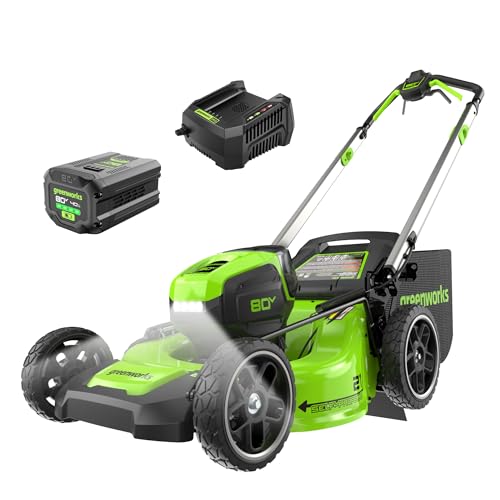


What Matters Most When Choosing the Best Battery Powered Mowers
First, the Battery Platform You Are Buying Into
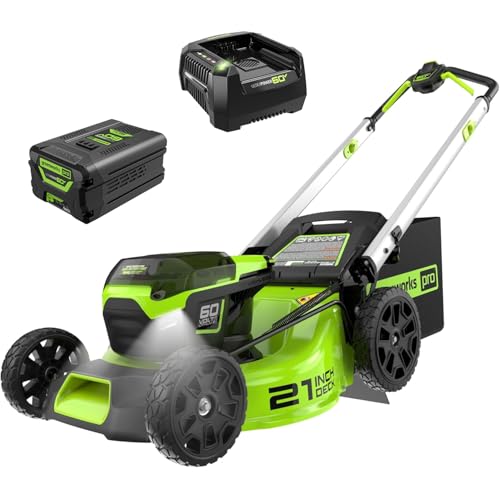
The platform fork decides more than any single mower spec, because the packs are the expensive part and they only fit tools from the same maker family. If you already own cordless tools from one platform, a mower on that platform can share packs you already paid for. Voltage classes such as 40 volt, 60 volt and 80 volt describe the size of the system in broad terms, and higher classes generally suit larger lawns and thicker grass. Pick the platform for the whole tool shelf you expect to own, not just for this one mower.
Deck Width Against the Size of Your Lawn
Deck width sets how many passes the lawn takes, and it should follow the yard rather than ambition. A deck of about 20 to 21 inches suits a yard under a quarter acre and slips through standard gates easily. Yards of about half an acre to one acre reward the wider decks and the stamina help of a driven mower, while lawns over an acre point toward seated machines. Measure your narrowest gate before falling for a wide deck, because a mower that cannot reach the back yard is a problem no battery size can fix.
Runtime per Charge, Judged on Your Grass
Maker runtime figures come from flat, light, dry grass cut a small amount at a time, and your lawn is probably none of those things. Thick or damp grass makes the motor work far harder and can cut real runtime hard compared with the number on the box. Judge a mower by amp hours as well as minutes, since the amp hour figure tells you how much energy the pack actually holds. A sensible target is a pack, or a pair of packs, that finishes your lawn with charge to spare on a heavy growth week in spring.
The Second Battery Is Part of the Real Price
Many mowers ship with one pack that covers a small yard and leaves a large one half done, so price the second battery before you compare headline prices. A walk behind mower with one pack often runs about $300 to $500, and an extra pack can add about $100 to $200 depending on its size. Charger speed belongs in the same calculation, because a fast charger can refill the first pack while the second finishes the lawn. The honest price of any mower is the mower plus whatever packs your yard truly needs.
Storage and Winter Care of the Packs
Battery mowers store kindly, since many fold upright and none carries fuel that goes stale. The packs need the attention instead: charge and store them per the maker instructions, indoors, away from extreme heat and cold, and at the partial charge level the manual recommends for long storage. Shoppers comparing best battery powered lawn mowers canada face the same platform questions with harsher winters, which makes indoor pack storage even more important there. A pack stored well keeps most of its capacity for years, while a pack left in a freezing or baking shed ages fast.
Drive Types, Compared in Plain Terms
The table below sets the three drive families side by side. Push machines ask you for the effort and reward you with the lowest price and weight. Self propelled machines drive their own wheels, and seated battery machines cover ground that would exhaust any walker.
| Drive type | Best for | Strengths | Limits | Typical price |
|---|---|---|---|---|
| Push | Small, fairly flat yards | Lightest, simplest, lowest price | You supply all the pushing effort | About $250 to $450 |
| Self propelled | Sloped yards and lawns up to about an acre | Driven wheels help on climbs and long passes | Heavier and more parts to maintain | About $400 to $700 |
| Riding and zero turn | Lawns of about an acre and up | Seated comfort and wide decks | Highest price and the most storage space | About $2,500 to $4,500 |
Push and Self Propelled: The Walk Behind Choice
Most battery mower shoppers land in this family, and the split is about slope and stamina rather than grass itself. The guide to best battery powered push mowers covers the lightest class in depth, and a plain push model is the right buy for a small flat yard where driven wheels would only add weight. Where the lawn climbs or the passes run long, the driven models in the guide to best battery push mowers earn their extra cost by taking the pushing work off your legs. For a wider view of the cordless class, see the best cordless lawn mowers.
Riding and Zero Turn Battery Models
Seated battery machines now cover the same ground as their gas counterparts for most home lawns, with wide decks and pack sets sized for an acre or more. Zero turn steering shines on flat lawns with many trees and beds to circle, but the same steering is a poor match for steep slopes, so follow the maker guidance for your terrain. Shoppers who know the older naming will also see this class sold as the best battery operated mowers, which is the same idea under a different label.
Deck Material and Build
Steel decks shrug off knocks and can be straightened, while composite decks never rust and keep the mower lighter to push and lift. Neither material saves a mower from a hidden rock, so the build details that matter are clean welds, a height adjuster that moves all wheels together, and wheels large enough at the back to roll over rough ground without fighting you. Check how the deck cleans out too, because a smooth underside sheds clippings instead of packing them in.
Battery Against Gas and Corded: The Short Version
Gas still wins on raw runtime, since a fuel can refills in a minute and a rough overgrown plot can be cut all day. If that describes your yard, compare the best gas lawn mowers too. Battery wins on noise, on starting every time, and on skipping fuel storage, oil changes and spark plugs entirely. Corded electric mowers cost the least and never need charging, but the cord limits range and demands care to keep it clear of the blade. For the typical suburban yard, the battery balance of quiet running and no fuel errands is why this class keeps growing.
Safety Rules for Battery Mowers
Battery mowers feel gentler than gas machines, but the blade under the deck is exactly as serious. Always remove the battery and wait until the blade has stopped completely before clearing clippings, unclogging the chute or cleaning under the deck. Never reach under a deck while a pack is fitted, because a bumped switch can start the motor without any warm up sound.
Never mow slopes while the grass is wet, and follow the maker guidance on slope limits for your drive type. Keep children and pets indoors while you mow, wear eye and ear protection, and walk the yard first to remove stones, toys and sticks that the blade can throw. No one rides as a passenger, ever, including children on a seated mower. If a pack gets wet, dry it and check it per the maker instructions before it goes anywhere near the charger.
Quick Buyer Checklist
- Do the packs fit other tools you own now, or tools you realistically plan to buy next?
- Is the deck wide enough for your lawn yet narrow enough for your gate and storage door?
- Does the included pack, in amp hours, cover your lawn on a heavy spring growth week?
- Have you priced the second battery and a fast charger into the total?
- Does the maker state runtime with grass conditions, or only a bare minutes figure?
- Is the battery warranty as long as the mower warranty, or noticeably shorter?
- Do you have an indoor spot to store the packs away from heat and frost?
Red Flags to Watch For
- Runtime advertised in minutes with no mention of grass height, thickness or load, which hides how easy the conditions were.
- A big voltage number with no amp hour figure for the pack, since voltage alone says nothing about how much energy you get.
- No second battery listed for sale, which can strand a larger yard with no way to extend runtime.
- A battery warranty far shorter than the mower warranty, a sign the maker expects the pack to fade early.
- No local service route or spare parts listing, which turns a small fault into a full replacement.
Care Tips That Keep It Cutting Well
Keep the blade sharp, and plan on a sharpening each season or after any strike on a stone, because a dull blade tears grass instead of cutting it. Never cut more than a third of the grass blade at once, and raise the deck during hot dry spells rather than scalping a stressed lawn. Clean the underside of the deck with the battery removed, and store the packs indoors through winter at the charge level the manual recommends.
Frequently Asked Questions
How often should I sharpen my mower blades?
Sharpen the blade about once a season for a typical home lawn, and sooner if the cut starts to look ragged. The clearest sign of a dull blade is grass tips that turn white or brown a day after mowing, because the blade tore them instead of slicing cleanly. A torn tip also invites disease into the lawn, and a sharp blade draws less from the battery on every pass, so the habit pays twice.
What size mower do I need for my yard?
Match the deck to the lawn in bands: about 20 to 21 inches for under a quarter acre, wider walk behind decks up to about an acre, and seated machines beyond that. The point shoppers miss is that gates and shed doors decide the real maximum, so measure the narrowest opening the mower must pass through. A slightly narrower deck that reaches every part of the yard beats a wide one that leaves an uncut strip behind the gate.
Are battery mowers as good as gas mowers?
For most home lawns, yes, because modern battery models cut typical grass just as cleanly while running far quieter and asking for almost no routine maintenance. Gas keeps an edge on very large or rough properties where all day runtime and instant refuelling matter more than noise. The deciding question is your yard: if one or two packs finish it comfortably, the battery mower gives up nothing that matters.
How long does a battery powered mower last?
The mower itself can serve for many years, since an electric motor has few wearing parts and no fuel system to gum up in storage. The pack is the wear item, and it slowly loses capacity across seasons of charging until runtime no longer covers the lawn. Budget for a replacement pack partway through the mower life, and the machine as a whole compares well with the repair bills of an ageing gas mower.
Is a zero turn mower worth it for one acre?
It depends more on the shape of the acre than on its size. A flat acre broken up by trees, beds and paths rewards zero turn steering, which can cut the mowing time a clear margin compared with a walk behind machine. A plain open acre with few obstacles gains far less, and a sloped acre argues against zero turn steering altogether. Count your obstacles before you count your acres.
Final Thoughts
Choose the platform first, size the deck to the lawn and the gate, and judge runtime on your worst grass rather than the maker's ideal lawn. Price the second pack before you compare anything, store the packs indoors, and keep the blade sharp and the safety rules firm. Set against the picks in the product table, the best battery powered mowers for your yard should be the ones whose packs, deck and runtime all fit the way you actually mow.