Best Bee House for Garden: A Complete Buying Guide for 2026
Disclosure: We may earn a commission when you buy through links on this page, at no extra cost to you. As an Amazon Associate I earn from qualifying purchases. Learn more
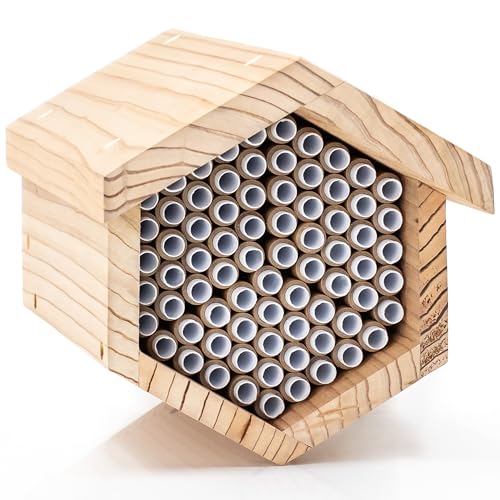
The best bee house for garden use has clean tubes, a dry roof, and a steady mount. Compare size, material, placement, and care.
Choosing the best bee house for garden option starts with tube size, material, and placement, rather than size alone. This guide walks through the factors that matter for a garden setting, so you can compare options in the product table with confidence.
Use the checklist in this guide to narrow the field before you buy. Look at the nesting tubes first, then check the roof, the mounting, and the care the house will need through the seasons, because a house that is easy to inspect and easy to keep dry will serve your garden far better than a decorative one.


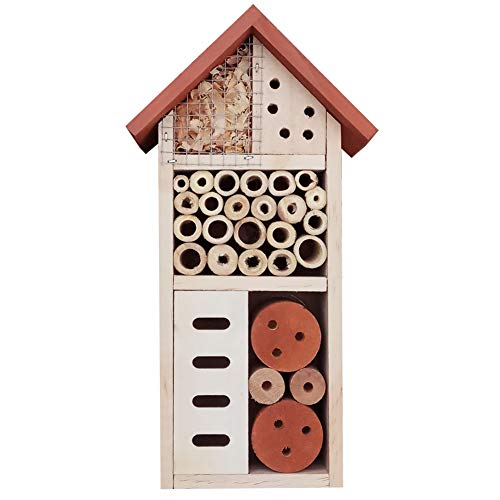


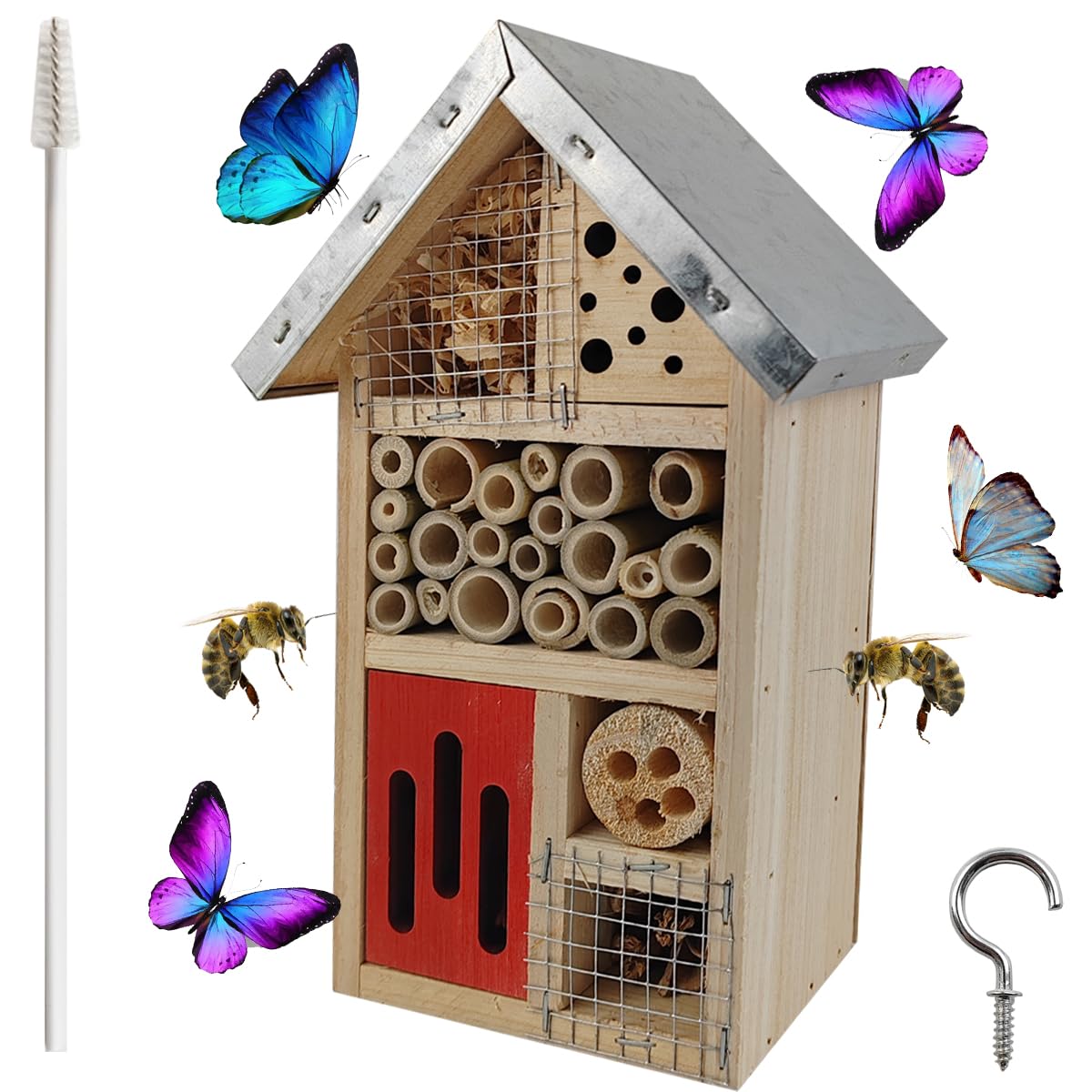

How to Choose the Best Bee House for Garden Use
Think of this section as a checklist, not a set of lab results. Each heading below covers one decision you will make before you buy, and each one ends with a practical point you can check on a product page or in the maker guidance.
Features That Matter for Garden
A garden setting asks for a house that handles rain, sun, and wind without letting the nesting tubes stay damp. Look for a solid roof with a clear overhang, a back that blocks drafts, and tubes that sit level so water drains away from the openings. Tube diameter matters because different solitary bees use different sizes, so a house with a mix of tube sizes gives more visitors a usable nest. Avoid houses with painted or treated interiors, since coatings inside the tubes can deter bees and can make cleaning harder.
Intended Use and Who It Is For
Garden bee houses suit gardeners who want to support pollinators near beds, borders, and fruit trees, and who are willing to check the house once or twice a season. They are less suited to anyone who wants a hands off decoration, since a neglected house can collect damp, pests, and old nesting material. If you garden with children or pets nearby, choose a sturdy mount at a height that keeps curious hands and paws away from the tubes. Follow maker guidance on placement height and keep the house out of reach of play areas.
Build Quality and Materials
Untreated natural wood, bamboo tubes, and paper liners are common choices, and each one behaves differently outdoors. Solid wood blocks with drilled holes last longer than thin boards, but they are harder to clean unless the holes accept replaceable liners. Bamboo tubes are light and easy to replace, yet they can split at the ends if they are left out through wet winters.
Paper liners make end of season cleaning simple, because you can remove used liners and start fresh. Check that joints are tight, that the roof does not wobble, and that no sharp edges or loose staples sit near the tube openings.
Size, Weight, and Fit for Your Space
Measure the spot before you buy, and leave room for a mount that holds the house steady in wind. A compact house suits a balcony rail, a fence post, or a small raised bed, while a larger house suits a sheltered wall near a flower border. Weight matters when the mount is a single post, because a heavy house can tilt over time and let rain run into the tubes.
Depth matters too, since tubes that are too short give bees less room to lay a full series of cells. Aim for a house that fits the space without crowding paths, and that you can reach comfortably for inspection.
Safety and Local Rules
Follow maker safety guidance, and check local wildlife rules before you mount a bee house, because some areas have guidance on non native species or on moving nesting material. Keep the house away from areas where pesticides are sprayed, and avoid placing it beside a busy walkway where bees will cross paths with people. Place it where children and pets are unlikely to knock it down, and teach children to watch from a distance rather than touching the tubes. If you are unsure whether a species in your area needs special care, check guidance from a local extension service or wildlife group before you buy.
Maintenance and Long Term Costs
Long term cost is mostly about replacement tubes, liners, and the occasional roof repair, rather than the first purchase price. Houses with replaceable tubes or liners cost a little more at the start but are cheaper to refresh each year. Houses with fixed drilled holes may need a full replacement sooner if the holes become damp or blocked.
Plan a short inspection in fall and again in spring, and budget for a fresh set of liners or tubes when the old ones show wear. A house that dries quickly after rain will need less repair, so roof overhang and drainage are worth paying attention to at purchase time.
Price and Value
Budget houses, usually about $15 to $30, tend to be small and simple, with basic tubes and a light roof. They suit a first garden house or a small space, as long as the tubes are clean and the mount is steady. Mid range houses, about $30 to $60, often add a sturdier roof, a mix of tube sizes, and replaceable liners. Premium houses, about $60 to $120, tend to use thicker wood, a deeper roof overhang, and a larger number of tubes.
Quick Buyer Checklist
Run through these questions before you order, and skip any house that fails more than one of them.
- Are the tubes clean, dry, and free of paint or treatment inside?
- Does the house offer more than one tube size for different solitary bees?
- Does the roof overhang the front enough to keep rain out of the tubes?
- Can you replace the tubes or liners at the end of the season?
- Is the mount sturdy enough to hold the house level in wind?
- Can you place it in morning sun, sheltered from strong wind and spray?
- Can you reach it safely for inspection without disturbing nearby plants?
Red Flags to Watch For
Watch for vague size claims, such as a listing that never states tube diameter or tube depth. A house with glossy paint inside the tubes, loose joints, or a roof that sits flush with the front is likely to let water in. Very short warranties, missing maker guidance, and listings that promise a large number of bees with no mention of placement or care are also warning signs.
If the house cannot be cleaned or refreshed, ask yourself whether you are willing to replace it each year. A good house should state its materials, its tube sizes, and its mounting method clearly.
Care and Maintenance Tips
Read the maker manual before first use, and mount the house level so water drains away from the tube openings. Clean and inspect the house regularly, and remove any tubes that look damp, moldy, or blocked. Store spare tubes and liners in a dry place, and keep the house itself outdoors in its mounted position rather than moving it often.
At the end of the season, replace used liners and check the roof and mount for wear. Simple, regular care keeps the house inviting and reduces the chance of pests building up inside.
Frequently Asked Questions
What features matter most in a garden bee house?
Tube size, drainage, and a solid roof matter most, because they decide whether bees can nest safely and whether the house stays dry. Look for clean tubes in more than one diameter, a roof with a clear overhang, and a mount that holds the house level. Replaceable liners are a useful bonus, since they make cleaning simple. A house that meets those points will usually outperform a larger house with poor drainage, even if the larger house looks more impressive.
How long does a garden bee house last?
A well made wooden house can last several seasons, but the tubes and liners will need attention sooner than the frame. Bamboo tubes often need replacing each year or two, while paper liners are usually replaced each season. Rain, sun, and frost wear the roof and joints over time, so a house in a sheltered spot lasts longer than one in open wind. Inspect the house each fall, replace worn parts promptly, and store spare liners in a dry place for the next season.
Are expensive garden bee houses worth it?
A higher price is worth it when it buys thicker wood, a deeper roof overhang, and replaceable tubes or liners. Those features extend the life of the house and make cleaning easier, which matters more than decorative detail. A budget house can still work well in a sheltered spot, especially when you are trying out placement for the first time. Compare the cost of replacement tubes over two or three seasons, rather than the first price alone, before you decide.
How do I maintain a garden bee house?
Inspect the house in fall and again in spring, and look for damp tubes, blocked openings, and loose joints. Remove and replace any liners or tubes that look worn, and clear debris from the front without disturbing sealed tubes. Check the mount and roof each season, and tighten or repair them as needed. Keep spare tubes in a dry place, and avoid moving the house once bees have started nesting, since movement can disturb the nests inside.
How much should I spend on a garden bee house?
Most gardeners spend about $15 to $60 for a solid first house, with larger or thicker wood houses reaching about $60 to $120. Start at the lower end if you are trying a new spot, and move up when you want replaceable liners and a sturdier roof. Remember to budget a small amount each year for fresh tubes or liners. A mid range house with replaceable parts often gives the best balance of cost and lifespan for a regular garden.
Final Thoughts
Choose a house with clean tubes in useful sizes, a roof that keeps rain out, and a mount you can inspect with ease. Those three points matter more than size or decoration, and they will guide you well when you compare options in the product table above. The best bee house for garden use is one that fits your space, stays dry through the seasons, and is simple to refresh each year.