Best Battery Operated Mowers for 2026: Which One Fits the Way You Use It?
Disclosure: We may earn a commission when you buy through links on this page, at no extra cost to you. As an Amazon Associate I earn from qualifying purchases. Learn more
Compare the best battery operated mowers by yard size, drive type and battery runtime, with honest running costs and safety notes for each class.
There is no single battery mower that suits every yard, because the right choice depends on how you actually mow: a small flat lawn, a sloped half acre, and a big open property ask for very different machines. The best battery operated mowers for you are the ones whose deck size, drive type, and battery platform match your grass, your terrain, and your storage space. Start with your routine and the specs start to make sense.
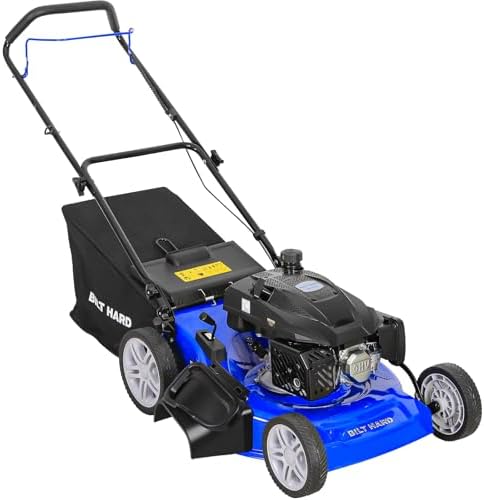
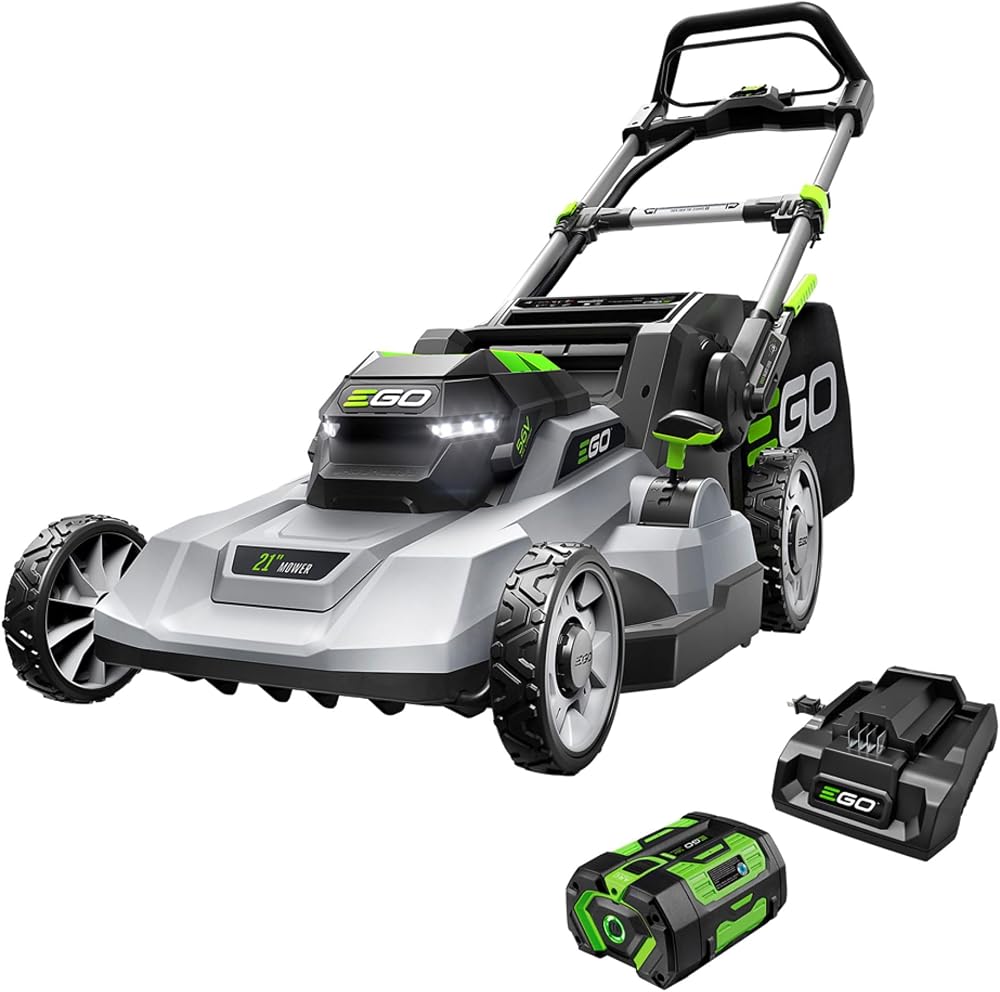
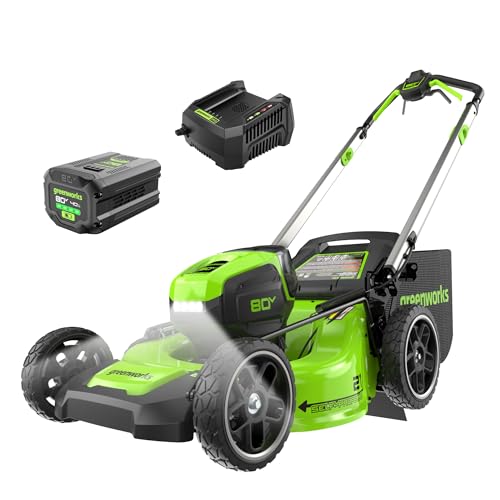
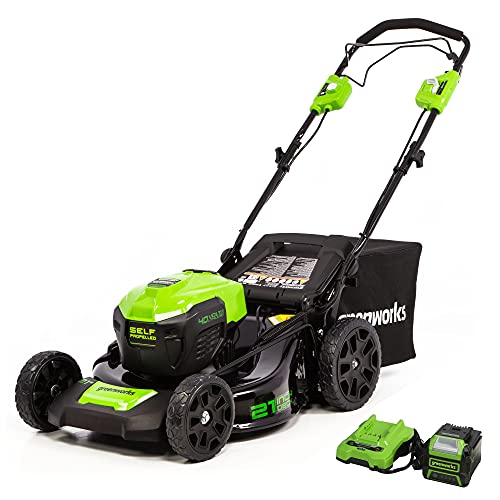
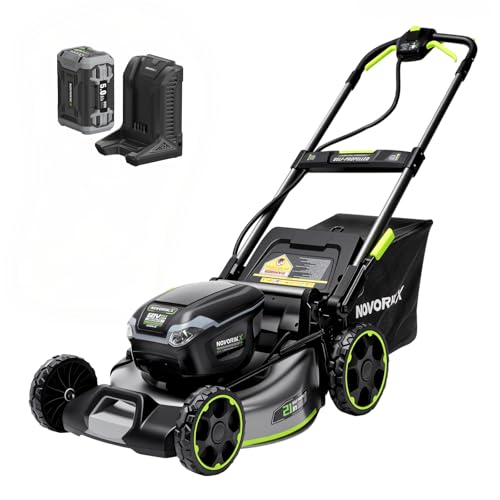
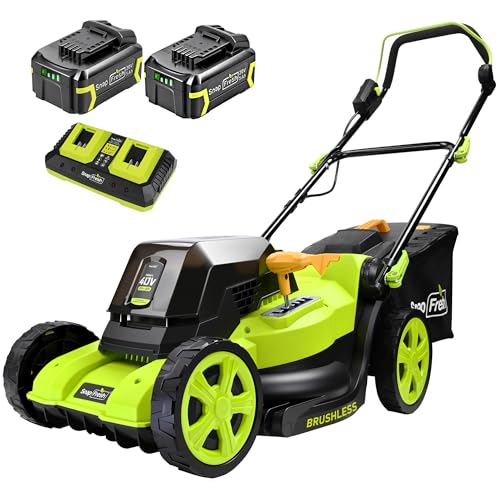
This guide works through that fit step by step. It matches mower classes to real yards, explains the battery numbers that decide whether a mower finishes your lawn on one charge, and flags the costs that show up after the first season. The product table gives a quick view of the picks side by side.







Who Should Buy Which Battery Operated Mowers?
Battery mowers all cut grass the same basic way, but they divide into clear classes once you look at deck size, drive, and how the batteries are shared. Read the group below that sounds most like your yard, then check the features section for the specs that matter most for that group.
For Small Spaces and Easy Storage
If your lawn is a small front patch, a townhouse yard, or a fenced garden, a compact push mower with a deck around 16 to 20 inches is usually the right class. These machines are light enough to carry up porch steps, and many fold flat or stand upright so they take little garage floor space. One modest battery often covers the whole yard, which keeps the purchase price and the charging routine simple. Our guide to the best battery operated push lawn mowers goes deeper on this class if a simple push model is where you land.
For Frequent or Serious Users
People who mow weekly on larger or thicker lawns should look at the heavier classes: wider steel decks, dual battery ports that draw from two packs at once, and brushless motors that hold torque in dense grass. A mower in this class costs more, but it is built for hours of use every week and usually carries a longer warranty. The deciding factor is the battery platform behind it, because serious users need extra packs that are easy to buy later. Plan on owning at least two batteries from day one so one can charge while the other works.
For Weekend Beginners
First time buyers usually do best with a mid size push or self propelled mower sold as a complete kit with the battery and charger in the box. Controls are simple, assembly is mostly unfolding a handle, and there is no fuel, oil, or pull cord to manage. Look for clear height adjustment with a single lever and a grass bag that empties without a fight.
If you are comparing starter options, the roundup of best battery push mowers covers the push class in more detail. A beginner friendly mower you enjoy using gets the lawn done far more often than a bigger machine that feels like a chore.
For Tough Grass and Uneven Ground
Thick, fast growing grass and bumpy or sloped yards are the toughest challenge for a battery mower. High rear wheels roll over ruts and roots more easily, and a self propelled drive takes the strain out of pushing uphill. Choose a motor rated for heavy cutting and keep a second battery ready, because dense or damp grass drains a pack much faster than dry, thin turf.
One caution belongs here: no mower belongs on soaking wet ground, and very wet grass clumps, slips underfoot, and strains the machine. Wait for the surface to dry rather than forcing the job.
Key Features to Compare
Spec sheets list dozens of numbers, but a handful decide how a battery mower behaves on your lawn. Work through the factors below in order and most models will sort themselves into a clear yes or no.
Battery Platform and Run Time
Run time is set mainly by battery capacity in amp hours and by deck width, because a wider deck moves more grass per pass and drains the pack faster. Maker run time figures are best case numbers measured on light, dry grass, so treat them as a ceiling rather than a promise and expect less in thick spring growth. The voltage number on the box is mostly marketing: a high voltage badge does not cut more grass by itself, while total capacity and motor efficiency decide how long you mow.
Batteries also fade over the years, so a replacement pack is a planned future cost, not a surprise. Store packs partly charged, indoors, and away from heat, and never charge a pack that is swollen, cracked, or damaged. Finally, a mower body sold without batteries only makes sense if you already own that battery platform from other tools; otherwise the kit with packs included is the honest price.
Drive Type: Push, Self Propelled, Riding, and Robotic
A push mower is the lightest and cheapest class and suits small, flat lawns where the walk is easy. Self propelled models drive the wheels for you, with rear wheel drive gripping better on slopes and front wheel drive turning more easily around beds and fences. For large properties, best battery riding mowers and battery zero turn models cut wide decks from a seat, but their run time still depends on carrying enough battery capacity for the acreage.
Robotic mowers are a separate class that trims a little and often on a schedule rather than cutting a whole lawn in one session. Match the drive to your slopes and stamina, not to the biggest machine on the shelf.
Deck Size and Deck Material
Deck width decides how many passes your lawn takes: roughly, a 21 inch deck suits most suburban yards, smaller decks fit tight gates and storage, and wider decks pay off only on open ground. Steel decks handle bumps and years of use but weigh more and can rust if the underside is left caked with wet clippings. Composite decks never rust and keep the mower light, though they can crack from a hard impact with a hidden rock or stump. Whichever material you choose, a deck that adjusts cutting height with one lever makes it far easier to keep up with the one third rule described later in this guide.
Cutting Height and Grass Handling
Cutting height range matters more than the number of steps on the dial. Most lawns do best cut between about 2.5 and 4 inches, and taller settings shade the soil, hold moisture, and crowd out weeds, so make sure the mower reaches the heights your grass type wants rather than topping out low. How the mower handles clippings is the second half of the choice.
Bagging leaves the cleanest finish and picks up leaves in fall, mulching returns finely cut clippings to feed the lawn and skips the emptying stops, and side discharge handles tall or wet grass that would choke a mulching deck. Many models convert between all three, though the mulching plug and bag are sometimes sold separately, so check what is in the box.
Slopes and Terrain
Slopes change both the mower you need and the way you mow. Walk across a moderate slope rather than up and down it, keep your footing deliberate, and stay off steep banks where a mower can slide toward your feet. Self propelled rear wheel drive helps here, but drive power does not make a steep hill safe, and zero turn riders are a poor match for slopes beyond about 15 degrees because they steer with the rear wheels and can lose grip. Big rear wheels, a deck that clears roots and edging stones, and a bag that does not drag on rough ground all matter more on uneven lots than raw motor size.
Noise, Storage, and Maintenance
Battery mowers are much quieter than gas models, which matters if you mow early, late, or close to neighbors. Storage is the second easy win: no fuel to drain or stabilize, and many models fold or stand upright against a garage wall. Maintenance shrinks to blade care, deck cleaning, and battery habits, with no oil changes, spark plugs, or air filters on the list. Keep the underside scraped clean so grass does not hold moisture against the deck, and check that vents on the motor housing stay clear of clippings so the motor can cool itself.
Power Source: Battery, Gas, or Corded Electric
It helps to know what you are giving up and gaining against the older options. Gas mowers still run as long as the tank is full and shrug off thick grass, but they bring fuel storage, oil changes, noise, and exhaust. Corded electric mowers never need charging, yet the cord limits range and constantly threatens to run under the deck.
Battery models sit between the two: quiet, light maintenance, and free to roam, with run time as the one real limit. Shoppers comparing the wider field can also browse the best battery powered mowers roundup for more classes. For most small and mid size lawns, that trade is an easy one to accept.
Safety Rules That Come Before Features
A mower blade spins fast enough to throw stones and cause serious injury, and battery power does not soften that fact. Always remove the battery pack or the safety key before clearing a clog, scraping the deck, or touching the blade area, and wait for the blade to stop fully. Never mow with children or pets in the yard, and clear sticks, toys, and stones before you start so the deck does not throw them.
Never reach under a raised deck for any reason; tip the mower only as the manual directs, with the battery out. Wear closed shoes and eye protection, and treat wet slopes as a slip risk even at walking pace.
Common Mistakes to Avoid When Buying the Best Battery Operated Mowers
- Buying on the voltage badge alone: capacity in amp hours and deck size decide run time, so a big voltage number on a small battery still runs out early.
- Choosing a deck that ignores your gates and shed: a wide deck that cannot pass the side gate or fit the storage corner is a problem you will fight every week.
- Buying a body only mower without owning the platform: the bare tool price looks low until the batteries and charger are added at full cost.
- Forgetting the second battery: mid size and larger lawns often need two packs, and finding that out mid mow in June is miserable.
- Skipping the warranty check: battery packs and the mower itself often carry different warranty lengths, so read both before you buy.
How to Make Your Battery Operated Mower Last Longer
Keep the blade sharp, with an edge check each season and a sharpening or replacement when cuts look torn rather than sliced. Never cut more than one third of the grass blade at once, since scalping stresses the lawn and loads the motor on the next pass. After mowing, remove the battery and brush or scrape clippings from under the deck so trapped moisture does not sit against it.
Store batteries indoors through winter at a partial charge, away from freezing corners and summer heat. A quick look at wheel bolts, handle fasteners, and the bag frame a few times a season catches small problems before they turn into repairs.
Battery Operated Mowers: Your Questions Answered
Is a zero turn worth it for one acre?
For one open acre with few obstacles, usually not. A wide deck walk behind or a standard battery rider covers an acre without the price jump, and zero turn steering earns its keep mainly on larger lots with many trees and beds to circle. Battery zero turn models also need generous pack capacity or a mid job battery swap at this size. Measure your gate width too, because big zero turn decks are the ones most often caught by a standard garden gate.
How long does a battery operated mower last?
The mower body commonly outlasts its first set of batteries. Motors and decks have few wear parts, so a cared for machine can serve for many seasons, while battery packs gradually hold less charge and typically need replacing after several years of regular use. Budget for that replacement when you buy, and prefer a platform whose packs are widely sold. Storing packs indoors at a partial charge, rather than full or empty in a hot shed, is the habit that stretches their life the most.
How often should I sharpen mower blades?
Sharpen the blade once or twice a season for a typical home lawn, and sooner after striking a rock, root, or pavement edge. The clearest sign of a dull blade is grass tips that look torn and turn white or brown a day after mowing, which also invites lawn disease. Always remove the battery before blade work, and keep the blade balanced after sharpening so the mower does not vibrate. A spare sharpened blade makes the swap a ten minute job.
What size mower do I need for my yard?
Match deck width to lawn size and layout rather than buying the widest deck in the store. As a rough guide, decks under 20 inches suit lawns up to about a quarter acre with tight passages, 21 inch decks cover most suburban yards, and riding classes make sense from about half an acre of open ground upward. Count your obstacles as well as your area: a yard full of beds, trees, and narrow strips can take longer with a wide deck than with a nimble smaller one.
Are battery mowers as good as gas?
For most home lawns, yes, with one honest limit. Modern battery mowers cut typical suburban grass just as cleanly, start instantly, and ask for far less upkeep, and they do it much more quietly. Gas still holds an edge for very large properties, neglected overgrowth, and all day work, because a fuel can refills in seconds while a battery needs charging time. If your lawn fits inside the run time of two packs, the battery class is the easier machine to own.
Final Thoughts
Choosing well comes down to three checks: measure your yard and its slopes, pick the drive class that matches your terrain and stamina, and commit to a battery platform with enough capacity for your grass. Get those right and the rest, deck material, storage style, and noise, falls into place around them. The best battery operated mowers are simply the ones sized honestly for the lawn in front of you. Compare the picks in the product table before you order, and check that the battery and charger story is clear in the listing.