Best Battery Push Mowers 2026: A Buyer Checklist
Disclosure: We may earn a commission when you buy through links on this page, at no extra cost to you. As an Amazon Associate I earn from qualifying purchases. Learn more
A practical checklist for choosing the best battery push mowers: yard size, battery platform, deck width and honest run time.
A battery push mower is a simple machine wrapped in complicated marketing, and the listings lead with voltage numbers and run time claims that tell you very little about your Saturday morning. This guide works as a checklist for the best battery push mowers, starting with your yard and ending with the battery platform you will live with for years. Work through it in order, and the product table will make far more sense.
The order matters because early answers rule out whole groups of mowers. Yard size and grass type decide how much battery you must buy, the platform decides what a second battery costs, and deck width decides whether the mower fits your gates and your storage corner. Specs that look exciting in a listing, such as a high voltage badge, settle into place once those three answers are fixed.




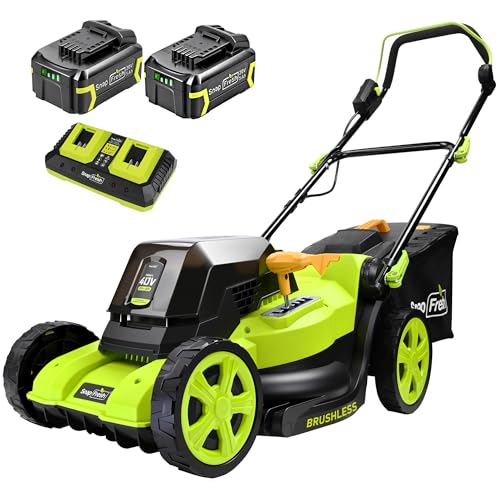


The Checklist for the Best Battery Push Mowers, in Order
Each step below is a question to answer about your own yard and habits before you compare models. Keep the product table open as you go, and note which mowers survive each step rather than falling for a headline figure early.
Step One: Measure Your Yard and Name Your Grass
Start with the area you actually cut, not the size of your plot. A quarter acre of open lawn is a light job for a push mower, while the same area broken into beds, paths and a slope is a longer walk with more turns. Grass type changes the load just as much: fine fescue cuts easily, while thick Bermuda or wet spring growth can double the power a mower draws. Be honest about how often you cut, because a mower bought for weekly trimming will struggle if your real habit is a cut every two weeks.
Step Two: Choose the Battery Platform Before the Mower
The battery platform is the long term decision hiding inside a mower purchase. Packs are costly, they are rarely shared between brands and a second pack is the usual answer to a yard that outlasts one charge. Before choosing a mower, price a spare pack in the same platform and check whether that platform also covers tools you already own, such as a trimmer or a blower. Shoppers comparing wording across listings will meet near identical names, and our guide to best battery powered push mowers explains how kit labels differ from bare tool labels.
Step Three: Read Run Time Claims the Honest Way
Maker run times are best case figures, gathered on light grass at a modest pace with a fresh pack. Real run time is decided by capacity in amp hours and by deck size, because a wider deck moves more grass per pass and draws more power doing it. Voltage badges do not cut grass; a high voltage mower with a small pack can stop sooner than a lower voltage mower carrying a larger pack. Plan on your real yard needing more than the headline figure suggests, and treat any run time claim without an amp hour figure beside it as a claim you cannot check.
Step Four: Match Deck Width to Gates, Paths and Storage
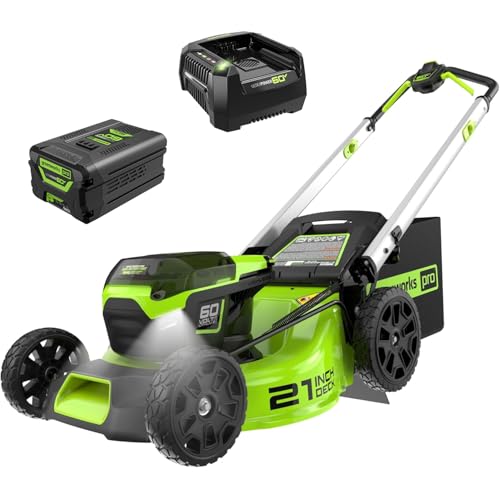
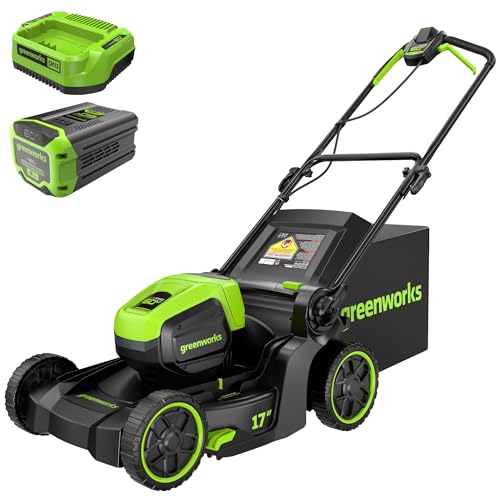
Deck width trades cutting speed against access. A deck of about 20 to 21 inches suits most suburban yards and still passes through a standard garden gate, while a narrower deck of about 16 to 18 inches earns its keep in small yards full of beds and tight corners. Measure your narrowest gate and your storage space before you buy, not after, because a mower that cannot reach the back lawn or fold into its corner will annoy you every week. Wider is not automatically better when a third of your cutting time goes on turns and edges.
Step Five: Check the Height Range and the Lever Style
Most push mowers offer cutting heights from about 1 to 4 inches, and the right range depends on your grass and your season. Taller settings matter in summer heat, when longer grass shades its own roots, and lower settings matter for a tidy spring cut. A single lever that moves all four wheels at once is faster to use than four separate levers, and you will adjust height more often if the change takes seconds. Check that the lever holds its setting firmly, because a deck that drops a notch mid cut leaves stripes you can see from the street.
Step Six: Decide How Clippings Leave the Deck
Most battery push mowers offer three ways to handle clippings: mulching them back into the lawn, collecting them in a rear bag or throwing them out of a side chute. Mulching suits weekly cutting and returns fine clippings to the soil, but it fails on long wet grass, which clumps and mats. Bagging keeps paths and patios clean and suits leaf season, though a small bag fills fast and adds weight as it fills. Side discharge handles overgrown cuts best, at the cost of clippings spread where you may not want them.
Step Seven: Weigh the Push Effort Honestly
A push mower asks your legs and arms to do the work a drive system would do on another class of machine. On flat ground with a light mower that effort is pleasant exercise, but weight grows with deck size, battery size and a filling bag, and slopes multiply it quickly. Self propelled models exist for buyers whose yards or knees make pushing a poor plan, and naming that contrast honestly is part of this checklist. If your yard has a long slope or pushing is a strain for you, a push mower is the wrong class no matter how good its battery figures look.
What the Checklist Reveals at Each Kit Level
Once the checklist answers are fixed, the market sorts itself into kit levels rather than model names. Reading the product table by kit level shows what your money really buys.
Bare Tool Prices Only Pay Inside a Platform You Own
The lowest prices in this category are usually for a mower sold without any battery or charger. That price is a genuine bargain only when you already own packs in the same platform with enough capacity for mowing. For a first time battery buyer, a bare tool price is a partial price, and adding one or two packs plus a charger can carry the total past a complete kit. Compare totals, not headline numbers, and write the full kit cost beside every listing before you judge value.
Single Battery Kits Suit Small and Simple Yards
A kit with one pack of moderate capacity suits a small yard that can be cut in one session with grass at a normal height. This is the honest starting point for many townhouse and small suburban lawns. The limit appears on the first wet or overgrown cut, when the same yard may need a pause while the pack recharges. Buyers in this group should still price the spare pack now, because the day the yard outgrows one pack is easier when the upgrade cost is already known.
Two Battery Kits Buy an Unbroken Session
Kits with two packs, or one pack of large capacity, buy the ability to finish a medium yard without a charging break and to keep cutting while a second pack rests. This level also softens the battery ageing problem, since two packs share the work across a season. Shoppers who see the same mowers described under slightly different category names can compare the wording in our guide to best battery operated push lawn mowers, where kit contents are listed pack by pack.
Your Quick Pre Purchase Checklist
Run through these questions with a yes or no before you order. Any no is a reason to pause, not a reason to hope the mower will suit you anyway.
- Have you measured the lawn area you actually cut, rather than guessing from the plot size?
- Does the battery platform match tools you own, or have you priced a spare pack in this platform?
- Is the run time claim backed by an amp hour figure you can compare across listings?
- Does the deck width pass your narrowest gate and fit your storage space?
- Does the height range cover both your summer and spring cutting heights?
- Have you decided how clippings will be handled on your longest and wettest cuts?
- Is your yard flat enough for pushing to stay comfortable all season?
- Have you added the cost of a charger and any second pack to the headline price?
If every answer is yes, you have done the hard part of this purchase. The remaining choice between similar mowers can rest on deck material, warranty length and how the handle folds for storage.
Warning Signs That Should Stop a Purchase
Some listings fail the checklist before it even starts. A run time claim with no amp hour figure, no stated deck width or no weight is a listing that avoids every number you need. Voltage presented as the main measure of power, without capacity, is marketing rather than information. Very short warranties on the battery, sometimes only a year when the mower itself carries longer cover, tell you where the maker expects wear to arrive first.
Build quality shows in the details you can check in photos and specifications: a thin deck that flexes, small wheels that will drag in soft ground and a handle that folds only with tools all predict weekly friction. Our guide to best quality push mowers lists the construction points that separate a durable mower from a light one. Also be wary of a platform with no spare packs sold separately, because a mower whose battery cannot be replaced is a mower with a fixed lifespan.
Safety Rules That Come Before Any Cutting
Battery mowers are quieter than petrol machines, and that quiet can breed carelessness. Never mow with children or pets in the yard, because a push mower throws stones and sticks from under the deck without warning. Walk the lawn first and clear toys, stones and hoses, and keep bystanders inside until the cutting is done.
Remove the battery or the safety key before any blade or deck work, every time, and never reach under a raised deck while a pack is fitted. A battery mower can start with one press of a button, so treat a fitted pack the way you would treat a running engine. Follow the manufacturer's instructions for slope limits and mowing patterns, and never mow wet grass on a slope, when footing and grip both fail at once. Wear eye protection against thrown grit and ear protection on long sessions.
Setup and Care That Keep the Checklist True
Charge new packs fully before the first cut and store packs partly charged, in a dry place away from heat, rather than full or empty on a garage shelf through winter. Heat is the quiet enemy of battery life, so a pack left in a hot shed ages faster than the same pack kept indoors. Never charge a damaged or swollen pack, and retire a pack that has cracked casing, a burnt smell or a sudden drop in run time, following local disposal rules for lithium batteries.
Keep the blade sharp, with a sharpening each season for most yards and a check after any strike on a stone or root. A blunt blade tears grass rather than cutting it, draws more power per pass and shortens the run time you planned around. Never cut more than a third of the grass height in one pass, because forcing a deep cut overloads the motor and drains the pack. Clean grass build up from under the deck after wet cuts, with the battery removed, so the deck coating and the mulching shape keep working as designed. Shoppers comparing category wording will also find the same mower families described in our guide to best electric battery push lawn mowers, where care notes are grouped by deck material.
Battery Push Mowers: Questions Answered
Are battery mowers as good as gas mowers for a home yard?
For most home yards, yes, a battery push mower now does the same weekly job with far less upkeep and no fuel storage. The honest limit is sustained heavy work: long wet grass over a large area still favours petrol power, because refuelling takes minutes while recharging takes much longer. For a small to medium lawn cut on a regular schedule, the battery class is the simpler machine to own, start and store.
How long does a battery push mower last?
The mower body can serve for many years, while the battery is the part with a planned lifespan. Packs fade gradually with age and charge cycles, so a mower that once finished your yard on one pack may later need part of a second. Budget for replacement packs as a running cost, store packs away from heat and avoid running them completely flat every session, because gentle treatment stretches the useful years a pack delivers.
Can a battery push mower handle a half acre yard?
A half acre of open lawn sits at the top of what the push class handles well. It is realistic with a two pack kit, a wider deck and grass cut on schedule, and unrealistic with a single small pack or a habit of letting grass grow long. Count the walking as well as the cutting, because half an acre behind a push mower is a long session. Buyers with slopes or rough ground in that area should weigh the self propelled class honestly instead.
How often should I sharpen the blade on a battery push mower?
Sharpen the blade at least once each season, and sooner whenever the cut starts to look ragged or the mower seems to work harder than it did. Torn leaf tips that turn pale are the clearest sign the edge has gone. A sharp blade is also a battery decision, because a clean cut draws less power and protects the run time you planned your session around. Always remove the battery before the blade comes off.
What size mower do I need for my yard?
Choose deck width from your narrowest gate and your cutting area together. Decks of about 16 to 18 inches suit small yards with beds and tight corners, decks of about 20 to 21 inches suit most medium lawns and decks above that suit open areas where turns are few. A wider deck cuts faster per pass but turns wider and stores larger. If a size sits between your gate width and your ambition, the gate wins, because a mower that cannot reach part of the lawn fails every week.
Final Thoughts
The checklist order is the whole method: yard first, platform second, deck third, and headline figures last. A mower that passes those steps will still be suiting you when its second set of packs arrives, while a mower bought on a voltage badge alone rarely does. Use the product table to check kit contents against your answers before you order.
The best battery push mowers for your home are the ones whose packs you can afford to replace, whose deck fits your gates and whose run time survives your real grass rather than a perfect lawn. Answer the checklist honestly, respect the safety rules from the first cut and the machine will reward you with quiet, simple seasons of work.