Best Cordless Lawn Mowers for a Hassle-Free Yard
Disclosure: We may earn a commission when you buy through links on this page, at no extra cost to you. As an Amazon Associate I earn from qualifying purchases. Learn more
A buying guide covering battery voltage, runtime, and deck features to help choose a reliable cordless lawn mower.
Dragging an extension cord around the yard or dealing with gas fumes and pull-start cords is not how most homeowners want to spend a Saturday morning. The best cordless lawn mowers deliver enough runtime and cutting power for typical residential yards while skipping the maintenance headaches of gas engines entirely. Battery technology has improved enough that these mowers now compete seriously with gas models for most yard sizes.
This guide covers battery capacity, deck features, and the tradeoffs worth understanding before switching to a cordless mower.








Battery Voltage and Runtime
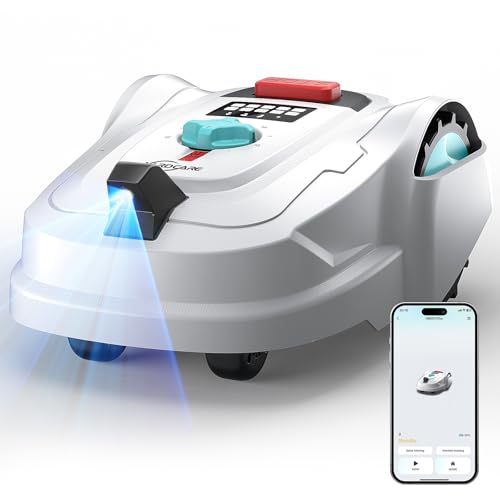
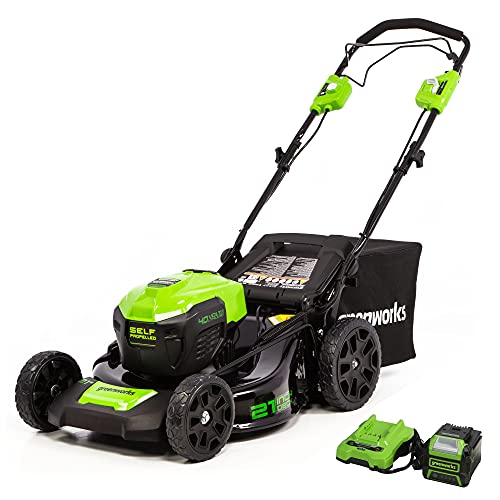
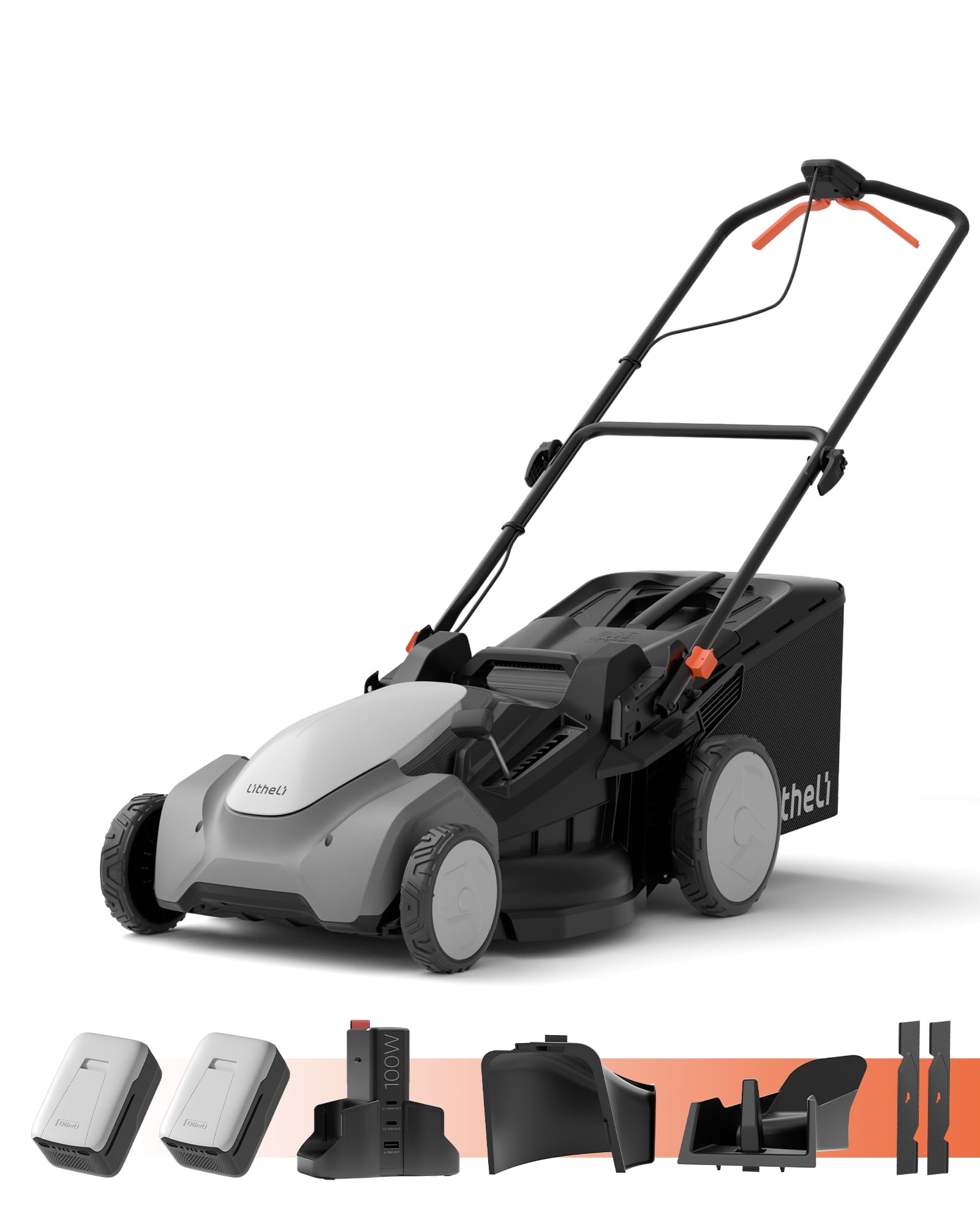
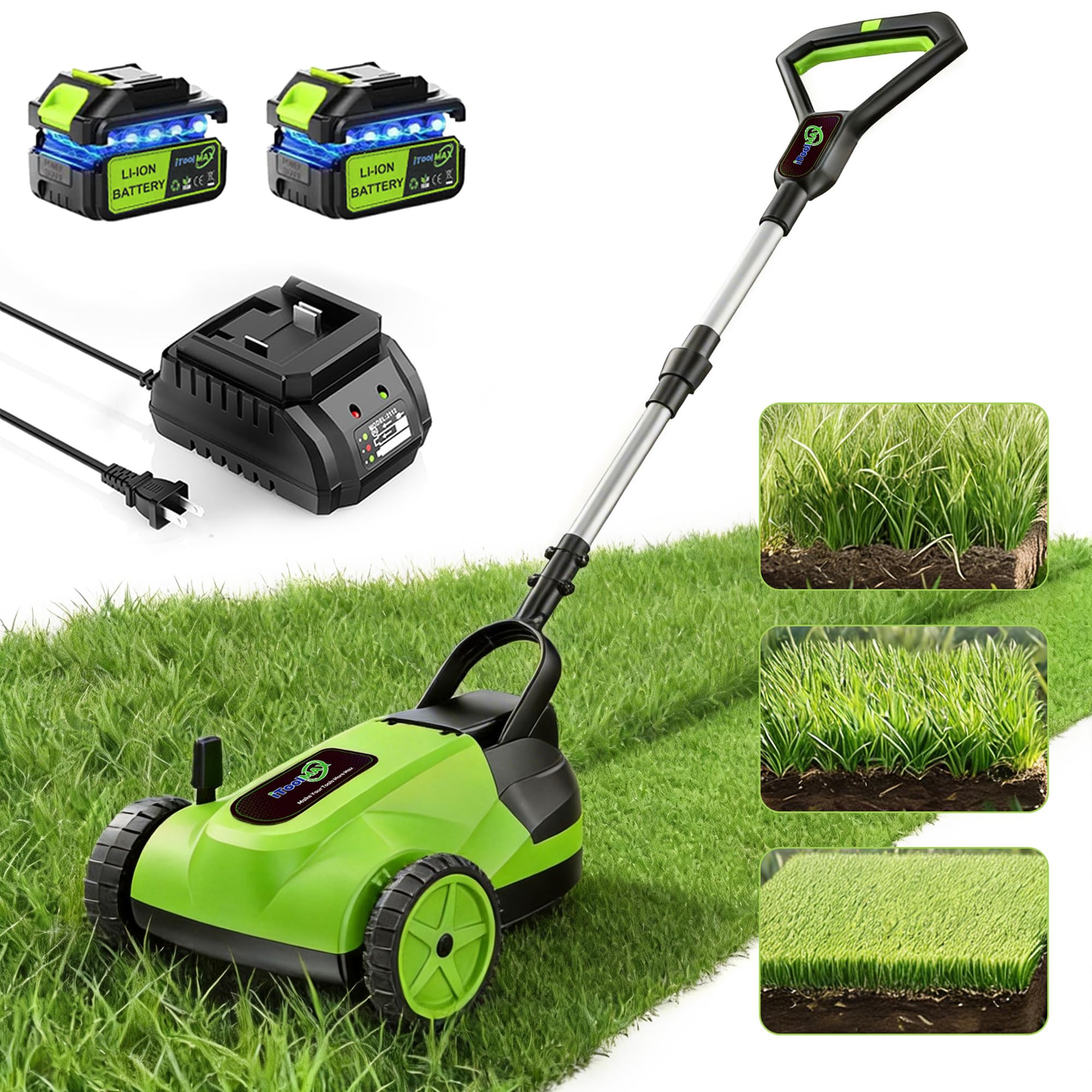
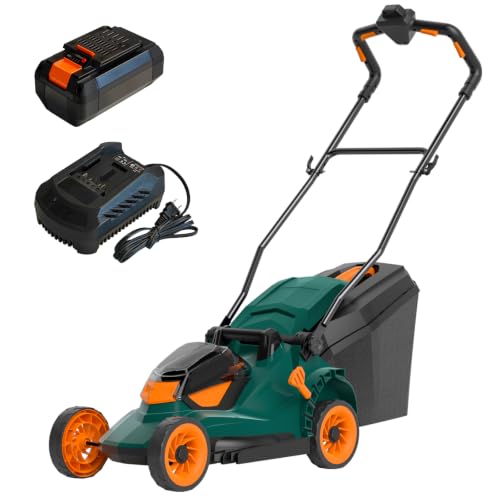
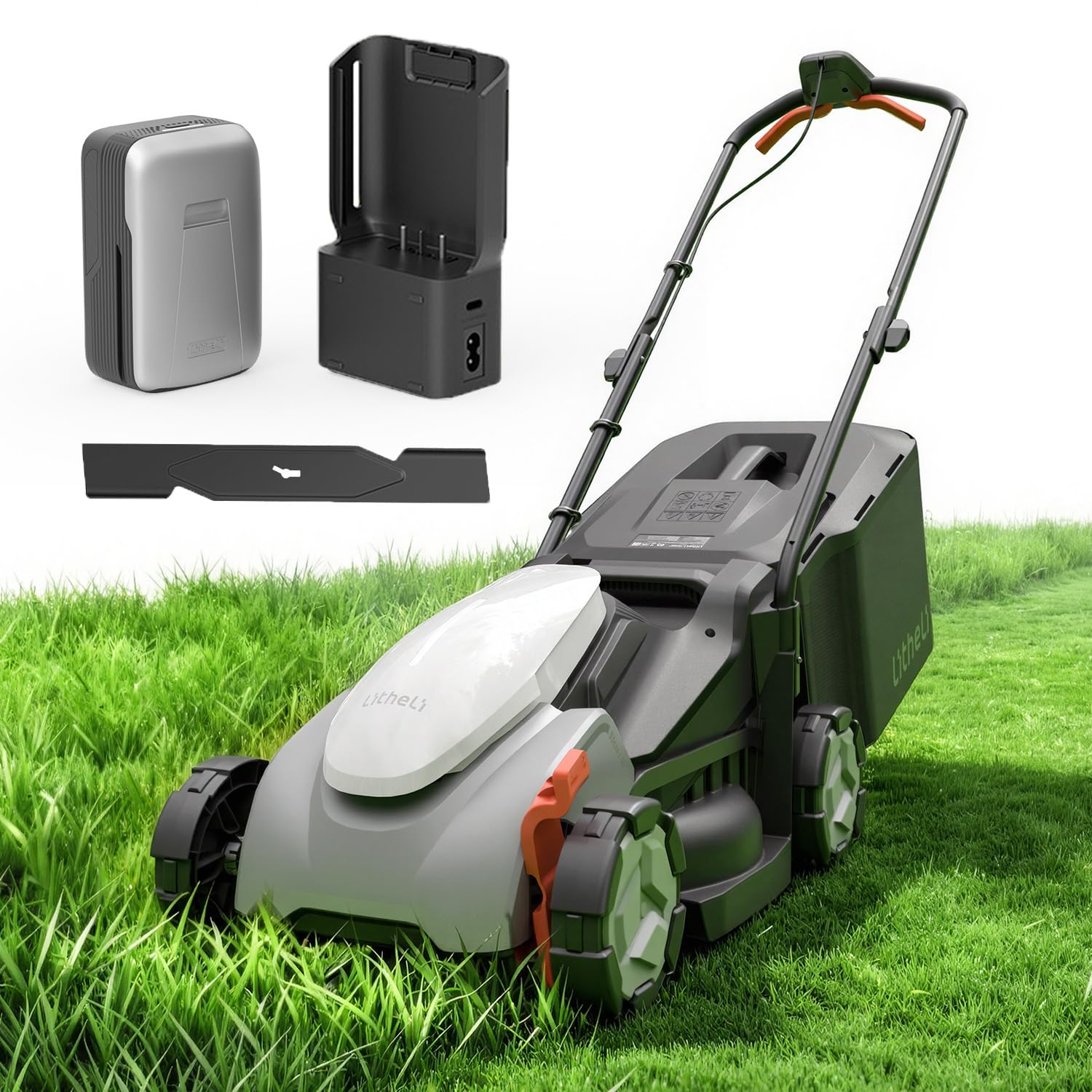
Higher voltage battery systems generally deliver more torque and consistent cutting power through thicker or taller grass, which matters most for larger yards or infrequent mowing schedules where grass grows longer between cuts. Forty to eighty volt systems are common across current cordless mower lineups.
Runtime varies significantly by battery size and yard conditions, with many mid-range batteries covering a quarter to half acre on a single charge. Larger properties may need a spare battery to finish mowing in one session without an interruption to recharge.
Deck Size and Cutting Performance
Standard cordless mower decks typically range from nineteen to twenty-one inches, balancing efficient coverage with battery-friendly power demands. A wider deck covers more ground per pass but draws more power, which can reduce total runtime on a single charge.
Cutting performance in thick or damp grass varies between models, so checking reviews specifically mentioning performance in challenging conditions gives a more realistic picture than manufacturer specs focused on ideal, dry grass scenarios.
Charging Time and Battery Management
Fast-charging batteries that reach full capacity within an hour or two add flexibility for larger yards, allowing a quick top-off between sessions rather than waiting overnight. Standard charging times of three to five hours are common and work fine for anyone who charges batteries after each use rather than right before mowing.
Battery compatibility across other outdoor tools from the same manufacturer, like trimmers or blowers, can add value by allowing a single battery platform to power multiple pieces of equipment.
Cutting Modes and Versatility
Mulching, bagging, and side discharge options remain available on most cordless models, matching the versatility found on comparable gas mowers. Mulching in particular pairs well with battery power, since it reduces the physical strain of managing a heavy, full bag during longer sessions.
Self-propelled cordless options have also become widely available, reducing physical effort on sloped yards without the added weight and complexity of a gas engine driving the wheels.
Weight and Maneuverability
Cordless mowers generally weigh less than comparable gas models, since they skip the engine, fuel tank, and associated hardware. This lighter weight makes maneuvering around trees, garden beds, and tight corners noticeably easier over the course of a mowing session.
Battery placement affects balance, and models with a well-positioned battery compartment tend to feel more stable during turns than those with weight concentrated awkwardly at one end of the mower.
Noise Levels and Convenience
Cordless mowers run considerably quieter than gas engines, which matters for early morning mowing or homes in noise-sensitive neighborhoods. Starting is also simpler, typically requiring just a safety key and a button rather than repeated pull-cord attempts.
Reduced vibration compared to gas engines also makes cordless mowers more comfortable to operate for extended periods, particularly for users sensitive to the fatigue that comes from prolonged engine vibration.
Long-Term Cost Considerations
Cordless mowers typically cost more upfront than comparable gas models, largely due to battery expense, but they save money over time by eliminating gas, oil, and regular tune-up costs. For households mowing weekly through a full season, these savings can add up meaningfully within just a few years.
Battery degradation over several years of use is worth factoring into long-term cost expectations, since eventual battery replacement adds an expense that gas mower owners do not face in the same way. Even so, most owners of the best cordless lawn mowers report lower total costs over a five to seven year period once fuel and maintenance savings are added up.
Storage and Foldability
Foldable handles reduce storage footprint considerably, which matters for smaller garages or sheds without much extra space. Some models fold down flat enough to stand upright against a wall, freeing up floor space for other yard equipment or seasonal gear.
Battery removal for storage is worth considering as well, particularly for anyone storing a mower in an unheated garage or shed during colder months, since extreme temperatures can affect battery longevity over time.
Terrain and Yard Layout Considerations
Sloped yards benefit from self-propelled cordless models with strong low-end torque, since pushing a mower uphill repeatedly adds significant physical strain over a full mowing session. Flat, open yards are generally well served by lighter, manual push cordless options that cost less and weigh less overall.
Yards with many obstacles, like trees, flower beds, or narrow side gates, benefit from a more maneuverable mower with a tighter turning radius, regardless of power source, to avoid repeated backing and repositioning during mowing.
Environmental Considerations
Cordless mowers eliminate the direct emissions associated with gas engines, which appeals to environmentally conscious homeowners looking to reduce their yard maintenance footprint. Electricity used for charging still has an associated environmental cost, though it is generally lower than the emissions from a comparable gas engine over a full season.
Reduced noise pollution is another environmental benefit worth considering, particularly in dense neighborhoods where gas mower noise can affect multiple households during weekend mowing sessions.
Warranty Coverage to Compare
Warranty terms often differ between the mower deck, motor, and battery, and reviewing each separately gives a clearer picture of what is actually protected. Battery warranties in particular vary widely between manufacturers, and a longer battery warranty can offset some of the higher upfront cost of a cordless system.
Registering a new mower promptly and keeping purchase records organized makes any future warranty claim considerably smoother if a component fails earlier than expected. A little paperwork upfront can save real hassle down the road.
Frequently Asked Questions
Can cordless mowers handle a quarter acre or larger yard?
Many can, particularly with higher voltage batteries or a spare battery on hand to extend total runtime for larger properties.
Are cordless mowers as powerful as gas mowers?
Higher voltage cordless models come close for most residential grass conditions, though very thick or overgrown grass may still favor gas power.
How long do mower batteries typically last before replacement?
Most batteries hold a useful charge for several years of regular seasonal use before performance noticeably declines.
Do cordless mowers require much maintenance?
Maintenance needs are minimal, generally limited to blade sharpening and basic cleaning, without oil changes or fuel system upkeep.
Is self-propulsion available on cordless models?
Yes, many current cordless mowers offer self-propelled options, which help considerably on sloped or larger yards.
Final Thoughts
Choosing among the best cordless lawn mowers comes down to matching battery voltage and runtime to actual yard size, then comparing deck features and weight for comfortable handling. A well-matched cordless mower delivers gas-like performance with far less maintenance and hassle season after season.
Related reading: best gas lawn mowers and best lawn mowers.