Best Bagging Push Mowers for 2026: Types Compared and How to Choose
Disclosure: We may earn a commission when you buy through links on this page, at no extra cost to you. As an Amazon Associate I earn from qualifying purchases. Learn more
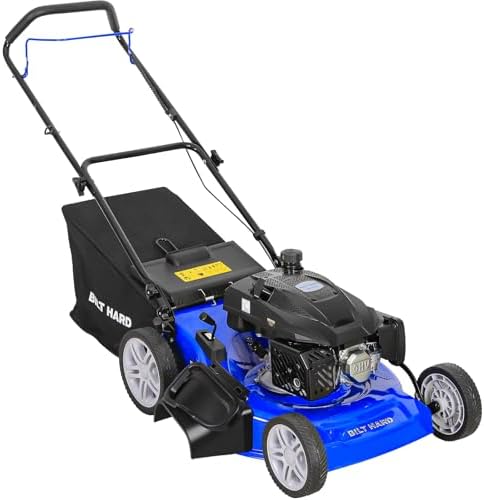
Compare the best bagging push mowers by power source, deck size, and bag features to match one to your yard size, grass type, and budget.
Choosing among the best bagging push mowers can feel confusing because the machines look alike at first glance yet behave very differently on real lawns. Some collect clippings cleanly in a bag, some switch between bagging and mulching, and some struggle on thick or damp grass. The comparison table below lays out the main types side by side so you can see the tradeoffs before you spend money.
This guide compares bagging push models by power source, deck size, bag capacity, and ease of use, and it explains which yard conditions suit each type. You will also learn how to judge cutting width, runtime, and maintenance needs without getting lost in specs that matter little on a small or midsize lawn.

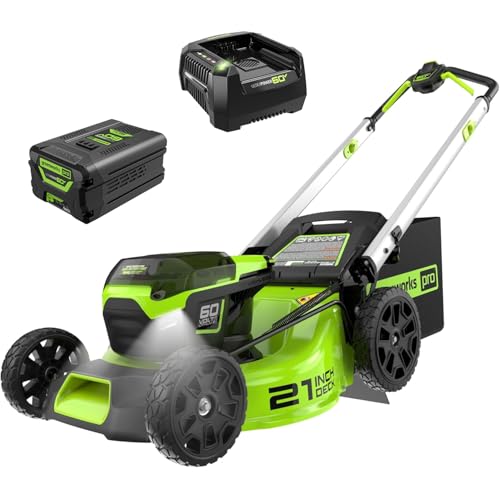
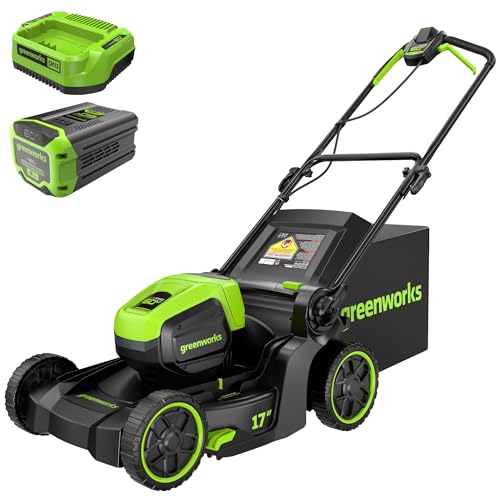


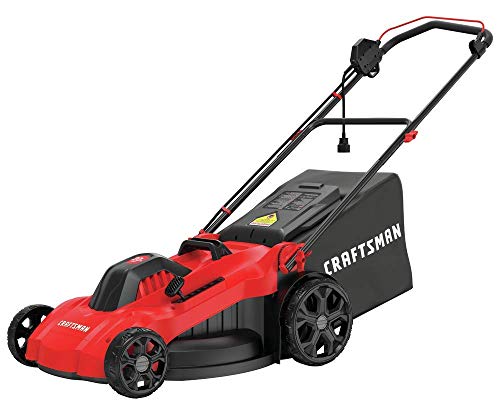
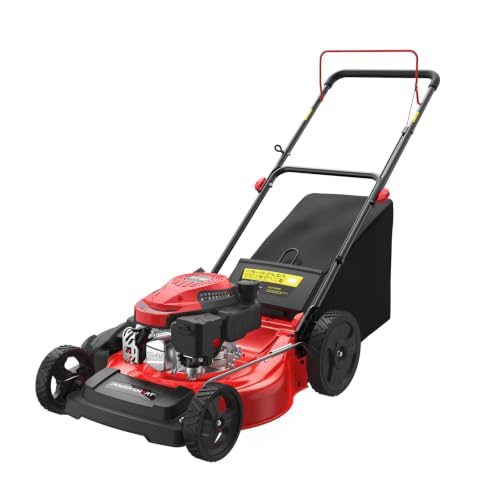
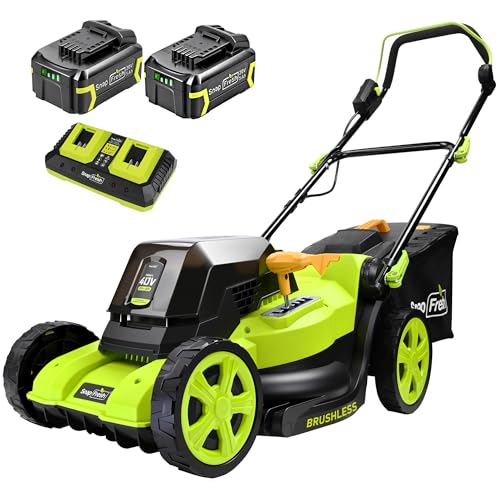

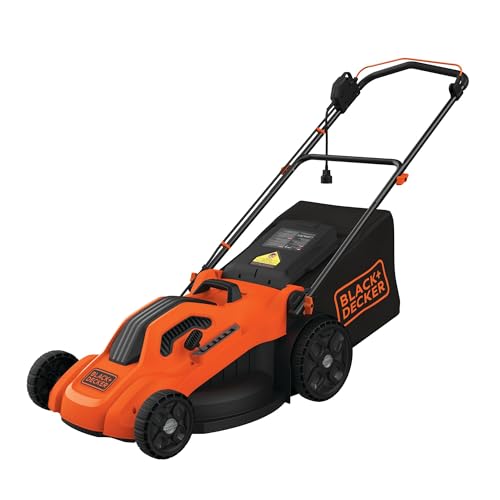
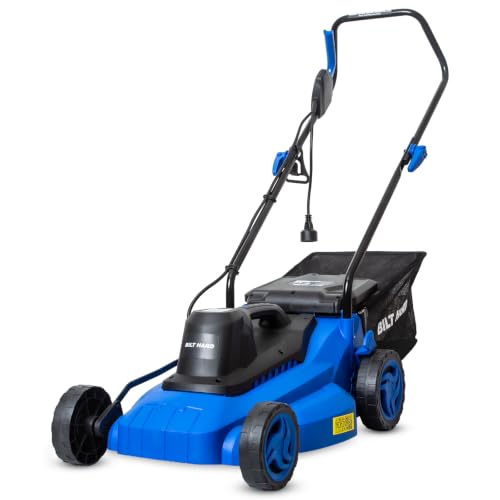
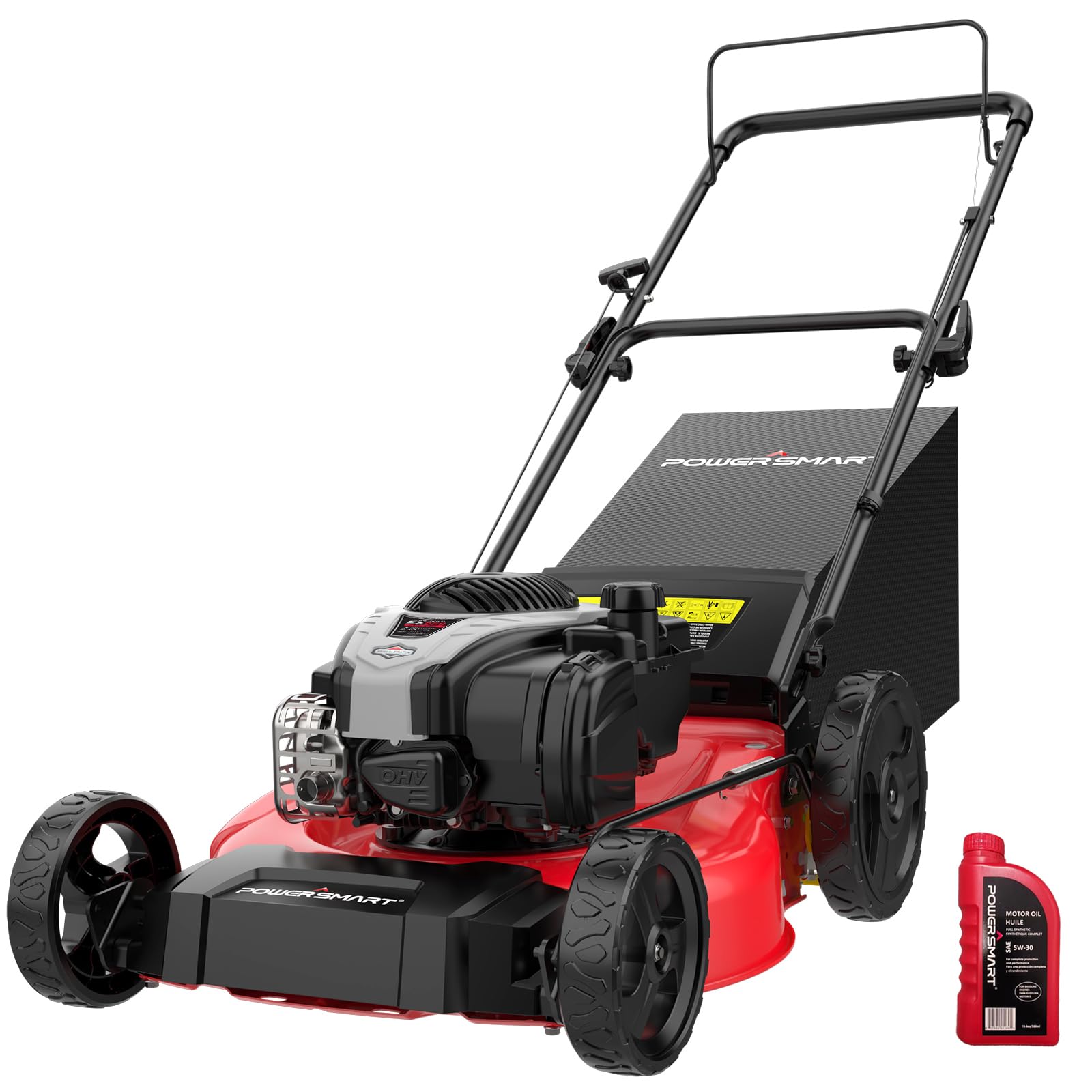
How Bagging Push Mowers Compare to Other Options
A bagging push mower walks behind you and drops clippings into a rear bag, which keeps paths and patios tidy and reduces the need to rake after mowing. That simple job makes it a strong choice for lawns where clippings would otherwise blow onto driveways, flower beds, or play areas. The tradeoff is that you supply the walking effort and you must stop to empty the bag when it fills.
| Type | Best For | Pros | Cons | Typical Price |
|---|---|---|---|---|
| Bagging push models | Small to midsize lawns that need a tidy finish | Clean clipping collection, simple controls, easy storage | Manual effort, frequent bag emptying on large lawns | About $100 to $650 |
| Robotic mowers | Hands off frequent trimming | Automatic cutting, quiet running, low effort | High cost, setup work, limited bagging | About $800 to $2,500 |
| Zero turn mowers | Large open lawns | Fast cutting, wide decks, strong engines | High cost, large storage needs, overkill for small yards | About $2,500 to $6,000 |
| Riding mowers and tractors | Large properties with slopes and obstacles | Comfortable seating, attachments, wide cutting paths | High cost, more maintenance, hard to store | About $1,500 to $4,000 |
Bagging Push Mowers vs Robotic Mowers
Robotic mowers trim a little grass very often and leave tiny clippings on the lawn, while a bagging push mower removes clippings in one pass and leaves a visibly clean surface. If you dislike seeing clippings on paths or you want a crisp finish before guests arrive, bagging wins. If you want to avoid mowing altogether and you accept clippings staying on the lawn, a robotic model may suit you better.
Bagging Push Mowers vs Zero Turn Mowers
Zero turn mowers cut wide paths quickly and turn sharply around trees and beds, which makes them attractive for large open lawns. A bagging push mower cannot match that speed, but it costs far less, stores in a garage corner, and handles gates and narrow side yards that a wide zero turn machine cannot enter. For lawns under about half an acre, the push mower usually finishes the job in a reasonable time.
Bagging Push Mowers vs Riding Lawn Mowers and Tractors
Riding mowers and tractors let you sit while you cut, and they can pull carts or spreaders, which helps on large properties. A bagging push mower gives you exercise and a lower purchase price, plus much easier storage and simpler upkeep. The riding option makes sense when walking the whole lawn would take too long or tire you out.
Who Should Choose Bagging Push Mowers?
Bagging push models suit homeowners with small to midsize lawns who want a neat finish without raking. They also suit people who mow near patios, pools, or vegetable beds where stray clippings cause extra cleanup. If you mow weekly and your grass grows at a steady pace, a bag will fill at a predictable rate and emptying it becomes a quick routine.
People with very large lawns, steep slopes, or limited mobility may prefer a self propelled model, a rider, or a robotic mower instead. Bagging also adds weight as the bag fills, so users who tire easily should look for a light deck and a well balanced handle. If you rarely mow and grass grows tall between cuts, a model with strong power and a large bag will cope better than a light duty machine.
For related guidance, see our guide to best quality push mowers when build quality matters more than price. That comparison helps you judge deck materials and wheel quality before you choose a bagging model.
How to Choose the Right Bagging Push Mower
Start with your yard, not with a feature list. Measure the lawn area, note gates and slopes, and think about how often you realistically mow. Those facts narrow deck width, power source, and bag size far better than a long list of extras.
Mulch, Bag, and Side Discharge Options
Many push mowers offer three in one cutting: bagging, mulching, and side discharge. Bagging gives the tidiest finish and keeps clippings off hard surfaces. Mulching chops clippings finely and returns nutrients to the soil, which suits lawns that need feeding and where clippings will not be noticed. Side discharge throws clippings to one side and works best on tall or damp grass that would clog a bag quickly.
Engine Size or Battery Voltage and Runtime
Gas models list engine size in cubic centimeters, and larger engines handle thick or tall grass with less bogging down. Battery models list voltage and amp hours, and common platforms run from 40V to 80V. Higher voltage usually means stronger cutting, while higher amp hours mean longer runtime from one charge.
Deck Material and Build
Steel decks resist dents and feel solid, but they can rust if paint chips and moisture sits on bare metal. Composite decks resist rust and weigh less, which helps when lifting the mower into storage or over a curb. Fabricated decks appear on larger machines and offer extra strength, though they add weight and cost.
Yard Size and Cutting Width
Cutting width decides how many passes you make, and wider decks finish faster but need wider gates and more storage room. A 20 inch or 21 inch deck suits most small lawns and fits through standard gates with room to spare. A 22 inch deck can speed up a midsize lawn without becoming hard to store.
Power Source: Gas, Battery, or Corded Electric
Gas mowers offer strong power and unlimited runtime as long as fuel remains, but they need oil changes, air filter care, and winter storage steps. Battery mowers start with a button, run quietly, and need little routine maintenance beyond blade care and battery storage. Corded electric mowers cost less and run steadily, but the cord limits range and can snag on trees or fences.
Noise matters if you mow early or near neighbors, and battery models usually run quieter than gas models. Fuel cost and battery replacement cost also differ, so compare running costs over several seasons, not just the purchase price. For related options, see our guide to best battery push mowers if quiet running and simple starts appeal to you.
Care and Maintenance Tips
Keep blades sharp, since a dull blade tears grass and leaves brown tips that invite disease. Sharpen blades each season or more often if you hit stones or roots, and balance the blade after sharpening so vibration stays low. Never cut more than one third of the grass blade at once, since cutting too much at once stresses the lawn and clogs the bag.
Clean the deck after mowing, especially under the deck where damp clippings cake and trap moisture. Store batteries indoors in winter and keep them partly charged, since cold storage and full discharge both shorten battery life. For gas models, follow the maker guide for oil, fuel stabilizer, and air filter care before winter storage.
For engine care, see our guide to best oil for push mowers so you use the grade your maker specifies. Using the wrong oil can shorten engine life and void warranty coverage, so match the guide rather than guessing.
FAQs
How often should I sharpen mower blades?
Sharpen mower blades at least once each season, and more often if you mow coarse grass, sandy soil, or lawns with hidden stones and roots. A sharp blade cuts cleanly and leaves green tips, while a dull blade tears grass and causes brown frayed ends. Check the blade edge after hitting an object, since even one strike can nick the edge enough to affect cutting quality. If sharpening removes a lot of metal or the blade shows cracks, replace it rather than grinding it thinner.
Is a zero turn worth it for one acre?
A zero turn mower can be worth it for one acre if the lawn is mostly open, with long runs and few narrow gates. It cuts faster than a push mower and turns quickly around trees, which can halve mowing time on a large property. The case weakens if the lawn has many tight areas, steep slopes, or a narrow gate that a wide deck cannot pass. In that case a self propelled push mower or a smaller rider may finish the job with less hassle and lower cost.
How long does a bagging push mower last?
A well kept bagging push mower often lasts about eight to twelve years of regular home use, though deck material, engine care, and storage conditions shift that range. Steel decks last longer when paint stays intact and moisture does not sit on bare metal, while battery life usually limits electric models before the deck wears out. Regular blade sharpening, oil changes on gas models, and dry winter storage all extend service life. Replace the mower when repair costs approach half the price of a comparable new model.
What size mower do I need for my yard?
Match deck width and power to lawn size, gate width, and grass type rather than buying the largest model available. A 20 inch or 21 inch deck suits most small lawns and fits standard gates, while a 22 inch deck speeds up midsize lawns without much extra storage burden. For lawns near one acre, a self propelled model reduces fatigue and keeps a steady pace on slopes. Measure the narrowest gate and the storage space before you buy, since a mower that cannot reach or fit easily wastes its extra width.
Are battery mowers as good as gas?
Battery mowers now match gas models on small to midsize lawns, with quiet running, instant starts, and far less routine maintenance. They fall short mainly on very large lawns or thick tall grass, where runtime limits and power fade can force a mid mow recharge. Gas models still lead for heavy weekly cutting, large properties, and users who dislike managing charge times. Choose battery power when your lawn fits one charge comfortably, and choose gas when runtime and raw cutting strength matter most.
Wrapping Up
The right choice balances yard size, grass type, power source, and bag capacity, not just price or deck width. A tidy finish matters most on small lawns near hard surfaces, while runtime and cutting strength matter most on larger or tougher lawns. Weigh those needs before you compare models, and you will avoid paying for size or power you never use.
For most small to midsize lawns, the best bagging push mowers offer a clean result, simple upkeep, and easy storage at a fair price. Check the product table above, confirm gate width and bag size, and pick the power source that fits how often you mow.